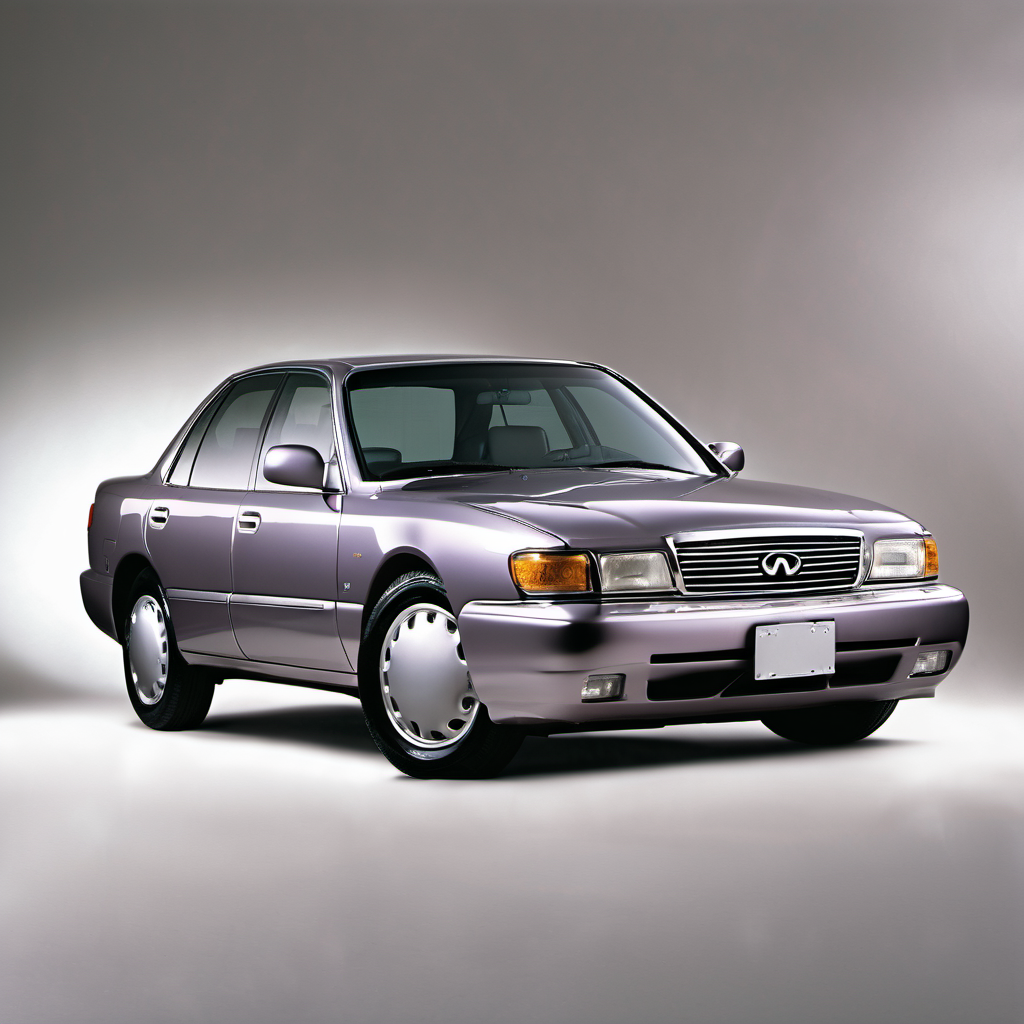
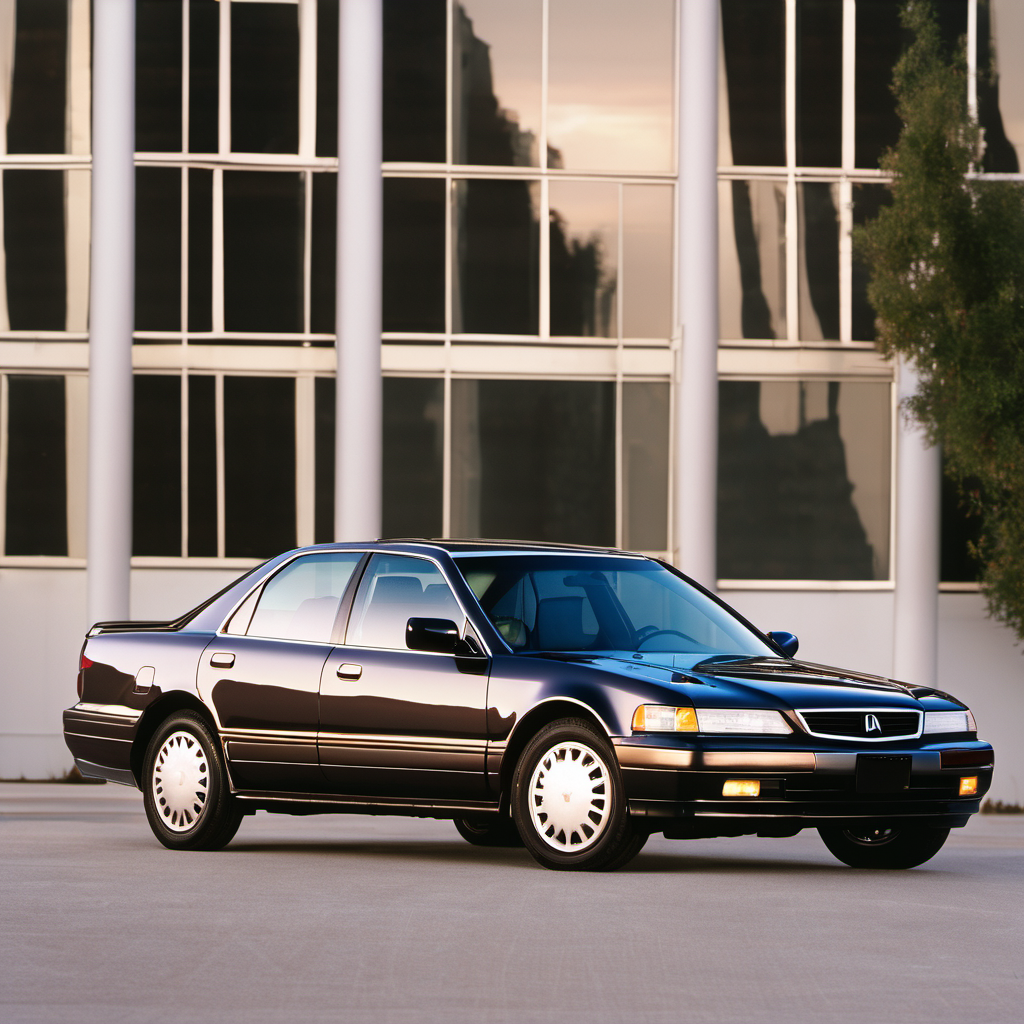
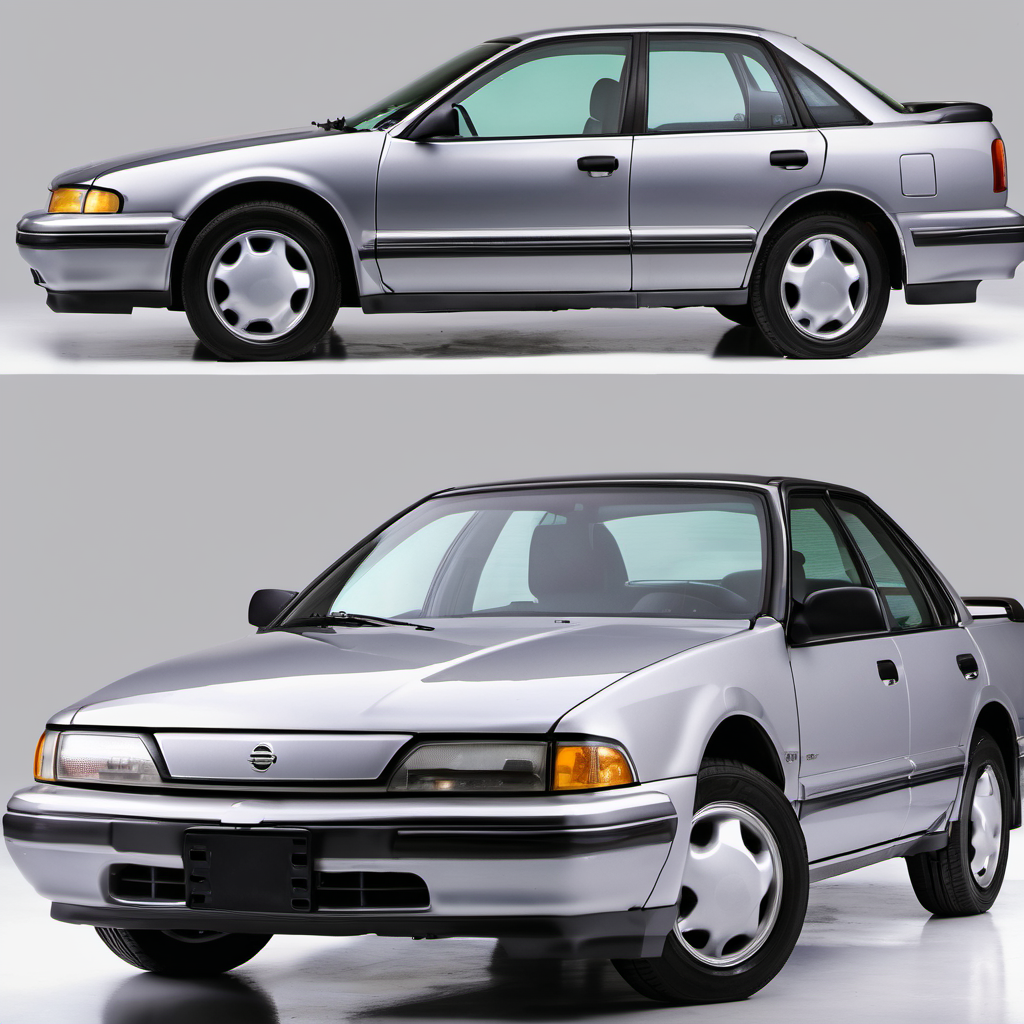
1993 INFINITI J Sedan

1993 INFINITI

JSedan

3.0L V6 (VG30DE) · Sedan

The 1993 Infiniti J30 is a rear-wheel-drive luxury sedan built on Nissan's Y32 platform, sharing its underpinnings with the Nissan Leopard sold in Japan. It was Infiniti's mid-range offering, slotted between the entry-level G20 and the flagship Q45. Power came from a 3.0L VG30DE V6 producing 210 horsepower, paired with a 4-speed automatic transmission. The J30 had a distinctive, rounded body style penned with an eye toward aerodynamics, and it offered a well-appointed interior for its era. The J30 was a niche vehicle even when new — it sold in modest numbers and was discontinued after the 1997 model year. That low production volume means parts availability today ranges from manageable (mechanical/engine components shared with other Nissan V6 applications) to genuinely difficult (body panels, trim pieces, and electronics unique to this platform). Owners who enjoy it tend to appreciate its smooth V6, compliant ride, and relative mechanical simplicity compared to European luxury sedans of the era. From a Lake Geneva perspective, this is a rear-wheel-drive car on a 30-year-old platform. Wisconsin winters demand serious preparation: rust on the undercarriage, subframes, and brake lines is the single biggest concern on any survivor J30. If you're buying one, the condition of the body and chassis matters far more than the engine.

Reliability
3/5
Verified data
Engine
3.0L V6 (VG30DE)
Drivetrain
RWD
Fuel
Gasoline
MPG
17 city / 24 hwy / 19 combined
Seats
5
Doors
4
Body
Sedan
MSRP
$33,900

Overview

AI-curated

The 1993 Infiniti J30 is a rear-wheel-drive luxury sedan built on Nissan's Y32 platform, sharing its underpinnings with the Nissan Leopard sold in Japan. It was Infiniti's mid-range offering, slotted between the entry-level G20 and the flagship Q45. Power came from a 3.0L VG30DE V6 producing 210 horsepower, paired with a 4-speed automatic transmission. The J30 had a distinctive, rounded body style penned with an eye toward aerodynamics, and it offered a well-appointed interior for its era. The J30 was a niche vehicle even when new — it sold in modest numbers and was discontinued after the 1997 model year. That low production volume means parts availability today ranges from manageable (mechanical/engine components shared with other Nissan V6 applications) to genuinely difficult (body panels, trim pieces, and electronics unique to this platform). Owners who enjoy it tend to appreciate its smooth V6, compliant ride, and relative mechanical simplicity compared to European luxury sedans of the era. From a Lake Geneva perspective, this is a rear-wheel-drive car on a 30-year-old platform. Wisconsin winters demand serious preparation: rust on the undercarriage, subframes, and brake lines is the single biggest concern on any survivor J30. If you're buying one, the condition of the body and chassis matters far more than the engine.

Known for
  • Smooth, rev-happy VG30DE V6 shared across many Nissan/Infiniti applications
  • Distinctive rounded 'bubble' body style — polarizing but aerodynamically slippery
  • Rear-wheel-drive dynamics unusual for a Japanese luxury sedan of the era
  • Well-insulated, quiet cabin with quality materials for a 1993 vehicle
Best for
  • Nissan/Infiniti enthusiasts who want something uncommon
  • Collectors or hobbyists comfortable sourcing hard-to-find parts
  • Fair-weather or occasional-use drivers in the upper Midwest
Watch for
  • Severe parts scarcity — trim, body panels, and some electronics are difficult to source
  • Undercarriage and brake line rust on any Wisconsin/salt-belt survivor
  • Aging rubber: bushings, hoses, and seals are 30+ years old on all examples
  • RWD in Wisconsin winters requires proper winter tires — not a car to drive carelessly on snow
  • Low resale and niche appeal means repair costs can exceed vehicle value quickly

Common issues by mileage

6 known

Undercarriage and brake line rust

high
Typically appears
All mileages on salt-belt cars
Estimated repair
$400 – $2,500

Aging cooling system — hoses, thermostat, water pump

high
Typically appears
80k+ mi / any age
Estimated repair
$300 – $900

Cracked or leaking intake manifold gaskets / valve cover gaskets

high
Typically appears
80k–150k mi
Estimated repair
$250 – $700

Distributor and ignition system failures (cap, rotor, wires)

medium
Typically appears
60k–120k mi
Estimated repair
$150 – $450

Suspension bushing deterioration — front control arms and rear subframe bushings

high
Typically appears
All mileages given age
Estimated repair
$400 – $1,200

Power window regulators and aged interior electronics

medium
Typically appears
All mileages given age
Estimated repair
$150 – $500

Maintenance schedule

  1. 1
    Every 5,000 miles or 6 months Engine oil and filter change

    The VG30DE has close oil passages; sludge from extended intervals accelerates wear on the upper valvetrain. Use a quality 5W-30 conventional or synthetic blend.

  2. 2
    Every 2 years regardless of mileage Coolant flush and inspection of all hoses and clamps

    All rubber hoses are 30+ years old on this vehicle. Preventive replacement before a failure saves a tow and potential overheating damage.

  3. 3
    Every 30,000 miles Transmission fluid change (drain and fill)

    Nissan's RE4R01A transmission responds well to regular fluid changes. Neglected fluid is the leading cause of shift harshness and eventual failure.

  4. 4
    Every 60,000 miles or 5 years Timing belt, water pump, and tensioner replacement

    The VG30DE is an interference engine — a snapped timing belt causes catastrophic valve damage. On a 30-year-old car, replace it regardless of stated mileage if history is unknown.

  5. 5
    Every year, before winter Brake line inspection for rust and pitting

    Salt-belt cars frequently develop pitted steel brake lines that can fail suddenly. This is the highest safety priority on any upper Midwest J30.

  6. 6
    Every 2 years or 24,000 miles Full suspension and bushing inspection

    At this age, polyurethane or rubber bushings throughout the front and rear suspension are likely cracked or collapsed, degrading handling and tire wear.

  7. 7
    Every 30,000 miles Spark plugs and distributor cap/rotor replacement

    The distributor-based ignition system on this vintage Nissan V6 is a common source of misfires and rough idle when neglected.

  8. 8
    Every fall, before Lake Geneva winters Battery load test

    A battery that passes a basic voltage check in summer can fail a load test and leave you stranded at -10°F. Test and replace proactively if the battery is over 3–4 years old.

Always defer to the manufacturer's service manual for warranty-mandated intervals.

Cost of ownership

Annual maintenance
$800 – $2,500
Fuel
Expect 18–20 MPG in mixed Lake Geneva driving. Premium fuel is recommended for the VG30DE. At $3.50–$4.00/gal for premium and 12,000 miles/year, budget roughly $2,100–$2,700 annually in fuel.
Insurance
Typically low — insurers classify this as an older, low-value vehicle. Expect $600–$1,100/year for full coverage depending on driving history and insurer. Agreed-value collector coverage may be worth exploring if the car is in excellent condition.

This is a low-purchase-price vehicle with a high potential for surprise expenses. The engine and drivetrain are serviceable and share parts with other Nissan V6 applications, keeping those costs reasonable. The real risk is deferred maintenance, rust remediation, and sourcing body/trim/electronic parts unique to the J30. Budget $1,000–$2,500/year in maintenance on a well-kept example; a neglected car could cost significantly more. Parts availability will only get harder as time goes on.
Seasonal care

Lake Geneva, WI
Winter
  • Switch to dedicated winter tires — this is a RWD car and Lake Geneva's salted roads will catch you off guard without them. All-season tires are not a substitute.
  • Inspect and replace brake lines if any rust pitting is found before the first snow. This is the highest-priority winter safety item on any salt-belt J30.
  • Load-test the battery every fall. Cold cranking amps drop sharply below 0°F and this vintage vehicle's electrical system does not tolerate a weak battery well.
  • Fill the washer fluid reservoir with a -20°F or lower rated fluid. Stock up — you will use it quickly on salty Wisconsin roads.
  • Flush the cooling system and verify antifreeze concentration protects to at least -34°F before temperatures drop.
  • After each salt exposure, rinse the undercarriage when temperatures are above freezing to slow corrosion on an already-aging chassis.
Summer
  • Inspect the A/C system for refrigerant leaks and compressor operation — the system uses older R-134a and seals degrade over time on a 30-year-old vehicle.
  • Check tire pressure monthly; hot pavement in July and August can cause pressure to rise 4–6 PSI above your target, affecting handling and wear.
  • Inspect the cooling system for any weeping hoses or a marginal thermostat — heat soak in stop-and-go traffic can expose borderline cooling components.
  • Check power steering fluid level and inspect the hoses, which are prone to cracking and seeping on high-mileage aged vehicles in summer heat.

Comparable vehicles

If you're shopping for one

Red flags
  • Any visible rust perforation on the floorpan, trunk floor, or subframe — walk away unless you have a high budget for structural repair.
  • Unknown timing belt history on a high-mileage example — significant immediate cost exposure.
  • Transmission slipping, harsh shifts, or check-engine lights that the seller cannot explain with documented repair history.
  • Evidence of flood damage: musty odor, stained carpet, corroded fuse box or wiring connectors under the dash.
  • Non-running or 'just needs a little work' cars — parts scarcity makes J30 projects expensive and potentially endless.
What to inspect
  • Entire undercarriage: subframe mounting points, brake lines, fuel lines, and floor pans for rust perforation — this is the make-or-break inspection point on any Wisconsin J30.
  • Timing belt service history — if unknown or overdue, budget for immediate replacement before driving; this is an interference engine.
  • All rubber cooling and vacuum hoses for cracking or softness; at 30+ years, preventive replacement may be needed immediately.
  • Transmission behavior: smooth, firm shifts through all gears. Slipping, flaring, or delayed engagement indicates worn clutch packs.
  • Interior electronics: all power windows, locks, HVAC controls, and instrument cluster functions. Replacement parts are scarce.
  • Body panel fit and paint condition — unique J30 body panels are extremely hard to source if damaged.
AI profile generated 4 days ago · claude-sonnet-4-6 · v2.