Underbody and frame rust
high- Typically appears
- All mileages — age-driven on Midwest vehicles
- Estimated repair
- $500 – $4,000
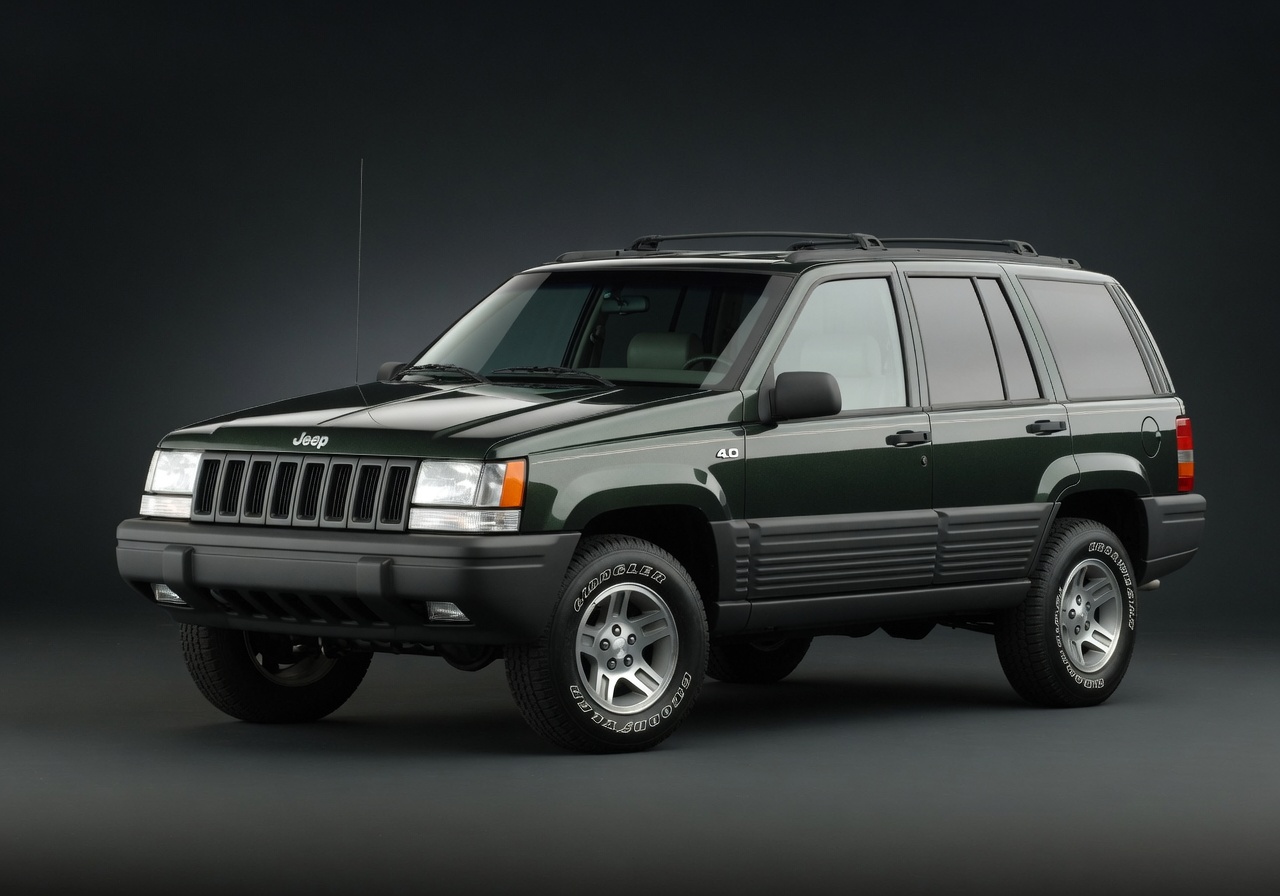
1993 Jeep
SUV
The 1993 Jeep Grand Cherokee was the first model year of the ZJ generation — a genuinely landmark SUV that replaced the boxy XJ Cherokee with a more car-like ride, a proper 4-wheel independent front suspension, and a standard 4.0L inline-six that became legendary for durability. It was the first SUV to win Motor Trend's Truck of the Year and set the template for the modern premium SUV. At 30+ years old, the ZJ is now a collector and enthusiast platform rather than daily-driver territory for most buyers, but well-kept examples still put in work. The 4.0L I6 is one of the most robust American engines ever built — straightforward to maintain and capable of going well past 200k miles with basic care. The rest of the truck, however, is very much 1990s Chrysler: the electronics are rudimentary but can be finicky with age, and rust is the primary killer of these vehicles in the upper Midwest. A 1993 ZJ in Wisconsin will have spent three decades exposed to road salt, and that matters more than engine mileage when evaluating one. Expect to spend real money keeping the frame, floors, and brake lines intact if you plan to use it year-round.
The 1993 Jeep Grand Cherokee was the first model year of the ZJ generation — a genuinely landmark SUV that replaced the boxy XJ Cherokee with a more car-like ride, a proper 4-wheel independent front suspension, and a standard 4.0L inline-six that became legendary for durability. It was the first SUV to win Motor Trend's Truck of the Year and set the template for the modern premium SUV. At 30+ years old, the ZJ is now a collector and enthusiast platform rather than daily-driver territory for most buyers, but well-kept examples still put in work. The 4.0L I6 is one of the most robust American engines ever built — straightforward to maintain and capable of going well past 200k miles with basic care. The rest of the truck, however, is very much 1990s Chrysler: the electronics are rudimentary but can be finicky with age, and rust is the primary killer of these vehicles in the upper Midwest. A 1993 ZJ in Wisconsin will have spent three decades exposed to road salt, and that matters more than engine mileage when evaluating one. Expect to spend real money keeping the frame, floors, and brake lines intact if you plan to use it year-round.
The 4.0L is tolerant but benefits from frequent oil changes; sludge buildup is the enemy of its longevity.
Hoses and the radiator cap are 30+ years old on an unrestored truck — a $15 hose failure can cause a catastrophic overheat. Inspect carefully every service.
Neglected fluids in these units lead to expensive gear and bearing failures. Dark, gritty fluid means it's overdue.
Salt-corroded brake lines can fail without warning. Annual visual inspection of all steel lines from front to rear is a safety essential on any Midwest vehicle this age.
Worn plugs and cracked plug wires cause misfires and poor cold starts — especially important for Wisconsin winters.
Wisconsin sub-zero temps are brutal on aging batteries. A battery over 3–4 years old should be load-tested before November. Clean and grease terminals to prevent corrosion-related no-starts.
Annual inspection of frame rails, floor pans, and fuel/brake lines is the single most important step to preserving a ZJ in the Midwest. Treat bare metal before winter salt exposure.
Vacuum lines and shift linkages on the Selec-Trac/Command-Trac systems can seize from disuse. Exercise 4HI and 4LO before you need them in a ditch.
Always defer to the manufacturer's service manual for warranty-mandated intervals.
A well-preserved ZJ can be a cheap keeper if you do your own work — parts are plentiful and inexpensive. The wildcard is rust repair, which can easily run $1,000–$4,000 on a Midwest example. Budget for a full underbody assessment before purchase and set aside a rust fund annually. Fuel economy is poor by modern standards; this is not a commuter vehicle.

Same era, same mission — family SUV with 4WD and similar pricing. More common in the used market but rustier floor pans than the ZJ.
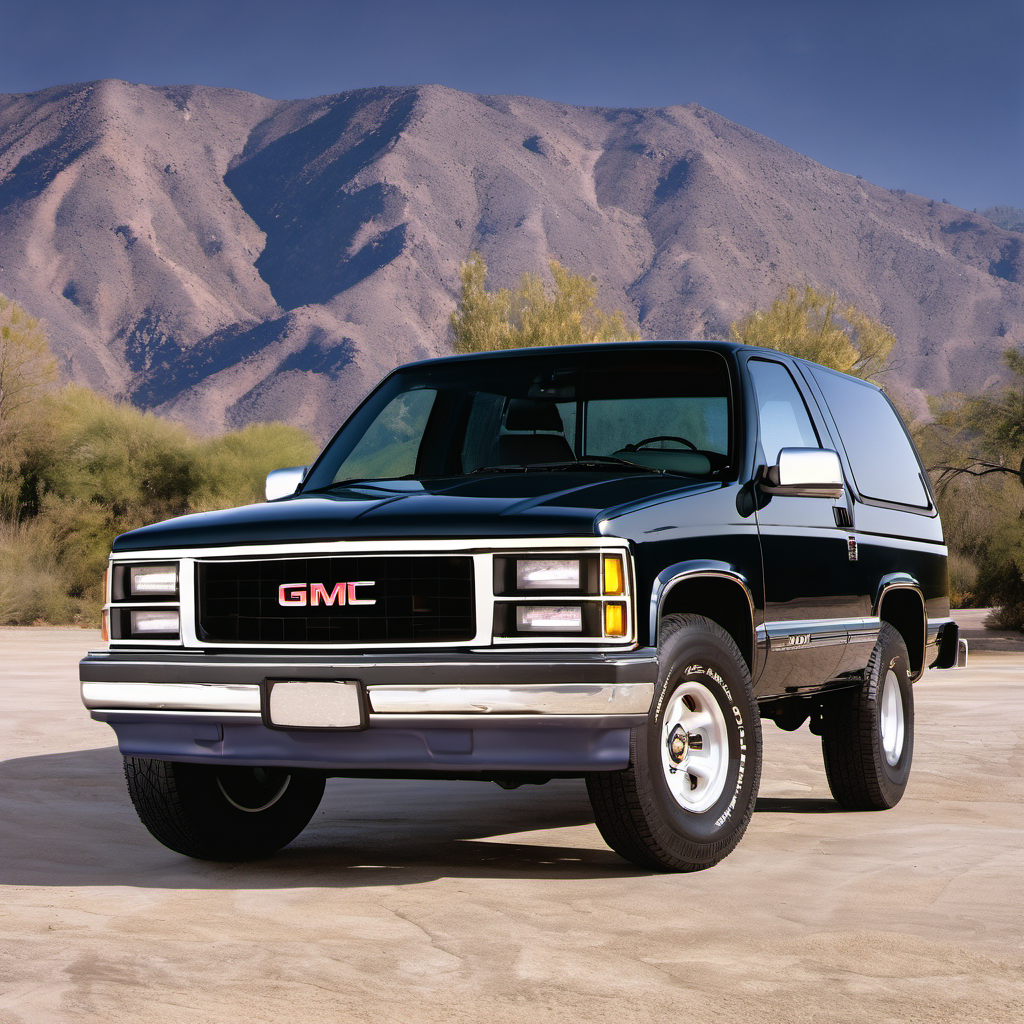
Full-size truck-based 4WD SUV from the same period. More towing capacity, but heavier and less refined on-road than the ZJ.
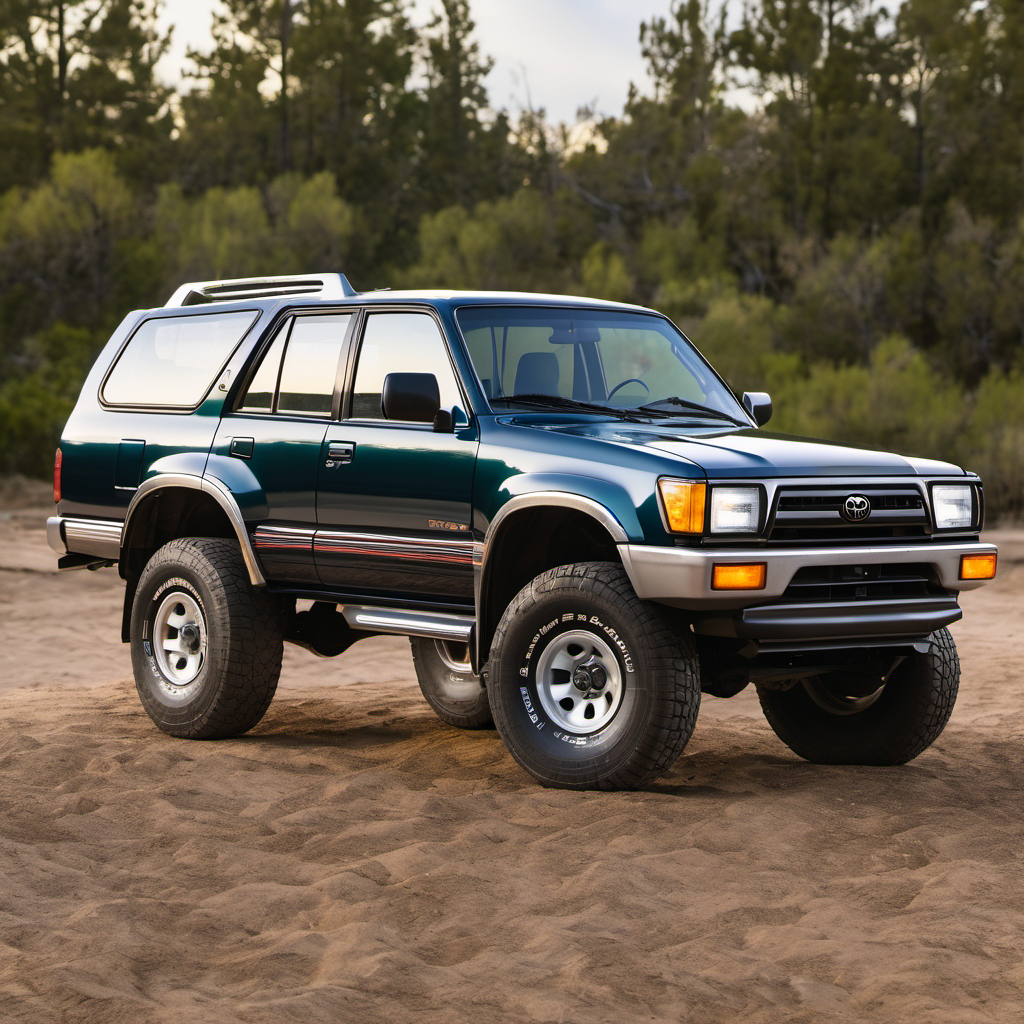
The benchmark for reliability in the segment; better long-term rust resistance and drivetrain longevity, but rarer and typically more expensive for clean examples.
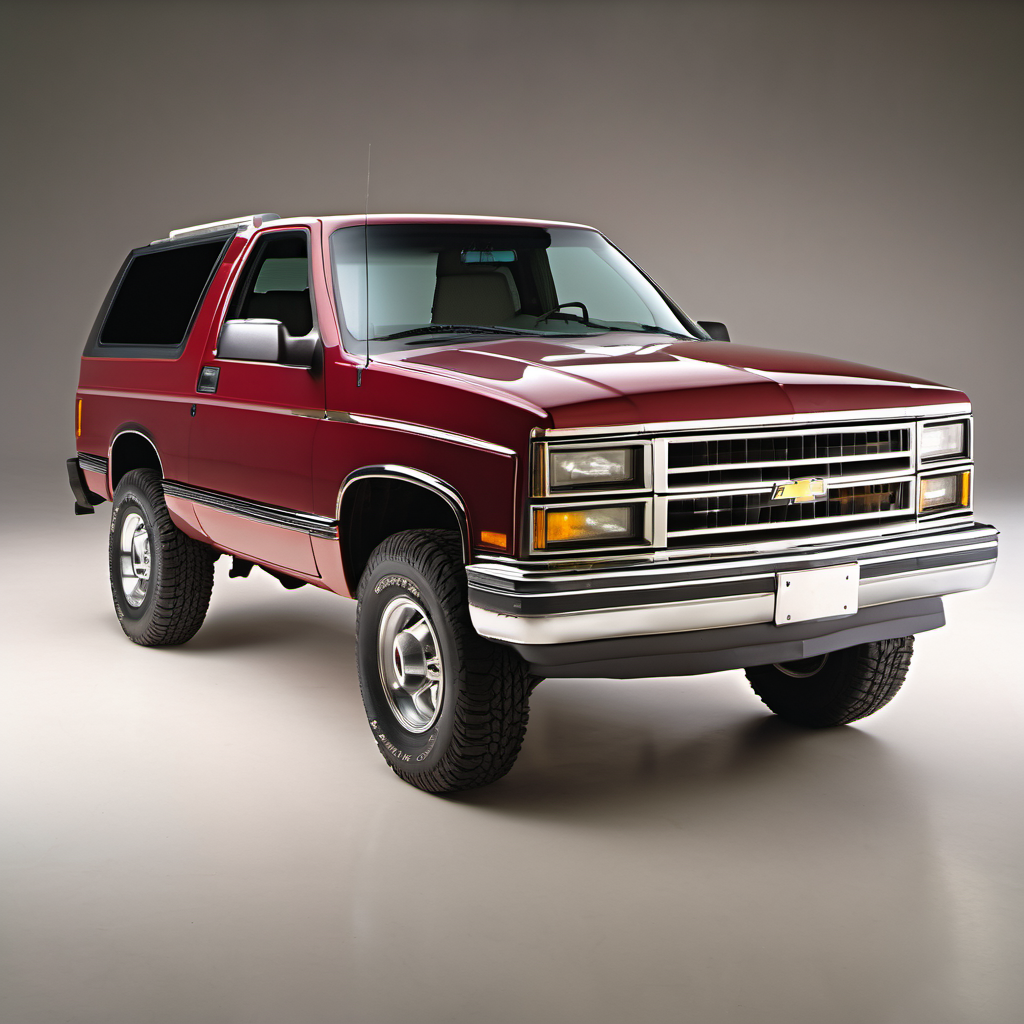
S-10 Blazer is a close size/price competitor with a solid 4.3L V6; similar Midwest rust concerns but a robust GM drivetrain and wide parts availability.