Timing belt and tensioner failure
high- Typically appears
- 60–100k mi (and every 60k thereafter)
- Estimated repair
- $600 – $1,100
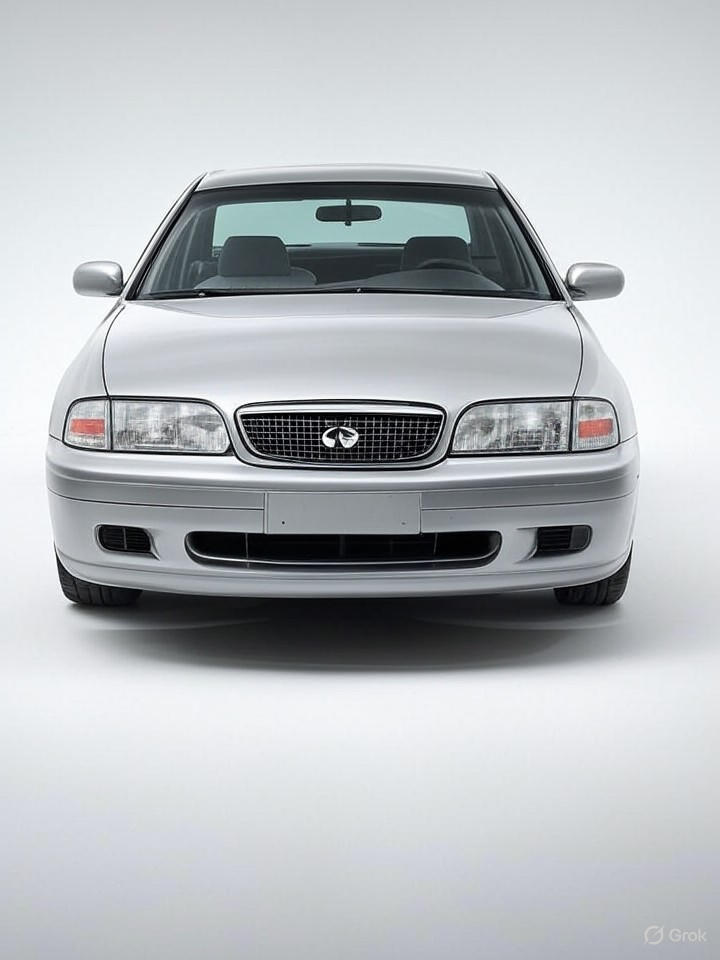
1993 INFINITI
4.5L V8 (VH45DE) · Sedan
The 1993 Infiniti Q45 (sold simply as the "Q" in Infiniti's lineup) was Infiniti's flagship full-size luxury sedan, introduced to North America in 1990 as the brand's debut model. It was built to challenge the BMW 7 Series and Mercedes-Benz S-Class, powered by a 4.5-liter V8 derived from Nissan's motorsport program. Early Q45s are distinctive for their minimalist interior philosophy — the first generation actually launched without a traditional grille — and for offering a sophisticated multi-link rear suspension and optional active suspension. By 1993, Infiniti had facelifted the Q45 slightly and refined the interior. The VH45DE engine is a robust, smooth-revving unit that enthusiasts still praise today. The 4-speed automatic transmission is generally reliable, though not as refined as European competition of the same era. Overall, the Q45 was underappreciated in its time, which means used examples are often found at prices well below equivalent German luxury sedans of the same period. Owning a 30-year-old Q45 today means you're dealing with a genuine collectors' piece and a driver's car, but parts availability is increasingly limited. Rubber components, sensors, and body trim pieces can be hard to source. This is a car for a dedicated enthusiast or someone with patience — not a daily driver for someone who needs a quick, cheap fix every time something goes wrong.
The 1993 Infiniti Q45 (sold simply as the "Q" in Infiniti's lineup) was Infiniti's flagship full-size luxury sedan, introduced to North America in 1990 as the brand's debut model. It was built to challenge the BMW 7 Series and Mercedes-Benz S-Class, powered by a 4.5-liter V8 derived from Nissan's motorsport program. Early Q45s are distinctive for their minimalist interior philosophy — the first generation actually launched without a traditional grille — and for offering a sophisticated multi-link rear suspension and optional active suspension. By 1993, Infiniti had facelifted the Q45 slightly and refined the interior. The VH45DE engine is a robust, smooth-revving unit that enthusiasts still praise today. The 4-speed automatic transmission is generally reliable, though not as refined as European competition of the same era. Overall, the Q45 was underappreciated in its time, which means used examples are often found at prices well below equivalent German luxury sedans of the same period. Owning a 30-year-old Q45 today means you're dealing with a genuine collectors' piece and a driver's car, but parts availability is increasingly limited. Rubber components, sensors, and body trim pieces can be hard to source. This is a car for a dedicated enthusiast or someone with patience — not a daily driver for someone who needs a quick, cheap fix every time something goes wrong.
The VH45DE is an interference engine — a snapped timing belt means bent valves and a likely engine rebuild. At this age, replace it proactively regardless of mileage.
30-year-old hoses, clamps, and the radiator are prime failure points. Inspect all rubber hoses for cracking and swelling; replace preventively.
The VH45DE rewards frequent oil changes. Clean oil is the cheapest insurance for longevity on a high-mileage engine of this age.
Original rubber bushings are 30+ years old. Worn bushings cause vague steering, clunking, and uneven tire wear — a full inspection every year is cheap compared to what deteriorated suspension does to tires and alignment.
Brake fluid is hygroscopic and absorbs moisture over time, lowering boiling point and corroding brake components — critical on a car this age.
Aged O2 sensors cause rich running, poor fuel economy, and catalytic converter damage. Replacement is relatively affordable insurance.
Cold Wisconsin winters are brutal on aging batteries. A battery that starts the car fine in October may leave you stranded in January. Load test every fall and replace if below spec.
Lake Geneva roads are heavily salted. Inspect brake lines, fuel lines, exhaust hangers, and frame rails each spring. Treat any bare metal immediately to slow progression.
Always defer to the manufacturer's service manual for warranty-mandated intervals.
The Q45 is relatively affordable to insure and the engine itself is durable, but you're maintaining a 30-year-old luxury car with increasingly scarce parts. Budget on the higher end of the maintenance range if the car hasn't had recent suspension, cooling, or timing belt work. A solid year with only routine items might run $900–$1,200; a year that includes timing belt, suspension bushings, or cooling system work can easily push $2,000–$2,500 at an independent shop.
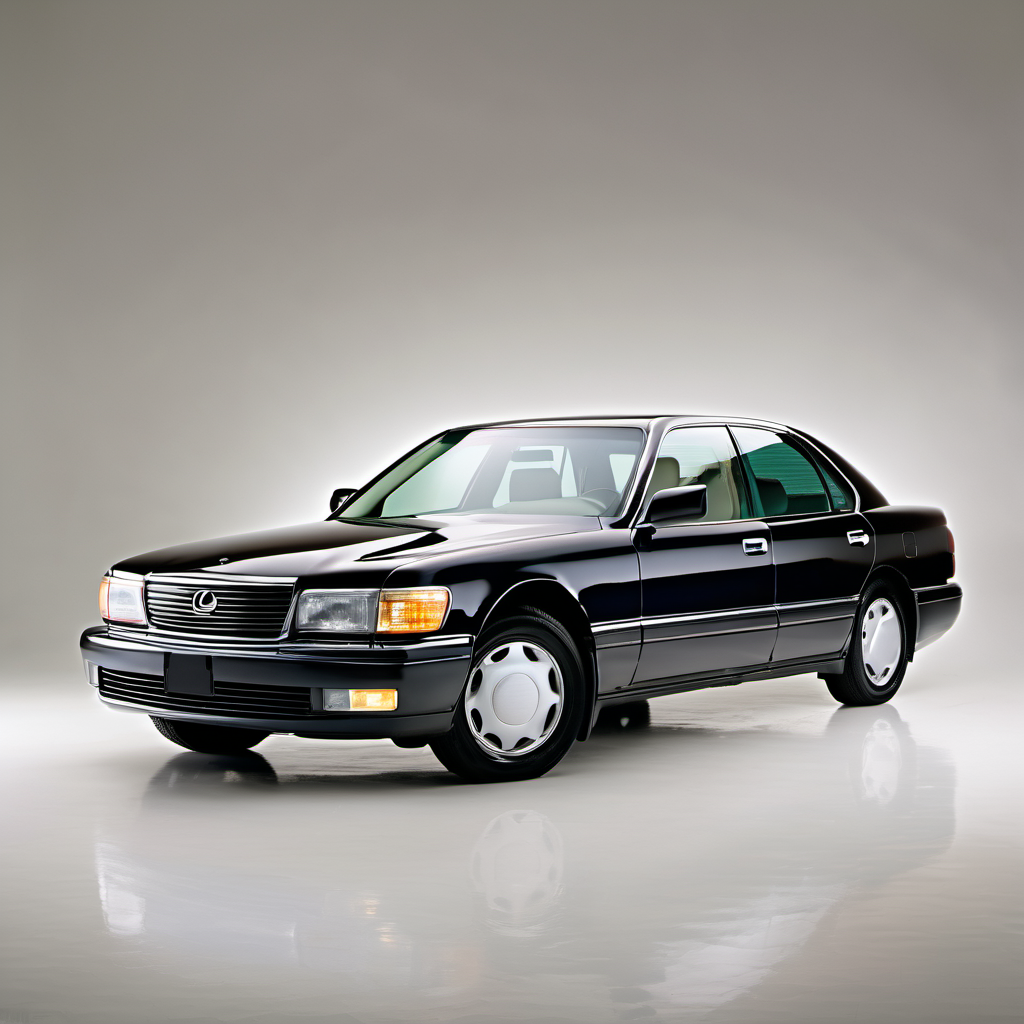
The direct Japanese luxury flagship rival — same era, similar V8 power, arguably better long-term parts availability and a stronger reliability reputation.
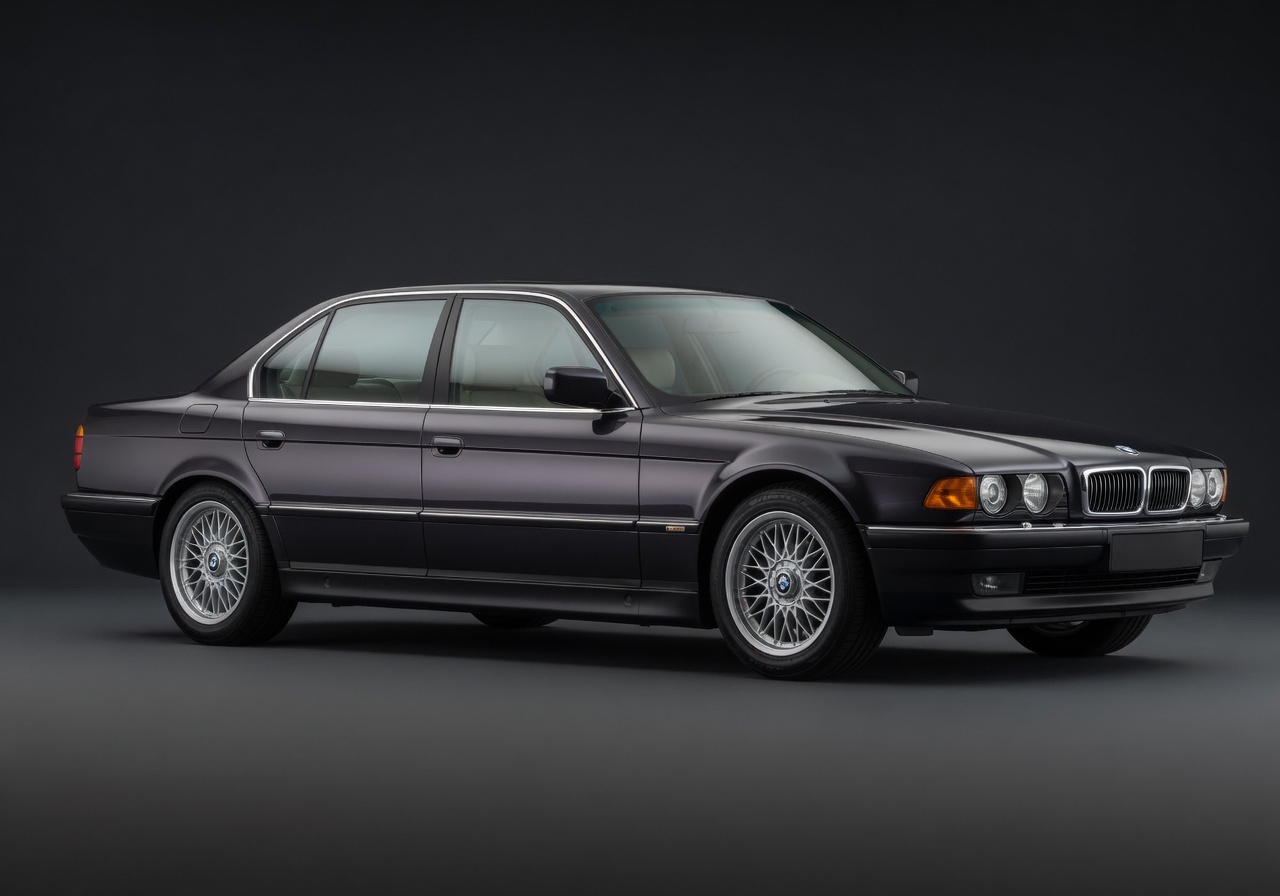
The European benchmark the Q45 was designed to beat. More driver-focused but significantly more expensive to maintain at this age.
Same full-size luxury segment. The W140 S-Class is overbuilt and long-lived but parts and repair costs are higher than the Q45.
No catalog match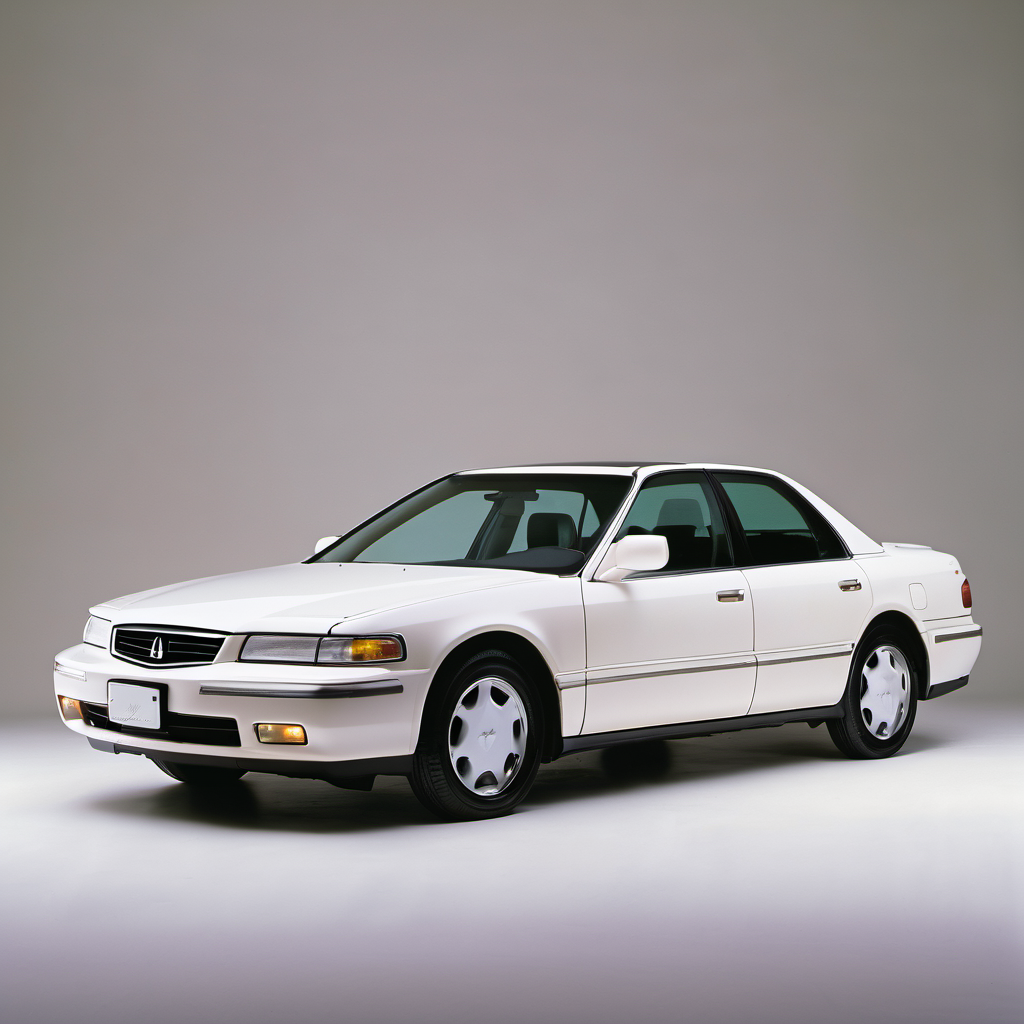
A step down in size and displacement but a similar "underappreciated Japanese luxury" ownership profile with better parts availability.