Rust — rockers, floor pans, and rear subframe
high- Typically appears
- All mileages on salt-belt cars
- Estimated repair
- $800 – $4,000
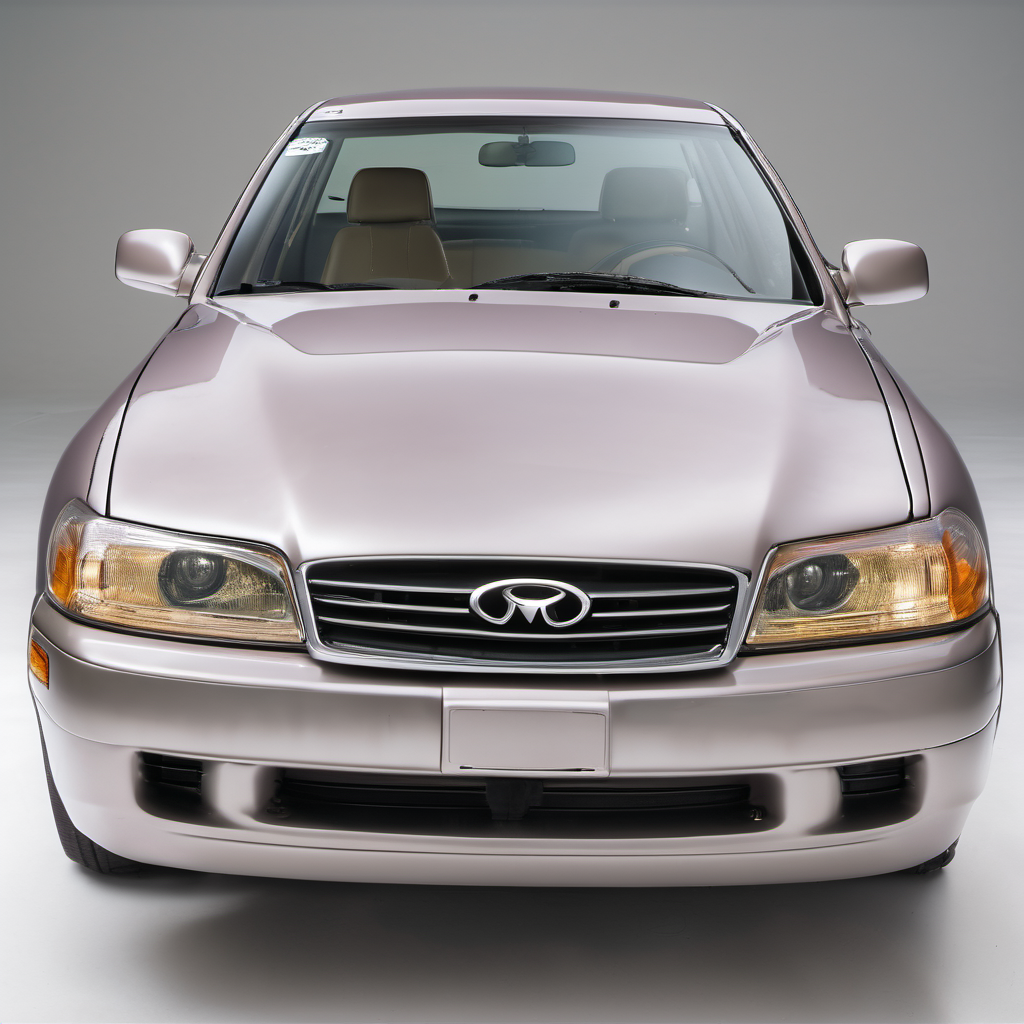
1993 INFINITI
2.0L I4 SR20DE · Sedan
The 1993 Infiniti G20 is a compact luxury sedan built on Nissan's P10 platform — essentially a dressed-up first-generation Nissan Primera sold in North America. It was powered by a 2.0L inline-4 paired with either a 5-speed manual or 4-speed automatic, and was positioned as Infiniti's entry-level offering to take on the Acura Integra and BMW 318i. Compared to its Japanese-market sibling, it was well-equipped for the era with leather seating, ABS, and a premium audio system as standard or near-standard items. The G20 was quietly discontinued after 1996, then briefly revived for 1999–2002 before being replaced by a completely different G35 platform. The 1993 model sits in the original run. Its appeal was European-style driving dynamics for a Japanese-car ownership experience — meaning generally reliable, parts-compatible with Nissan's broad catalog, and relatively inexpensive to maintain at an independent shop. At 30+ years old, any surviving G20 is now a niche classic/enthusiast car. Rust is the primary concern for Wisconsin examples. Parts availability has thinned but Nissan crossover parts (SR20DE engine components, Primera/Sentra body bits) keep it serviceable. Don't expect a garage queen — buy one only if it's been well cared for.
The 1993 Infiniti G20 is a compact luxury sedan built on Nissan's P10 platform — essentially a dressed-up first-generation Nissan Primera sold in North America. It was powered by a 2.0L inline-4 paired with either a 5-speed manual or 4-speed automatic, and was positioned as Infiniti's entry-level offering to take on the Acura Integra and BMW 318i. Compared to its Japanese-market sibling, it was well-equipped for the era with leather seating, ABS, and a premium audio system as standard or near-standard items. The G20 was quietly discontinued after 1996, then briefly revived for 1999–2002 before being replaced by a completely different G35 platform. The 1993 model sits in the original run. Its appeal was European-style driving dynamics for a Japanese-car ownership experience — meaning generally reliable, parts-compatible with Nissan's broad catalog, and relatively inexpensive to maintain at an independent shop. At 30+ years old, any surviving G20 is now a niche classic/enthusiast car. Rust is the primary concern for Wisconsin examples. Parts availability has thinned but Nissan crossover parts (SR20DE engine components, Primera/Sentra body bits) keep it serviceable. Don't expect a garage queen — buy one only if it's been well cared for.
The SR20DE's longevity depends heavily on clean oil. At 30+ years, shorter intervals protect against sludge in aging gaskets and seals.
Original or old coolant becomes acidic and attacks aluminum surfaces. All rubber hoses should be squeezed and inspected for cracking at every oil change.
The SR20DE is an interference engine. A snapped belt means bent valves and major engine damage. If history is unknown, replace it.
Brake fluid absorbs moisture over time, lowering boiling point. On a 30-year-old car, if it hasn't been done recently, do it now.
30-year-old fuel systems benefit from fresh filters. Clogged filters stress the fuel pump, which is expensive to replace.
Age-related fuel line deterioration is a fire hazard on vehicles this old, regardless of mileage.
Non-iridium plugs were original equipment. Fresh plugs maintain the SR20DE's characteristic smooth idle and throttle response.
Salt-belt rust progresses fastest on cars that aren't watched. Catching early rocker or subframe rust saves thousands versus finding it after it's structural.
Always defer to the manufacturer's service manual for warranty-mandated intervals.
A well-maintained G20 is inexpensive to run day-to-day. The SR20DE is not exotic — parts overlap heavily with Nissan Sentra and Primera, keeping costs reasonable at an independent shop. The wildcard is age: a single rust repair, timing belt job, or cooling system overhaul can spike costs significantly in any given year. Budget $600–$1,800 for routine maintenance but keep a $1,500–$2,500 reserve for the unexpected on a 30-year-old vehicle.
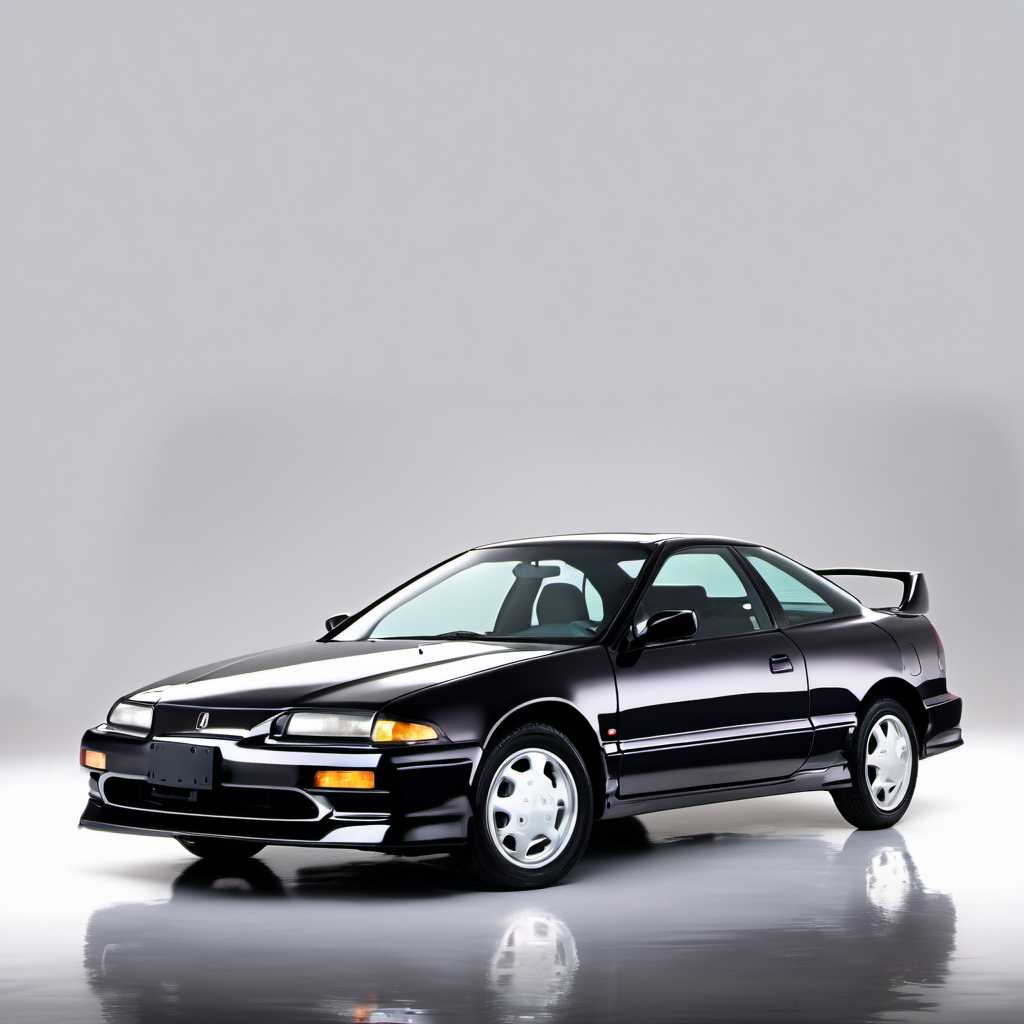
Same era, same segment — FWD compact sport-luxury with a rev-happy DOHC 4-cylinder. Parts more available today; larger enthusiast community.
The G20 was directly marketed against the E36 318i. Better brand cachet but significantly more expensive to maintain at this age.
No catalog match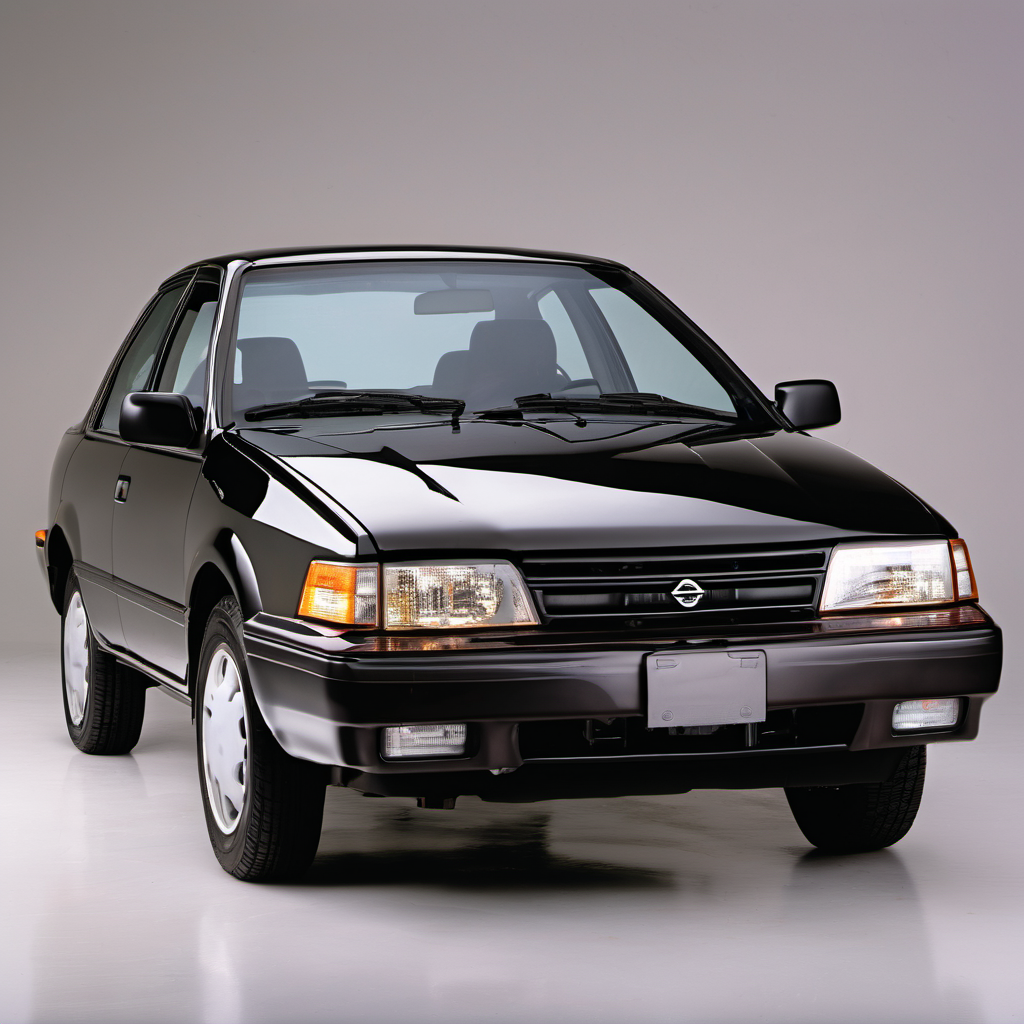
Shares the identical SR20DE engine in the same P10/B13 era. Less luxurious but parts are far more available and the enthusiast community is larger.
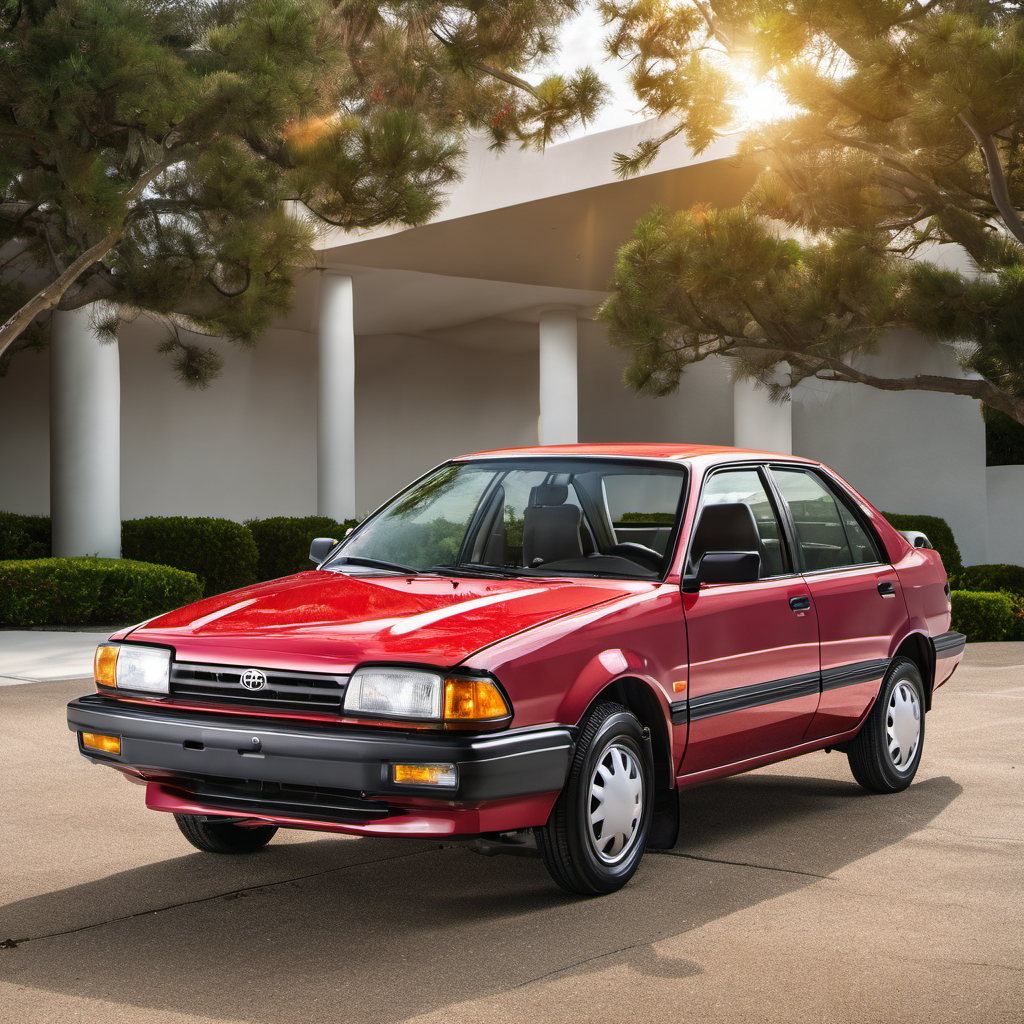
More mainstream and significantly better parts availability for a 30-year-old Japanese compact. Less sporty, but a stronger choice if daily reliability matters most.