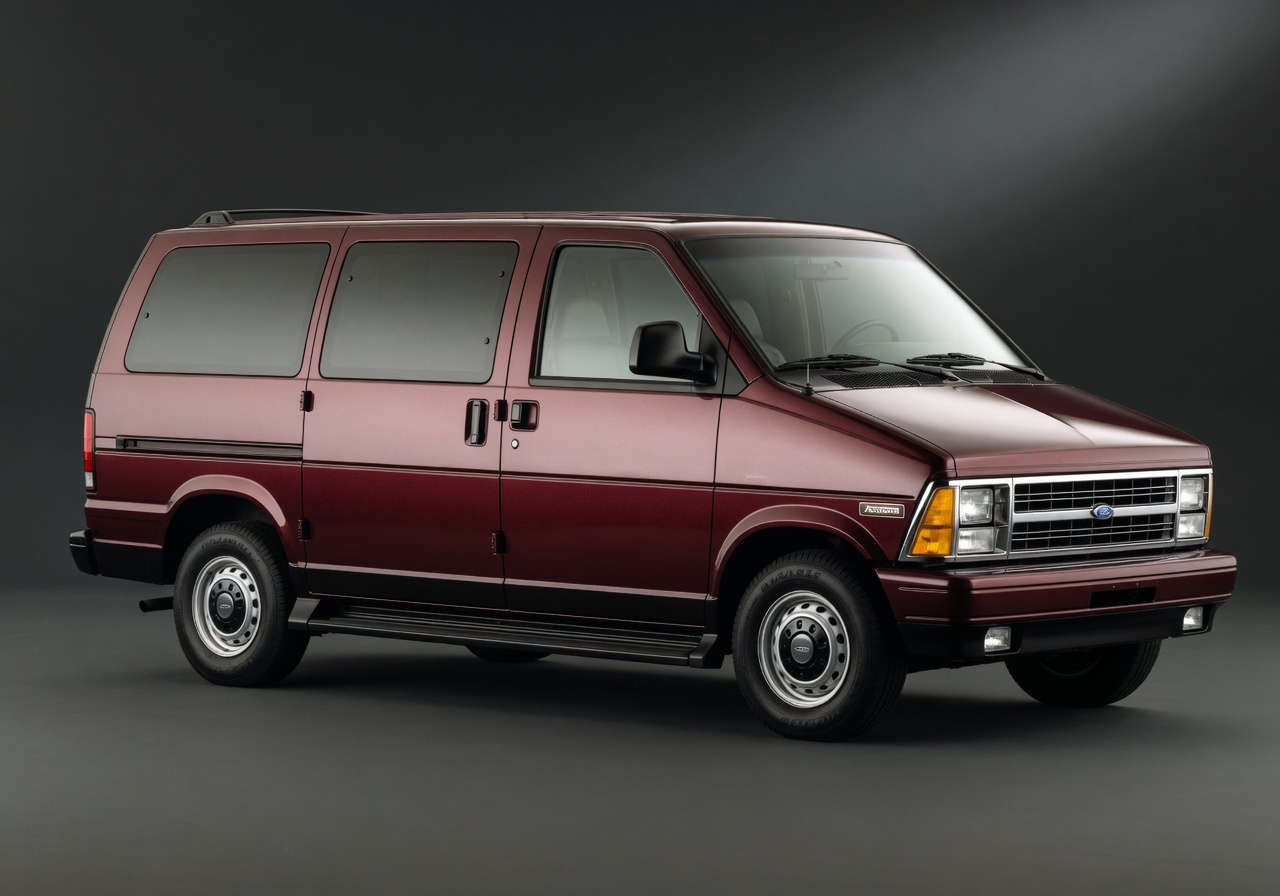
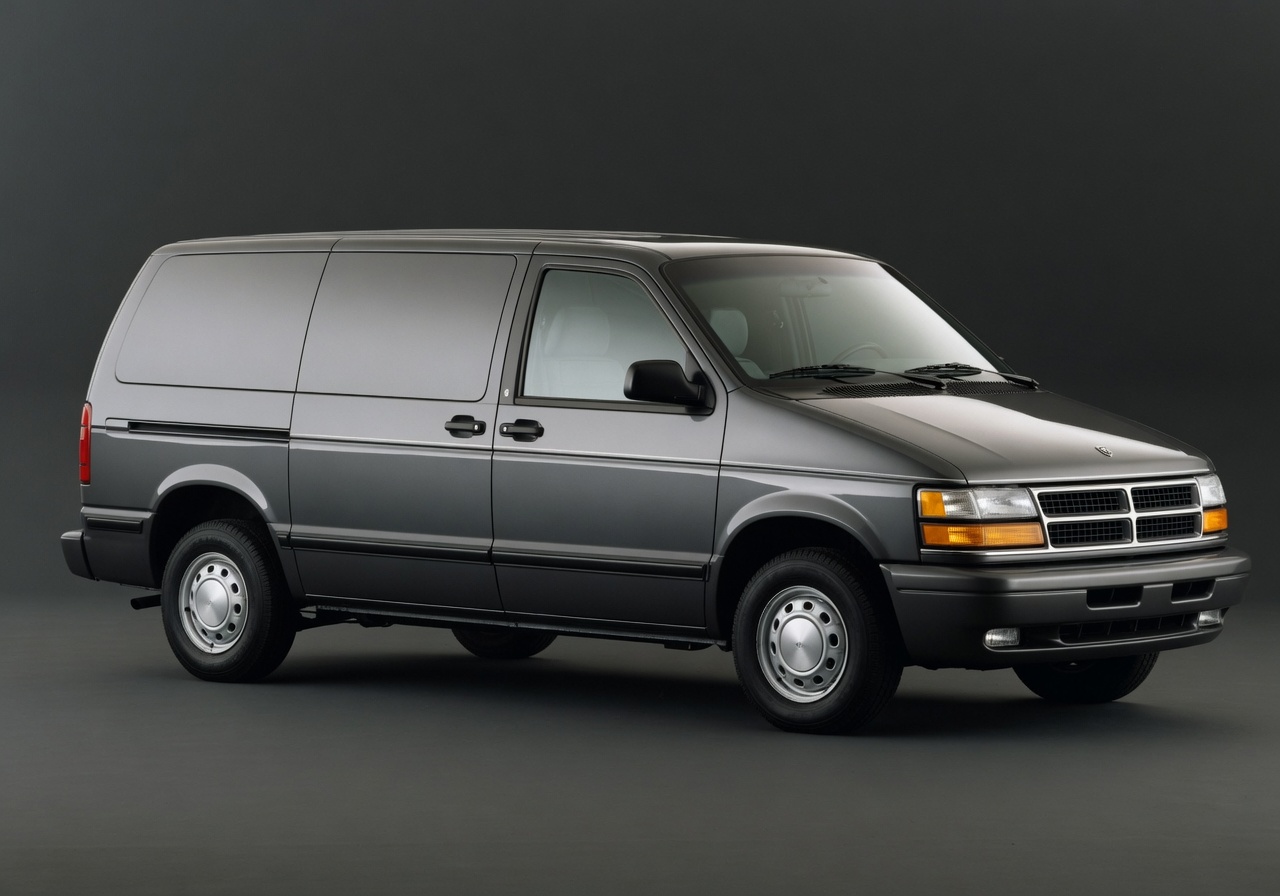
1993 Ford Aerostar Passenger Van/Minivan

1993 Ford

Aerostar PassengerVan/Minivan

3.0L V6 (Vulcan) · Van/Minivan

The 1993 Ford Aerostar is a rear-wheel-drive (or optional all-wheel-drive) minivan that Ford produced from 1986 through 1997. Unlike the front-wheel-drive Windstar that eventually replaced it, the Aerostar was built on a truck-based platform, giving it a more rugged, boxy character and genuine towing capability for a family hauler of its era. By 1993, the Aerostar was a mature, well-understood vehicle. It came standard with a 3.0L Vulcan V6 or the optional 4.0L OHV V6, a four-speed automatic, and seating for up to seven. The truck-like body-on-frame construction means it rides firmer than modern minivans but also means repairs tend to be straightforward and parts are generally affordable. At 30+ years old, any surviving Aerostar is a high-mileage, well-used vehicle. Rust — especially in Wisconsin — is the number-one threat to the body and frame. Mechanically the engines are tough, but age-related failures (fuel system, cooling system, rubber components) are expected and should be budgeted for.

Reliability
3/5
Verified data
Engine
3.0L V6 (Vulcan)
Drivetrain
RWD
Fuel
Gasoline
MPG
15 city / 21 hwy / 17 combined
Seats
7
Doors
4
Body
Minivan
MSRP
$16,800

Overview

AI-curated

The 1993 Ford Aerostar is a rear-wheel-drive (or optional all-wheel-drive) minivan that Ford produced from 1986 through 1997. Unlike the front-wheel-drive Windstar that eventually replaced it, the Aerostar was built on a truck-based platform, giving it a more rugged, boxy character and genuine towing capability for a family hauler of its era. By 1993, the Aerostar was a mature, well-understood vehicle. It came standard with a 3.0L Vulcan V6 or the optional 4.0L OHV V6, a four-speed automatic, and seating for up to seven. The truck-like body-on-frame construction means it rides firmer than modern minivans but also means repairs tend to be straightforward and parts are generally affordable. At 30+ years old, any surviving Aerostar is a high-mileage, well-used vehicle. Rust — especially in Wisconsin — is the number-one threat to the body and frame. Mechanically the engines are tough, but age-related failures (fuel system, cooling system, rubber components) are expected and should be budgeted for.

Known for
  • Truck-based RWD/AWD platform with genuine towing capacity (up to 5,500 lbs)
  • Durable 3.0L and 4.0L OHV V6 engines with long service lives
  • Boxy, utilitarian interior with flexible seating for up to 7
  • Lower ride quality than FWD minivans due to solid rear axle
  • One of the few minivans of the era offered with all-wheel drive
Best for
  • Budget-minded families needing basic people-hauling capacity
  • Light towing or hauling in a van body
  • Buyers comfortable with older vehicle DIY maintenance
  • Rural or mixed-surface driving where AWD adds value
Watch for
  • Severe underbody and rocker panel rust common in Midwest/salt-belt examples
  • Rear axle and differential wear on high-mileage units
  • Aging fuel system components — injectors, fuel pump, and lines
  • Cooling system neglect leading to intake manifold gasket and radiator failures
  • Dry-rotted or cracked rubber: motor mounts, bushings, door seals, and hoses after 30 years

Common issues by mileage

6 known

Underbody and Frame Rust

high
Typically appears
All mileages — age-driven
Estimated repair
$500 – $4,000

Fuel Pump Failure

high
Typically appears
80k–150k+ mi
Estimated repair
$300 – $550

Cooling System Failure (Radiator, Hoses, Thermostat, Water Pump)

high
Typically appears
80k–200k mi
Estimated repair
$200 – $900

Intake Manifold Gasket Leak (3.0L Vulcan)

medium
Typically appears
100k–180k mi
Estimated repair
$350 – $650

Rear Axle / Differential Wear or Seal Leaks

medium
Typically appears
100k–200k mi
Estimated repair
$150 – $700

Oxygen Sensor Failure (Aging Wiring / Sensor Element)

medium
Typically appears
80k–150k mi
Estimated repair
$120 – $300

Maintenance schedule

  1. 1
    Every 3,000–5,000 miles or annually Engine oil and filter change

    The 3.0L Vulcan is oil-sensitive. At this age, stick to a quality conventional or high-mileage oil and don't stretch intervals — valve train wear accelerates with old oil.

  2. 2
    Every 2 years or 30,000 miles Full cooling system flush and hose inspection

    30-year-old coolant chemistry is degraded regardless of appearance. Hoses and clamps are at high failure risk; replace proactively to avoid roadside overheating.

  3. 3
    Every 30,000 miles or every 2 years Fuel filter replacement

    Aged fuel systems accumulate debris. A fresh filter protects the fuel pump, which is costly to replace and hard to access on this van.

  4. 4
    Every 30,000 miles Rear differential fluid change

    RWD and AWD models have gear oil that breaks down over time. Neglected fluid leads to bearing and gear wear. On AWD units, also service the front differential and transfer case.

  5. 5
    Annually — before winter Full underbody inspection and rust treatment

    Wisconsin road salt is the Aerostar's biggest long-term enemy. Inspect frame rails, rocker panels, floor pans, and brake lines every fall. Apply rust inhibitor to bare metal.

  6. 6
    Every 60,000 miles or at sign of slipping Automatic transmission service (fluid + filter)

    The A4LD or 4R55E (4.0L) transmission is proven but sensitive to fluid condition. Fresh fluid dramatically extends service life on high-mileage units.

  7. 7
    Every 2 years Spark plugs, wires, distributor cap, and rotor

    On a 30-year-old vehicle, ignition components degrade with heat cycles even if mileage is low. Worn ignition causes misfires and poor fuel economy.

  8. 8
    Annually Inspect all rubber: motor mounts, suspension bushings, brake hoses, and door seals

    Original rubber is 30+ years old and will crack, collapse, or leak. Failed brake hoses are a safety issue; collapsed hoses can cause brake drag and overheating.

Always defer to the manufacturer's service manual for warranty-mandated intervals.

Cost of ownership

Annual maintenance
$800 – $2,500
Fuel
Expect 15–17 MPG in mixed driving. At current fuel prices, budget roughly $2,000–$2,600/year for typical 12,000-mile annual use.
Insurance
Liability-only insurance on a vehicle this age is typically $400–$800/year in Wisconsin. Comprehensive/collision coverage rarely makes financial sense given the vehicle's market value.

Parts availability for the Aerostar is decent — it shares components with Explorer and Ranger, so mechanical repairs are generally affordable at an independent shop. The real wildcard is rust remediation and body work, which can quickly exceed the van's $1,500–$4,000 market value. Budget conservatively and be prepared for age-related repairs each year.
Seasonal care

Lake Geneva, WI
Winter
  • Test and replace the battery before temperatures drop below 20°F — a 30-year-old electrical system with a weak battery will strand you. Use a battery rated 650+ CCA.
  • Flush and refill the cooling system with fresh 50/50 antifreeze rated to at least -34°F; old coolant loses freeze protection over time.
  • Switch to a full-synthetic or synthetic-blend 5W-30 oil if using conventional — cold starts are hard on the 3.0L with thick oil.
  • Fill the washer reservoir with -20°F or lower rated fluid; the stock reservoir is exposed and will freeze solid with summer-grade fluid.
  • Inspect brake lines and rubber brake hoses for salt corrosion and cracking before winter — they are 30 years old and a brake failure in icy conditions is catastrophic.
  • Rinse the undercarriage thoroughly after every heavy salt event; the Aerostar's frame and rocker panels are notorious rust points.
Summer
  • Check the A/C system for refrigerant leaks; this van uses R-12 (original) or may have been converted to R-134a — confirm which before servicing.
  • Inspect the radiator for external blockage (bugs, debris) and verify the electric cooling fan operates correctly to prevent heat-soak overheating in stop-and-go traffic.
  • Check tire pressure monthly — tires lose about 1 PSI for every 10°F rise in temperature and an already-worn tire at low pressure on hot pavement is a blowout risk.
  • Inspect the serpentine and accessory belts for cracking; heat accelerates rubber degradation on belts that are already aged.

Comparable vehicles

If you're shopping for one

Red flags
  • Any soft or perforated spots on the frame or floor — walk away, repair costs will exceed vehicle value
  • Rust streaks or bubbling paint along the lower doors, rockers, and rear wheel arches indicating advanced body rot
  • Oil or coolant leaks pooled under the engine — acceptable to diagnose and fix, but factor repair cost into offer
  • Transmission that slips, shudders, or delays going into gear — rebuild or replacement is $1,200–$2,500
  • Evidence of overheating history: white residue at coolant cap, warped plastic around the overflow tank, or a seller who 'just replaced the head gasket'
  • A/C system still on R-12 with no conversion — R-12 refrigerant is expensive and increasingly hard to source; factor in a retrofit
What to inspect
  • Frame rails and crossmembers for rust perforation — get the van on a lift and probe with a screwdriver; soft spots mean structural failure
  • Rocker panels and floor pans for rust-through, especially under the carpet at the rear seating area
  • Brake lines along the frame for external corrosion — original steel lines are 30+ years old
  • Engine oil fill cap for white mayonnaise (head gasket/coolant intrusion) and dipstick for proper oil level and color
  • All four corners of the cooling system: radiator condition, hose firmness, coolant color (should not be rusty or oily)
  • Transmission shift quality through all gears — harsh shifts, slipping, or delayed engagement on a high-mileage unit are costly to repair
  • AWD engagement (if equipped) — engage and disengage the system and listen for clunks or grinding from the transfer case
  • All rubber: door seals, motor mounts (engine should not rock excessively on rev), and visible suspension bushings
AI profile generated 1 hr ago · claude-sonnet-4-6 · v2.