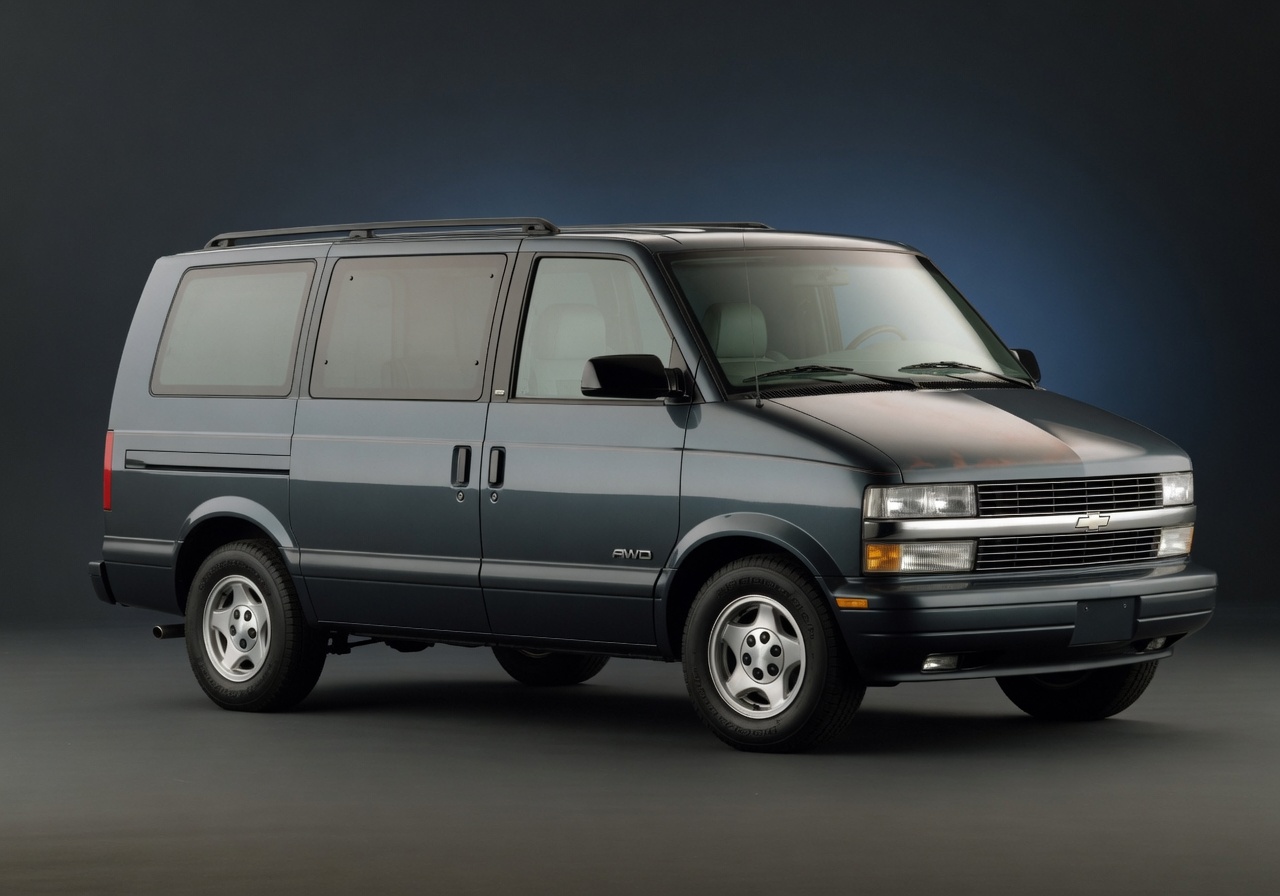
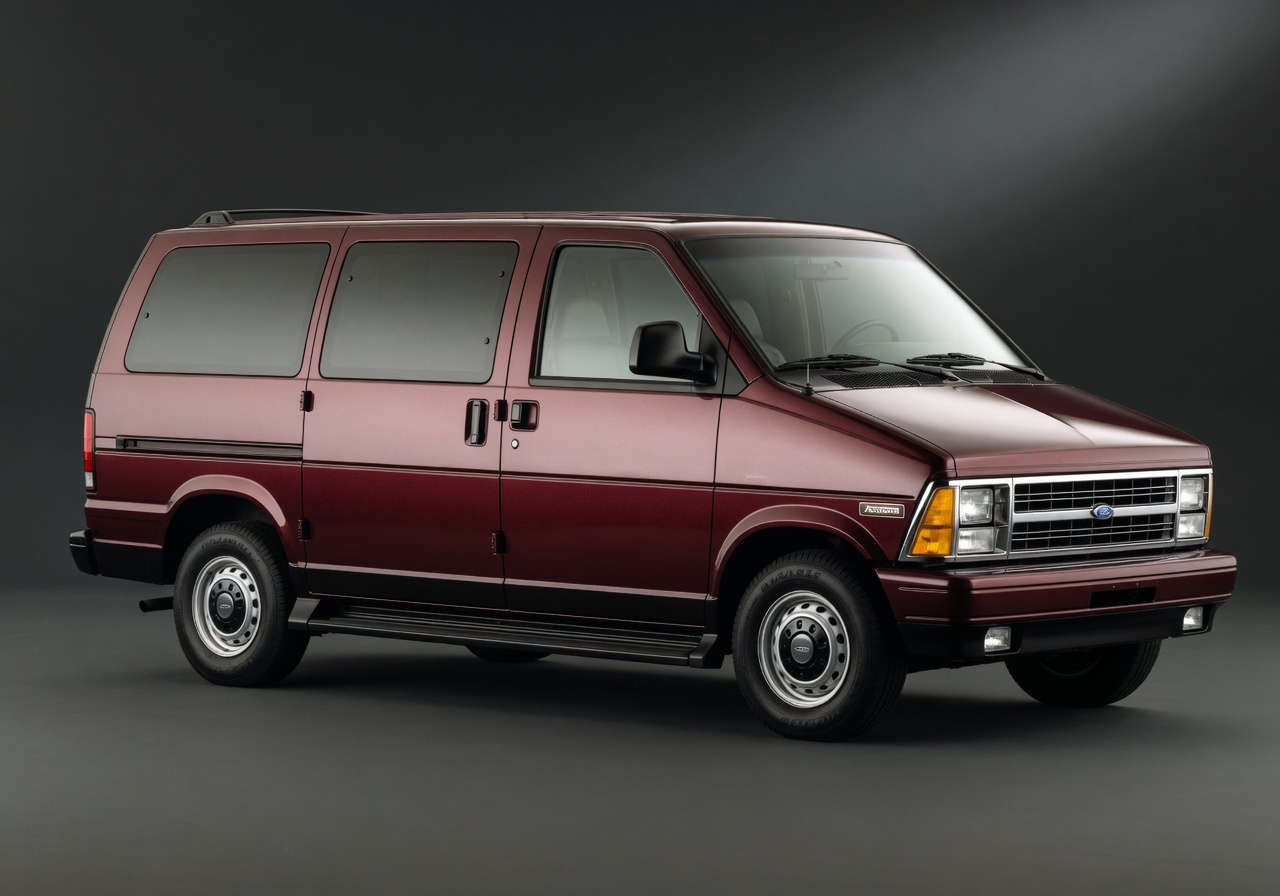
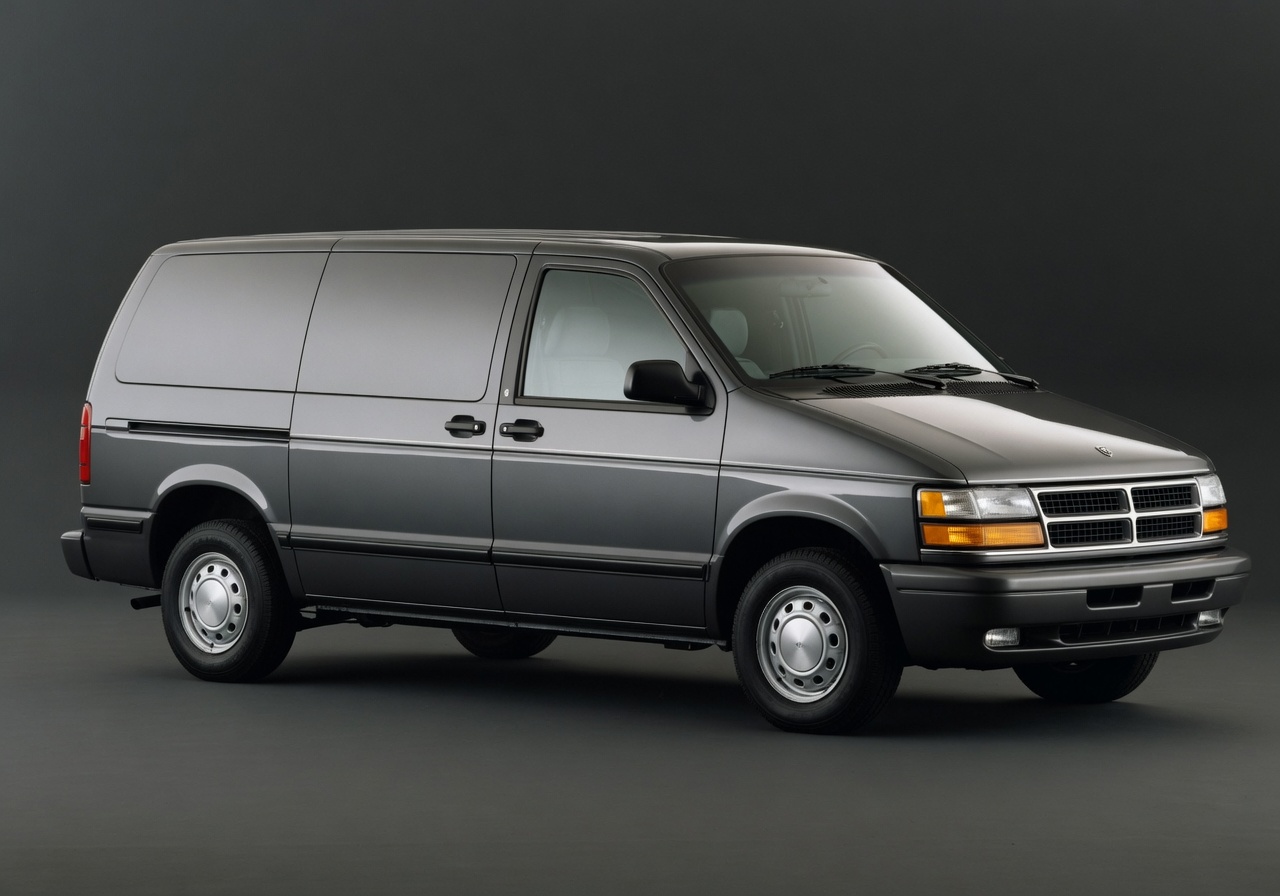
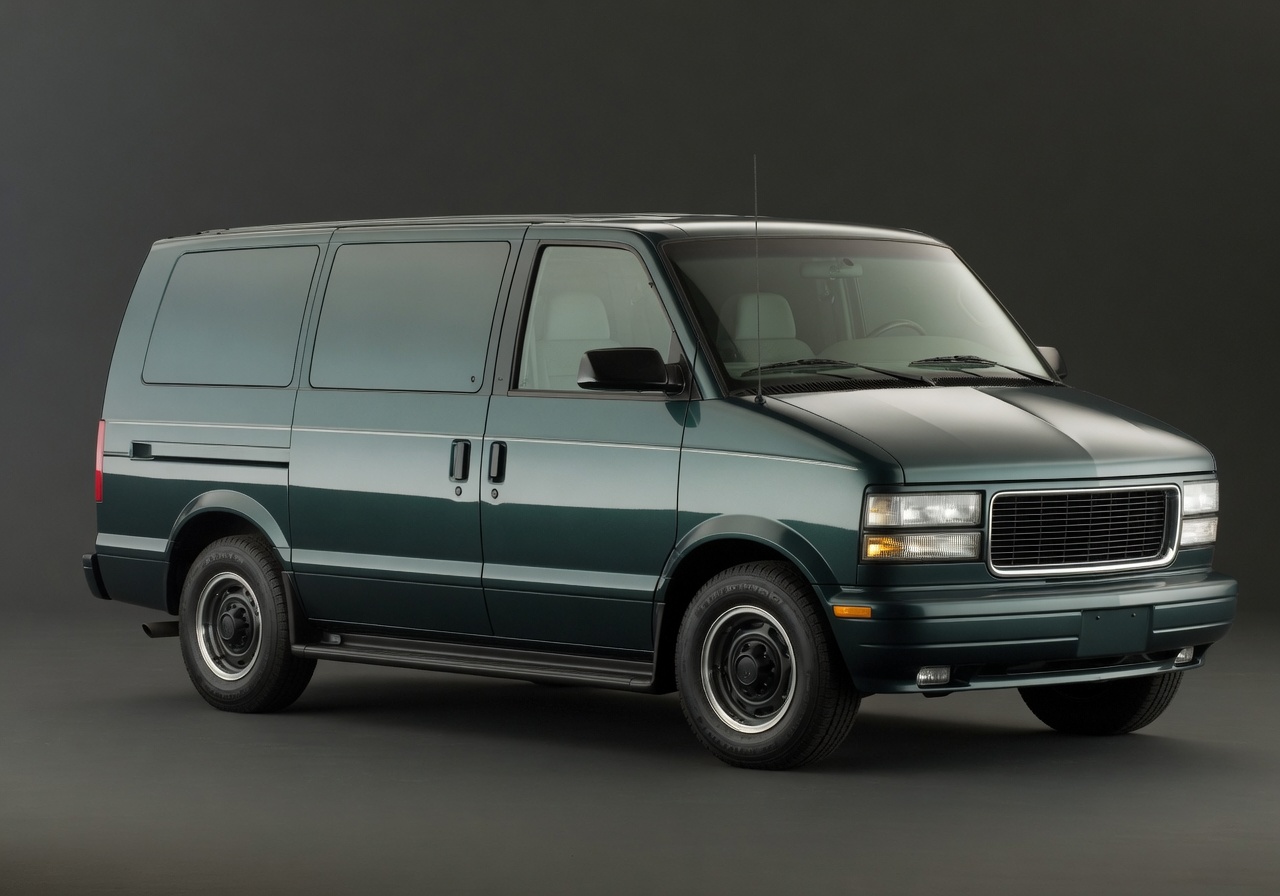
1993 Chevrolet Astro Passenger Van/Minivan

1993 Chevrolet

Astro PassengerVan/Minivan

Van/Minivan

The 1993 Chevrolet Astro is a rear-wheel-drive (or AWD) full-size van built on a truck-based body-on-frame platform — a design that sets it apart from the front-wheel-drive minivans of its era. Powered by GM's proven 4.3L Vortec V6, it was marketed as a family hauler and light commercial workhorse. Its truck DNA means it's more capable than a Caravan or Windstar but also heavier, thirstier, and less car-like to drive. By 1993, the Astro was in its second generation (1985–2005) and had earned a reputation for durability when maintained. The 4.3L V6 is essentially a small-block V8 with two cylinders lopped off, sharing many parts with GM's legendary V8 family — which makes parts cheap and mechanics familiar with the engine. AWD models added a part-time AWD system borrowed from truck platforms, giving decent traction in Wisconsin winters. At 30+ years old, any surviving Astro is a classic work van or nostalgia buy. Rust is the primary enemy on these — especially in the upper Midwest. Mechanically they can run forever if the body holds up, but finding one that hasn't been eaten by road salt is increasingly rare.

Reliability
3/5
Verified data
Specs shown for Astro AWD (passenger) — the most common configuration. Other trims may vary in engine, drivetrain, or fuel economy. Sign in to see your vehicle's exact specs.
Engine
[object Object]
Drivetrain
AWD
Fuel
Premium gasoline
MPG
14 city / 18 hwy / 15 combined
Seats
—
Doors
—
Body
Vans

Overview

AI-curated

The 1993 Chevrolet Astro is a rear-wheel-drive (or AWD) full-size van built on a truck-based body-on-frame platform — a design that sets it apart from the front-wheel-drive minivans of its era. Powered by GM's proven 4.3L Vortec V6, it was marketed as a family hauler and light commercial workhorse. Its truck DNA means it's more capable than a Caravan or Windstar but also heavier, thirstier, and less car-like to drive. By 1993, the Astro was in its second generation (1985–2005) and had earned a reputation for durability when maintained. The 4.3L V6 is essentially a small-block V8 with two cylinders lopped off, sharing many parts with GM's legendary V8 family — which makes parts cheap and mechanics familiar with the engine. AWD models added a part-time AWD system borrowed from truck platforms, giving decent traction in Wisconsin winters. At 30+ years old, any surviving Astro is a classic work van or nostalgia buy. Rust is the primary enemy on these — especially in the upper Midwest. Mechanically they can run forever if the body holds up, but finding one that hasn't been eaten by road salt is increasingly rare.

Known for
  • Truck-based body-on-frame construction — unusually durable for a minivan
  • GM 4.3L Vortec V6 — bulletproof engine with cheap, widely available parts
  • Available AWD for improved traction in snow and light off-road use
  • Higher tow rating than most minivans of the era (up to 5,500 lbs)
Best for
  • Buyers needing a capable, simple work or utility van on a tight budget
  • Rural and snow-belt drivers who want AWD in a van body
  • DIY mechanics comfortable with older GM truck-platform vehicles
  • Light towing and hauling duties
Watch for
  • Severe underbody and rocker panel rust — the #1 killer of Midwest Astros
  • Fuel pump failures (in-tank, costly to access on aging examples)
  • Leaking intake manifold gaskets — common on the 4.3L V6
  • AWD front axle and transfer case wear on neglected examples
  • Aging rubber: hoses, brake lines, and fuel lines are 30+ years old

Common issues by mileage

6 known

Intake manifold gasket leak (coolant and/or oil)

high
Typically appears
80–150k mi
Estimated repair
$350 – $650

In-tank fuel pump failure

high
Typically appears
100–180k mi
Estimated repair
$300 – $550

CPI (Central Port Injection) spider injector failure — hard start, rough idle, fuel smell

high
Typically appears
80–160k mi
Estimated repair
$400 – $750

Underbody rust — frame rails, rockers, floor pans, brake lines

high
Typically appears
Any mileage on Midwest/salt-belt vehicles
Estimated repair
$500 – $4,000

AWD front axle actuator and transfer case seal leaks

medium
Typically appears
100–200k mi
Estimated repair
$250 – $800

Oxygen sensor failure — rough running, poor fuel economy, check engine light

medium
Typically appears
80–150k mi
Estimated repair
$150 – $300

Maintenance schedule

  1. 1
    Every 3,000–5,000 miles (use conventional 10W-30) Engine oil and filter change

    The 4.3L runs well on conventional oil. On a 30-year-old engine, shorter intervals let you catch developing leaks or coolant contamination early.

  2. 2
    Every 2 years or 30,000 miles Coolant flush and inspect hoses/thermostat

    Intake manifold gasket failures often push coolant into the oil on this engine. Fresh coolant and a pressure test can catch problems before they cause serious damage.

  3. 3
    Inspect annually; replace as needed Inspect and replace fuel lines and brake lines

    At 30+ years old, steel fuel and brake lines on any Wisconsin-driven vehicle are at high risk of rust perforation. A leaking fuel line is a fire hazard; a failing brake line is an immediate safety emergency.

  4. 4
    Every 30,000 miles Spark plugs and distributor cap/rotor replacement

    The 4.3L uses a conventional distributor ignition. Old plugs and a worn cap cause misfires and hard cold starts — a real problem in Lake Geneva winters.

  5. 5
    Every 30,000 miles or 3 years Transfer case and front differential fluid change (AWD models)

    AWD components are frequently neglected on older vans. Fresh fluid prevents accelerated wear in the transfer case and front axle.

  6. 6
    Every 50,000 miles or when hard-start symptoms appear Inspect CPI fuel injector spider assembly for leaks

    The plastic poppet-style injectors on the 1993 4.3L are notorious for cracking and leaking fuel into the intake, creating a fire risk and rich-running condition.

  7. 7
    Every fall before winter season Battery load test and terminal cleaning

    Cold cranking a 4.3L V6 at sub-zero temps demands a strong battery. A marginal battery that passes a summer test can fail at 10°F. Clean terminals also prevent hard-start gremlins.

  8. 8
    Annually, ideally after winter Underbody rust inspection and treatment

    Salt accumulates in the rocker panels, frame rails, and floor seams. Catching surface rust early and treating it is far cheaper than structural repairs or brake line replacement on a rusted-out van.

Always defer to the manufacturer's service manual for warranty-mandated intervals.

Cost of ownership

Annual maintenance
$600 – $2,000
Fuel
At 15 MPG combined and ~12,000 miles/year, expect roughly $1,800–$2,200/year at current Wisconsin pump prices. Premium is listed in EPA data but regular 87 octane was commonly used by owners without issue — confirm with your mechanic before switching.
Insurance
Generally low — older vehicle with no loan, modest stated value. Expect $600–$1,200/year for full coverage depending on driver history and usage.

A 1993 Astro can be cheap to own if it's rust-free and mechanically sound — parts are inexpensive and any GM truck mechanic knows this engine. The risk is surprise costs: brake line replacement, floor pan repair, or a CPI injector job can each run $500–$2,000+. Budget for deferred maintenance on any example this age. Running costs are otherwise predictable and low.
Seasonal care

Lake Geneva, WI
Winter
  • Load-test the battery every October — sub-zero starts are brutal on a marginal 4.3L V6 crank cycle
  • Switch to a lighter winter washer fluid rated to -20°F or lower; the reservoir and lines can freeze in a Wisconsin cold snap
  • Inspect and lubricate the sliding side door tracks and latches — salt and cold cause them to stick or freeze shut
  • Check AWD actuator function before the first snowfall — neglected AWD systems often fail to engage after sitting all summer
  • Flush brake lines and inspect for rust perforation before winter; salt accelerates failures on already-aging steel lines
  • Apply undercoating or rust inhibitor spray to exposed frame and rocker areas after a thorough wash to reduce further salt damage
Summer
  • Inspect the A/C system for refrigerant leaks — the R-12 system on a 1993 model requires retrofit to R-134a if not already converted; do not add refrigerant without confirming which system is present
  • Check coolant level and condition frequently; the 4.3L runs warmer in stop-and-go summer traffic and a leaking intake gasket can cause sudden overheating
  • Monitor tire pressure monthly — heat causes pressure to rise, and older tires on a 4,000-lb van are a blowout risk if overinflated
  • Inspect the serpentine belt and tensioner for cracking — heat accelerates rubber degradation on a 30-year-old engine bay

Comparable vehicles

If you're shopping for one

Red flags
  • Any visible rust holes in the floor, rockers, or frame — walk away unless you have a body shop budget
  • Milky or caramel-colored oil — coolant in the oil means the engine needs immediate work before driving
  • Strong fuel smell at idle — a leaking CPI injector spider is a fire hazard
  • Brake pedal that feels soft or spongy — on a 30-year-old van, assume the brake lines need full inspection before purchase
  • A/C that blows warm with no explanation — could mean the R-12 system was abandoned rather than converted, adding retrofit cost to the purchase
  • No service records and high mileage — on a vehicle this age, unknown maintenance history is a significant financial risk
What to inspect
  • Crawl under the van and inspect every inch of the frame rails, rocker panels, and floor pans for rust perforation — this is the make-or-break inspection on any Midwest Astro
  • Pull the oil dipstick and look for milky, frothy oil — a sign of coolant intrusion from a leaking intake manifold gasket
  • Start the engine cold and watch for a long crank time or fuel smell — classic CPI spider injector leak symptoms
  • Test the AWD engagement (if equipped) in a safe area — it should engage and disengage cleanly without grinding or hesitation
  • Inspect all visible rubber hoses, brake lines, and fuel lines for cracking, swelling, or corrosion
  • Check the distributor cap and plug wires for cracking or carbon tracking — these cause misfires and hard starts
AI profile generated 1 day ago · claude-sonnet-4-6 · v2.