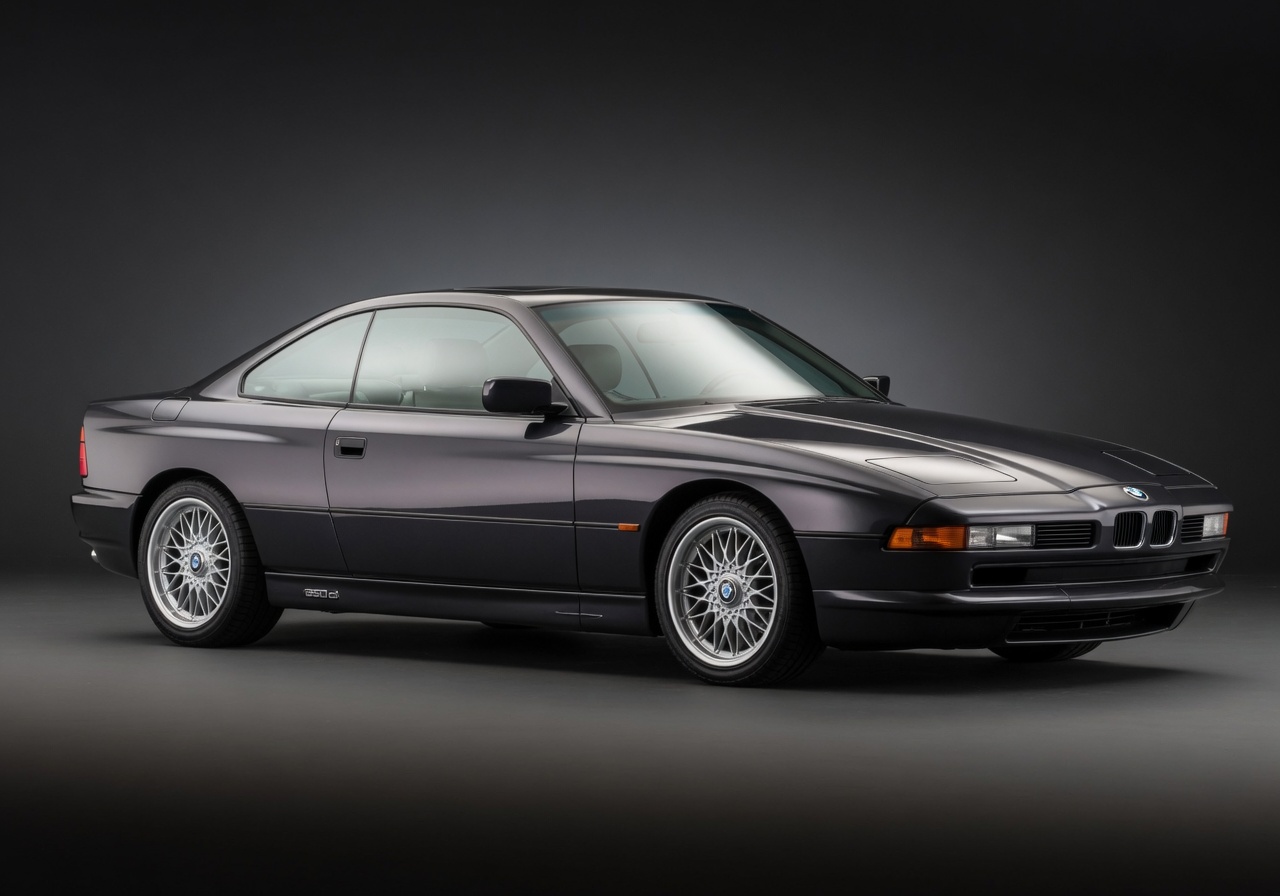
1993 BMW 8 Series Coupe

1993 BMW

8 SeriesCoupe

Coupe

The 1993 BMW 850Ci is a grand touring coupe built around BMW's silky 5.0L M70 V12 engine. Introduced in 1990 and produced through 1999, the E31-generation 8 Series was BMW's flagship at the time — a low-slung, technologically ambitious car loaded with then-cutting-edge features like fly-by-wire throttle, an early electronic drive-by-wire system, and active limited-slip differentials. It was never a sports car in the raw sense; it was a continent-eating GT with a velvet hammer for an engine. Ownership today is a niche enthusiast proposition. Parts availability has narrowed considerably, and the complexity of the M70 V12 means that routine jobs — spark plugs, cooling system, etc. — require significant disassembly. The car rewards meticulous maintenance and punishes neglect hard. Budget is not optional; it's the entry ticket. In Wisconsin, this car is a fair-weather cruiser, full stop. Road salt is its enemy, sub-zero starts stress the V12's cooling and oil systems, and winter driving on RWD with a 30-year-old suspension is genuinely inadvisable. Keep it garaged, keep it dry, and it will remain one of the most distinctive machines on any road.

Reliability
2/5
Verified data
Specs shown for 850ci — the most common configuration. Other trims may vary in engine, drivetrain, or fuel economy. Sign in to see your vehicle's exact specs.
Engine
[object Object]
Drivetrain
RWD
Fuel
Gasoline
MPG
11 city / 17 hwy / 13 combined
Seats
Doors
Body
Subcompact Cars

Overview

AI-curated

The 1993 BMW 850Ci is a grand touring coupe built around BMW's silky 5.0L M70 V12 engine. Introduced in 1990 and produced through 1999, the E31-generation 8 Series was BMW's flagship at the time — a low-slung, technologically ambitious car loaded with then-cutting-edge features like fly-by-wire throttle, an early electronic drive-by-wire system, and active limited-slip differentials. It was never a sports car in the raw sense; it was a continent-eating GT with a velvet hammer for an engine. Ownership today is a niche enthusiast proposition. Parts availability has narrowed considerably, and the complexity of the M70 V12 means that routine jobs — spark plugs, cooling system, etc. — require significant disassembly. The car rewards meticulous maintenance and punishes neglect hard. Budget is not optional; it's the entry ticket. In Wisconsin, this car is a fair-weather cruiser, full stop. Road salt is its enemy, sub-zero starts stress the V12's cooling and oil systems, and winter driving on RWD with a 30-year-old suspension is genuinely inadvisable. Keep it garaged, keep it dry, and it will remain one of the most distinctive machines on any road.

Known for
  • 5.0L M70 V12 engine — smooth, powerful, and complex
  • Flagship GT coupe status in the early 1990s BMW lineup
  • Fly-by-wire throttle and advanced (for its era) electronics
  • Low, wedge-shaped body with flush door handles and hidden B-pillar
Best for
  • Enthusiast collectors with a dedicated maintenance budget
  • Fair-weather grand touring on open highways
  • Drivers who want a rare, conversation-starting classic BMW
Watch for
  • V12 cooling system failures — overheating can be catastrophic and expensive
  • Aging wiring harnesses and brittle insulation throughout the car
  • Nikasil cylinder bore corrosion on early M70 engines (sulfur-sensitive)
  • Electronic control modules that are obsolete and difficult to source
  • Deferred maintenance — this car does not tolerate it

Common issues by mileage

6 known

Cooling system failure (water pump, thermostat, hoses)

high
Typically appears
60–150k mi
Estimated repair
$1,200 – $3,500

Wiring harness insulation cracking and short circuits

high
Typically appears
Any mileage on 30+ year old cars
Estimated repair
$800 – $4,000

Nikasil cylinder bore corrosion (early M70, high-sulfur fuel damage)

medium
Typically appears
50–120k mi
Estimated repair
$8,000 – $20,000

Camshaft position sensor / VCT timing faults

medium
Typically appears
80–150k mi
Estimated repair
$400 – $1,800

Oxygen sensor heater circuit failure (aging O2 sensors)

medium
Typically appears
60–120k mi
Estimated repair
$300 – $900

Maintenance schedule

  1. 1
    Every 4 years or 60k mi — whichever comes first; immediately on any used purchase Full cooling system service (water pump, thermostat, all hoses, expansion tank)

    The M70 V12 runs a high coolant volume through aging rubber hoses. A single failed component can cause catastrophic overheating. On a car this age, treat the entire system as a unit.

  2. 2
    Every 30k mi Spark plug replacement (all 12)

    Access requires significant intake manifold disassembly on the V12 — budget 6–10 hours of shop time. Skipping intervals causes misfires and potential catalytic damage.

  3. 3
    Every 5,000 mi or annually if low-mileage driven Engine oil and filter change (use correct viscosity per BMW spec)

    V12 oil passages are narrow. Sludge from extended intervals accelerates cam and lifter wear disproportionately.

  4. 4
    Every 2 years — visual inspection at minimum Inspect and treat/replace wiring harness sections

    30-year-old BMW wiring insulation becomes brittle and cracks, causing intermittent faults and potential fire risk. Any signs of crumbling insulation warrant immediate repair.

  5. 5
    Every 50k mi or 5 years Differential and gearbox fluid change

    These units don't have drain intervals listed in early manuals but the fluid degrades. Fresh fluid preserves the rear diff, especially given Wisconsin temperature swings.

  6. 6
    Every 2 years regardless of mileage Brake fluid flush

    BMW brake fluid absorbs moisture over time, lowering boiling point. On a heavy RWD GT with an aging ABS module, reliable braking depends on clean fluid.

  7. 7
    Every 30k mi or on any hesitation symptom Fuel system inspection (injectors, fuel lines, fuel filter)

    The M70 uses 12 injectors across two banks — aged fuel lines and a clogged filter stress the pump and cause uneven running on one bank.

  8. 8
    Every fall before winter storage Battery and charging system test

    Electronics-heavy cars like this drain batteries during storage. A weak battery in sub-zero temperatures will leave this car stranded — or worse, corrupt control modules during a low-voltage start.

Always defer to the manufacturer's service manual for warranty-mandated intervals.

Cost of ownership

Annual maintenance
$2,000 – $8,000
Fuel
At 13 MPG combined and Wisconsin driving, expect $3,000–$5,000/year in fuel at current prices for moderate use. Premium unleaded required.
Insurance
Collector/agreed-value insurance is strongly recommended and typically runs $800–$2,000/year depending on stated value and usage restrictions. Daily-driver comprehensive coverage will be substantially higher.

This is not a cheap car to own. In a good year with no major repairs, you're looking at $2,000–$4,000 in routine maintenance alone. Any cooling, electrical, or engine work can push annual costs to $8,000–$15,000 or beyond. Budget for at least one significant repair per year, maintain a relationship with a shop that actually knows E31 BMWs, and keep a parts-sourcing strategy in place. Treating this as a weekend driver and storing it properly in winter dramatically reduces the risk of large surprise bills.

Seasonal care

Lake Geneva, WI
Winter
  • Do not drive this car on salted Wisconsin roads — road salt will accelerate corrosion on the body, undercarriage, and brake components. Store it.
  • Before storage, perform a full fluid check (oil, coolant, brake fluid) and top off the fuel tank with a fuel stabilizer to prevent varnish buildup.
  • Connect a quality battery maintainer/tender throughout storage — the car's electronics draw parasitic current and cold kills already-marginal batteries.
  • Store in a climate-controlled or at minimum dry, unheated garage. Temperature fluctuation causes condensation in fuel and oil systems.
  • If the car must be started in winter, allow a full warm-up idle before any load — the M70 V12 needs oil pressure fully established before revving in sub-zero temps.
Summer
  • Monitor coolant temperature closely during summer driving, especially in stop-and-go traffic — the aging cooling system is most vulnerable under sustained heat load.
  • Check tire pressure monthly; heat causes pressure to rise and these low-profile tires can be unforgiving when overinflated.
  • Inspect the A/C system each spring before use — R134a conversion may be needed if the system is still on original R12 refrigerant, and seals dry out over winter storage.
  • After any long highway run, check under the hood for oil seeps or coolant residue — heat cycles accelerate aging gaskets and hose connections.
  • Park in shade when possible to protect the dashboard, leather, and plastic trim from UV degradation on a car where interior parts are hard to replace.

Comparable vehicles

1993 Mercedes-Benz
SL600

V12-powered German grand touring flagship from the same era, similar cost-to-own profile, comparable electronics complexity and parts scarcity

No catalog match
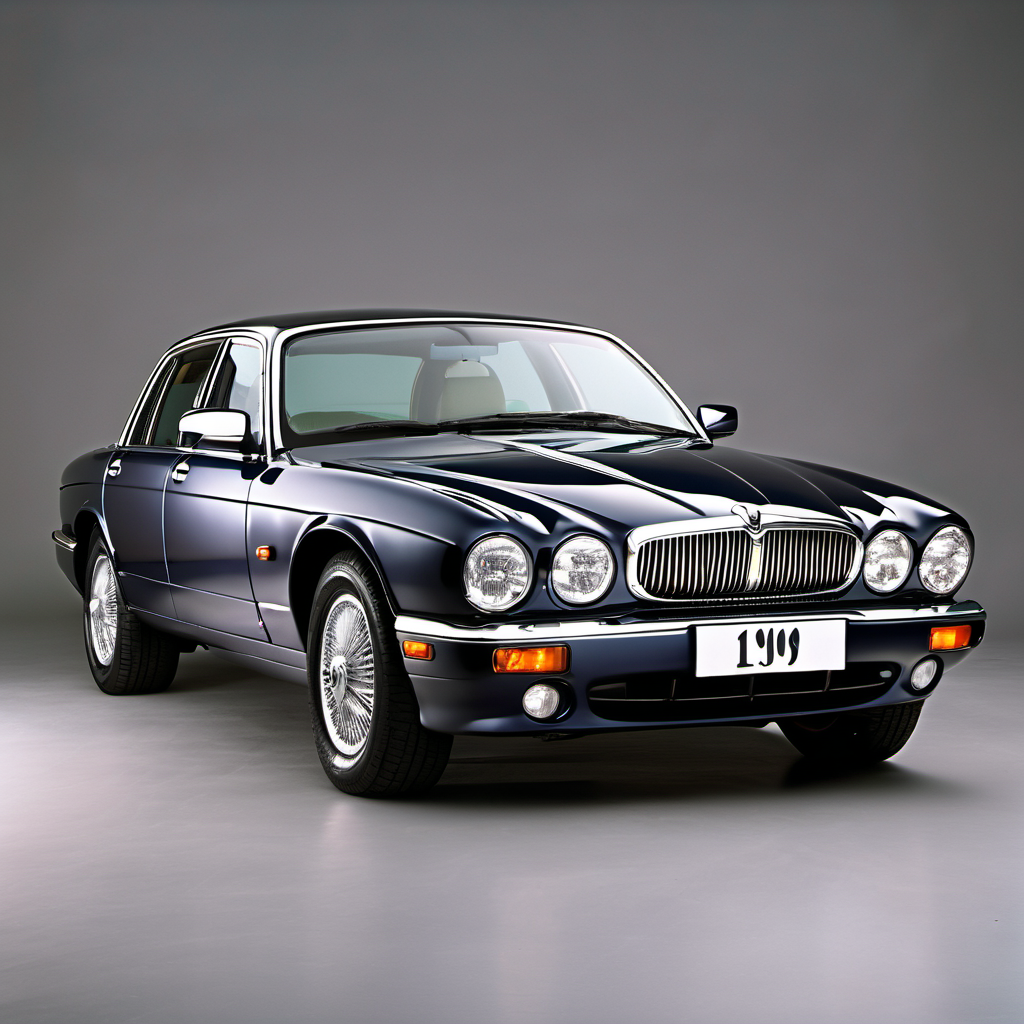
1993 Jaguar XJS
1993 Jaguar
XJS

V12 GT coupe in the same price band, similar grand touring mission, equally demanding maintenance — though parts are somewhat more accessible

1994 Ferrari
456 GT

Direct segment rival as a V12 front-engined GT coupe of the same period; higher prestige but even steeper ownership costs

No catalog match
1993 Aston Martin
Virage

Hand-built British V8 GT coupe from the same era and price range; similar collector appeal, similar maintenance challenge

No catalog match

If you're shopping for one

Red flags
  • No service records at all — on a car this complex, that means deferred maintenance is almost certain
  • Any evidence of overheating history (stained coolant reservoir, warped hood paint near vents, white residue on oil cap)
  • Cracked dashboard or severely degraded interior plastics — replacements are nearly impossible to source
  • Multiple stored fault codes or warning lights on at time of inspection
  • Rust on the frame rails, floor pans, or rear subframe — structural corrosion is a death sentence for a car with no parts support
  • Price that seems too good — a well-maintained E31 850Ci has real value; a cheap one is cheap for a reason
What to inspect
  • Pull the coolant expansion tank and inspect for brown sludge or oily residue — both signal head gasket or cooling neglect on the V12
  • Inspect the wiring harness visible in the engine bay for cracked, crumbling, or tape-repaired insulation — any of this is a major project
  • Check for Nikasil bore damage: ask for a compression test across all 12 cylinders; any cylinder significantly below spec (under ~140 psi) is a red flag
  • Test every electronic function — windows, mirrors, locks, fly-by-wire throttle response, instrument cluster. Non-functioning modules are expensive to source
  • Inspect the undercarriage, sill sections, and wheel arches for rust or prior salt damage — a Wisconsin or northern car needs extra scrutiny here
  • Verify the A/C has been converted to R134a if it hasn't been — original R12 systems are expensive to service and recharge legally
  • Ask for service records; a car without documented cooling system and spark plug history in the last 4 years should have those jobs priced into the offer
AI profile generated 4 days ago · claude-sonnet-4-6 · v2.