Coolant System Failures (Hoses, Thermostat, Water Pump)
high- Typically appears
- Any mileage on 30-year-old components
- Estimated repair
- $250 – $900
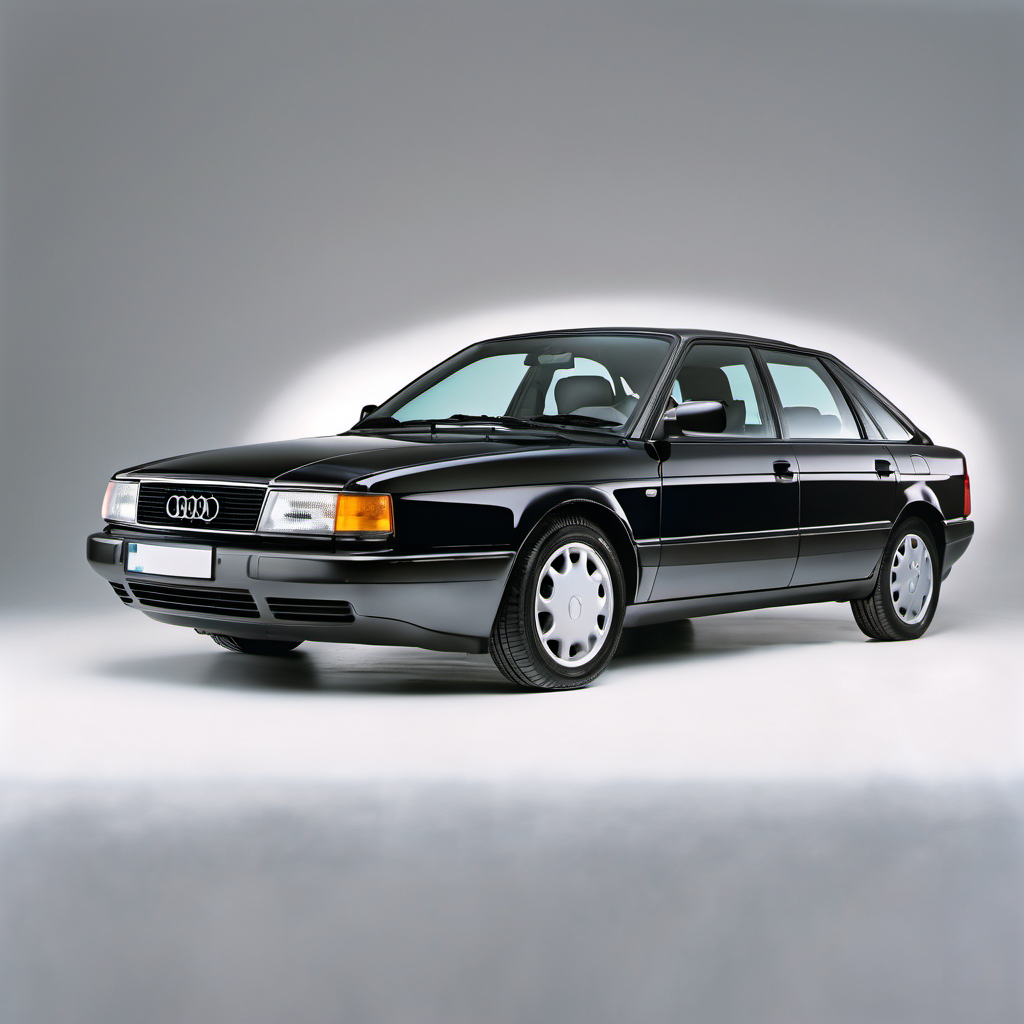
1993 Audi
2.8L V6 (AAH) · Sedan
The 1993 Audi 90 is a compact executive sedan that occupied the middle tier of Audi's lineup between the 80 and the larger 100. Sold in the U.S. in both front-wheel-drive and Quattro all-wheel-drive configurations, it earned a reputation as a refined, driver-focused alternative to BMW's 3 Series and Mercedes 190E. The base model carried a 2.8L V6 — the same basic block used across the VAG family — while the sport-oriented CS variant pushed that engine to its full potential. By 1993, the Audi 90 was in the final stretch of its B3/B4 generation before Audi consolidated its lineup under the A4/A6 naming convention. These cars were built with solid German-market quality standards and feel substantial on the road, but they are now 30+ years old and parts availability can be a genuine challenge. Expect to source some items through specialty VAG suppliers rather than your local parts counter. For a buyer in the Lake Geneva area, the Quattro variant is a strong draw for Wisconsin winters, but rust is a serious concern on any survivor of this era. Thorough inspection of the floor pans, subframe mounting points, and wheel wells is non-negotiable before purchase.
The 1993 Audi 90 is a compact executive sedan that occupied the middle tier of Audi's lineup between the 80 and the larger 100. Sold in the U.S. in both front-wheel-drive and Quattro all-wheel-drive configurations, it earned a reputation as a refined, driver-focused alternative to BMW's 3 Series and Mercedes 190E. The base model carried a 2.8L V6 — the same basic block used across the VAG family — while the sport-oriented CS variant pushed that engine to its full potential. By 1993, the Audi 90 was in the final stretch of its B3/B4 generation before Audi consolidated its lineup under the A4/A6 naming convention. These cars were built with solid German-market quality standards and feel substantial on the road, but they are now 30+ years old and parts availability can be a genuine challenge. Expect to source some items through specialty VAG suppliers rather than your local parts counter. For a buyer in the Lake Geneva area, the Quattro variant is a strong draw for Wisconsin winters, but rust is a serious concern on any survivor of this era. Thorough inspection of the floor pans, subframe mounting points, and wheel wells is non-negotiable before purchase.
This is an interference engine — a snapped belt means bent valves and major engine damage. On a car this age, replace it regardless of mileage if you can't confirm it's been done.
Original hoses, the thermostat housing, and the water pump are all 30+ years old. A cooling system failure on a Wisconsin winter drive is dangerous and expensive. Replace hoses proactively.
The 2.8L V6 calls for a quality synthetic meeting VW/Audi specs. Dirty oil accelerates wear in the hydraulic lifters and cam followers, which are expensive to address.
Audi recommends this on a time basis. Old brake fluid absorbs moisture and lowers boiling point — a real concern on hilly Wisconsin roads in summer and when braking on slick surfaces in winter.
Brittle 30-year-old vacuum lines cause idle surges, rough running, and false sensor readings. A full vacuum line refresh is cheap insurance and can clear up multiple symptoms at once.
The Torsen center diff and rear diff run on specific gear oil. Neglected fluid leads to premature wear and expensive differential rebuilds — especially hard to find parts for at this age.
Original rubber bushings are 30 years old and likely cracked or collapsed. Worn bushings cause vague handling and uneven tire wear — important for safe winter driving.
Older electrical systems are sensitive to marginal batteries. A weak battery that starts fine in October will often fail at -10°F in January. Load-test and replace proactively.
Always defer to the manufacturer's service manual for warranty-mandated intervals.
The 1993 Audi 90 is inexpensive to acquire but can be surprisingly costly to maintain correctly. Repair bills are driven more by parts sourcing difficulty and labor intensity than by parts cost alone. Budget on the higher end of the maintenance range if the car has a spotty or unknown service history, or if rust remediation is needed. A well-maintained example with documented history will sit at the lower end. This is not a car to run on deferred maintenance.
Direct competitor in the compact executive sedan segment; similar price point when new, RWD vs. Quattro AWD is the main tradeoff, similar parts-sourcing challenges today.
No catalog match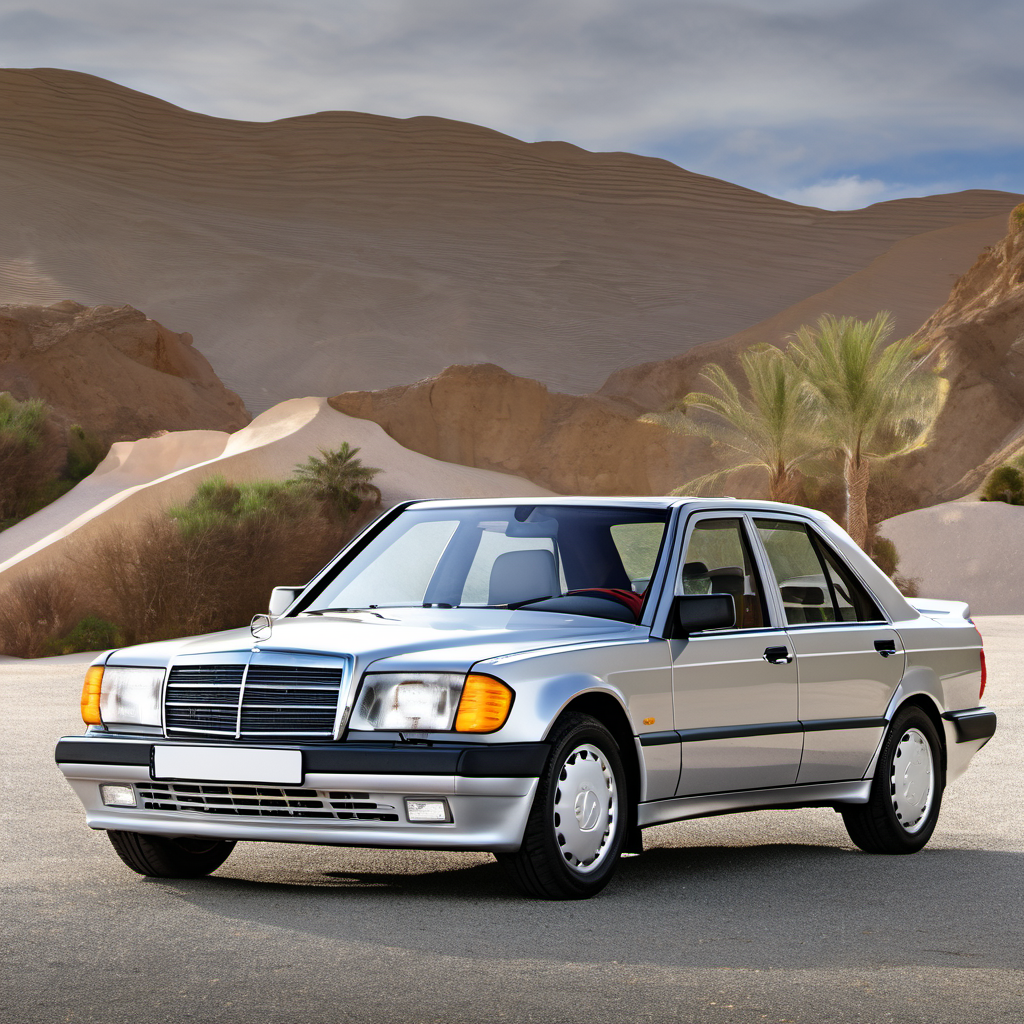
Same era, same buyer demographic, slightly more conservative driving character but arguably better long-term parts availability and a stronger reputation for longevity.
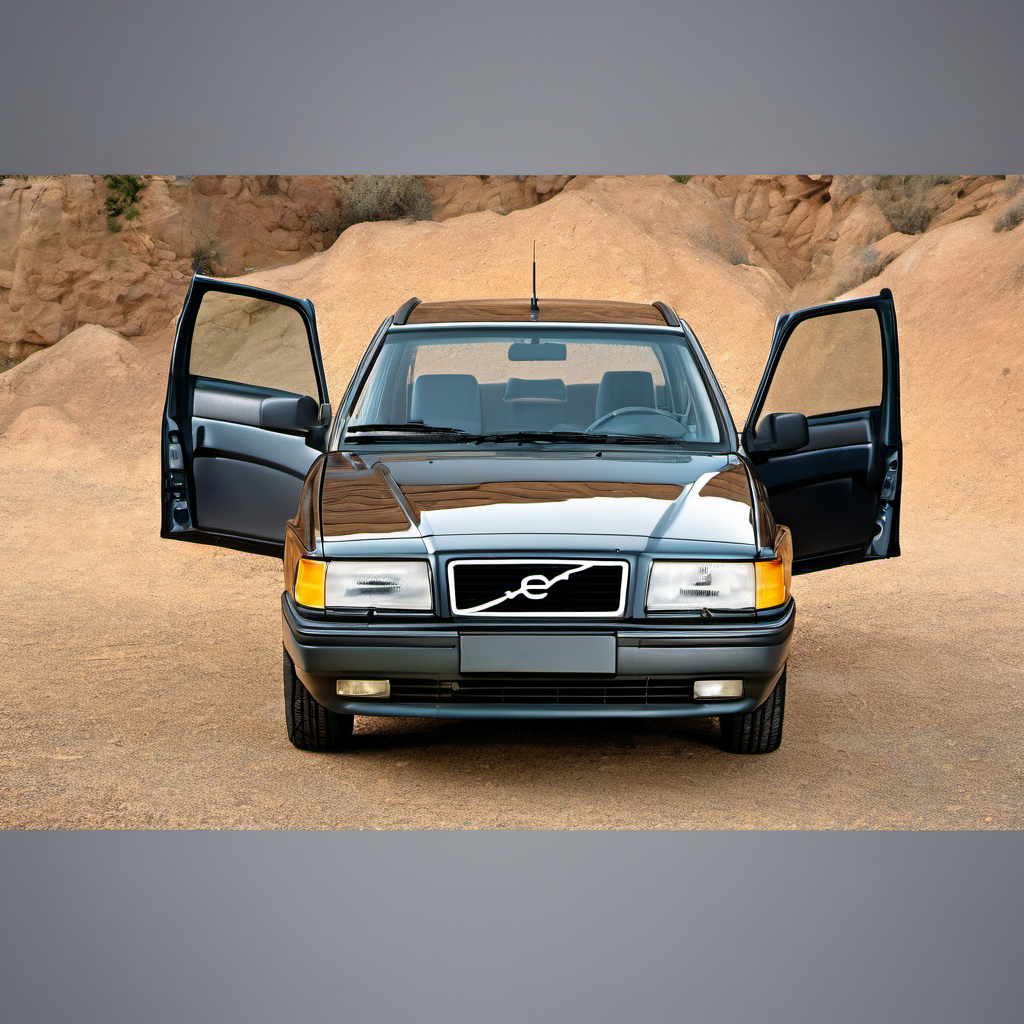
Comparable compact European sedan with strong safety reputation; easier parts sourcing in the U.S. and more practical for Wisconsin winters in base FWD form.
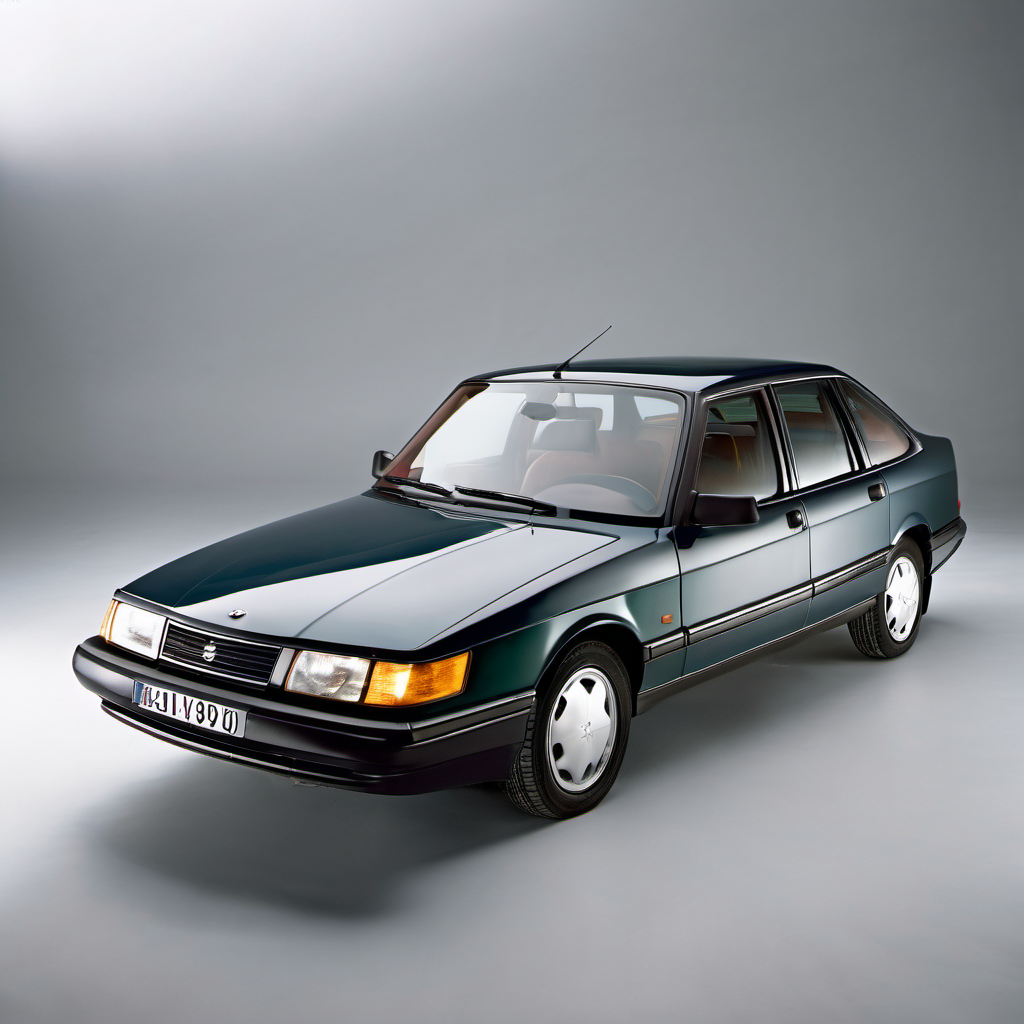
European sport-sedan of the same era at similar pricing; front-wheel drive but strong winter performer, turbocharged engine offers more power at the cost of additional complexity.