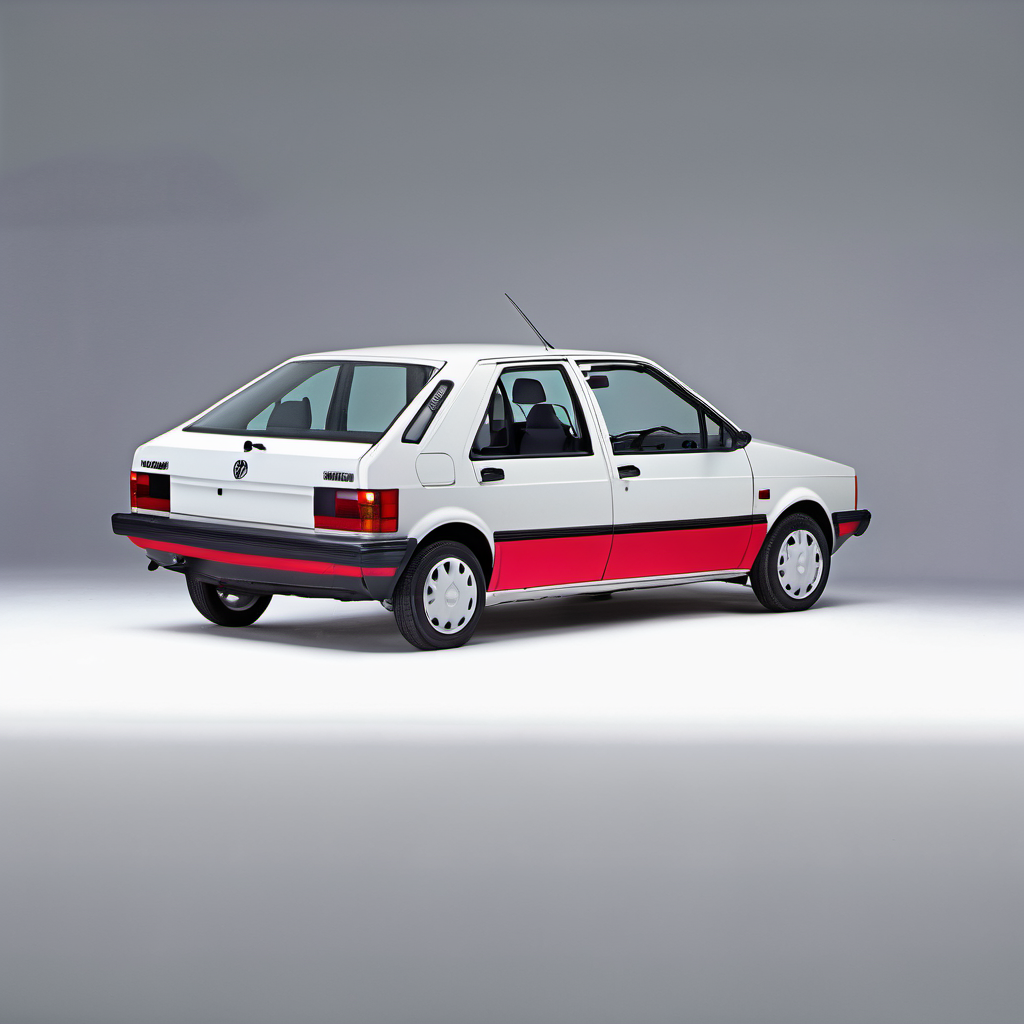
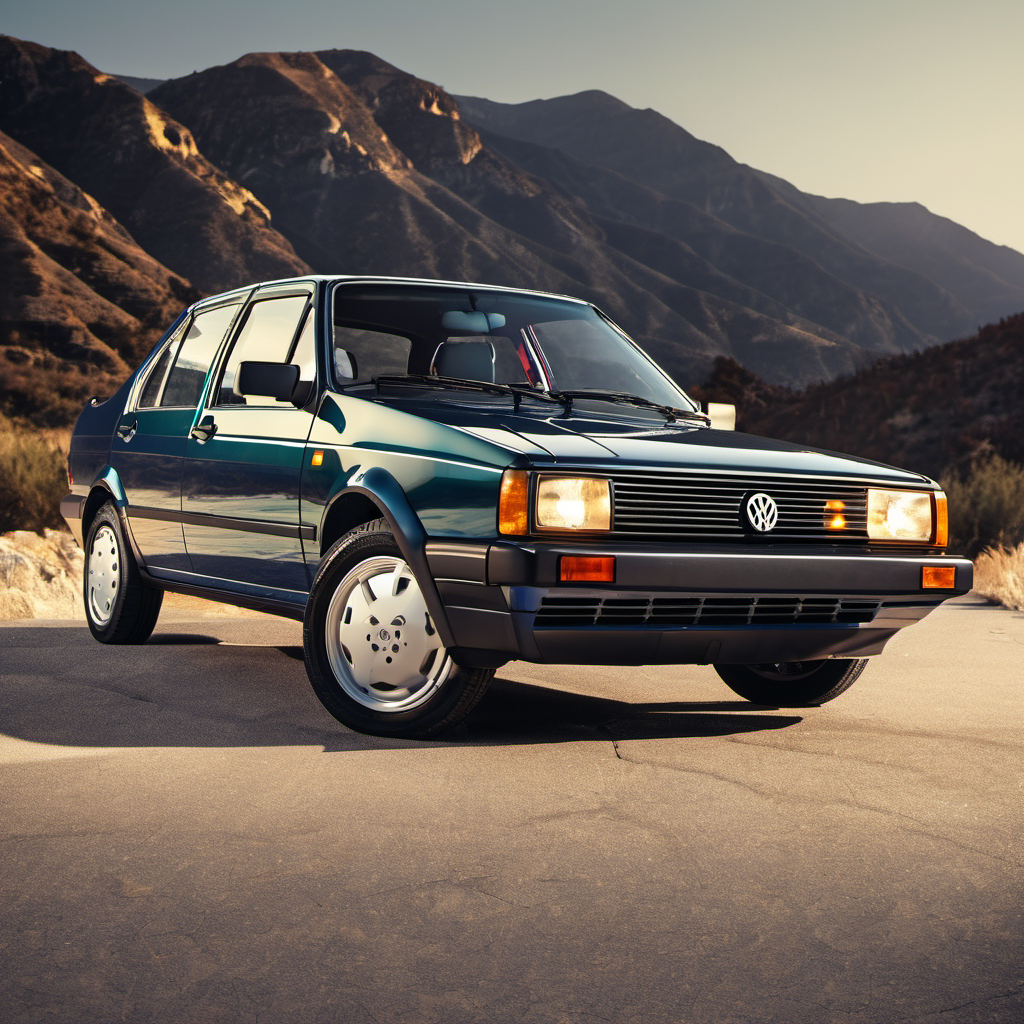
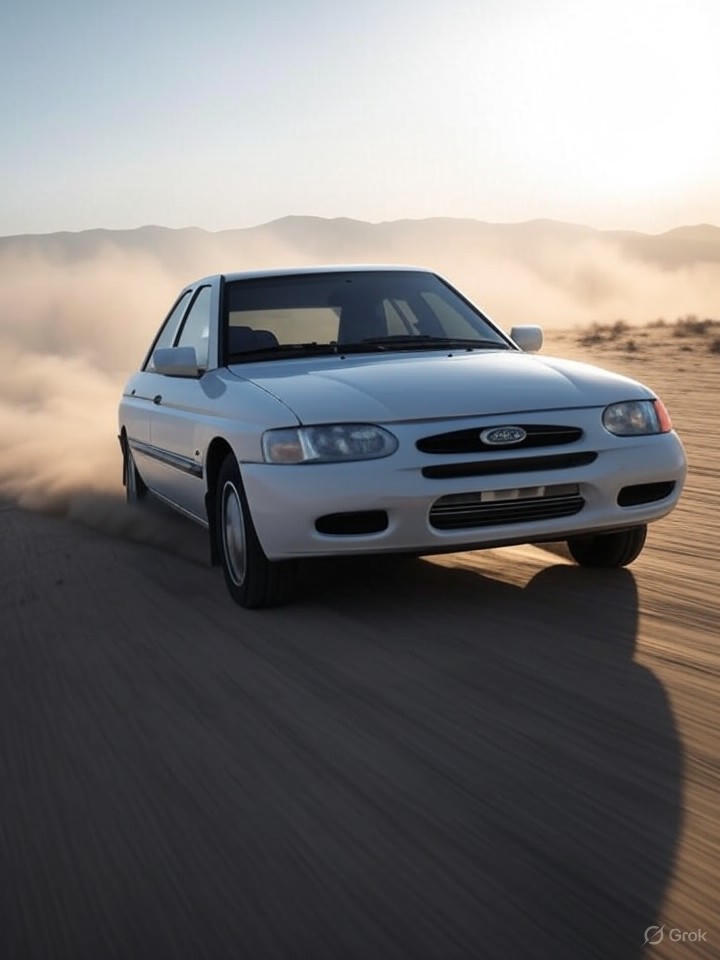
1992 Volkswagen Fox Sedan

1992 Volkswagen

FoxSedan

Sedan

The 1992 Volkswagen Fox is the final model year of VW's budget-oriented entry imported from Brazil. Sold in the US from 1987 through 1993, the Fox was a no-frills compact sedan built on an older VW platform. It offered straightforward, carbureted (and later fuel-injected) mechanicals that were relatively simple to work on, though age-related wear is now the dominant concern for any surviving example. The Fox never had the polish of its Golf or Jetta siblings, but it earned a loyal following for its light weight, decent fuel economy, and low purchase price. Parts availability has shrunk significantly as the years have passed — this is now a niche, enthusiast-adjacent vehicle rather than a practical daily driver for most people. Any 1992 Fox you encounter today is over 30 years old. Rust, deteriorated rubber, and deferred maintenance are the rule rather than the exception. Approach every example as a project car, not a reliable commuter, unless it has documented continuous care.

Reliability
2/5
Verified data
Specs shown for Fox — the most common configuration. Other trims may vary in engine, drivetrain, or fuel economy. Sign in to see your vehicle's exact specs.
Engine
[object Object]
Drivetrain
FWD
Fuel
Gasoline
MPG
22 city / 29 hwy / 25 combined
Seats
Doors
Body
Subcompact Cars

Overview

AI-curated

The 1992 Volkswagen Fox is the final model year of VW's budget-oriented entry imported from Brazil. Sold in the US from 1987 through 1993, the Fox was a no-frills compact sedan built on an older VW platform. It offered straightforward, carbureted (and later fuel-injected) mechanicals that were relatively simple to work on, though age-related wear is now the dominant concern for any surviving example. The Fox never had the polish of its Golf or Jetta siblings, but it earned a loyal following for its light weight, decent fuel economy, and low purchase price. Parts availability has shrunk significantly as the years have passed — this is now a niche, enthusiast-adjacent vehicle rather than a practical daily driver for most people. Any 1992 Fox you encounter today is over 30 years old. Rust, deteriorated rubber, and deferred maintenance are the rule rather than the exception. Approach every example as a project car, not a reliable commuter, unless it has documented continuous care.

Known for
  • Simple, repairable mechanicals for its era
  • Light curb weight and nimble handling
  • Decent fuel economy for a 1990s compact
  • Budget price point new and used
  • Brazilian-built VW with its own parts supply chain
Best for
  • Vintage VW enthusiasts and hobbyists
  • Drivers who want a simple, wrench-friendly project car
  • Low-mileage around-town use with a backup vehicle available
  • Collectors preserving a piece of VW's US import history
Watch for
  • Severe rust on floor pans, rockers, and rear wheel arches — a Wisconsin car killer
  • Shrinking parts availability; some items are NLA (no longer available)
  • Aging fuel system components: carb/injector seals, fuel hoses, and fuel pump
  • Deferred maintenance is almost universal on survivors at this age
  • Electrical gremlins from brittle 30-year-old wiring and connectors

Common issues by mileage

6 known

Rust — floor pans, rocker panels, and rear wheel arches

high
Typically appears
All mileages on northern-climate cars
Estimated repair
$500 – $4,000

Fuel system deterioration — hoses, pump, injector seals or carb rebuild

high
Typically appears
All mileages given age
Estimated repair
$150 – $600

Cooling system failure — hoses, water pump, thermostat hardening with age

high
Typically appears
All mileages given age
Estimated repair
$150 – $500

Timing belt failure — interference engine; belt and tensioner are aged

high
Typically appears
All mileages — replace immediately if history unknown
Estimated repair
$200 – $450

Worn or seized brake hardware — calipers, wheel cylinders, cables

medium
Typically appears
80k+ mi or age-related regardless of mileage
Estimated repair
$200 – $700

Electrical gremlins — brittle wiring insulation, failed relays, corroded grounds

medium
Typically appears
All mileages given age
Estimated repair
$100 – $600

Maintenance schedule

  1. 1
    Immediately if history unknown; otherwise every 60k mi or 4 years Replace timing belt and tensioner

    This is an interference engine — a snapped belt means bent valves and a wrecked cylinder head. At 30+ years old, any original or unknown-age belt is a ticking clock regardless of mileage.

  2. 2
    Immediately on acquisition; every 2 years thereafter Full cooling system service — flush, hoses, thermostat, water pump inspection

    Rubber hoses and coolant degrade badly over 30 years. A surprise overheat will cause head gasket damage on this small engine.

  3. 3
    On acquisition; every 4–5 years Inspect and replace all fuel system rubber — hoses, fuel pump, injector o-rings

    Aged fuel hoses crack and leak; a fuel leak near the engine is a fire hazard. Modern ethanol-blended fuel accelerates rubber degradation.

  4. 4
    Every 2 years or on acquisition Brake fluid flush and full brake inspection

    Brake fluid absorbs moisture over time, lowering boiling point and corroding internal components. Rear drum hardware and wheel cylinders seize on cars that sit.

  5. 5
    Every spring after Wisconsin winter Inspect floor pans, subframe mounts, and rocker panels for rust

    Road salt accelerates rust from the inside out. Compromised floor pans and subframe mounting points are structural safety issues, not just cosmetic ones.

  6. 6
    Every 3,000–4,000 mi or annually, whichever comes first Oil and filter change

    Short trip driving common on a 30-year-old secondary car means fuel and moisture contaminate oil quickly. Frequent changes protect an engine that may sit for weeks at a time.

  7. 7
    Every fall before winter Inspect and clean battery terminals; test battery

    Wisconsin sub-zero starts demand a strong battery. The Fox's older charging system and wiring make clean, tight connections especially important.

  8. 8
    Every fall Undercarriage rust-proofing spray

    Annual undercoating or cavity wax application on all remaining metal dramatically slows the rust that kills upper Midwest Fox survivors.

Always defer to the manufacturer's service manual for warranty-mandated intervals.

Cost of ownership

Annual maintenance
$400 – $1,500
Fuel
At 25 MPG combined and ~10,000 mi/year, expect roughly $1,200–$1,500/year at current Wisconsin gas prices.
Insurance
Typically low — liability-only coverage on a 30-year-old vehicle of low market value can run $400–$700/year depending on driver profile.

On paper the Fox looks cheap to own, but parts scarcity and the need to address 30-plus years of deferred maintenance mean surprise bills are common. Budget for a thorough going-through on acquisition ($500–$1,500+), then plan for routine wear and age-related replacements annually. A car in good condition with known history is far cheaper long-term than a cheap unknown example.
Seasonal care

Lake Geneva, WI
Winter
  • Test and replace the battery if it's more than 3 years old — sub-zero cranking demands are brutal on any battery, and the Fox's 1.8L needs a strong one to start reliably at -10°F.
  • Switch to a full-synthetic 5W-30 or 5W-40 oil before temperatures drop below freezing to ensure fast cold-start lubrication.
  • Fill washer fluid reservoir with a -20°F or colder rated fluid; the original reservoir and pump are old and freezing washer fluid can crack the reservoir.
  • Inspect door seals and weatherstripping — 30-year-old rubber seals shrink and crack, letting moisture and cold into the cabin and freezing door locks.
  • Apply fresh undercoating or cavity wax to all exposed underbody metal before first snow to resist road salt corrosion.
  • Keep the fuel tank at least half full to reduce condensation in the tank and help prevent fuel line freeze in extreme cold.
Summer
  • Inspect the cooling system carefully before summer heat — a marginal thermostat or hose that survives winter will often fail under sustained summer heat loads.
  • Check tire pressure monthly; summer heat increases pressure and an already-worn tire can fail at highway speed if over-inflated.
  • Test A/C operation early in the season; the Fox's R-12 refrigerant system will need a certified technician and R-12 or a compatible retrofit — do not ignore a weak system.
  • Inspect the battery again in July/August; heat is actually harder on batteries than cold and accelerates plate degradation in an older unit.

Comparable vehicles

If you're shopping for one

Red flags
  • Any soft spots, holes, or severe bubbling on the floor pans or rocker panels — structural rust makes repair costs exceed the car's value
  • Unknown timing belt history on an interference engine — walk away or negotiate aggressively
  • Strong fuel smell inside or outside the car — cracked hoses or leaking fuel system on a 30-year-old car
  • Milky or foamy oil on the dipstick or under the oil cap — possible head gasket failure
  • Seller cannot provide any maintenance records — assume everything needs attention and price accordingly
  • Heavily modified or parts-car condition — OEM replacement parts are already scarce without additional missing components
What to inspect
  • Crawl under the car and probe floor pans, rocker sills, and subframe mounting points with a screwdriver — soft or flaking metal is a structural red flag
  • Pull back the carpet inside and check for rust bubbling, moisture, or daylight visible through floor pans
  • Check the timing belt condition and ask for documentation; if unknown, price a belt job into your offer
  • Start the engine cold and watch for rough idle, smoke, or coolant smell indicating head gasket issues
  • Inspect all visible fuel hoses for cracking, weeping, or staining — a fuel leak near a 30-year-old engine is a fire risk
  • Check brake pedal feel and inspect calipers/wheel cylinders for seizure or leakage
AI profile generated 4 days ago · claude-sonnet-4-6 · v2.