Severe body and undercarriage rust
high- Typically appears
- All mileages — age-driven
- Estimated repair
- $500 – $4,000
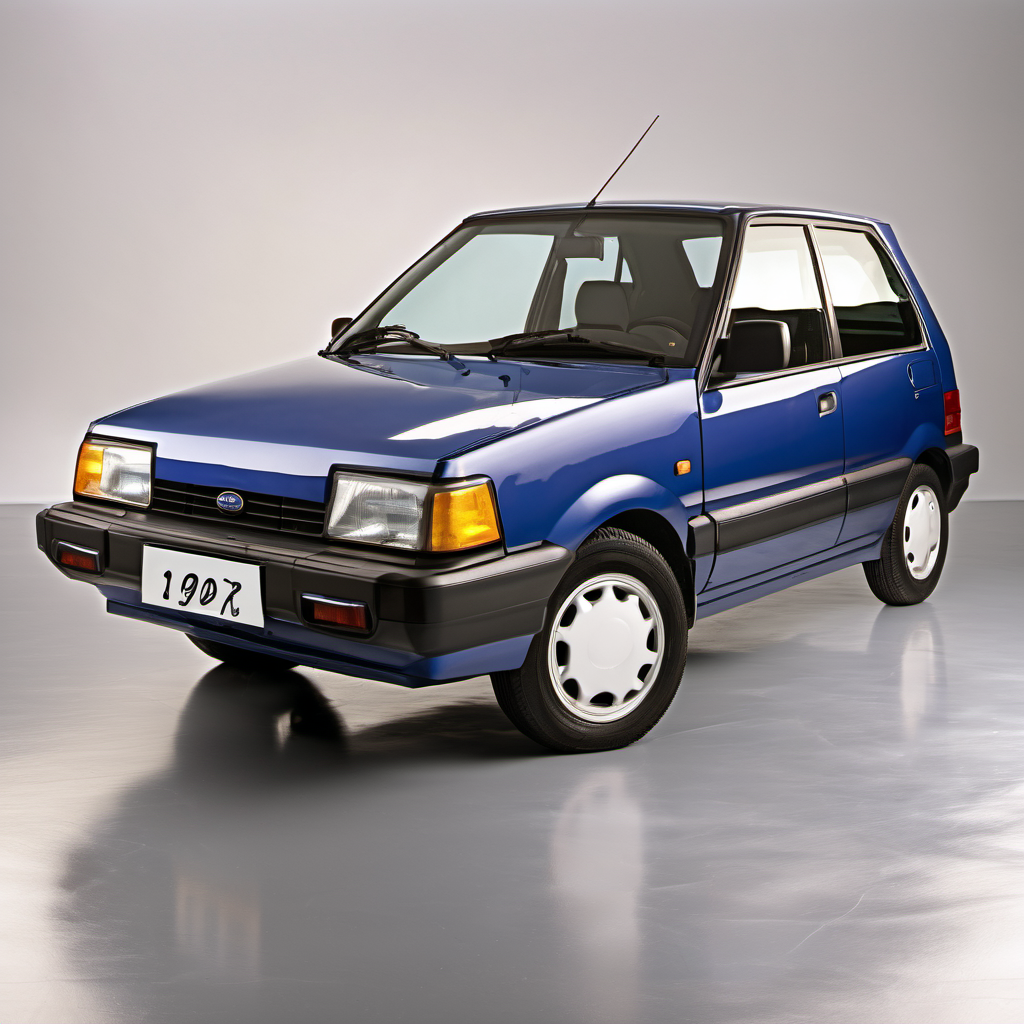
1992 Subaru
Hatchback
The 1992 Subaru Justy is a subcompact three-door or five-door hatchback built during the final years of Justy production in North America. It's one of the smallest cars Subaru ever sold in the U.S., powered by a modest 1.2-liter three-cylinder engine. The Justy was aimed squarely at budget-minded commuters who wanted fuel efficiency and a small footprint — not performance or cargo versatility. By 1992, the Justy was already an aging design, but it earned a modest following for its frugality and simplicity. A continuously variable transmission (ECVT) was available alongside a 5-speed manual, and a part-time 4WD version existed in earlier years. The '92 model is FWD-only in base configuration. At 30+ years old, surviving Justys are rare. Parts availability is limited, and the ownership base is small. This is a vehicle for enthusiasts comfortable with older Japanese econocars, not for someone who needs reliable daily transportation without wrench-turning involvement.
The 1992 Subaru Justy is a subcompact three-door or five-door hatchback built during the final years of Justy production in North America. It's one of the smallest cars Subaru ever sold in the U.S., powered by a modest 1.2-liter three-cylinder engine. The Justy was aimed squarely at budget-minded commuters who wanted fuel efficiency and a small footprint — not performance or cargo versatility. By 1992, the Justy was already an aging design, but it earned a modest following for its frugality and simplicity. A continuously variable transmission (ECVT) was available alongside a 5-speed manual, and a part-time 4WD version existed in earlier years. The '92 model is FWD-only in base configuration. At 30+ years old, surviving Justys are rare. Parts availability is limited, and the ownership base is small. This is a vehicle for enthusiasts comfortable with older Japanese econocars, not for someone who needs reliable daily transportation without wrench-turning involvement.
The 1.2L three-cylinder has a small oil capacity; fresh oil is cheap insurance on an aging engine. Use a quality conventional or synthetic 5W-30.
Brake fluid in a 30-year-old car absorbs moisture and can cause internal corrosion in the master cylinder and calipers. Critical safety item.
Original or aged hoses are prone to cracking and collapse. A surprise coolant loss on a 1.2L engine can cause rapid overheating and head damage.
Upper Midwest salt exposure makes brake and fuel line corrosion a safety-critical issue on any vehicle this age. Address any pitting or scale before winter.
The fuel system is carbureted, not fuel-injected. Old fuel deposits and varnish build up in idle circuits and accelerator pump passages, causing rough starts and stumbling.
The 1.2L engine uses a timing belt. An interference-style failure means bent valves. At this age, replace it regardless of mileage if history is unknown.
Torn boots allow grease out and water and salt in, rapidly destroying the joint. Catching a torn boot early is a $150 fix vs. a $300+ axle replacement.
A 30-year-old small-displacement engine already works hard to start in sub-zero Wisconsin temps. A marginal battery will fail the first cold snap.
Always defer to the manufacturer's service manual for warranty-mandated intervals.
On paper, the Justy is cheap to own: low fuel costs, low insurance, and simple mechanicals. The catch at this age is that any repair involving hard-to-find parts can turn a routine job into an expensive sourcing exercise. Budget on the higher end if rust repair or ECVT work is needed — those bills can easily exceed the car's market value.
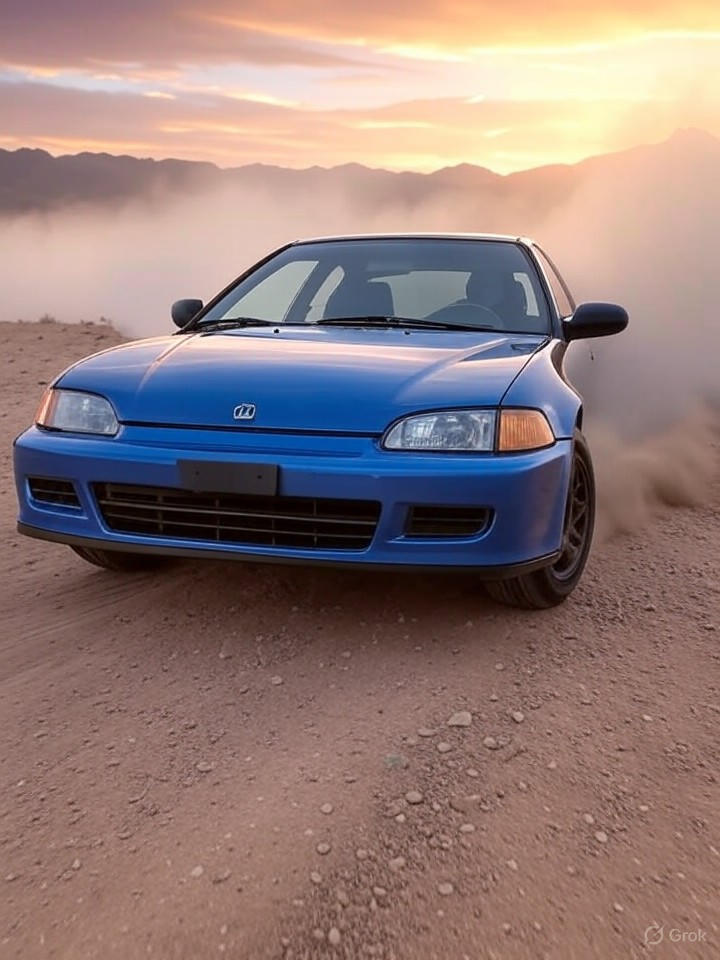
Same-era Japanese subcompact with similar fuel economy and simplicity, but far better parts availability and a larger ownership community.
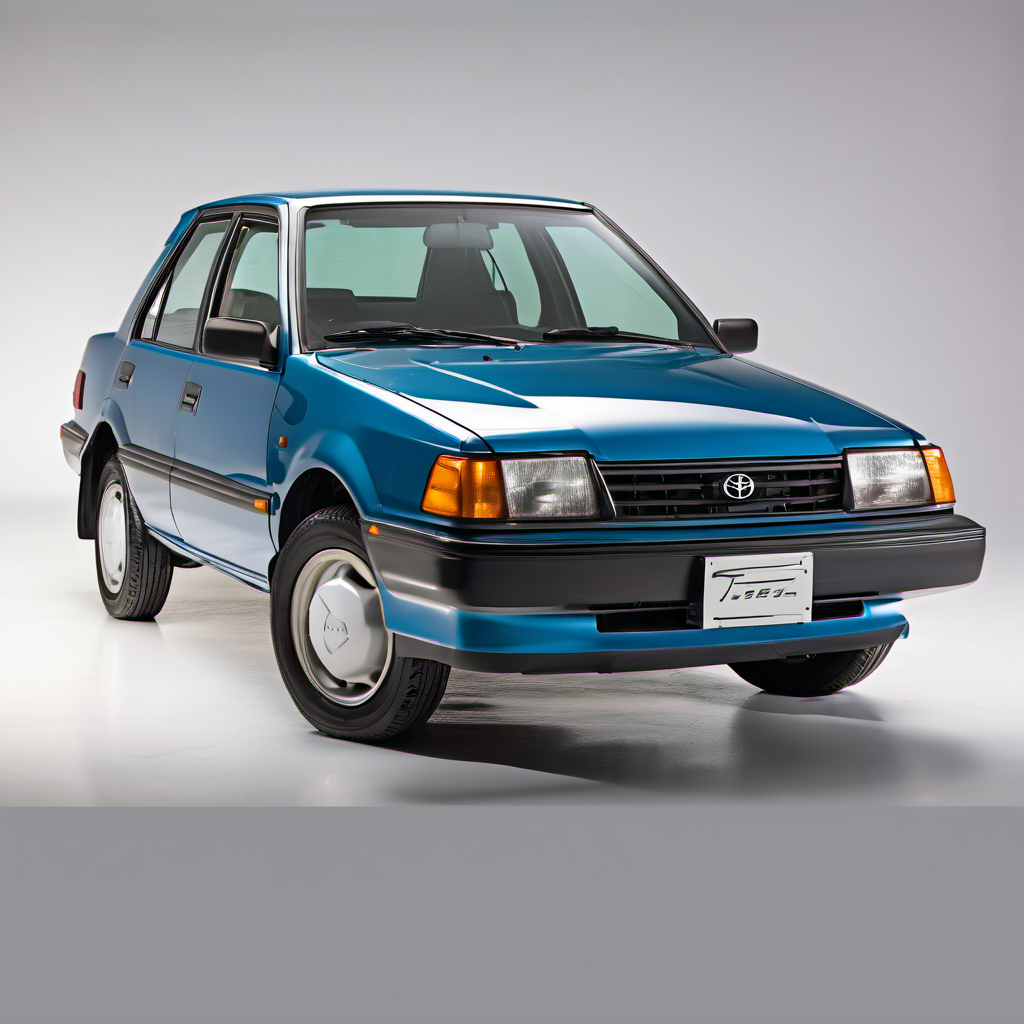
Direct competitor in the budget subcompact segment — carbureted, lightweight, similarly aged, but Toyota parts sourcing is somewhat easier today.
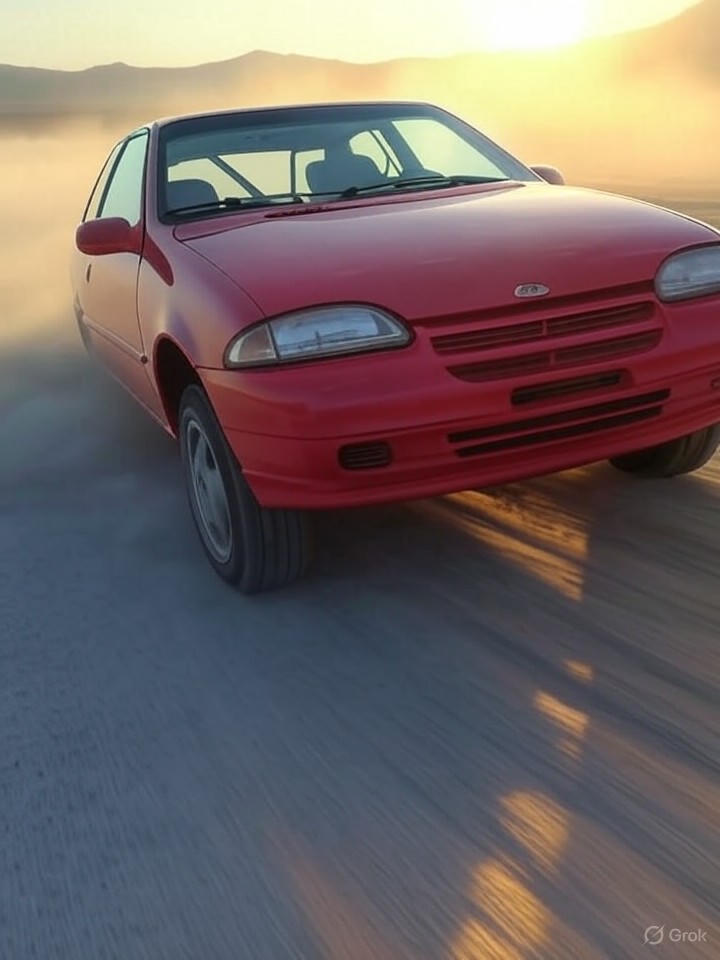
Virtually identical mission — ultra-small, ultra-frugal commuter. The Metro's 3-cylinder Suzuki engine has a larger DIY following and more affordable parts.
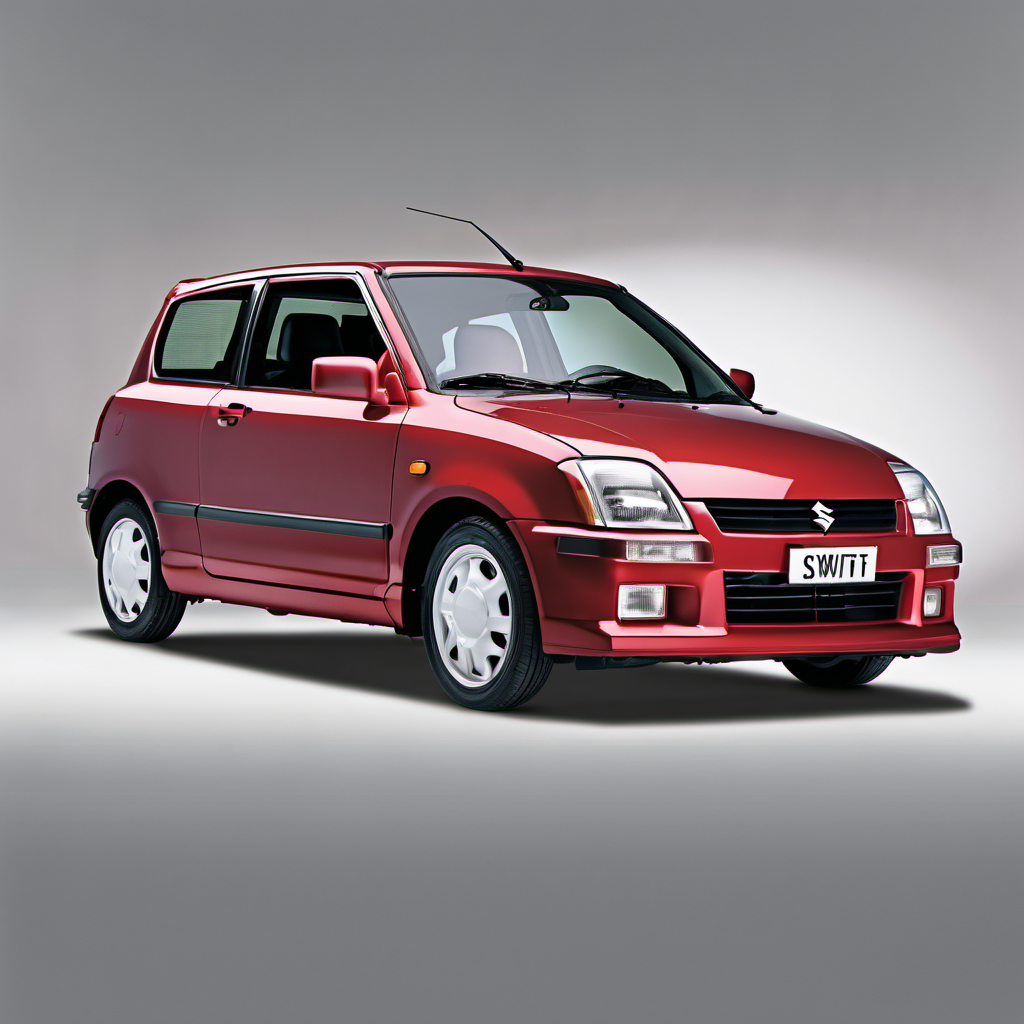
Mechanically related to the Geo Metro, similar size and price point, and shares the same basic 1.3L three- or four-cylinder platform with stronger parts support than the Justy.