Head Gasket Failure / Coolant Consumption
high- Typically appears
- 80–150k mi
- Estimated repair
- $800 – $1,600
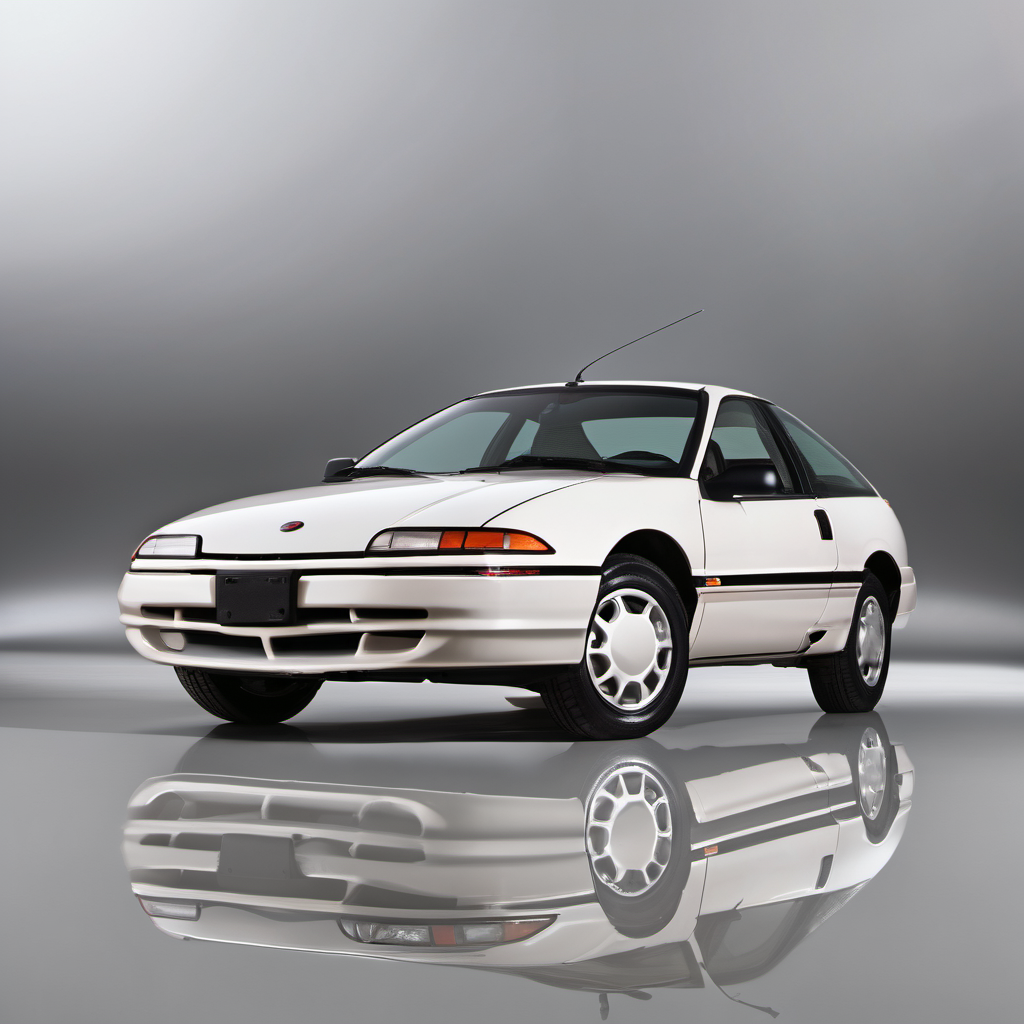
1992 Saturn
1.9L SOHC I4 · Coupe
The 1992 Saturn SC (S-Series Coupe) was one of GM's boldest experiments: a brand-new, American-built small car with a dedicated platform, polymer body panels that resist dents and rust, and a customer-first dealer philosophy. Launched for 1991, the S-Series was Saturn's founding product and arrived as a genuine alternative to Japanese imports like the Civic and Corolla. The SC coupe offered a sportier two-door body with a more rakish roofline than the sedan siblings. Under the hood, early 1992 models used a 1.9L single-overhead-cam (SOHC) four-cylinder making 85 hp, while the uplevel SC trim paired a 1.9L dual-overhead-cam (DOHC) four-cylinder rated at 123 hp — both mated to either a 5-speed manual or 4-speed automatic. The engine and suspension were conventional, but the polymer door and quarter panels genuinely don't rust, which is a meaningful advantage in Wisconsin's salt-and-brine environment. Thirty-plus years on, these cars have dwindled in number. Parts availability is narrowing, and any survivor you find is well into high-mileage territory. They can still be solid daily drivers if the engine and cooling system are sound, but budget for age-related electrical and rubber component replacements.
The 1992 Saturn SC (S-Series Coupe) was one of GM's boldest experiments: a brand-new, American-built small car with a dedicated platform, polymer body panels that resist dents and rust, and a customer-first dealer philosophy. Launched for 1991, the S-Series was Saturn's founding product and arrived as a genuine alternative to Japanese imports like the Civic and Corolla. The SC coupe offered a sportier two-door body with a more rakish roofline than the sedan siblings. Under the hood, early 1992 models used a 1.9L single-overhead-cam (SOHC) four-cylinder making 85 hp, while the uplevel SC trim paired a 1.9L dual-overhead-cam (DOHC) four-cylinder rated at 123 hp — both mated to either a 5-speed manual or 4-speed automatic. The engine and suspension were conventional, but the polymer door and quarter panels genuinely don't rust, which is a meaningful advantage in Wisconsin's salt-and-brine environment. Thirty-plus years on, these cars have dwindled in number. Parts availability is narrowing, and any survivor you find is well into high-mileage territory. They can still be solid daily drivers if the engine and cooling system are sound, but budget for age-related electrical and rubber component replacements.
Coolant degradation is the leading cause of head gasket failure on the 1.9L. Old coolant becomes acidic and attacks the gasket sealing surface.
The 1.9L has tight oil passages; dirty oil accelerates timing chain guide wear and valve train wear.
Stretched chains or worn guides can cause engine noise and retarded timing. On a 30-year-old car, inspect at every major service.
Original plug wires are well past service life. Worn plugs hurt fuel economy noticeably on this small engine.
At 30+ years, rubber components are brittle regardless of mileage. A burst hose in a Wisconsin winter can strand you instantly.
The S-Series charging system is basic. A weak battery will fail to crank in sub-zero Lake Geneva winters.
Brake fluid absorbs moisture over time, lowering its boiling point and promoting corrosion in the ABS modulator and calipers.
FWD CV boots crack in cold weather. A torn boot lets grease escape and allows road salt to destroy the joint rapidly.
Always defer to the manufacturer's service manual for warranty-mandated intervals.
Purchase prices for 1992 SC coupes in running condition range from $1,000 to $4,500 depending on condition and mileage. Annual maintenance is low when everything is healthy, but one head gasket job or timing chain replacement can equal or exceed the car's market value. Budget accordingly and keep a contingency fund. Fuel and insurance costs are favorable compared to modern vehicles.
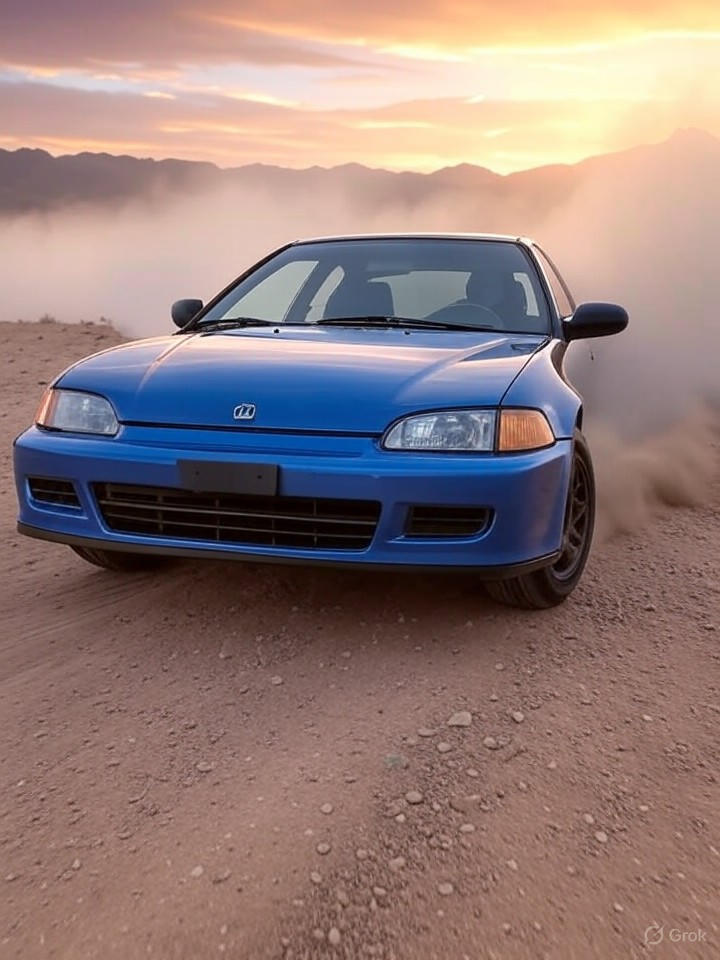
Same era, same FWD economy coupe segment; typically better long-term parts availability and a stronger used-market reputation, but prone to rust in the Midwest.

Direct competitor in the compact economy segment; generally stronger reliability track record and better parts supply at this age than the S-Series.
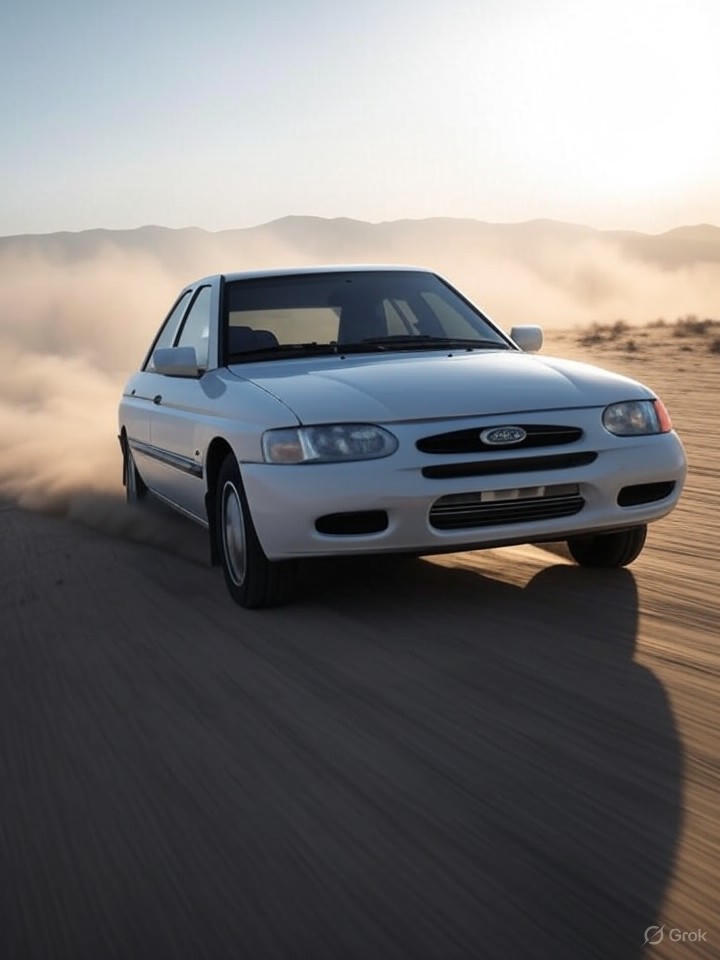
American-built budget coupe of the same era at similar price points; comparable mission but generally less durable drivetrain than either the Saturn or Japanese rivals.
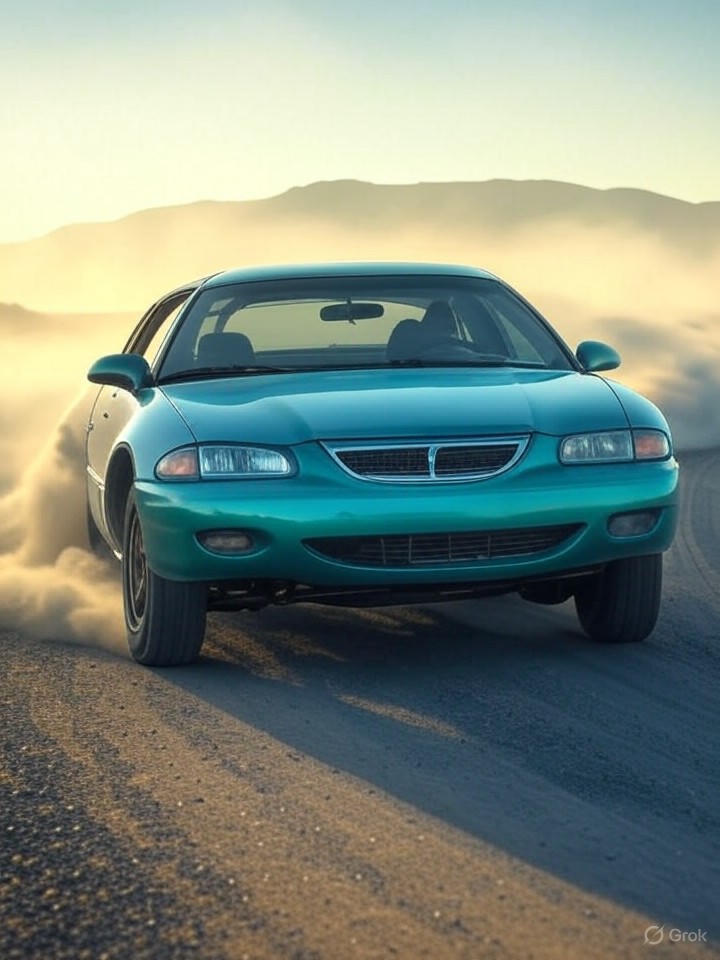
Another GM-family economy coupe from the same period; shares the sporty-compact niche but based on an Isuzu platform with its own parts-availability challenges today.