Self-Leveling Rear Suspension (SLS) failure
high- Typically appears
- 80–150k mi
- Estimated repair
- $800 – $2,500
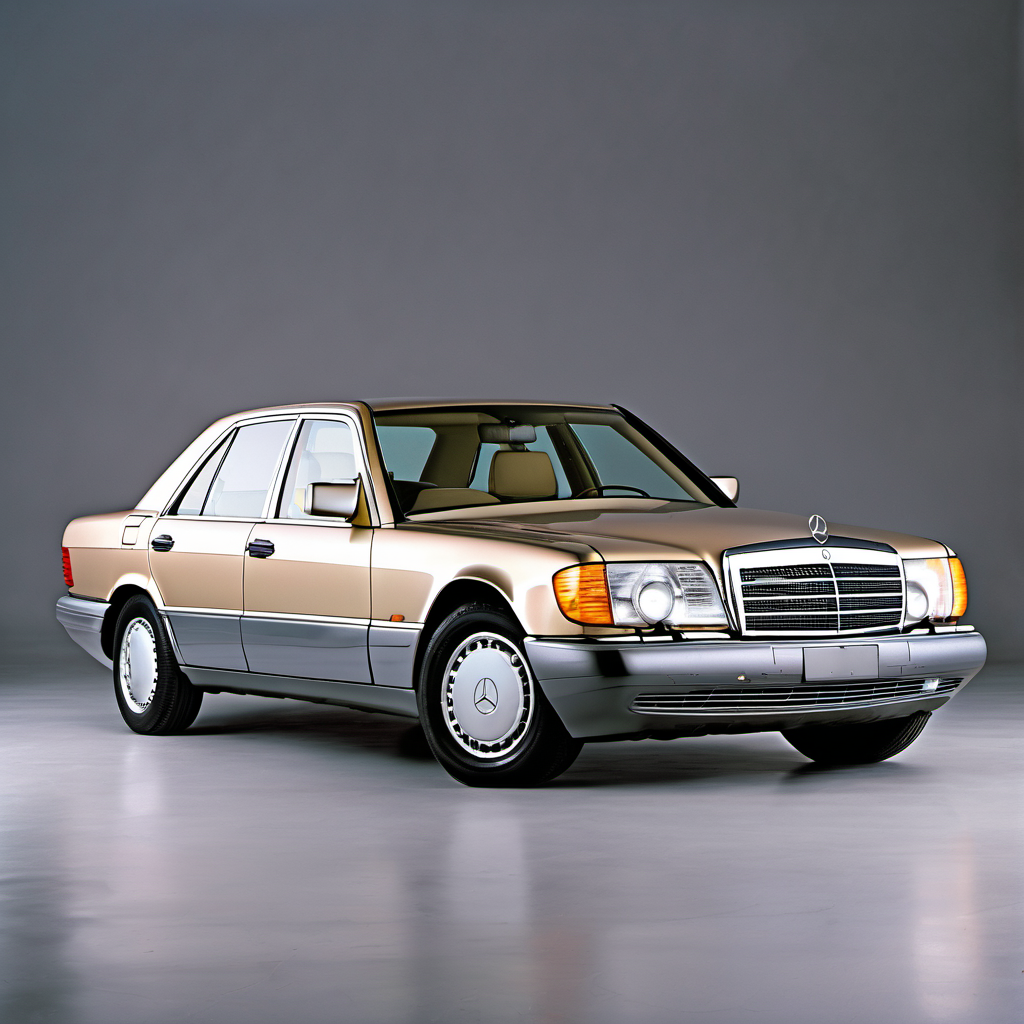
1992 Mercedes-Benz
4.2L V8 (M119) · Sedan
The 1992 Mercedes-Benz 400 SE is the entry-level V8 variant of the W140 S-Class — the first generation of what many consider the last Mercedes built to an engineering standard rather than a budget. Introduced for the 1992 model year, the 400 SE replaced the outgoing W126 and arrived with a 4.2L V8, an all-new multi-link suspension, and an extraordinary level of body rigidity and sound insulation. It was overbuilt by modern standards — doors so thick and heavy they close with a vault-like thud. By the early 2000s these cars had depreciated dramatically, but that same overbuilding means well-maintained examples can still cover serious miles. The flip side is that the complexity and parts cost of the W140 generation can punish owners who deferred maintenance or who bought at rock-bottom prices without a pre-purchase inspection. Rubber, electrics, and the self-leveling suspension are the main pain points at this age. At 30+ years old, this car is now firmly in collector/enthusiast territory. Running costs are high relative to its market value, and finding a technician fluent in W140-specific systems is not trivial outside major metro areas. That said, for someone who appreciates German engineering of this era and is prepared to budget honestly, the 400 SE is a remarkably capable and comfortable long-distance car.
The 1992 Mercedes-Benz 400 SE is the entry-level V8 variant of the W140 S-Class — the first generation of what many consider the last Mercedes built to an engineering standard rather than a budget. Introduced for the 1992 model year, the 400 SE replaced the outgoing W126 and arrived with a 4.2L V8, an all-new multi-link suspension, and an extraordinary level of body rigidity and sound insulation. It was overbuilt by modern standards — doors so thick and heavy they close with a vault-like thud. By the early 2000s these cars had depreciated dramatically, but that same overbuilding means well-maintained examples can still cover serious miles. The flip side is that the complexity and parts cost of the W140 generation can punish owners who deferred maintenance or who bought at rock-bottom prices without a pre-purchase inspection. Rubber, electrics, and the self-leveling suspension are the main pain points at this age. At 30+ years old, this car is now firmly in collector/enthusiast territory. Running costs are high relative to its market value, and finding a technician fluent in W140-specific systems is not trivial outside major metro areas. That said, for someone who appreciates German engineering of this era and is prepared to budget honestly, the 400 SE is a remarkably capable and comfortable long-distance car.
The M119 V8 is sensitive to oil quality and change intervals. Sludging from extended intervals is a known killer of these engines. Use oil meeting MB 229.1 or higher spec.
Mercedes specified lifetime fill but decades of real-world use show this causes premature conductor plate and valve body wear. Fresh ATF at regular intervals extends transmission life significantly.
The M119 runs hot and the aluminum components are sensitive to coolant that has degraded and gone acidic. Neglected coolant causes water pump and head gasket issues.
Original rubber bushings are now 30+ years old. Hardened or cracked bushings dramatically affect handling, steering feel, and tire wear on the W140's multi-link setup.
SLS hydraulic fluid degrades and hoses crack with age. Catching a small leak early is a $200 fix; a failed pump or accumulator is a $1,500+ repair.
The M119 V8 uses a distributorless ignition system. Worn plugs or failing ignition leads cause rough running and can trigger misfires that stress the catalytic converters.
The W140's body is thick steel but not immune to Wisconsin road salt. Focus on rocker panels, rear wheel arches, trunk floor, and floor pan drain plugs.
Rubber brake hoses collapse internally with age, causing dragging brakes and reduced pedal feel. On a 30-year-old vehicle this is a safety-critical inspection.
Always defer to the manufacturer's service manual for warranty-mandated intervals.
The 400 SE will cost more to maintain per year than its market value might suggest. Budget for $1,200–$2,500 in routine maintenance in a good year, and $3,000–$4,500+ in any year where an SLS component, major rubber refresh, or electrical repair is needed. Parts cost significantly more than Japanese or domestic equivalents, and labor requires a technician familiar with W140-specific systems. Buy the best-maintained example you can afford — the cheapest purchase price almost always becomes the most expensive to own.
Same era V8 German flagship sedan (E32 generation). Similar prestige, comparable complexity and ownership cost, RWD. The E32 740i is slightly more driver-focused; the W140 is more comfort-oriented.
No catalog match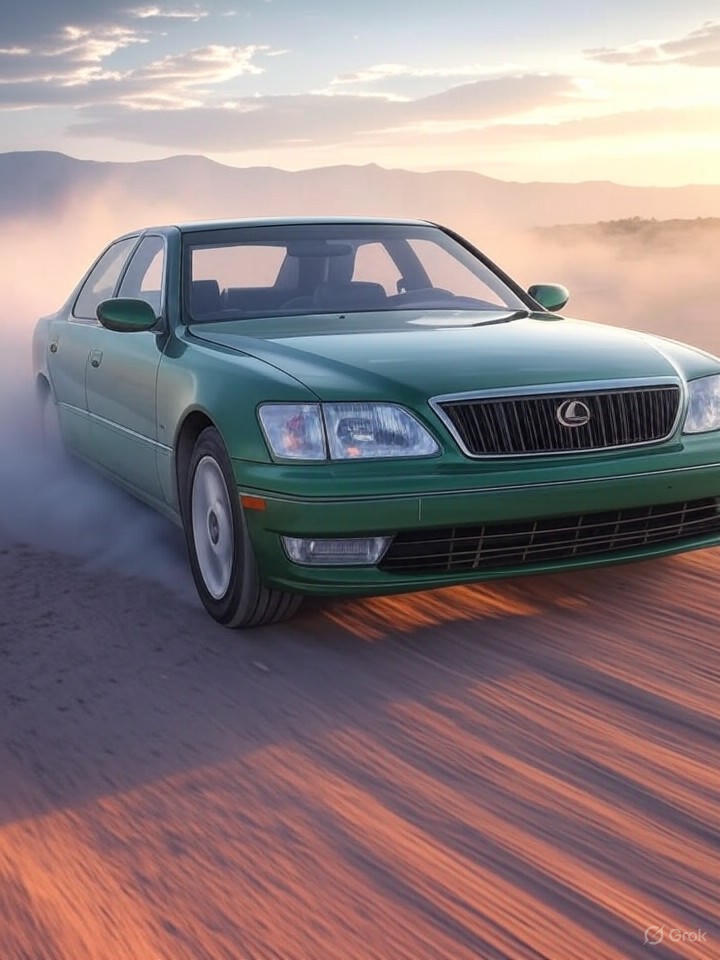
Direct contemporary rival to the S-Class. The LS 400 is significantly more reliable and cheaper to maintain, though it lacks the W140's overbuilt character. A better daily-driver choice; the Mercedes is the more interesting collector car.
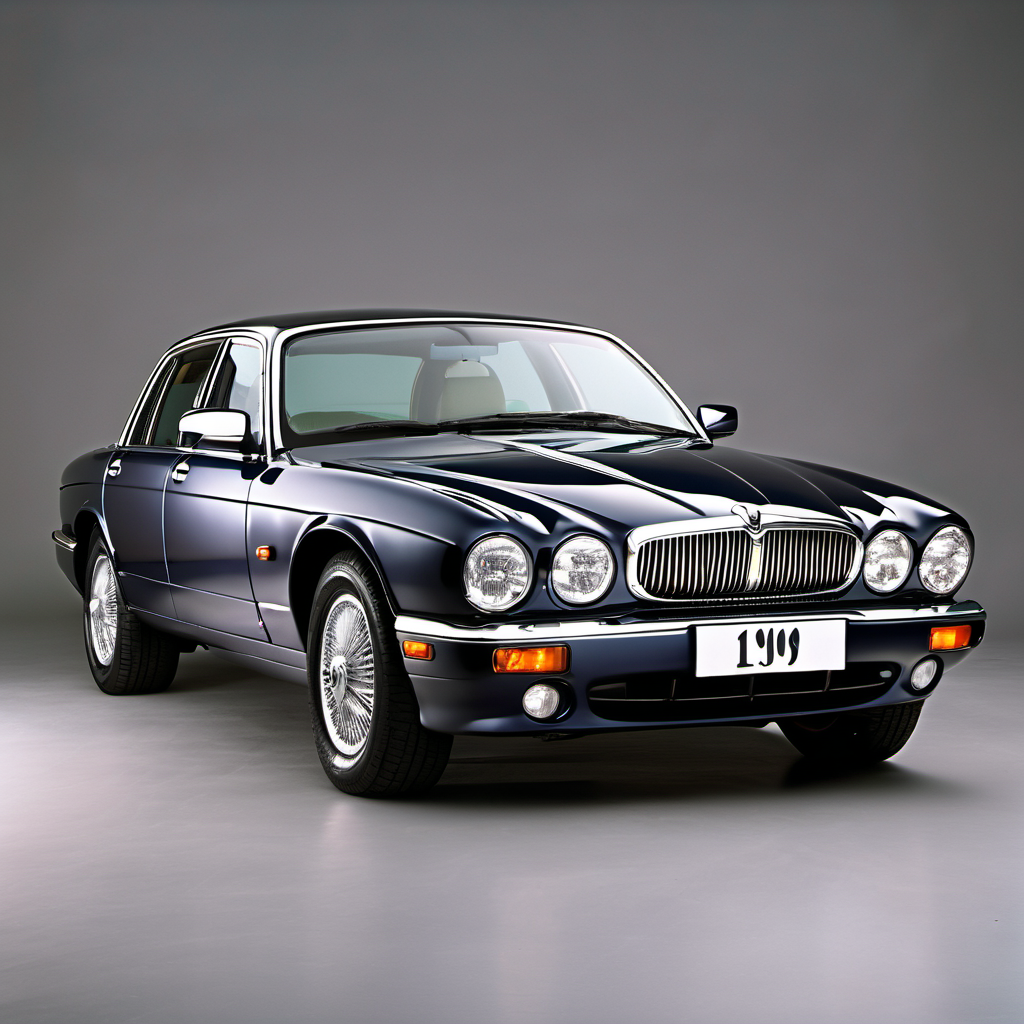
Another early-1990s V6/V8 luxury sedan with comparable depreciation and collector appeal. The XJ6 has its own set of age-related issues but offers a different character — more sporting, equally beautiful. Parts availability is a shared concern.
Low-volume German V8 sedan from the same era with AWD as a differentiator. More practical for Wisconsin winters than the RWD 400 SE, but even harder to find qualified technicians and parts.
No catalog match