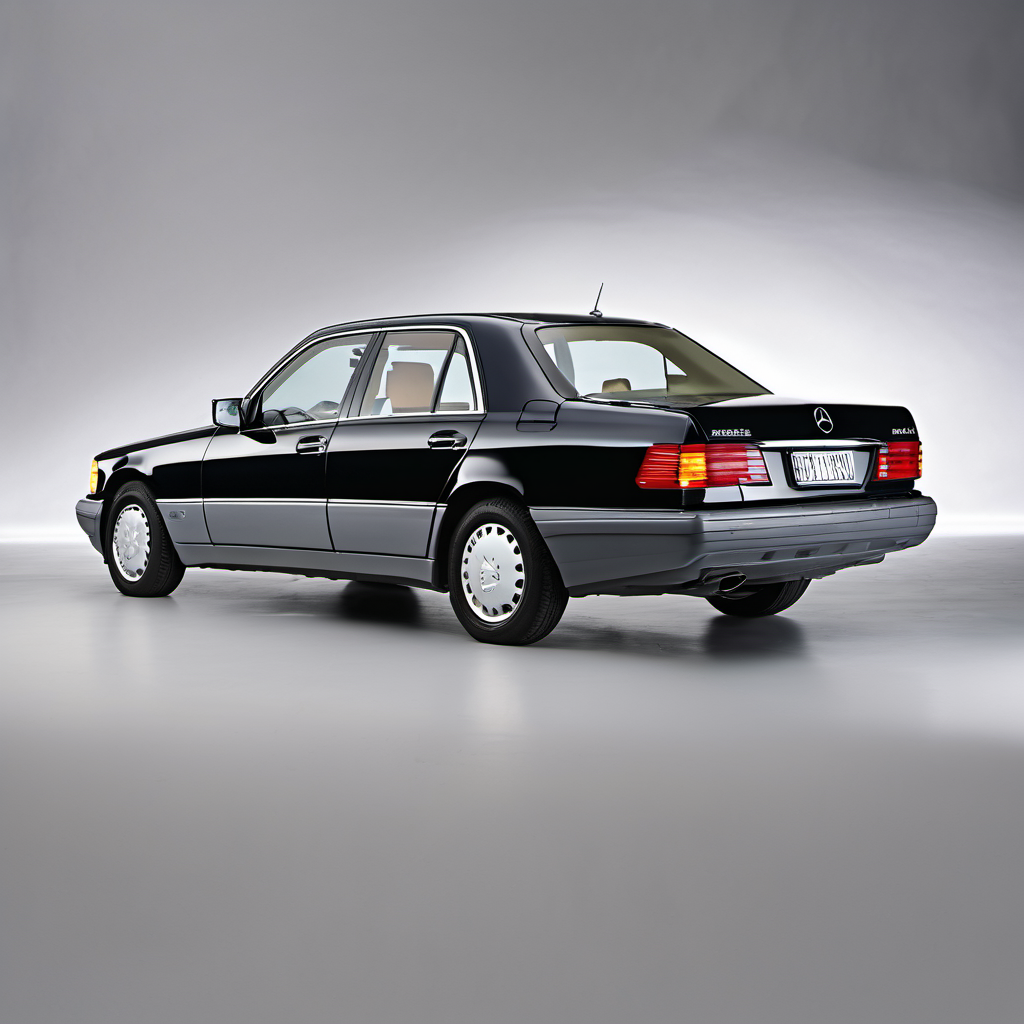
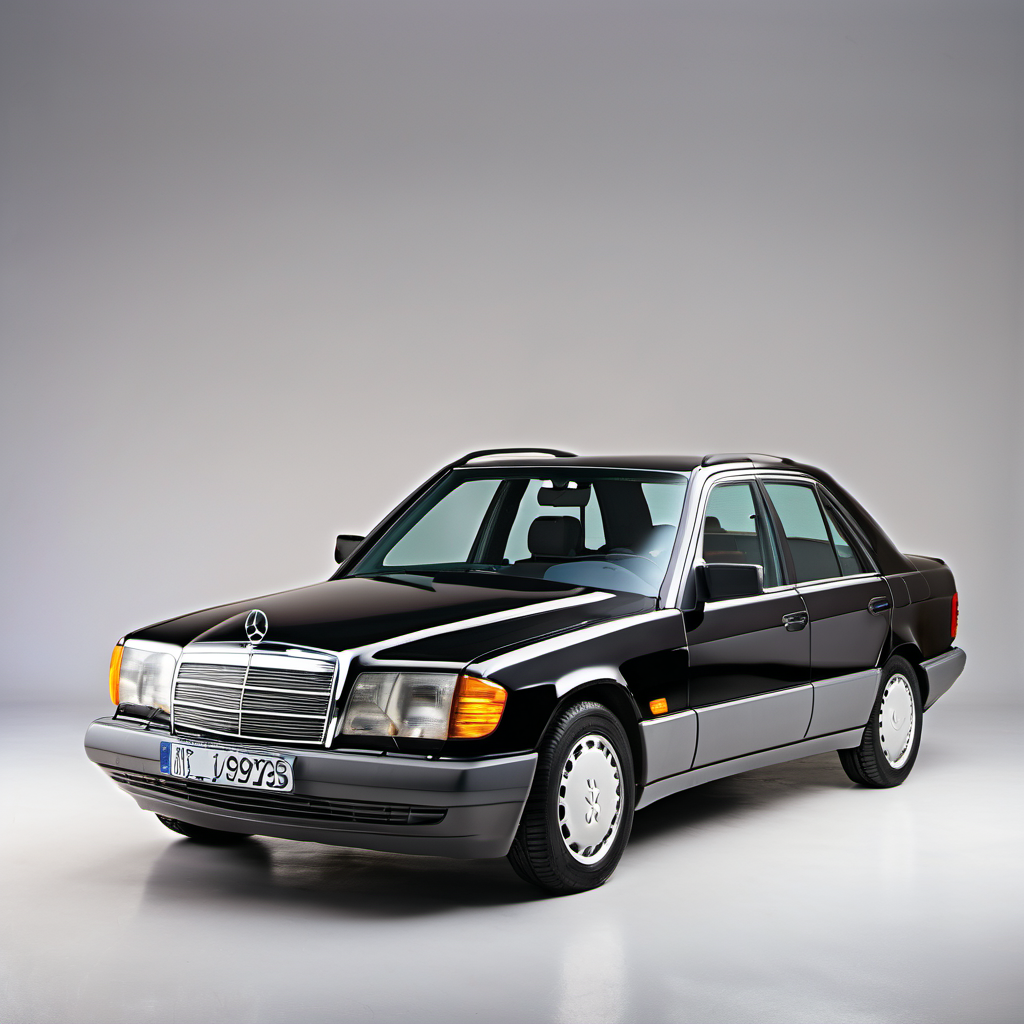
1992 Mercedes-Benz 300 D Sedan

1992 Mercedes-Benz

300 DSedan

3.0L I5 Diesel (OM603) · Sedan

The 1992 Mercedes-Benz 300 D is a W124-chassis full-size sedan powered by a naturally aspirated 3.0L inline-5 diesel engine. It represents the tail end of Mercedes-Benz's old-school over-engineering era — built with a level of mechanical durability that is genuinely rare. These cars were designed to be driven well past 300,000 miles with attentive maintenance, and many have done exactly that. The W124 diesel is a favorite among enthusiasts who appreciate simplicity and longevity. The mechanical diesel injection system, robust automatic transmission, and body-on-frame-quality construction mean there's very little electronic complexity to fail. What you're dealing with is mostly mechanical wear, rubber degradation (this car is 30+ years old), and deferred maintenance catching up. Owning one in Lake Geneva means factoring in age-related corrosion, sourcing parts (increasingly from European suppliers or the used market), and finding a shop familiar with older Mercedes diesel systems. This is not a car for someone who wants a hassle-free daily driver — but in the right hands, it's a supremely satisfying machine.

Reliability
4/5
Verified data
Engine
3.0L I5 Diesel (OM603)
Drivetrain
RWD
Fuel
Diesel
MPG
24 city / 33 hwy / 27 combined
Seats
5
Doors
4
Body
Sedan
MSRP
$39,500

Overview

AI-curated

The 1992 Mercedes-Benz 300 D is a W124-chassis full-size sedan powered by a naturally aspirated 3.0L inline-5 diesel engine. It represents the tail end of Mercedes-Benz's old-school over-engineering era — built with a level of mechanical durability that is genuinely rare. These cars were designed to be driven well past 300,000 miles with attentive maintenance, and many have done exactly that. The W124 diesel is a favorite among enthusiasts who appreciate simplicity and longevity. The mechanical diesel injection system, robust automatic transmission, and body-on-frame-quality construction mean there's very little electronic complexity to fail. What you're dealing with is mostly mechanical wear, rubber degradation (this car is 30+ years old), and deferred maintenance catching up. Owning one in Lake Geneva means factoring in age-related corrosion, sourcing parts (increasingly from European suppliers or the used market), and finding a shop familiar with older Mercedes diesel systems. This is not a car for someone who wants a hassle-free daily driver — but in the right hands, it's a supremely satisfying machine.

Known for
  • Exceptional long-term mechanical durability — 300k+ miles is common with proper care
  • Simple, reliable mechanical diesel injection (no complex electronics)
  • Solid W124 chassis with high-quality body construction
  • Comfortable, refined ride quality with excellent NVH isolation
  • Strong resale stability among diesel collector and enthusiast buyers
Best for
  • Diesel enthusiasts and mechanical hobbyists comfortable with older European cars
  • Buyers seeking a long-term keeper willing to invest in upkeep
  • Collectors or drivers who value over-engineered simplicity
  • Highway commuters comfortable with diesel refueling logistics
Watch for
  • Deferred maintenance on 30+ year old rubber: hoses, vacuum lines, fuel lines, and seals are all suspect
  • Rust on undercarriage, frame rails, and floor pans — especially on Wisconsin cars
  • Diesel injection pump wear or failure — rebuilt units are expensive and increasingly hard to find
  • Stretched or worn timing chain and associated guides
  • Electrical gremlins from aged wiring, corroded grounds, and brittle insulation

Common issues by mileage

6 known

Diesel injection pump wear or failure

high
Typically appears
150k+ mi
Estimated repair
$800 – $2,500

Vacuum system leaks (cracked hoses, failed check valves)

high
Typically appears
All mileages on 30+ year old cars
Estimated repair
$150 – $600

Timing chain stretch and guide wear

medium
Typically appears
120k–200k mi
Estimated repair
$900 – $2,000

Valve cover gasket and oil seals leaking

high
Typically appears
80k+ mi
Estimated repair
$200 – $500

Rust on undercarriage, floor pans, and wheel arches

high
Typically appears
All — especially Midwest/road-salt cars
Estimated repair
$500 – $4,000

Climate control and auxiliary electrical failures (aged wiring/grounds)

medium
Typically appears
All mileages
Estimated repair
$200 – $900

Maintenance schedule

  1. 1
    Every 5,000 miles or 6 months Engine oil and filter change using diesel-rated oil (e.g., 5W-40 or 10W-40 meeting MB 228.3 spec)

    The OM603 diesel is oil-sensitive. Extended intervals accelerate wear on the injection pump and camshaft. Use diesel-spec oil — do not substitute gasoline-engine oil.

  2. 2
    Every 2 years or when soft Replace all vacuum hoses and check all check valves

    The W124 uses vacuum to operate door locks, climate control, and more. At 30+ years old, every rubber hose is a candidate for replacement. A vacuum leak causes cascading odd failures throughout the car.

  3. 3
    Every 30,000 miles Fuel filter replacement

    Diesel injection systems are extremely sensitive to fuel contamination. A clogged or degraded filter causes hard starts, low power, and long-term injection pump damage.

  4. 4
    Every 2 years Full coolant system flush and inspection of all hoses

    Aging hoses and a potentially original radiator are common failure points. Coolant contamination or a blown hose on a diesel this old can strand you — inspect proactively every fall.

  5. 5
    Every year — before winter Inspect and treat undercarriage with rust inhibitor; flush brake lines for moisture

    Lake Geneva road salt is brutal on a 30-year-old RWD sedan. Annual undercoating and brake fluid flush (brake fluid absorbs water and lowers boiling point) are essential.

  6. 6
    Every 60,000 miles or when noisy on cold start Inspect timing chain tension and chain guides

    Worn guides cause rattling on cold start. If ignored, a snapped chain destroys the engine. On a car this age, proactive inspection is cheap insurance.

  7. 7
    Every 2 years Test and replace glow plugs as needed

    Glow plugs are critical for cold starting a diesel in Wisconsin winters. Bad plugs mean hard or no-starts at sub-zero temps. Test all five before the first freeze.

  8. 8
    Every 30,000 miles Transmission fluid and filter service (4-speed automatic)

    Mercedes' 4-speed automatic is very durable but depends on clean fluid. Many W124s have never had this done — old fluid causes sluggish shifts and eventual valve body wear.

Always defer to the manufacturer's service manual for warranty-mandated intervals.

Cost of ownership

Annual maintenance
$800 – $2,500
Fuel
Diesel fuel — at current Midwest diesel prices (~$3.50–$4.20/gal) and ~27 MPG combined, expect $1,400–$1,800/year at 12,000 miles annually. Diesel availability in rural Wisconsin can require planning.
Insurance
Typically low — collector/antique vehicle policies are available and can run $300–$700/year for a pleasure driver. Standard liability policies are also inexpensive given the vehicle's age and value.

Annual maintenance costs are moderate when the car is healthy, but a single deferred repair (injection pump, timing chain, rust remediation) can spike one year's spend significantly. Budget a separate reserve of $1,000–$2,000/year for age-related parts and surprises. Parts sourcing is the main challenge — quality used parts from the active W124 community and European suppliers are your best friends. Find a shop with Mercedes diesel experience before you buy.
Seasonal care

Lake Geneva, WI
Winter
  • Test all 5 glow plugs before the first freeze — a marginal plug that works at 40°F will fail at 0°F. Wisconsin winters expose weak glow plugs immediately.
  • Switch to a winter-grade diesel-spec engine oil (5W-40) if still running a heavier summer weight. Cold oil circulation on an OM603 is critical to camshaft life.
  • Use a block heater or magnetic oil pan heater on overnight sub-zero days — diesel cold-starts without pre-warming cause significant engine wear and can be very difficult.
  • Add diesel anti-gel fuel additive when temps drop below 15°F. Diesel fuel gels in extreme cold and will not flow to the injection pump.
  • Inspect and flush brake fluid — moisture in old brake lines lowers boiling point and can freeze in calipers in extreme cold.
  • Apply touch-up rust treatment to any exposed bare metal before salt season. The undercarriage on a 30+ year old Wisconsin car needs annual attention — salt eats floor pans and frame rails quickly.
Summer
  • Inspect all cooling system hoses and the radiator cap before July heat — a 30-year-old hose that holds pressure in cool weather can burst under summer heat load.
  • Check A/C system function early in the season — R-134a retrofit may have been done on this vehicle (originally R-12). Verify refrigerant type and check for leaks before you need it.
  • Monitor tire pressure weekly in summer — pressure increases roughly 1 PSI per 10°F of temperature change, and underinflated tires heat up quickly on hot pavement.
  • Check the engine bay for any diesel fuel seepage around injector lines and the injection pump — heat accelerates fuel line degradation, and diesel seepage near hot exhaust is a fire risk.

Comparable vehicles

If you're shopping for one

Red flags
  • Any rust penetrating the floor pans, frame rails, or structural sills — cosmetic surface rust is manageable, structural rust is not.
  • Blue or white smoke under load — blue means oil burning (worn rings or valve seals), white at operating temp means coolant in combustion (head gasket).
  • Missing service history on a high-mileage example — an unmaintained OM603 diesel at 200k+ miles may have an injection pump or timing chain near the end of its life.
  • DIY wiring repairs or added aftermarket electronics — aged wiring plus amateur splices is a fire and reliability hazard on a car this old.
  • Owner claims the car 'just needs a little work' combined with evidence of deferred maintenance — budget the actual repair costs before buying, not after.
What to inspect
  • Undercarriage and floor pans for rust — lift the car and probe floor pan seams, frame rails, and rocker panels with a screwdriver. Any soft spots are deal-breakers without a solid repair plan.
  • Cold start behavior — the engine should fire within 2–3 seconds of glow plug warm-up with no smoke other than brief white puff at startup. Hard starts, black smoke, or blue smoke indicate injection or engine problems.
  • Vacuum system integrity — open the hood and listen for any hissing at idle. Operate door locks, climate control, and sunroof (if equipped); all are vacuum-operated and failure indicates neglected hoses.
  • Service records — this car is 30+ years old. Records of oil changes, timing chain work, and injection pump service are the single most important indicator of what you're buying.
  • All rubber: fuel lines, coolant hoses, and vacuum lines. Squeeze every hose you can reach — brittle, cracked, or swollen hoses need immediate replacement.
  • Transmission behavior — the 4-speed auto should shift smoothly through all gears with no slipping or harsh engagement. A sluggish 1-2 shift often means the valve body needs service or the fluid has never been changed.
AI profile generated 4 days ago · claude-sonnet-4-6 · v2.