Cooling system failures — thermostat housing and coolant hoses
high- Typically appears
- 80k+ mi (or any age past 15 years)
- Estimated repair
- $150 – $450
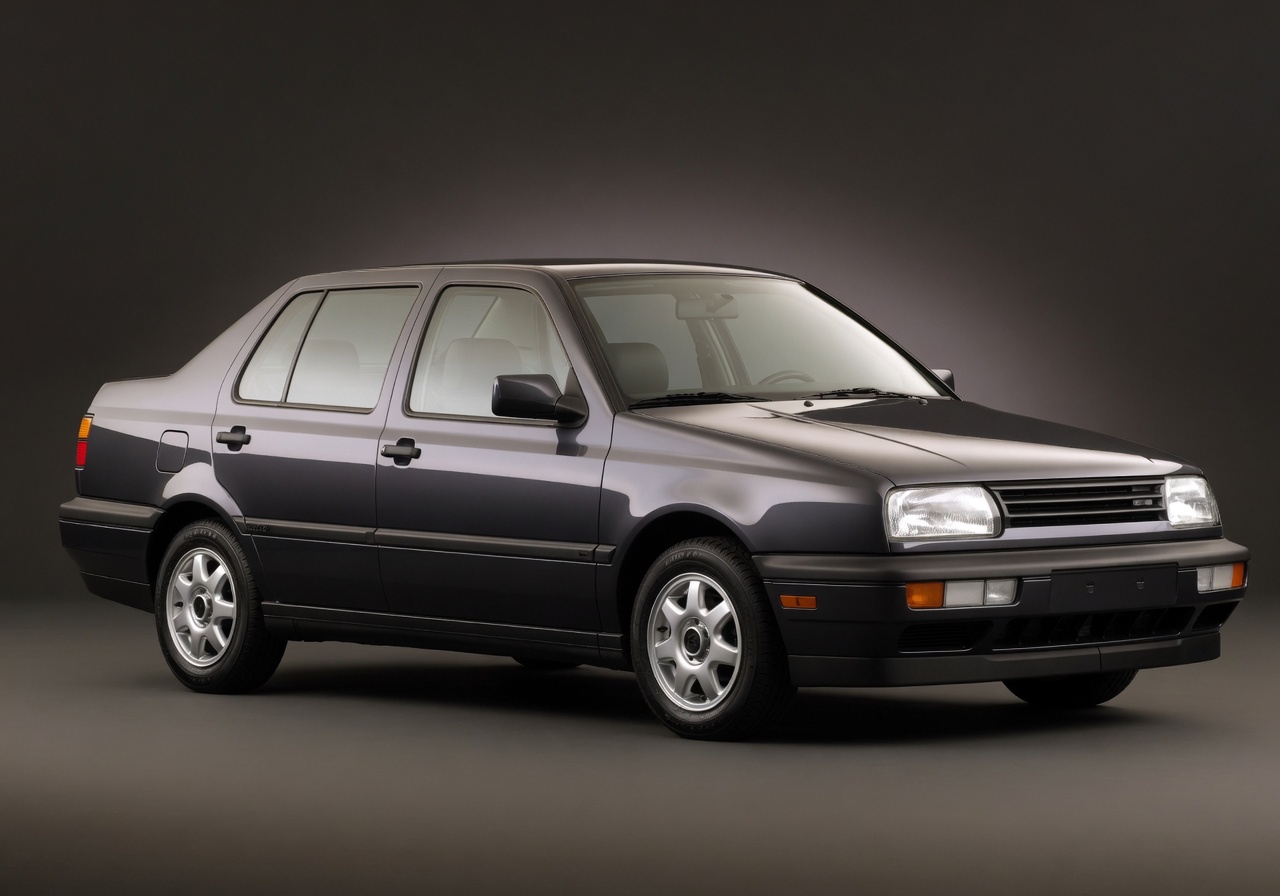
1994 Volkswagen
2.0L I4 (ABA) · Sedan
The 1994 Volkswagen Jetta III (A3 generation) is a compact German sedan that marked a significant step up in refinement, interior quality, and safety over its predecessor. Sold in North America with a range of four-cylinder engines — most commonly the 2.0L 8-valve gasoline unit — it earned a reputation for solid build quality and a grown-up driving feel unusual for its class and price. By the mid-1990s it was one of the better-finished small sedans on the road. At 30 years old, any surviving Jetta III is now a high-mileage or well-preserved classic-daily-driver. Parts availability has thinned considerably, and the early VW OBD-I/OBD-1.5 diagnostics mean modern scan tools don't always play nicely with these cars. Mechanical simplicity of the 2.0L ABA engine is a genuine asset — it's a known quantity that independent VW shops can work on without specialty equipment. In Lake Geneva winters, rust is the single biggest concern on a car this age. Wisconsin road salt has had 30 years to work on floors, subframe mounts, fuel lines, and brake lines. A car with solid mechanicals but compromised structure or safety systems is not worth saving. Approach any purchase or continued ownership with clear eyes about the undercarriage condition.
The 1994 Volkswagen Jetta III (A3 generation) is a compact German sedan that marked a significant step up in refinement, interior quality, and safety over its predecessor. Sold in North America with a range of four-cylinder engines — most commonly the 2.0L 8-valve gasoline unit — it earned a reputation for solid build quality and a grown-up driving feel unusual for its class and price. By the mid-1990s it was one of the better-finished small sedans on the road. At 30 years old, any surviving Jetta III is now a high-mileage or well-preserved classic-daily-driver. Parts availability has thinned considerably, and the early VW OBD-I/OBD-1.5 diagnostics mean modern scan tools don't always play nicely with these cars. Mechanical simplicity of the 2.0L ABA engine is a genuine asset — it's a known quantity that independent VW shops can work on without specialty equipment. In Lake Geneva winters, rust is the single biggest concern on a car this age. Wisconsin road salt has had 30 years to work on floors, subframe mounts, fuel lines, and brake lines. A car with solid mechanicals but compromised structure or safety systems is not worth saving. Approach any purchase or continued ownership with clear eyes about the undercarriage condition.
The ABA engine is tolerant but 30-year-old engines benefit from fresh oil more often. Use a quality 5W-30 or 10W-30 conventional or synthetic. Sludge from infrequent changes is the #1 killer of high-mileage ABA engines.
Plastic thermostat housings and aged rubber hoses crack without warning. A coolant failure on a cold Wisconsin highway can mean a ruined engine in minutes. Replace the thermostat housing with updated parts if it hasn't been done.
Salt corrosion on 30-year-old steel brake lines is a safety emergency waiting to happen. Have every inch of brake and fuel line inspected for rust pitting or soft spots each fall before winter.
The 2.0L ABA is an interference engine. A snapped timing belt destroys the engine. If the service history is unknown, replace it immediately regardless of mileage.
Worn ignition components cause hard starts in cold Wisconsin winters and rough idle. At 30 years old these should be replaced if undocumented.
Torn CV boots allow grease to escape and grit to enter. Catching a torn boot early saves the axle. Cold temps make cracked rubber worse.
Sub-zero Lake Geneva temps can drop cranking capacity by 40–50%. A battery that starts the car fine in October may strand you in January. Test and replace proactively.
Salt accumulation under the car accelerates rust dramatically. Regular high-pressure rinses of wheel wells and the undercarriage extend the life of brake lines, subframe, and floor pan.
Always defer to the manufacturer's service manual for warranty-mandated intervals.
Day-to-day costs are low when the car is healthy — cheap insurance, decent fuel economy, and simple parts. The real risk is surprise expenses: a rusted-through brake line, a failed thermostat housing that overheats the engine, or a missed timing belt. Budget a contingency fund of $1,000–$2,000 beyond routine maintenance for a car this age. Parts sourcing can add time and cost compared to a current-generation vehicle.
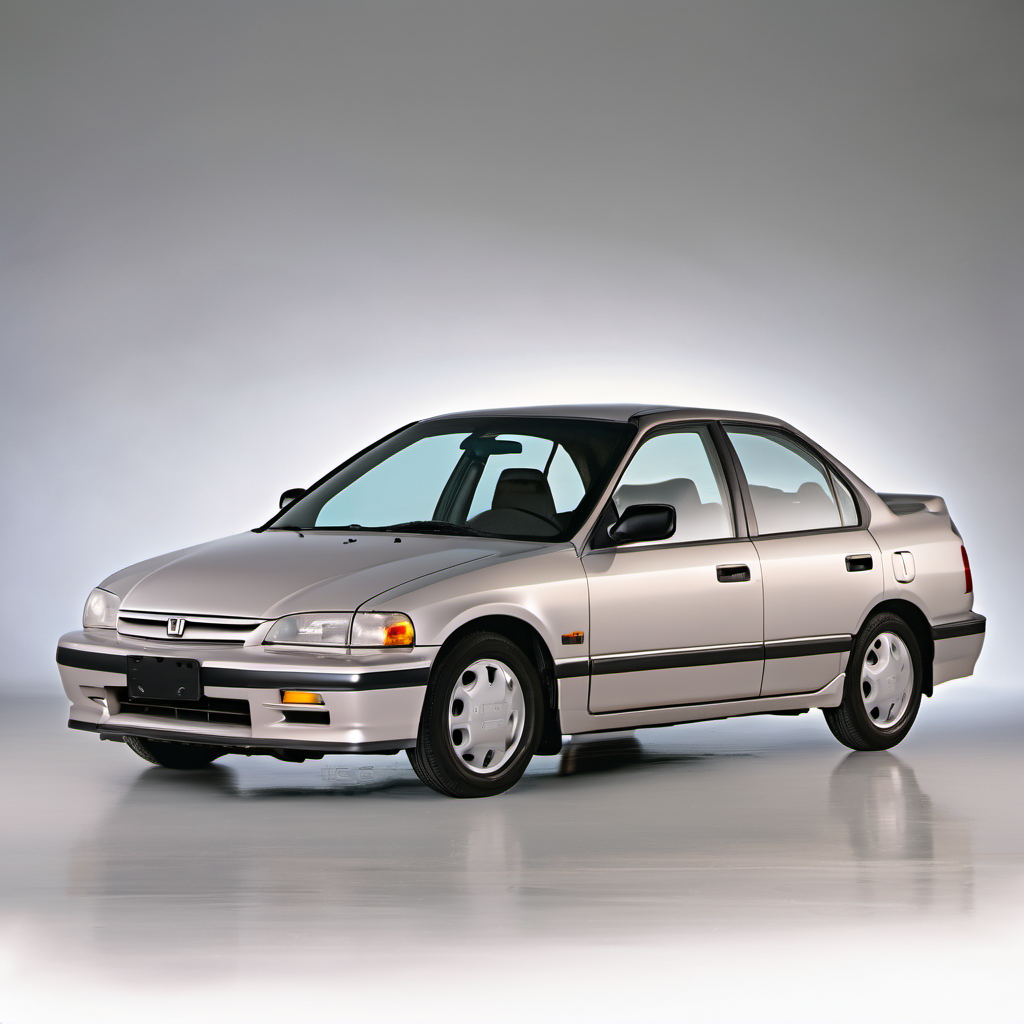
Same compact sedan segment, similar price point when new, comparable fuel economy. The Civic has stronger long-term parts availability and a larger enthusiast support base at this age.
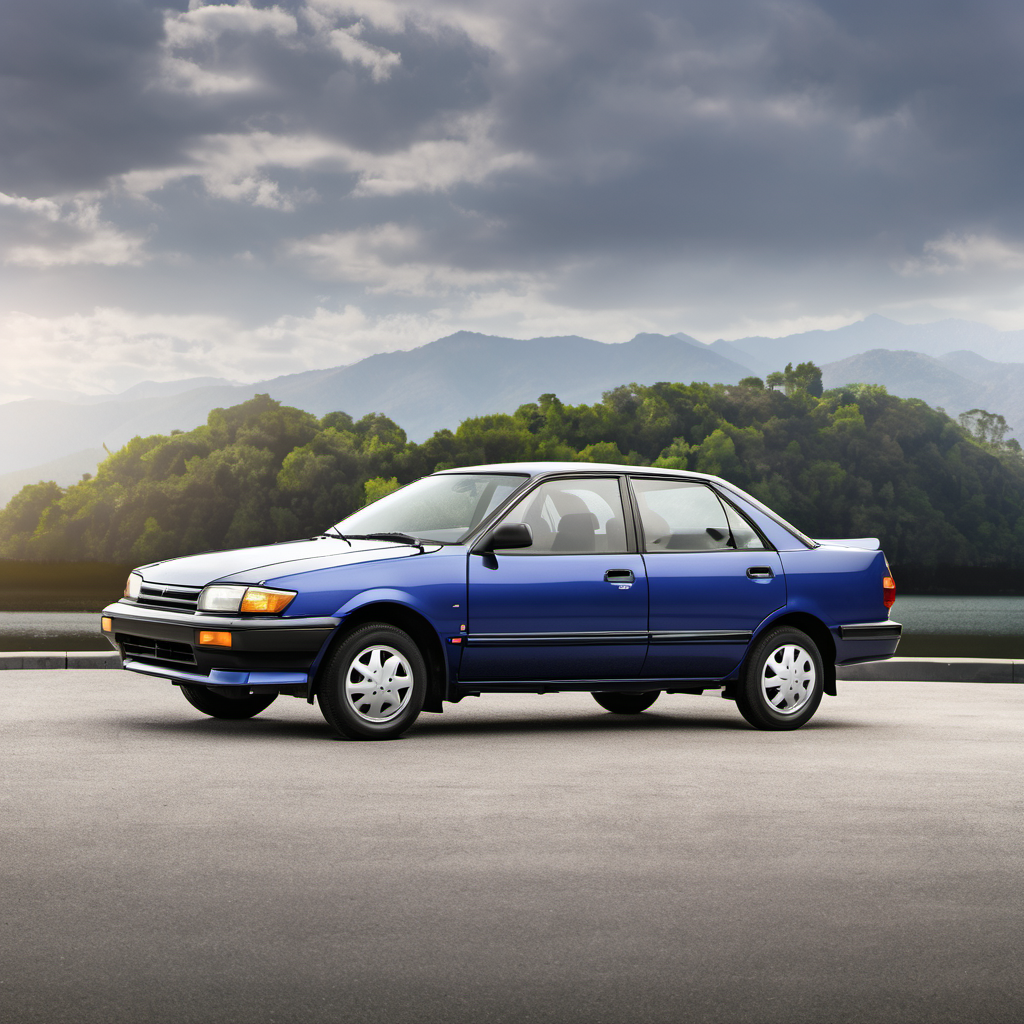
Direct competitor in the entry compact sedan class. Generally considered more rust-resistant and easier to source parts for at 30 years old, with a comparable ownership cost profile.
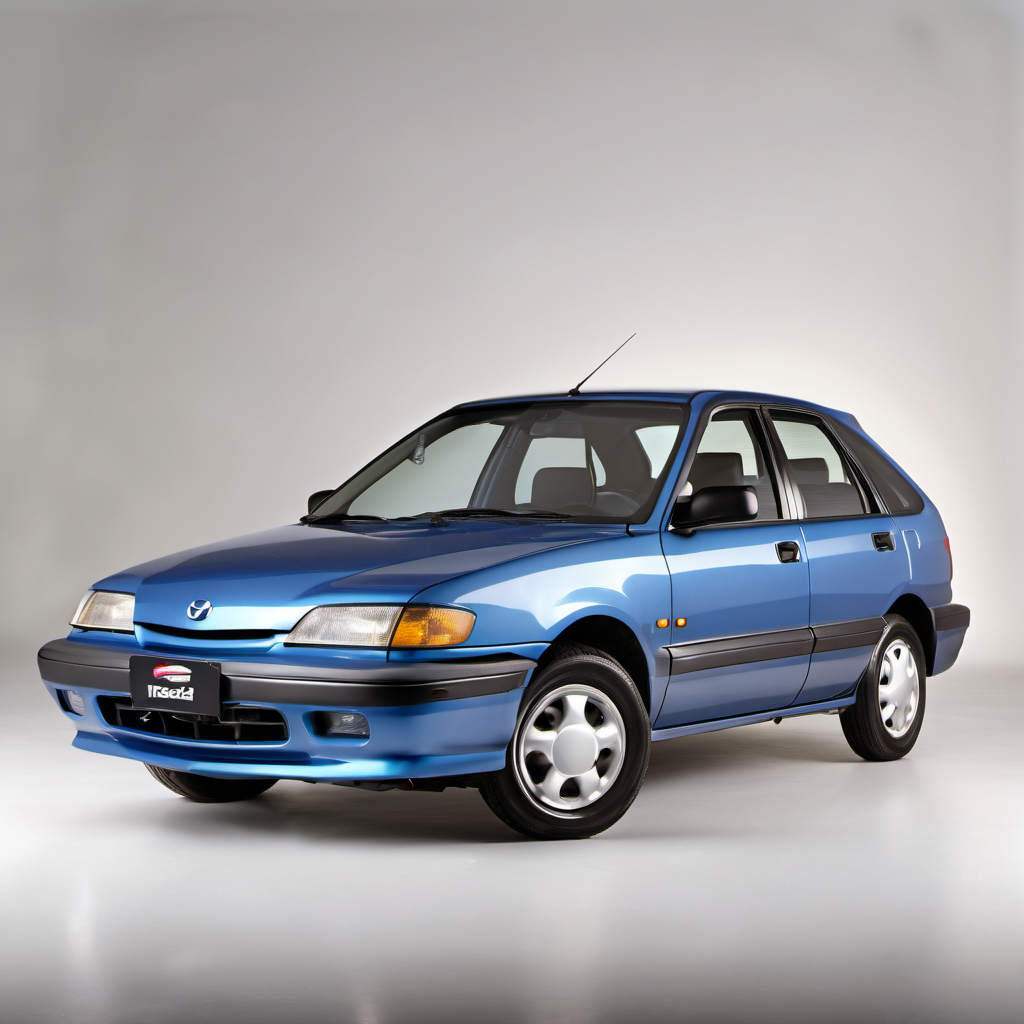
Similar footprint, price, and mission. Simpler mechanically and with a strong reliability reputation from that era, though parts are also getting scarce.

North American market compact sedan at a similar price. Far more plentiful in used parts and easier to service locally, though lacks the Jetta's refinement and European character.