Hydraulic System Failure (SLS pump leaks)
high- Typically appears
- Any mileage on 30+ year-old examples
- Estimated repair
- $400 – $1,200
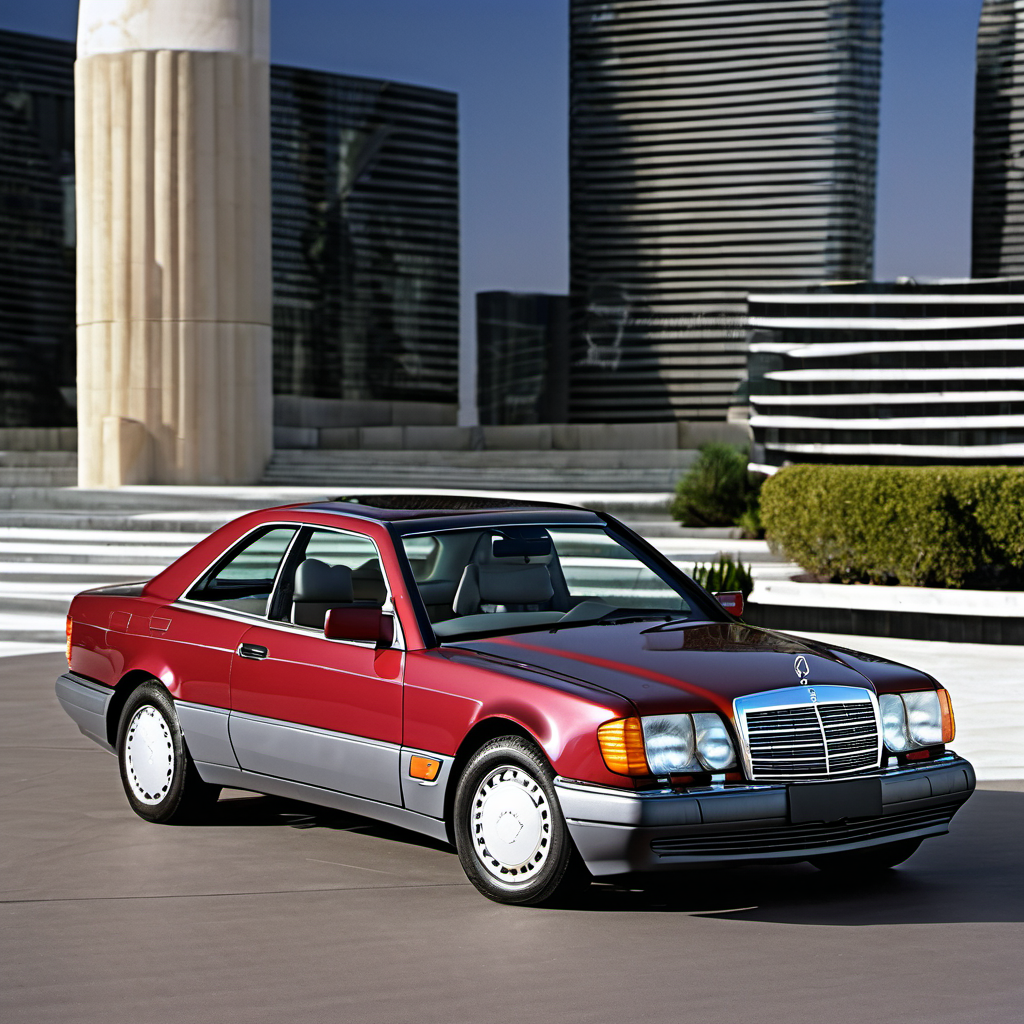
1992 Mercedes-Benz
3.0L I6 (M104) · Coupe
The 1992 Mercedes-Benz 300 CE is a two-door luxury coupe built on the W124 platform — widely regarded as one of the finest chassis Mercedes ever produced. It was hand-finished at the Sindelfingen plant with a level of build quality that put it above most contemporary European competitors. Powered by a 3.0L inline-six and mated to a smooth 4-speed automatic, it offered a blend of understated elegance, touring comfort, and genuine mechanical durability that still attracts enthusiasts today. By 1992 the 300 CE was near the end of its production run (the C124 body was replaced by the new CLK in 1997), so this is a well-sorted late-production example. The W124 platform has a cult following specifically because these cars can survive 300,000+ miles when properly maintained. The flip side: deferred maintenance on a 30+ year-old German luxury car quickly becomes expensive, and the systems that fail are rarely cheap. For a Lake Geneva buyer, this car is best understood as a driver's classic — not a daily winter beater. The inline-six starts reliably in cold weather, but the rubber components, wiring insulation, and hydraulic systems on a car this age need thorough inspection before Wisconsin winters.
The 1992 Mercedes-Benz 300 CE is a two-door luxury coupe built on the W124 platform — widely regarded as one of the finest chassis Mercedes ever produced. It was hand-finished at the Sindelfingen plant with a level of build quality that put it above most contemporary European competitors. Powered by a 3.0L inline-six and mated to a smooth 4-speed automatic, it offered a blend of understated elegance, touring comfort, and genuine mechanical durability that still attracts enthusiasts today. By 1992 the 300 CE was near the end of its production run (the C124 body was replaced by the new CLK in 1997), so this is a well-sorted late-production example. The W124 platform has a cult following specifically because these cars can survive 300,000+ miles when properly maintained. The flip side: deferred maintenance on a 30+ year-old German luxury car quickly becomes expensive, and the systems that fail are rarely cheap. For a Lake Geneva buyer, this car is best understood as a driver's classic — not a daily winter beater. The inline-six starts reliably in cold weather, but the rubber components, wiring insulation, and hydraulic systems on a car this age need thorough inspection before Wisconsin winters.
The M104 has tight oil galleries; sludge from extended intervals is a leading cause of premature wear on these engines.
The M104 aluminum head is sensitive to coolant pH drop. Old coolant accelerates corrosion in the cooling passages and can cause head gasket issues.
Rubber degrades with age as much as mileage on a 30-year-old car. A burst hose in a Wisconsin winter is a stranding event.
This car uses a shared hydraulic pump for multiple systems. Low fluid causes failures across several features simultaneously and can damage the pump.
The M104 is sensitive to ignition wear — rough cold starts and misfires are common when plugs and ignition components are overdue.
The original rubber insulation on 30+ year-old Mercedes wiring becomes brittle, cracks, and causes intermittent electrical faults that are very difficult to diagnose without visual inspection.
Brake fluid is hygroscopic; on an older car with original or aging ABS hydraulic components, contaminated fluid accelerates corrosion inside the ABS modulator.
Wisconsin road salt is the single biggest threat to a W124's long-term survival. Clogged trunk drains are notorious for pooling water and rotting floors from the inside out.
Always defer to the manufacturer's service manual for warranty-mandated intervals.
This car is inexpensive to buy but not inexpensive to own. A well-maintained example costs $1,200–$2,500/year in normal maintenance. A neglected example that needs hydraulics, wiring harness work, and rust repair can easily run $5,000–$10,000 in catch-up costs in the first year. Budget for surprises — parts for W124 coupes are more expensive and harder to source than the sedan equivalents. Use an independent shop with proven Mercedes/European experience; dealer service on a 30-year-old car is rarely cost-effective.
Direct contemporary German luxury sport coupe, RWD, inline-six, similar price bracket. More driver-focused, slightly less refined than the 300 CE but with broader parts availability today.
No catalog match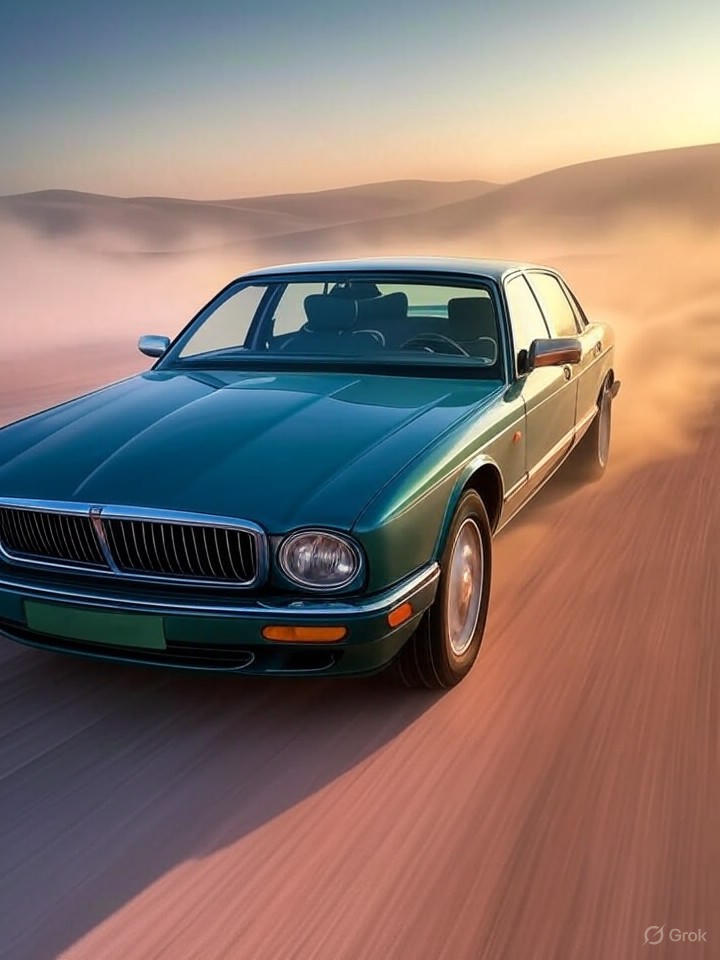
British luxury coupe of the same era at a similar used-market price. More exotic but significantly higher maintenance cost and complexity. For buyers who want European grand touring character.
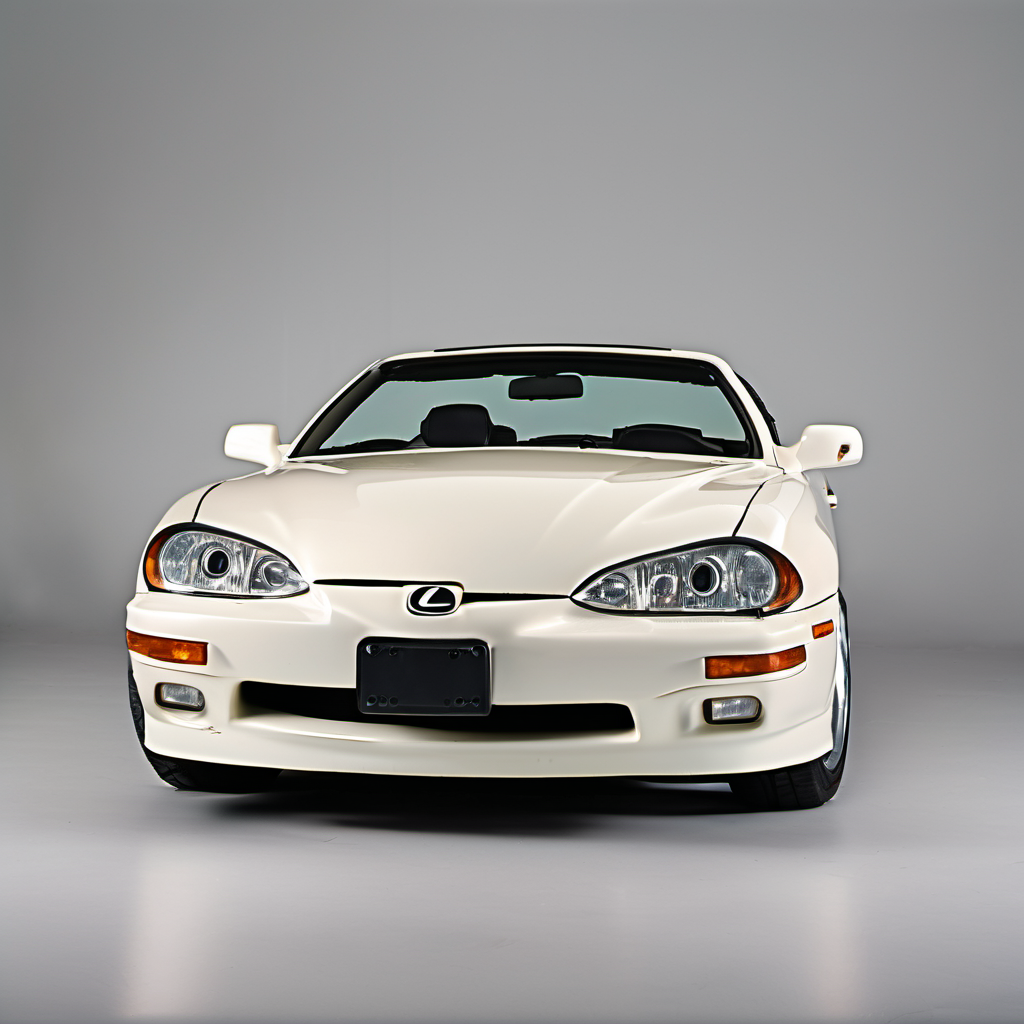
Japanese alternative in the same luxury coupe segment. Inline-six, RWD, similar price when new. Far simpler to maintain, better parts availability, but less character and collector appreciation than the W124.
European luxury coupe contemporary with AWD traction — a practical winter advantage the 300 CE lacks. More complex drivetrain but better suited to Wisconsin winters as a driver.
No catalog match