Active Suspension System Failure
high- Typically appears
- Any mileage at 30+ years
- Estimated repair
- $1,500 – $6,000
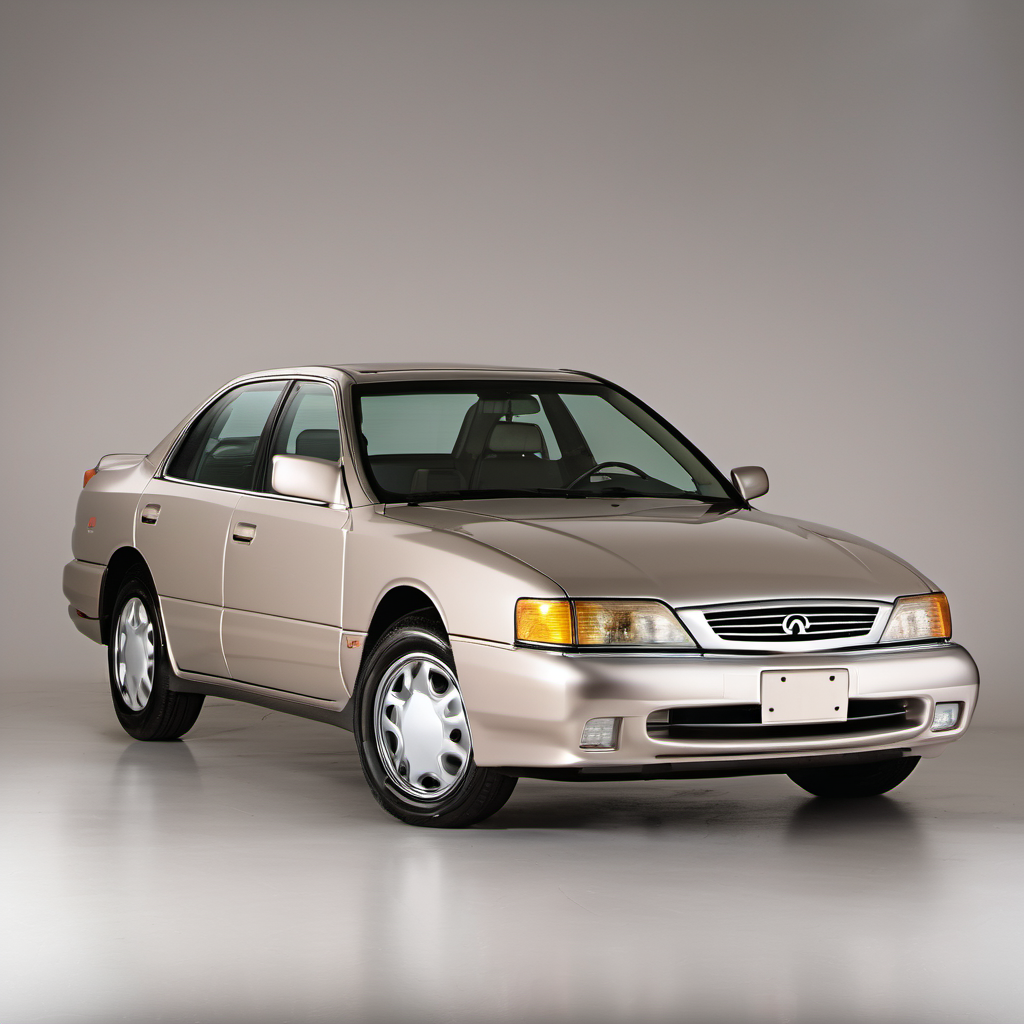
1992 INFINITI
4.5L V8 (VH45DE) · Sedan
The 1992 Infiniti Q45 was Infiniti's flagship sedan at launch — a full-size rear-wheel-drive luxury car built to challenge the Mercedes S-Class and BMW 7 Series. It's powered by a 4.5L V8 producing 278 hp, which was genuinely impressive for 1992, and rides on an independent multi-link suspension all around. The interior is understated Japanese luxury rather than opulent European flair, which divided opinion at the time but aged reasonably well. By 2025, any surviving Q45 is over 30 years old and firmly in collector/enthusiast territory. Parts availability has become the central challenge — Nissan/Infiniti discontinued many OEM components, and the specialty aftermarket is thin. That said, mechanically robust examples still exist, and the VH45DE V8 is considered one of Nissan's finest engines. For a Lake Geneva owner, the biggest concerns are corrosion from decades of Wisconsin salt exposure, aging rubber and seals throughout, and the complexity of the original Active Suspension system (on equipped cars), which is expensive to maintain and nearly impossible to restore to full factory function.
The 1992 Infiniti Q45 was Infiniti's flagship sedan at launch — a full-size rear-wheel-drive luxury car built to challenge the Mercedes S-Class and BMW 7 Series. It's powered by a 4.5L V8 producing 278 hp, which was genuinely impressive for 1992, and rides on an independent multi-link suspension all around. The interior is understated Japanese luxury rather than opulent European flair, which divided opinion at the time but aged reasonably well. By 2025, any surviving Q45 is over 30 years old and firmly in collector/enthusiast territory. Parts availability has become the central challenge — Nissan/Infiniti discontinued many OEM components, and the specialty aftermarket is thin. That said, mechanically robust examples still exist, and the VH45DE V8 is considered one of Nissan's finest engines. For a Lake Geneva owner, the biggest concerns are corrosion from decades of Wisconsin salt exposure, aging rubber and seals throughout, and the complexity of the original Active Suspension system (on equipped cars), which is expensive to maintain and nearly impossible to restore to full factory function.
The VH45DE rewards clean oil. At this age, shorter intervals help catch bearing wear early and keep sludge from forming in an engine that may sit for extended periods.
30-year-old coolant hoses are past their expected service life. Inspect for cracking, softness, and seeping at clamps. A burst hose in a Wisconsin winter can destroy the engine.
The VH45DE is an interference engine. A timing belt failure causes catastrophic internal damage. Any belt without documented replacement history should be treated as overdue.
Brake fluid absorbs moisture over time, lowering boiling point and accelerating corrosion inside the calipers and ABS modulator — both expensive on this car.
Wisconsin road salt accelerates frame and subframe corrosion. Catching surface rust early with treatment is far cheaper than structural repairs later.
Aged plug wires on a 30-year-old V8 are a common cause of rough idle and poor fuel economy. Replace as a set.
The hydraulic active suspension uses a specialized fluid and pump. Leaks are common at this age. Running low on fluid damages the pump, which is extremely difficult to source.
Cold Wisconsin winters are hard on aging batteries. A battery that passes a summer load test can still fail at -10°F. Test every October and replace proactively if over 4 years old.
Always defer to the manufacturer's service manual for warranty-mandated intervals.
A rust-free, mechanically sorted Q45 can be relatively affordable to maintain year-to-year if you stay on top of routine work. The risk is in the unknowns: one Active Suspension failure, a timing belt job, or significant rust remediation can easily run $2,000–$6,000 in a single visit. Budget conservatively and build a repair reserve. Parts sourcing is the biggest operational headache — some OEM components are no longer available new, pushing you toward used or fabricated parts.
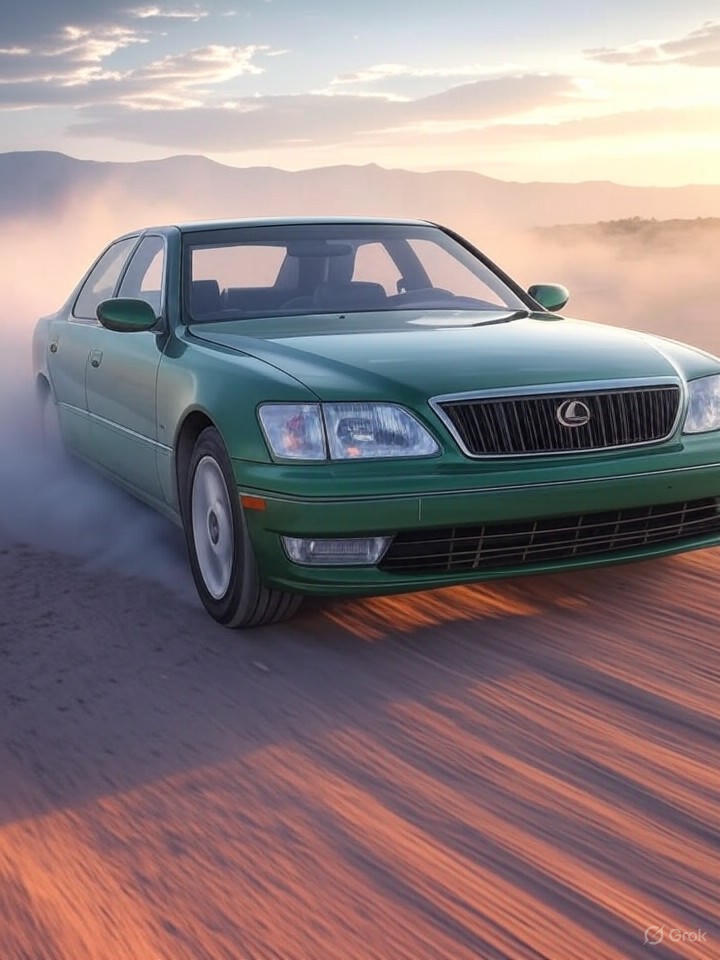
The most direct competitor — same era, same mission (Japanese luxury flagship), similar V8 power. The LS 400 has significantly better parts availability and a larger enthusiast community, making it more practical to own today.
RWD V8 European flagship from the same period. More driver-focused feel, but maintenance costs are considerably higher and parts sourcing for a 30-year-old BMW is also challenging.
No catalog match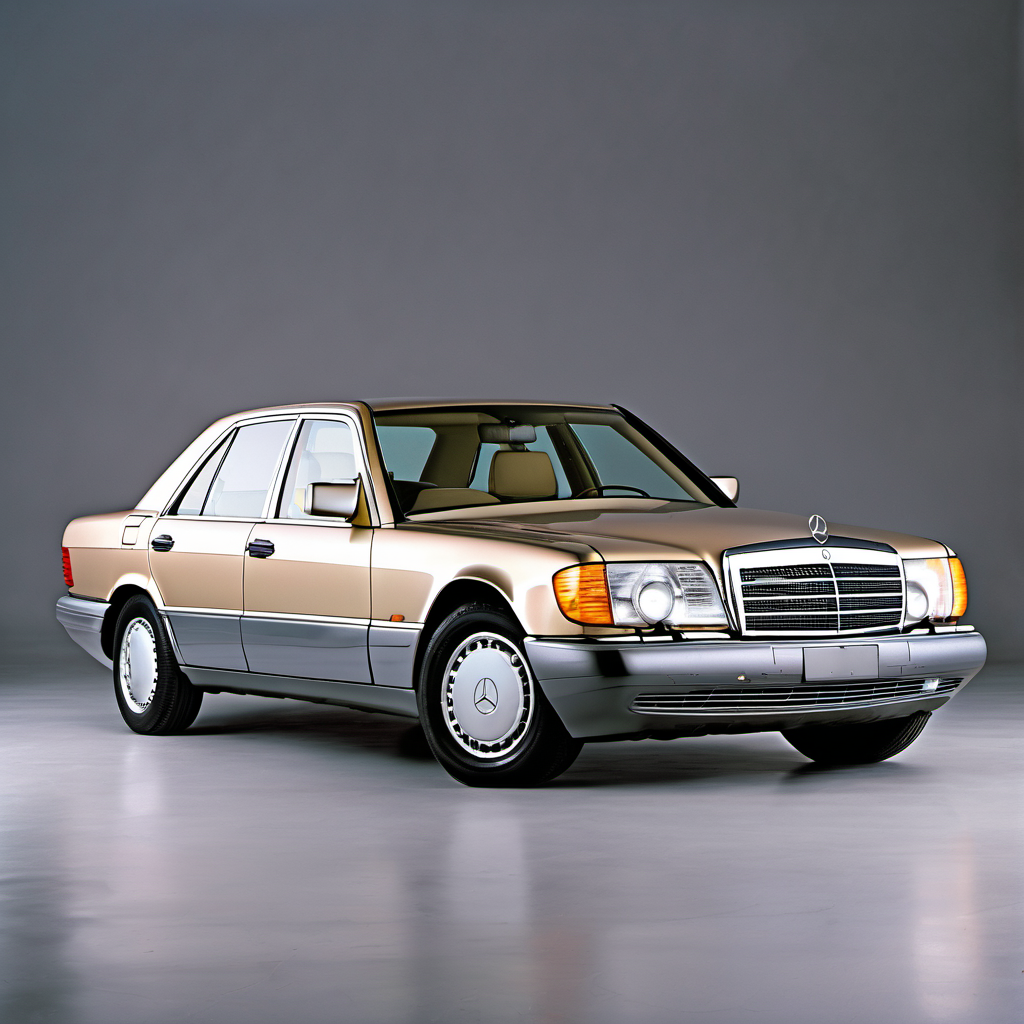
The W140 S-Class was the Q45's primary target. Supremely over-engineered and comfortable, but W140 electrical systems are notoriously complex and expensive to repair at this age.
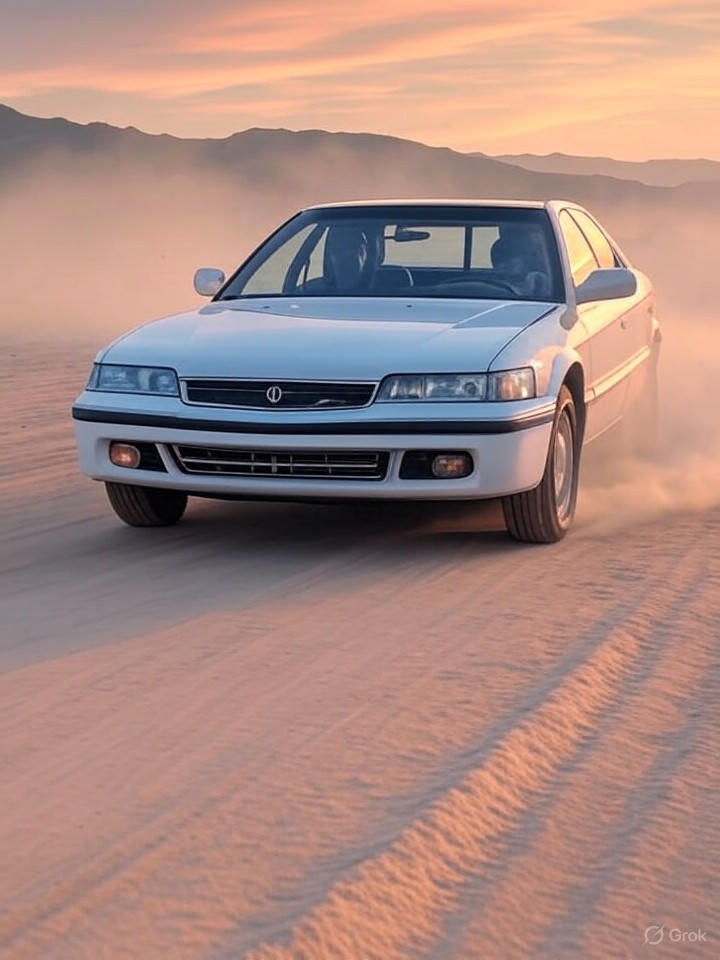
A step down in size and price but a similar philosophy — refined Japanese engineering, strong V6, understated styling. Far better parts availability and a more practical daily-driver proposition today.