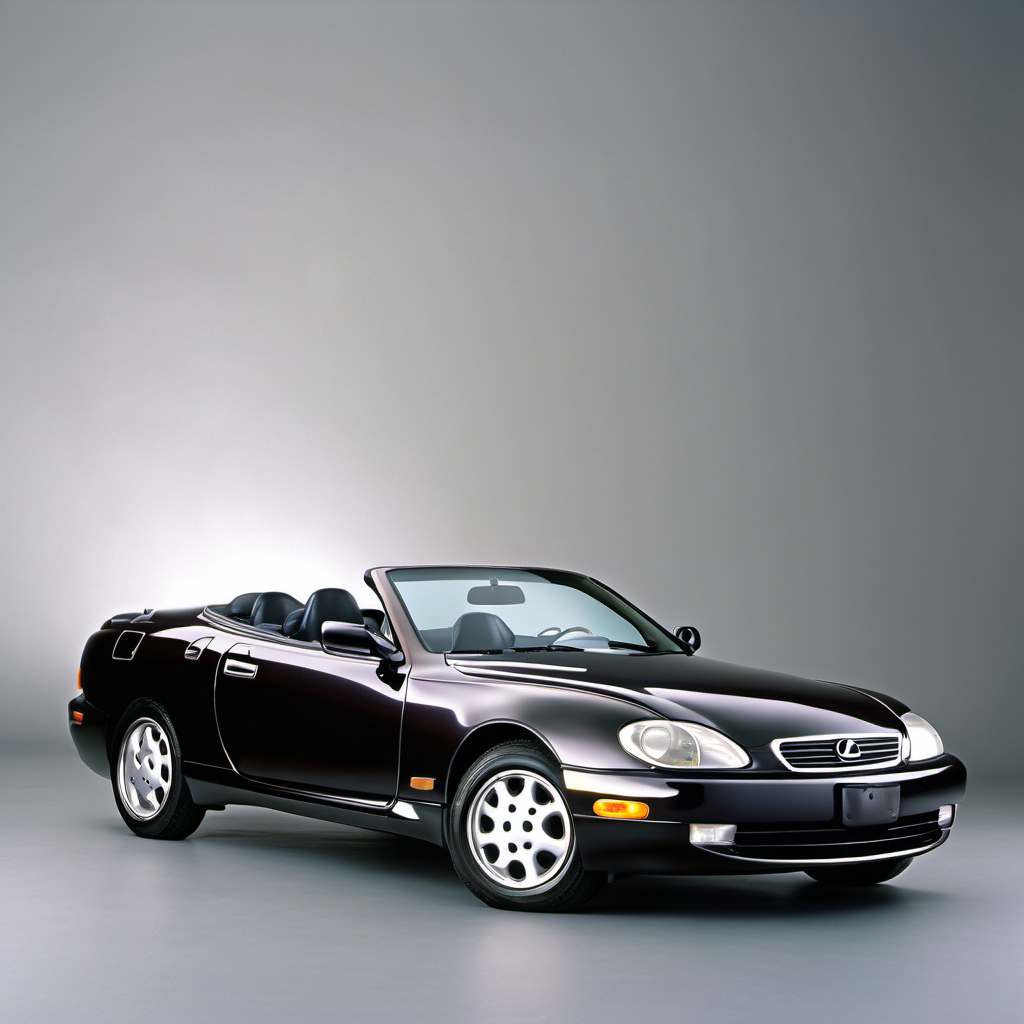
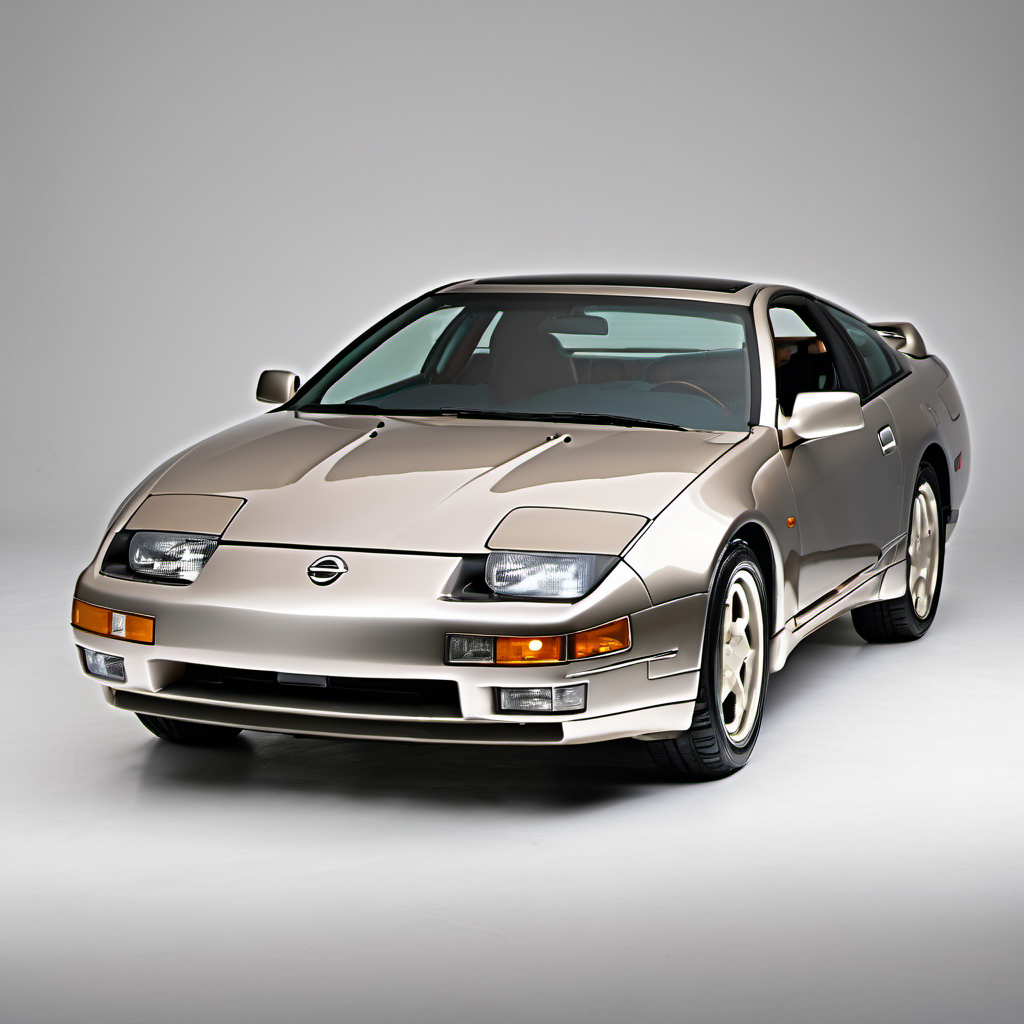
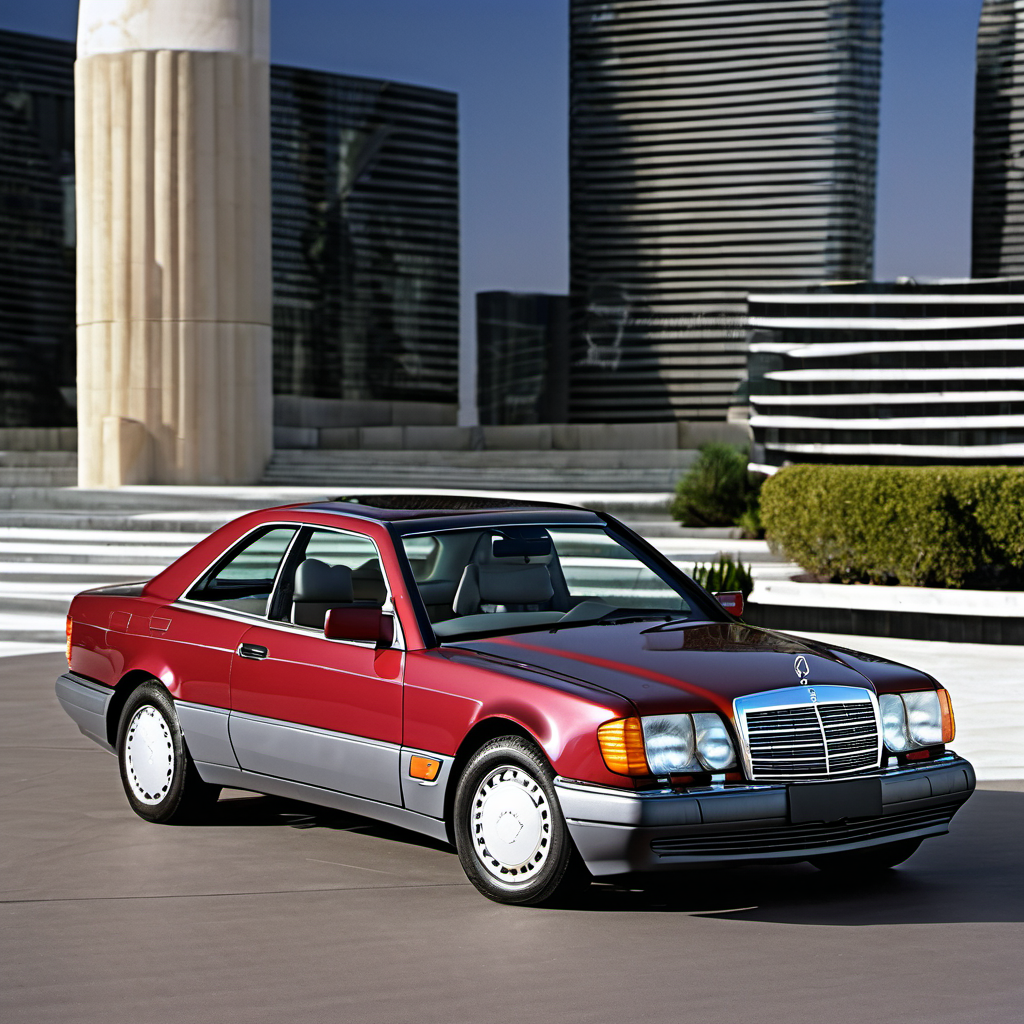
1992 INFINITI M Coupe

1992 INFINITI

MCoupe

3.0L V6 SOHC · Coupe

The 1992 Infiniti M Coupe — sold in North America as the M30 — was a short-lived luxury grand tourer based on the Nissan/Infiniti platform shared with the Leopard in Japan. It was sold in the U.S. from 1990 through 1992 and represents one of Infiniti's earliest attempts to crack the entry-luxury coupe segment against the likes of the Lexus SC and Acura Legend Coupe. It was powered by a smooth 3.0L V6 and offered a refined, long-wheelbase ride in a handsome two-door body. The M30 was never a volume seller, and production numbers were low — which makes parts increasingly difficult to source today. Its combination of Japanese engineering and Nissan underpinnings means many mechanical components can still be cross-referenced with Nissan parts, which helps on cost. However, the electronics and body-specific trim pieces are genuinely hard to find at this point. As a 30-plus-year-old vehicle, any surviving M30 will require a buyer who is serious about older Japanese luxury cars and has access to a shop comfortable with the platform. This is not a daily driver candidate for most people; it is a weekend or collector car that rewards careful, proactive maintenance.

Reliability
2/5
Verified data
Engine
3.0L V6 SOHC
Drivetrain
RWD
Fuel
Gasoline
MPG
17 city / 23 hwy / 19 combined
Seats
4
Doors
2
Body
Coupe
MSRP
$26,000

Overview

AI-curated

The 1992 Infiniti M Coupe — sold in North America as the M30 — was a short-lived luxury grand tourer based on the Nissan/Infiniti platform shared with the Leopard in Japan. It was sold in the U.S. from 1990 through 1992 and represents one of Infiniti's earliest attempts to crack the entry-luxury coupe segment against the likes of the Lexus SC and Acura Legend Coupe. It was powered by a smooth 3.0L V6 and offered a refined, long-wheelbase ride in a handsome two-door body. The M30 was never a volume seller, and production numbers were low — which makes parts increasingly difficult to source today. Its combination of Japanese engineering and Nissan underpinnings means many mechanical components can still be cross-referenced with Nissan parts, which helps on cost. However, the electronics and body-specific trim pieces are genuinely hard to find at this point. As a 30-plus-year-old vehicle, any surviving M30 will require a buyer who is serious about older Japanese luxury cars and has access to a shop comfortable with the platform. This is not a daily driver candidate for most people; it is a weekend or collector car that rewards careful, proactive maintenance.

Known for
  • Smooth, torque-rich 3.0L V6 engine shared with Nissan/Infiniti stable
  • Comfortable, long-wheelbase grand tourer ride quality
  • Low U.S. production numbers — a genuine rarity today
  • Early Infiniti brand identity — minimalist luxury interior
Best for
  • Collectors interested in early Infiniti history
  • Owners who enjoy older Japanese luxury cars
  • Weekend drivers who can dedicate time to upkeep
  • Enthusiasts with access to a knowledgeable independent shop
Watch for
  • Extremely limited parts availability — especially body trim and interior pieces
  • Age-related rubber deterioration: hoses, seals, bushings all suspect at this point
  • Rust from road salt exposure — a serious concern for any Wisconsin-region car
  • Aging electronics and wiring that can develop high-resistance gremlins
  • Convertible variant (which some M30s were) has additional top mechanism concerns

Common issues by mileage

6 known

Cooling system failure — hoses, thermostat, and radiator

high
Typically appears
Any mileage at 30+ years
Estimated repair
$300 – $900

Fuel system rubber degradation — fuel injector o-rings, fuel lines

high
Typically appears
Any mileage at 30+ years
Estimated repair
$250 – $700

Rear suspension bushing deterioration

high
Typically appears
60k+ mi / age
Estimated repair
$400 – $900

Electrical gremlins — corroded connectors, aging wiring insulation

medium
Typically appears
Any mileage at 30+ years
Estimated repair
$150 – $600

Power window regulator and motor failure

medium
Typically appears
80k+ mi / age
Estimated repair
$150 – $400

Underbody and floor rust from road salt exposure

high
Typically appears
Any mileage — climate dependent
Estimated repair
$500 – $3,500

Maintenance schedule

  1. 1
    Immediate on purchase, then every 3 years Full cooling system refresh — hoses, clamps, thermostat, coolant flush

    Original rubber hoses are over 30 years old and should be considered a replacement item regardless of visual appearance. A cooling failure on a rare car with scarce parts is an expensive problem.

  2. 2
    Immediate on purchase Fuel injector o-ring and fuel line inspection/replacement

    Aged rubber fuel system components are a fire risk and will cause hard starts and rough idle. Address this when the car changes hands.

  3. 3
    Immediately if history unknown; otherwise every 60k mi or 5 years Timing belt replacement (if not documented)

    The VG30E is an interference engine. A broken timing belt causes major internal damage. If there is no paperwork proving a recent replacement, do it now.

  4. 4
    Every 3,000–5,000 miles Engine oil and filter change — use conventional 10W-30 or manufacturer spec

    Older engines with high mileage benefit from more frequent changes; sludge buildup in a neglected VG30E is expensive to remedy.

  5. 5
    Annually Inspect and lubricate all door, trunk, and hood hinges and latches

    Aged hinges on a rarely-serviced coupe seize up, leading to broken hardware that is impossible to source new.

  6. 6
    Annually, before Wisconsin winter Inspect underbody and floor pans for rust — treat and seal as needed

    Any car that has spent time in the upper Midwest is at risk of salt-accelerated rust. Catching it early saves the car; ignoring it ends it.

  7. 7
    Every fall before winter Battery load test and cable/terminal inspection

    Sub-zero starts put maximum strain on an aging battery and starter. Wisconsin winters will expose a weak battery immediately.

  8. 8
    Every 2 years Brake fluid flush

    Glycol-based brake fluid is hygroscopic and absorbs moisture over time, lowering the boiling point and corroding internal brake components. On a 30-year-old car, this is critical.

Always defer to the manufacturer's service manual for warranty-mandated intervals.

Cost of ownership

Annual maintenance
$800 – $2,500
Fuel
Expect roughly 19 mpg combined in normal mixed driving. Premium fuel recommended per original spec. At current prices, plan for $2,000–$2,800/year at 10,000 miles annually.
Insurance
As a low-value classic/specialty coupe, agreed-value collector car insurance is often available and may be cheaper than standard full coverage — shop specialty insurers. Standard full coverage on a daily driver policy will likely run $600–$1,100/year depending on driver profile.

The M30 is relatively inexpensive to insure and fuel given its age and collector status. The real cost exposure is maintenance and repairs: parts scarcity means labor time is high when something unusual breaks, and some items may require NOS (new-old-stock) sourcing or fabrication. Budget at the higher end of the maintenance range if the car has deferred service history, and keep a contingency fund for parts hunting.
Seasonal care

Lake Geneva, WI
Winter
  • Avoid daily salt-road driving if at all possible — this car's age makes it extremely vulnerable to accelerated rust from Wisconsin road brine. Store or limit winter use.
  • If driven in winter, rinse the underbody thoroughly after every salted-road trip, paying close attention to rocker panels, wheel wells, and subframe.
  • Test battery every fall with a load tester — cold cranking a 30-year-old V6 in sub-zero temps will fail a marginal battery instantly.
  • Switch to winter wiper blades and use a washer fluid rated to at least -20°F — freeze-ups will crack the reservoir or pump on a car with no replacement parts.
  • Check antifreeze concentration before first freeze — aim for protection to -34°F minimum for Lake Geneva winters.
  • Keep a block heater or battery tender in mind for extended cold storage; cold soaks degrade aged seals and gaskets faster.
Summer
  • Inspect the cooling system before summer heat — the 3.0L V6 runs warm and a marginal thermostat or hose will fail under sustained summer heat.
  • Check A/C system charge and inspect the condenser for debris — the system uses R-134a (if previously converted) or original R-12; confirm which before adding refrigerant.
  • Check tire pressure monthly — summer heat raises pressure and aged tires on a seldom-driven car may have flat spots or sidewall cracking that becomes dangerous at speed.
  • Inspect rubber weatherstripping around windows and doors for cracking — UV and heat accelerate deterioration on a 30-year-old car and water intrusion damages the interior.

Comparable vehicles

If you're shopping for one

Red flags
  • Any rust bubbling under the paint on rocker panels, door bottoms, or rear wheel arches — walk away
  • No service history or timing belt records on a car this age
  • Seller cannot demonstrate all power accessories (windows, locks, mirrors) working
  • Evidence of water intrusion in the interior — stained headliner, musty smell, wet carpet
  • Cooling system that runs hot or shows any steam — this car is too rare and parts too scarce for a surprise engine job
  • Asking price that seems too good — surviving M30s are either cared-for or neglected; cheap usually means neglected
What to inspect
  • Floor pans and rocker panels for rust perforation — probe with a screwdriver, not just a visual check
  • Timing belt replacement documentation — non-negotiable on an interference engine of unknown history
  • All rubber fuel lines and coolant hoses for cracking, swelling, or weeping
  • Power windows, locks, and mirrors — these are the first electrics to fail and parts are scarce
  • A/C system — confirm whether it has been converted from R-12 to R-134a and whether it holds a charge
  • Undercarriage for any signs of prior collision repair or frame damage
AI profile generated 4 days ago · claude-sonnet-4-6 · v2.