Timing belt failure
high- Typically appears
- Any mileage / age-related
- Estimated repair
- $300 – $550
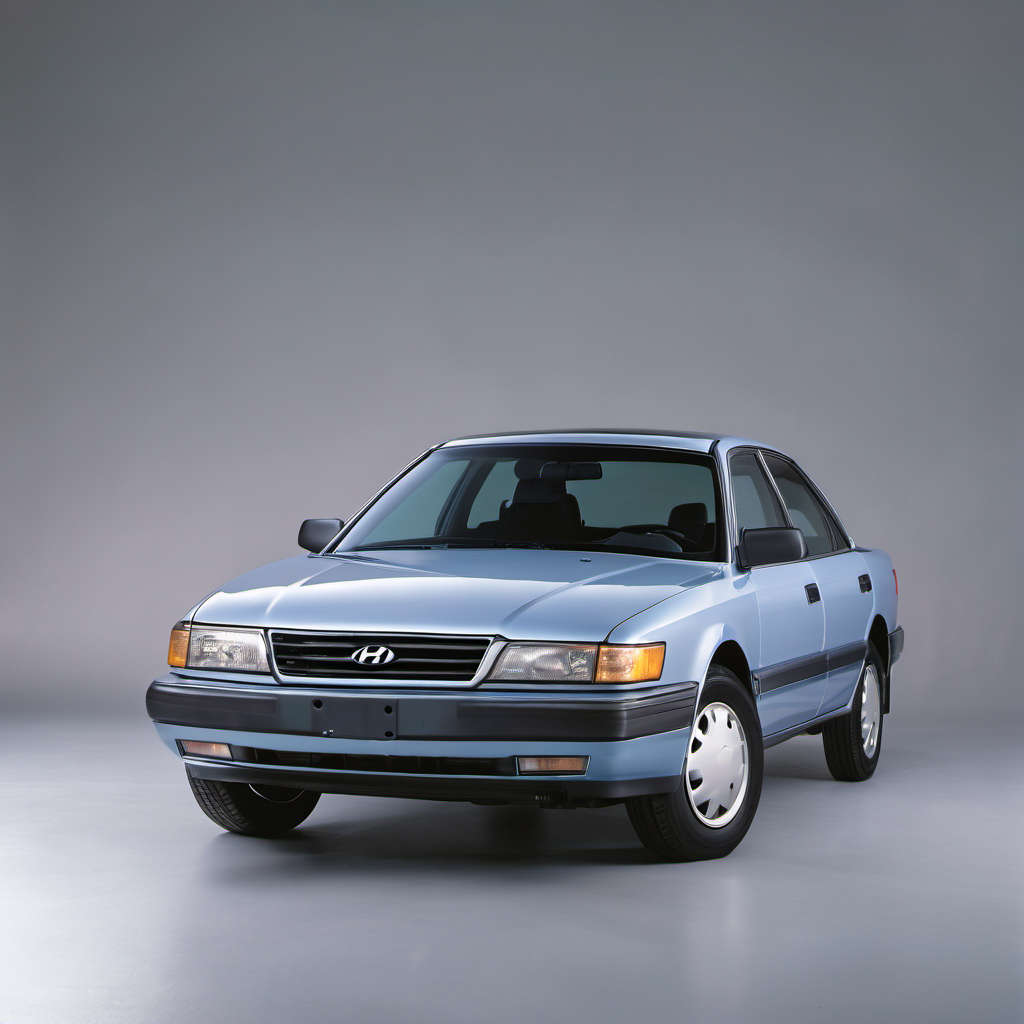
1992 Hyundai
Sedan
The 1992 Hyundai Sonata is a front-wheel-drive mid-size sedan from Hyundai's second generation (Y2, 1989–1993). It was Hyundai's flagship sedan at the time, positioned to compete with entry-level offerings from Honda and Toyota at a noticeably lower price point. It came standard with a 2.0L four-cylinder and was also offered with a 3.0L V6 in higher trims. For its era, the Sonata offered a surprisingly roomy interior and a long feature list for the money. Ride quality was acceptable for a family sedan, though it was never praised for sporty handling. Build quality was a step below the Japanese competition of the time — early 1990s Hyundai still had a mixed reputation — but mechanically the cars are straightforward and inexpensive to maintain. At over 30 years old, any surviving 1992 Sonata is a high-mileage, high-age vehicle. Rust is the primary concern in Wisconsin, followed by worn rubber, aged electrical components, and deferred maintenance. These cars are not collectible, so values are minimal — budget ownership is the main draw, if one in solid shape can be found.
The 1992 Hyundai Sonata is a front-wheel-drive mid-size sedan from Hyundai's second generation (Y2, 1989–1993). It was Hyundai's flagship sedan at the time, positioned to compete with entry-level offerings from Honda and Toyota at a noticeably lower price point. It came standard with a 2.0L four-cylinder and was also offered with a 3.0L V6 in higher trims. For its era, the Sonata offered a surprisingly roomy interior and a long feature list for the money. Ride quality was acceptable for a family sedan, though it was never praised for sporty handling. Build quality was a step below the Japanese competition of the time — early 1990s Hyundai still had a mixed reputation — but mechanically the cars are straightforward and inexpensive to maintain. At over 30 years old, any surviving 1992 Sonata is a high-mileage, high-age vehicle. Rust is the primary concern in Wisconsin, followed by worn rubber, aged electrical components, and deferred maintenance. These cars are not collectible, so values are minimal — budget ownership is the main draw, if one in solid shape can be found.
The 2.0L is an interference engine. A snapped belt means bent valves and a wrecked engine. At this age, assume the belt is overdue unless you have documentation.
Rubber hoses on a 30-year-old car are brittle and prone to sudden failure. Overheating will destroy this engine quickly.
Brake lines on upper Midwest vehicles of this age are frequently rusted. A visual inspection of lines and hoses is critical for safety.
Cracked boots allow grease to escape and grit to enter, destroying the joint. Catching a cracked boot early avoids a costlier axle replacement.
Older engines with higher mileage benefit from more frequent oil changes to prevent sludge buildup and wear.
Worn plugs cause hard starts in cold Wisconsin winters and reduce fuel efficiency. Ignition wires on cars this age often have cracked insulation.
Salt roads in Lake Geneva will accelerate any existing rust. Catching early surface rust and treating it prevents structural damage.
Cold cranking amps drop dramatically below 0°F. An aging battery that tests borderline in October will fail in January.
Always defer to the manufacturer's service manual for warranty-mandated intervals.
On paper this is a cheap car to own — low purchase price and simple mechanicals. The real wildcard is deferred maintenance catch-up. A 30-year-old vehicle that hasn't had consistent care can surprise you with $1,500–$3,000 in needed work upfront (timing belt, hoses, brakes, tires). Budget for that reality. Annual ongoing costs should be modest if major items are addressed.
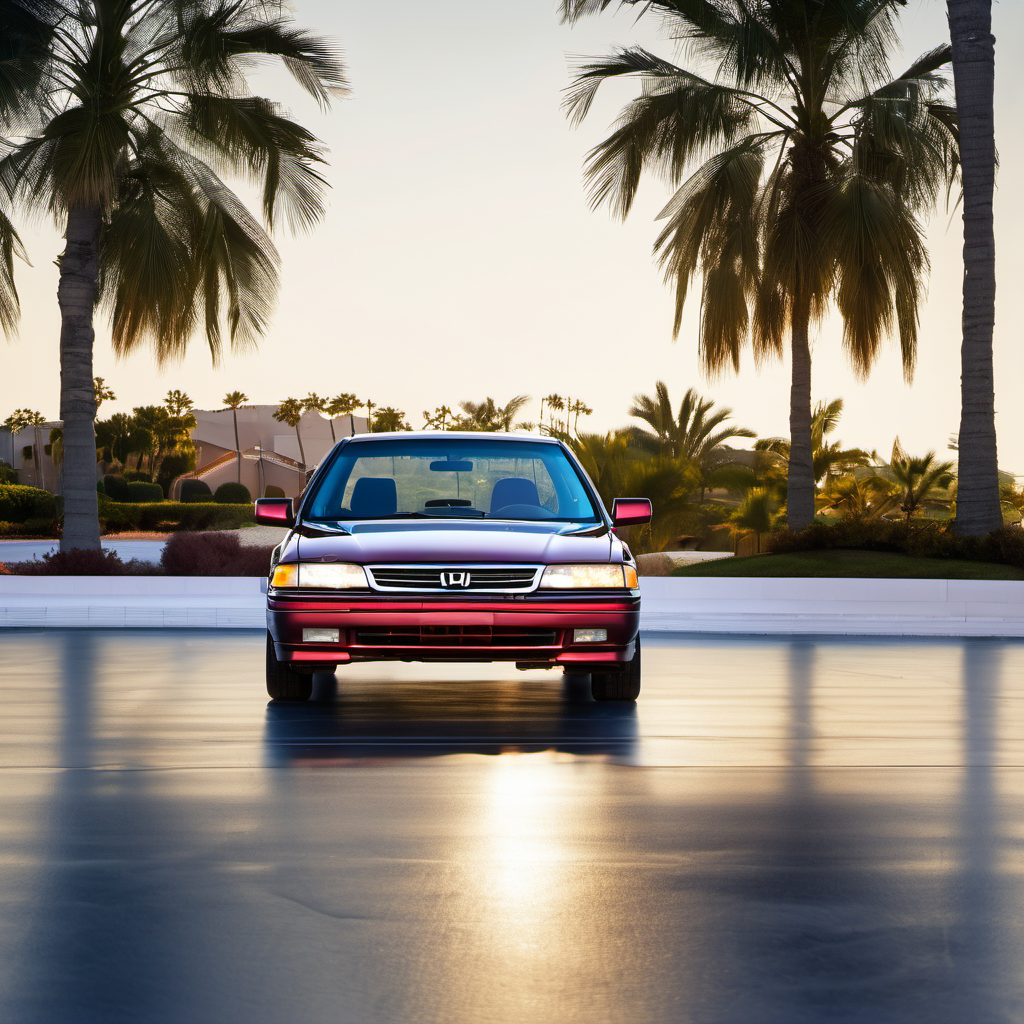
Same era mid-size FWD sedan at a similar original price point, but with significantly better build quality and parts availability. A better long-term bet if you're shopping this vintage.
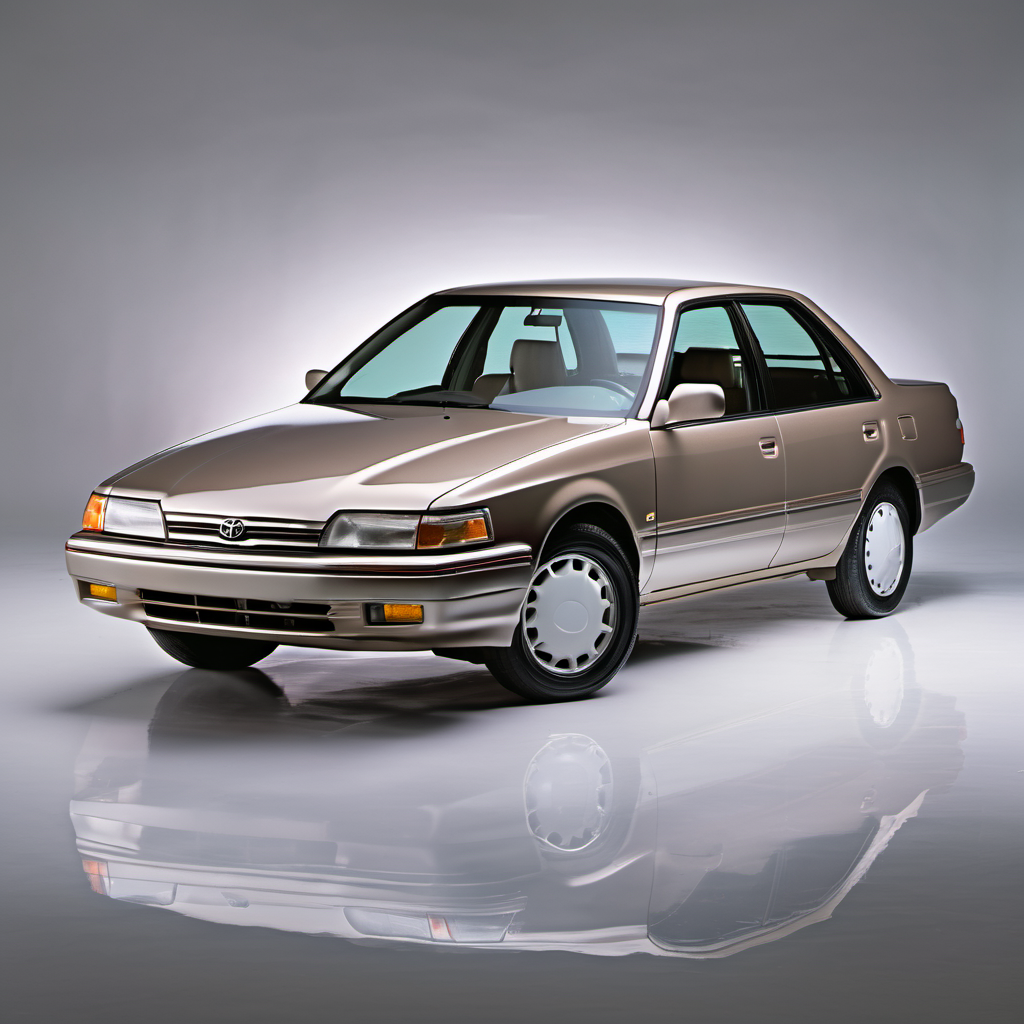
Direct competitor in the affordable family sedan segment. The early-90s Camry has a strong reputation for longevity that the Sonata of this era simply doesn't match.
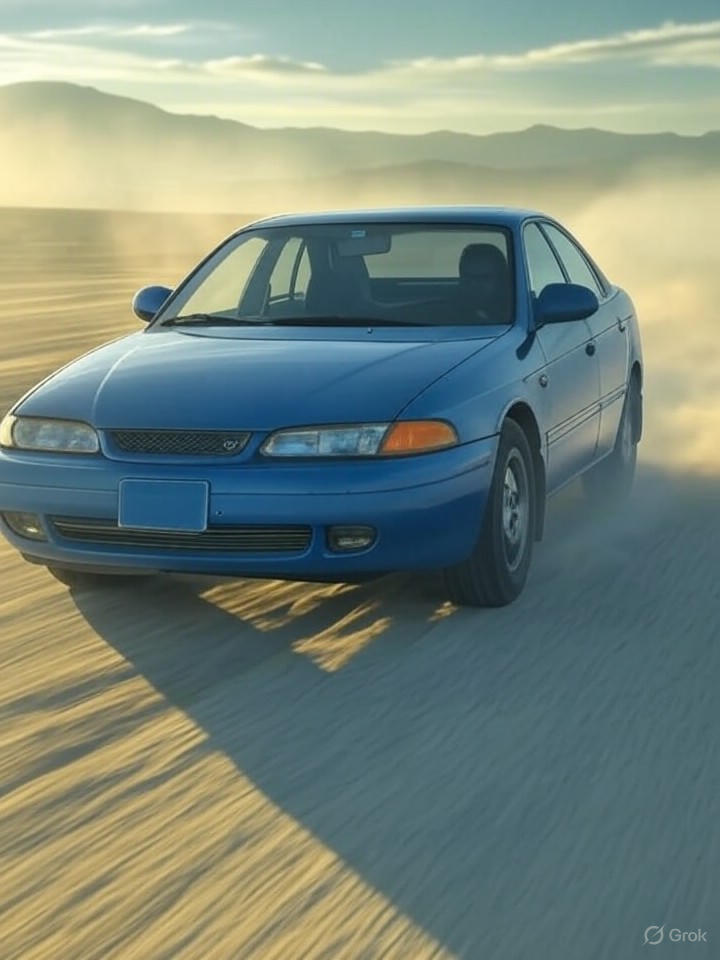
Similar size, FWD layout, and price bracket. The 626 had better driver engagement and comparable reliability for this generation.
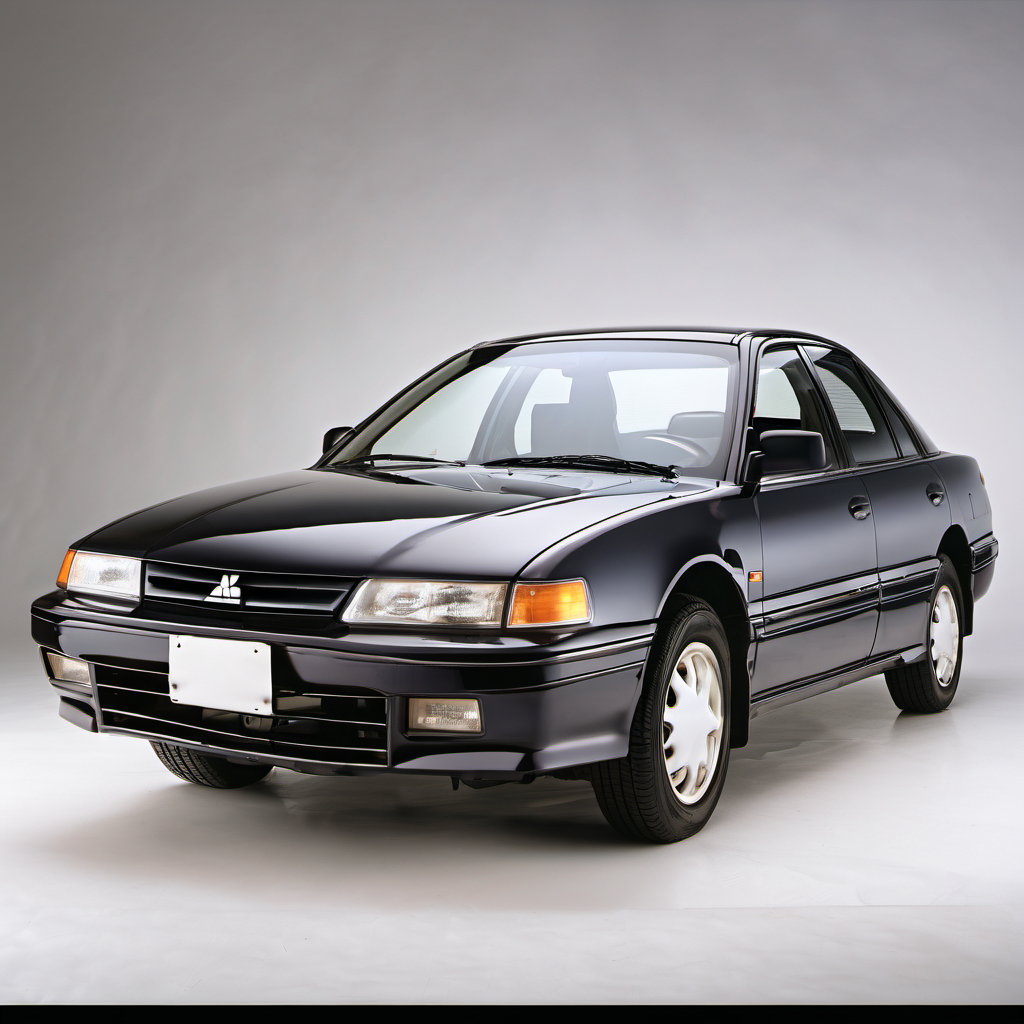
Shared some Mitsubishi engineering DNA with Hyundai of this era. Similar ownership experience and cost profile — equally aged, so the same rust and wear concerns apply.