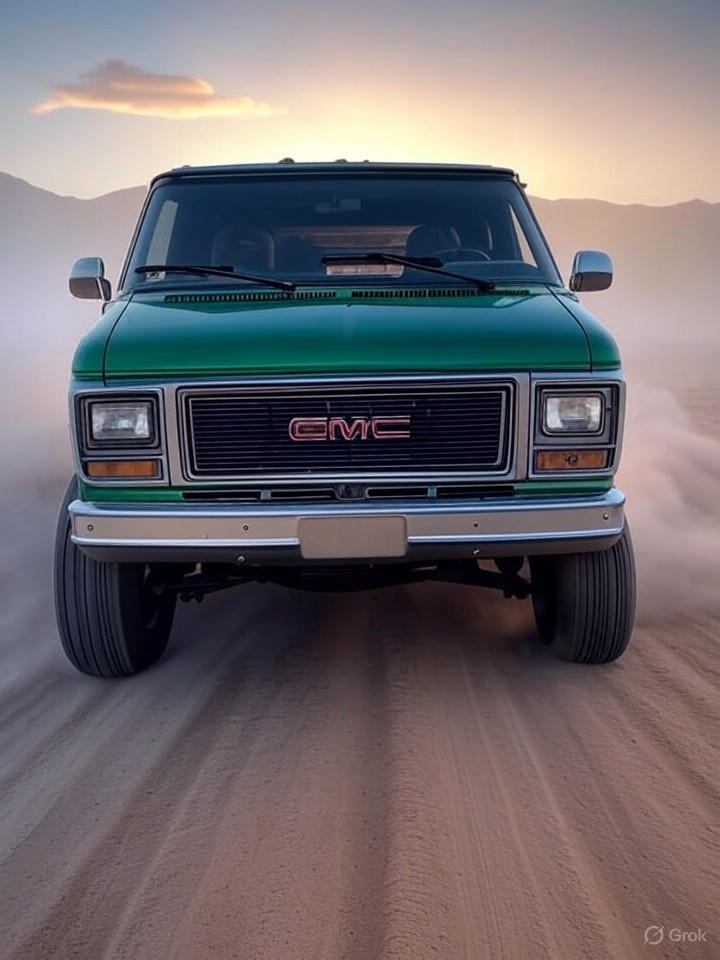
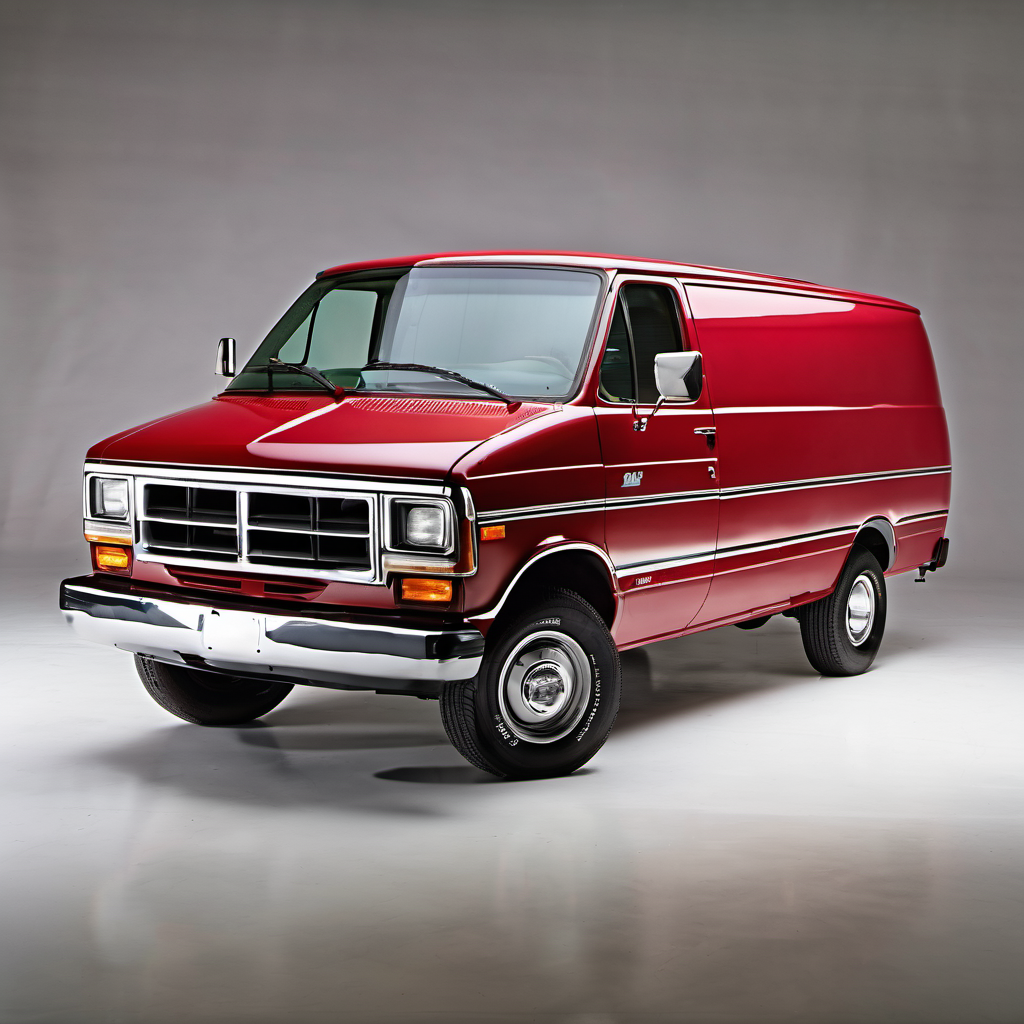
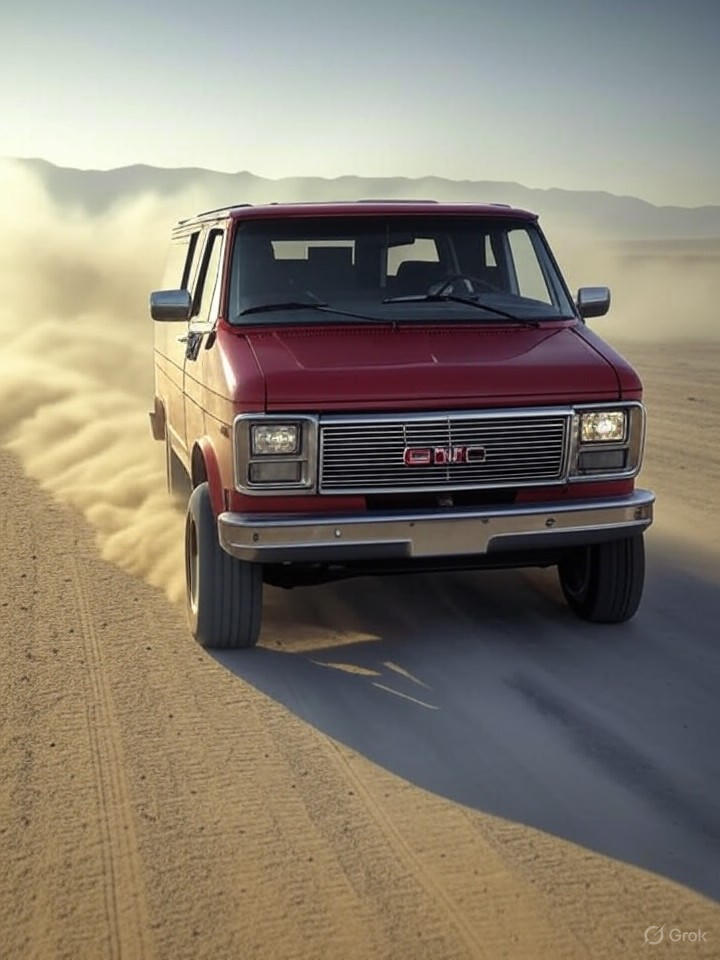
1992 GMC Vandura 2500 Van/Minivan

1992 GMC

Vandura 2500Van/Minivan

5.7L V8 TBI · Van/Minivan

The 1992 GMC Vandura 2500 is a full-size, body-on-frame cargo and passenger van built on GM's long-running G-Series platform. It slots into the 3/4-ton class, meaning it was designed for heavier payloads and towing duties than its 1500 sibling — a popular choice for tradespeople, conversion van builders, and fleet operators throughout the late '80s and '90s. Power comes from GM's proven small-block V8 family (typically the 5.7L TBI V8), backed by a 4-speed automatic. The engine bay is accessed by tilting the front doghouse cover inside the cab, which is a love-it-or-hate-it design quirk. Parts availability is excellent and independent shop labor is straightforward on these trucks. At 30+ years old, any surviving Vandura 2500 is now a used-only proposition. Rust is the single biggest enemy in the upper Midwest — far more so than mechanical wear. A solid, honest example is still a capable work or adventure platform; a rusty or neglected one is a money pit.

Reliability
3/5
Verified data
Engine
5.7L V8 TBI
Drivetrain
RWD
Fuel
Gasoline
MPG
13 city / 17 hwy / 14 combined
Seats
8
Doors
4
Body
Van
MSRP
$17,500

Overview

AI-curated

The 1992 GMC Vandura 2500 is a full-size, body-on-frame cargo and passenger van built on GM's long-running G-Series platform. It slots into the 3/4-ton class, meaning it was designed for heavier payloads and towing duties than its 1500 sibling — a popular choice for tradespeople, conversion van builders, and fleet operators throughout the late '80s and '90s. Power comes from GM's proven small-block V8 family (typically the 5.7L TBI V8), backed by a 4-speed automatic. The engine bay is accessed by tilting the front doghouse cover inside the cab, which is a love-it-or-hate-it design quirk. Parts availability is excellent and independent shop labor is straightforward on these trucks. At 30+ years old, any surviving Vandura 2500 is now a used-only proposition. Rust is the single biggest enemy in the upper Midwest — far more so than mechanical wear. A solid, honest example is still a capable work or adventure platform; a rusty or neglected one is a money pit.

Known for
  • Rugged body-on-frame construction with excellent payload capacity
  • Simple, serviceable TBI V8 engine with widespread parts availability
  • Enormous interior cargo volume and tall stand-up headroom
  • Long production run with minimal year-to-year changes — easy to source parts
  • Popular base for camper and tradesman conversions
Best for
  • Tradespeople needing a capable cargo hauler
  • DIY camper van conversions
  • Towing small to mid-size trailers
  • Buyers who want a simple, repairable older truck
  • Fleet or utility use where cargo space trumps fuel economy
Watch for
  • Severe frame and rocker panel rust — especially critical in Wisconsin salt country
  • Doghouse (engine cover) seal leaks allowing exhaust fumes and heat into the cabin
  • Aged rubber fuel lines and vapor lock issues on hot days
  • Weak factory A/C performance that degrades significantly with age
  • Front brake wear and soft pedal from deteriorated rubber brake hoses

Common issues by mileage

6 known

Frame and underbody rust

high
Typically appears
All mileages — age-driven
Estimated repair
$500 – $5,000

Fuel system rubber deterioration (lines, injector seals, vapor lock)

high
Typically appears
All mileages — age-driven
Estimated repair
$200 – $900

4L60 / 700R4 transmission slipping or harsh shifts

medium
Typically appears
100k–180k mi
Estimated repair
$800 – $2,800

Front brake rubber hose collapse and soft pedal

high
Typically appears
All mileages — age-driven
Estimated repair
$150 – $450

Doghouse (engine cover) heat and exhaust fume leaks into cabin

medium
Typically appears
All mileages — age and seal deterioration
Estimated repair
$80 – $300

Cooling system deterioration (radiator, hoses, water pump)

medium
Typically appears
80k–150k mi
Estimated repair
$200 – $900

Maintenance schedule

  1. 1
    Every 3,000–5,000 miles or annually Engine oil and filter change

    TBI V8s from this era are not equipped for extended drain intervals. Consistent oil changes are the single biggest factor in engine longevity on these trucks.

  2. 2
    Every 30,000 miles Transmission fluid and filter service

    The 4L60/700R4 is sensitive to fluid condition. Burnt fluid accelerates clutch pack wear. Do not skip this — many transmission failures on these vans trace back to neglected fluid.

  3. 3
    Every fall before winter, and every spring after thaw Full underbody rust inspection and treatment

    Wisconsin road salt is the primary killer of G-Series vans. Catching surface rust early and treating it with a rust inhibitor extends frame life dramatically. Pay special attention to rear spring hangers and floor pan seams.

  4. 4
    Every 2 years or 30,000 miles Coolant flush and hose inspection

    30-year-old cooling systems are prone to hose cracking, radiator corrosion, and water pump seal failure. Fresh coolant also protects the iron block from internal rust.

  5. 5
    Every 5 years or at purchase if history unknown Inspect and replace all rubber fuel lines

    Original rubber fuel lines harden, crack, and can leak at this age — a serious fire and driveability risk. Replace with ethanol-compatible hose.

  6. 6
    Annually Brake system inspection — lines, hoses, and master cylinder

    Rubber brake hoses collapse internally with age, causing soft pedal and uneven braking. Steel brake lines are prone to rust perforation in the Midwest. Inspect the full system every year.

  7. 7
    Every 30,000 miles Tune-up — distributor cap, rotor, spark plugs, wires

    The TBI V8 uses a conventional distributor ignition. Worn ignition components cause rough cold starts, misfires, and poor fuel economy — all amplified in cold Wisconsin winters.

  8. 8
    Every fall Battery load test and terminal cleaning

    Cold cranking a heavy V8 in sub-zero temperatures demands a strong battery. A battery that seems fine in summer can fail at -10°F. Test and replace proactively before winter.

Always defer to the manufacturer's service manual for warranty-mandated intervals.

Cost of ownership

Annual maintenance
$600 – $2,500
Fuel
At 14 MPG combined and typical Wisconsin driving, expect $2,200–$3,000/year in fuel at current prices. Extended highway runs improve this slightly.
Insurance
Liability-only on a 30+ year old van typically runs $400–$800/year in the Lake Geneva area. Full coverage on an older vehicle with significant depreciation rarely makes financial sense.

A mechanically sound Vandura 2500 is inexpensive to maintain at an independent shop — parts are cheap and labor is straightforward. The wildcard is rust remediation and deferred maintenance catch-up costs, which can push the first year of ownership well above $3,000 on a neglected example. Budget generously for the inspection and initial refresh.
Seasonal care

Lake Geneva, WI
Winter
  • Load-test the battery every fall — a cold V8 draws massive cranking amps and a marginal battery will leave you stranded at sub-zero temps
  • Switch to a 5W-30 or 0W-40 full synthetic to ensure oil circulation on first start in extreme cold
  • Fill washer fluid reservoir with a rated -20°F or lower formula — Lake Geneva winters regularly hit those temps
  • Inspect and replace wiper blades before first snow; consider winter-specific blades for the large windshield
  • Flush and inspect the coolant system — old coolant loses freeze protection and internal rust inhibitors
  • After every salt exposure, rinse the undercarriage at a spray wand car wash to slow frame rust
Summer
  • Monitor coolant temperature closely — the large cargo box traps heat and the engine sits over the front axle with limited airflow at idle
  • Inspect A/C system for refrigerant leaks and condenser blockage; the factory R-12 system will need a retrofit if it hasn't been converted to R-134a already
  • Check tire pressure weekly in hot weather — these vans run high load-range tires and pressure swings are more dramatic with temperature changes
  • Inspect the doghouse engine cover seal — heat soak through a deteriorated seal makes the cabin dangerously hot and can introduce exhaust odors

Comparable vehicles

If you're shopping for one

Red flags
  • Any soft, punchy, or holed areas when probing the frame rails or floor — walk away immediately
  • Milky oil on the dipstick or cap — potential head gasket failure on the 5.7L
  • A transmission that hesitates, slips, or clunks shifting 1-2 or 2-3 — rebuilt transmissions run $1,500–$2,800
  • Fuel smell in the engine bay or under the van — aged rubber fuel lines are a fire hazard
  • No service records and unknown mileage history on a 30+ year old truck — the deferred maintenance risk is too high to price in reliably
  • Makeshift wiring or multiple fused add-ons — common in conversion vans and fleet vehicles, can introduce gremlins that are expensive to trace
What to inspect
  • Crawl under the entire frame with a flashlight and a screwdriver — probe the frame rails, rear spring hangers, and floor pan seams for rust perforation
  • Check all rubber brake hoses for cracking, swelling, or internal collapse — squeeze them by hand and look for soft spots
  • Smell the interior with the engine running and doghouse cover in place — any exhaust or fuel odor means a seal or fuel system issue
  • Start cold and watch for white or blue smoke, which indicates coolant or oil burning — especially relevant on a high-mileage TBI V8
  • Check the transmission for slipping between 2nd and 3rd gear during a test drive — the 4L60/700R4 is the most common expensive failure on these vans
  • Verify the A/C system has been converted from R-12 to R-134a, or budget $300–$600 for a retrofit
AI profile generated 4 days ago · claude-sonnet-4-6 · v2.