Frame and underbody rust / perforation
high- Typically appears
- All mileages on salt-belt vehicles
- Estimated repair
- $500 – $4,000
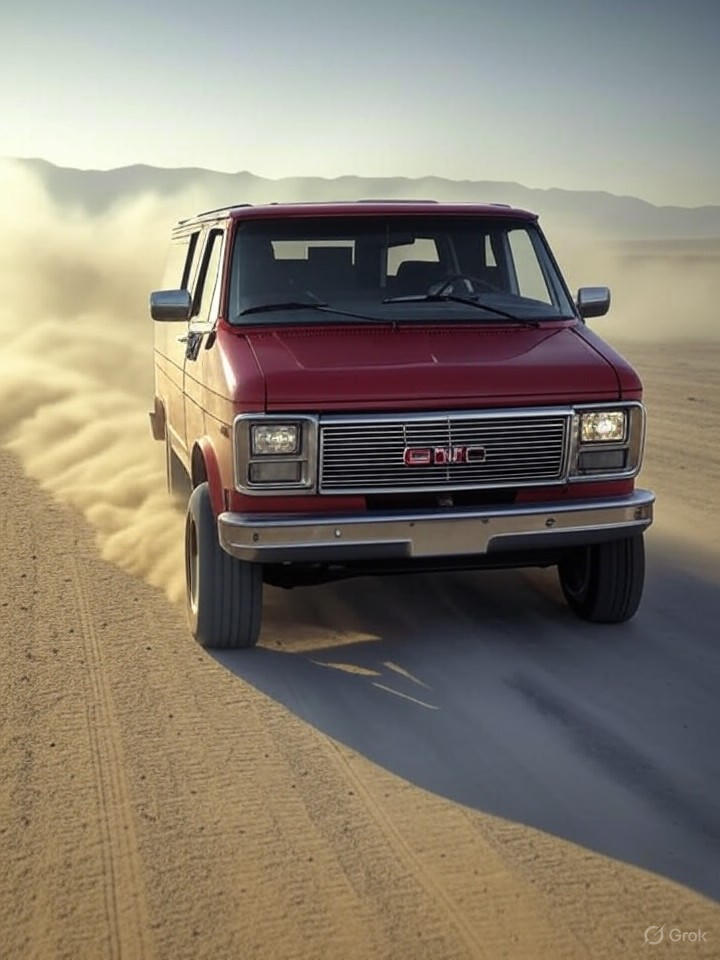
1992 GMC
4.3L V6 (TBI) · Van/Minivan
The 1992 GMC Vandura 1500 is a full-size, body-on-frame van built on GM's long-running G-Series platform — the same bones used from the late 1960s through 1996. It was offered as a passenger van, cargo van, or conversion van, and was a workhorse staple for families, tradespeople, and small businesses alike. By 1992 the platform was mature and well-understood, which cuts both ways: parts are cheap and plentiful, but the design predates modern safety and fuel-economy expectations. The 1500 designation places this in the half-ton class, typically paired with a 4.3L V6 or the optional 5.0L/5.7L V8. It rides on a solid front axle with coil springs — a setup that's durable but gives a noticeably trucky feel. Payload and towing capacity were generous for the era, making this van genuinely useful even by today's standards for cargo or people-hauling on a budget. These vans are now over 30 years old. Survivors in the Midwest have typically battled significant road-salt corrosion, and finding a clean undercarriage is the single biggest challenge. That said, a well-maintained example is mechanically simple to own: no turbos, no variable valve timing, no complex electronics. If the body and frame are solid, the drivetrain will reward basic maintenance.
The 1992 GMC Vandura 1500 is a full-size, body-on-frame van built on GM's long-running G-Series platform — the same bones used from the late 1960s through 1996. It was offered as a passenger van, cargo van, or conversion van, and was a workhorse staple for families, tradespeople, and small businesses alike. By 1992 the platform was mature and well-understood, which cuts both ways: parts are cheap and plentiful, but the design predates modern safety and fuel-economy expectations. The 1500 designation places this in the half-ton class, typically paired with a 4.3L V6 or the optional 5.0L/5.7L V8. It rides on a solid front axle with coil springs — a setup that's durable but gives a noticeably trucky feel. Payload and towing capacity were generous for the era, making this van genuinely useful even by today's standards for cargo or people-hauling on a budget. These vans are now over 30 years old. Survivors in the Midwest have typically battled significant road-salt corrosion, and finding a clean undercarriage is the single biggest challenge. That said, a well-maintained example is mechanically simple to own: no turbos, no variable valve timing, no complex electronics. If the body and frame are solid, the drivetrain will reward basic maintenance.
Original lines are over 30 years old. Rust pitting is common and a brake line failure is catastrophic. This is the single most important safety check on a vehicle this age.
Corroded straps allow the tank to sag or drop. Cheap to fix proactively, dangerous if ignored.
The 4.3L V6 runs hot when coolant is degraded. Old Dex-Cool or original green coolant loses corrosion inhibitors and attacks the intake manifold gaskets and radiator.
The solid front axle and recirculating-ball steering have multiple grease fittings. Neglect leads to rapid wear of idler arm, tie rods, and pitman arm, causing dangerous looseness.
The 4L60/700R4 is durable but fluid-sensitive. Many used examples have never had a fluid change; dark, burnt fluid accelerates clutch pack wear.
Wisconsin road salt is aggressive. Catching surface rust early with a wire brush and rust converter is far cheaper than welding or condemning the frame.
The TBI 4.3L depends on a functioning PCV valve to prevent oil sludge buildup. Quick and inexpensive to maintain.
The van's large engine and high electrical load stress batteries hard in sub-zero Lake Geneva winters. A battery that starts fine in September may fail in January.
Always defer to the manufacturer's service manual for warranty-mandated intervals.
These vans are cheap to buy and reasonably cheap to maintain mechanically — parts are plentiful and labor hours are low because the engine is simple. The hidden cost is rust remediation. A Wisconsin example that needs brake lines, fuel lines, and frame patching can absorb $2,000–$5,000 upfront. Budget conservatively and get a pre-purchase inspection on a lift before committing.
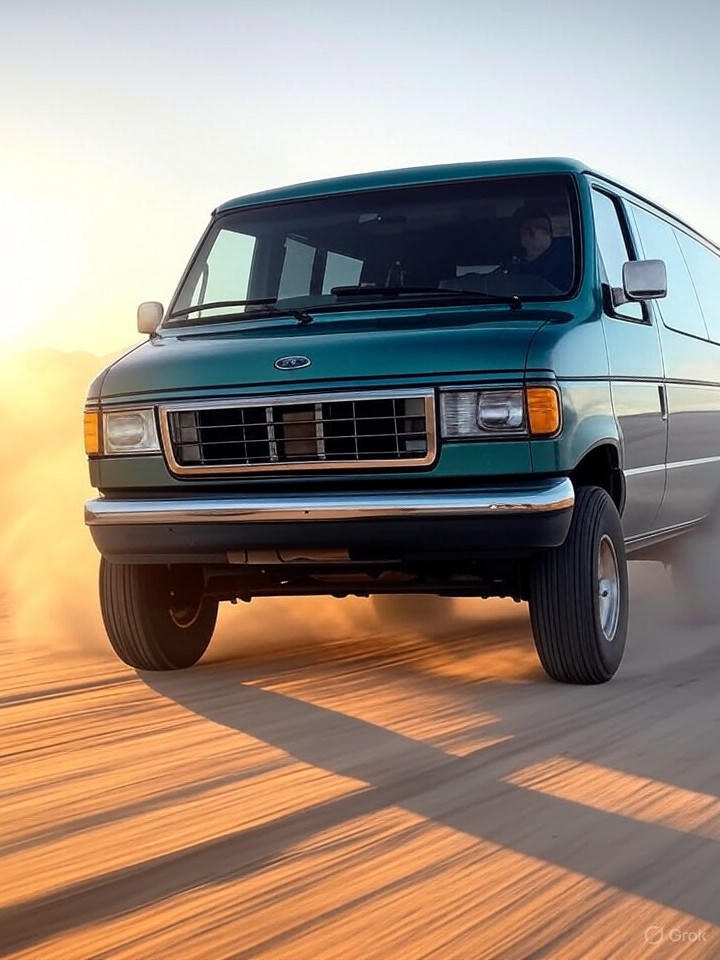
Ford's equivalent full-size half-ton van from the same era. Similar cargo capacity, similar age-related issues (rust, aged systems), but uses Ford's 4.9L I6 or 5.0L V8. Parts just as available; a direct apples-to-apples alternative.
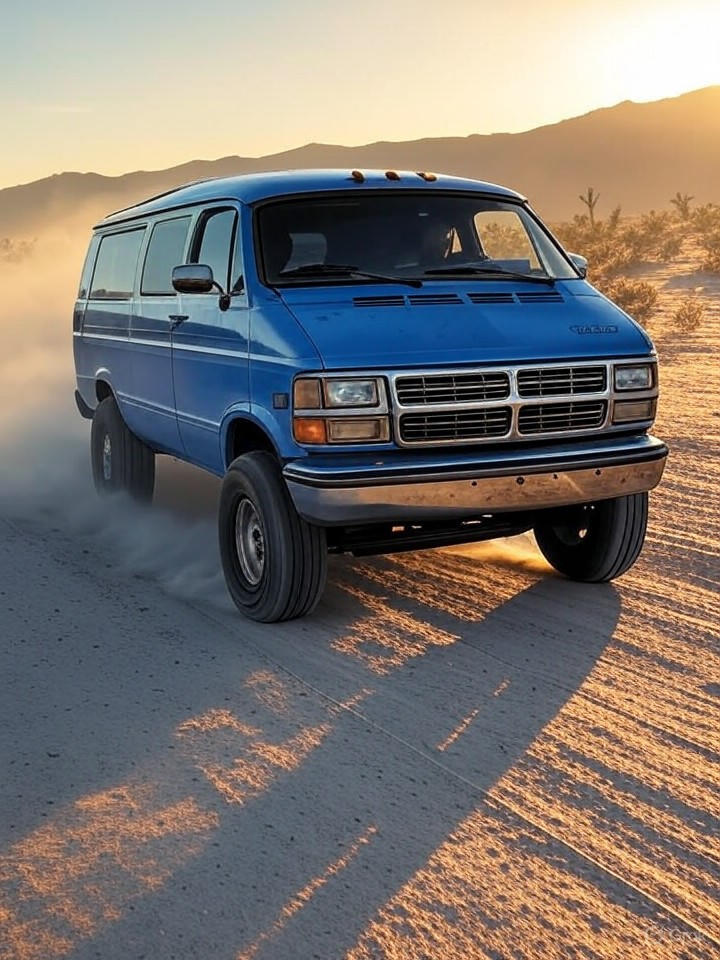
Chrysler's full-size van competitor with a forward cab-over-engine layout. Slightly different ergonomics but same mission and price segment. Shares the same rust and age concerns in the Midwest.
Essentially the badge-engineered twin of the Vandura — same platform, same engines, same parts. A Chevy G-Series is a direct swap in terms of mission, cost, and serviceability.
No catalog match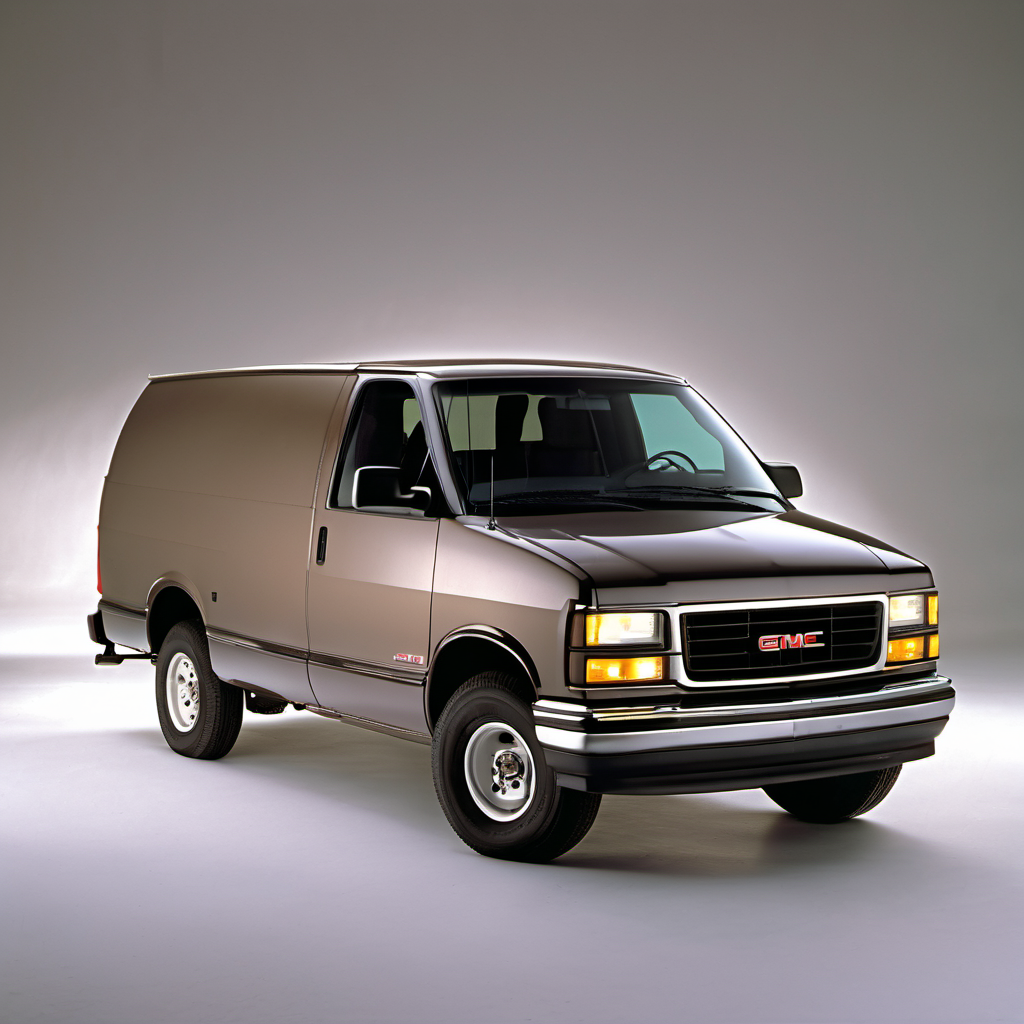
If a full-size van is more than needed, the Safari (AWD available) offers similar GM parts-bin reliability in a more manageable mid-size body — better fuel economy but less raw cargo volume.