Fuel injector spider / SPFI assembly failure
high- Typically appears
- 80–150k mi
- Estimated repair
- $300 – $650
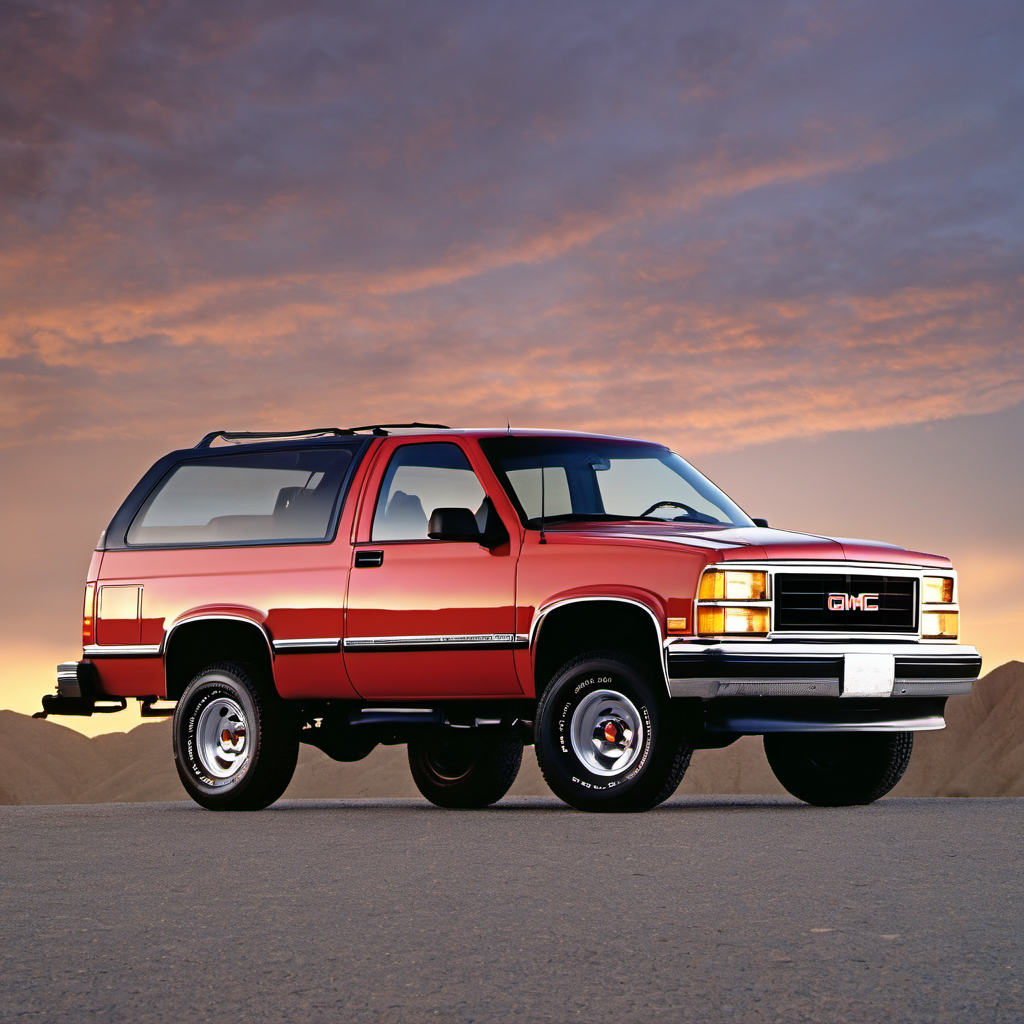
1992 GMC
SUV
The 1992 GMC Jimmy is a mid-size body-on-frame SUV built on GM's S-10 platform, sharing its bones with the Chevy S-10 Blazer. It was offered in two-door and four-door configurations and was one of the more affordable domestic 4x4 options of its era. The 4.3L Vortec V6 gave it respectable towing and off-road capability for its size while keeping weight manageable. By 1992 GMC had refined the Jimmy into a fairly capable daily driver that could handle light trail duty and Wisconsin winters with the right tires and 4WD engaged. It was never a luxury vehicle — interior materials were basic and road manners were truck-like — but it earned a loyal following for being simple to work on and parts-plentiful. Thirty-plus years on, survivors are typically high-mileage or lightly used examples that were kept as second vehicles or farm trucks. Rust is the primary enemy on any Jimmy this old from the upper Midwest. Mechanically, the 4.3L is nearly bulletproof when maintained; it's the body, frame, and ancillary systems that will tell you whether a used example is worth buying.
The 1992 GMC Jimmy is a mid-size body-on-frame SUV built on GM's S-10 platform, sharing its bones with the Chevy S-10 Blazer. It was offered in two-door and four-door configurations and was one of the more affordable domestic 4x4 options of its era. The 4.3L Vortec V6 gave it respectable towing and off-road capability for its size while keeping weight manageable. By 1992 GMC had refined the Jimmy into a fairly capable daily driver that could handle light trail duty and Wisconsin winters with the right tires and 4WD engaged. It was never a luxury vehicle — interior materials were basic and road manners were truck-like — but it earned a loyal following for being simple to work on and parts-plentiful. Thirty-plus years on, survivors are typically high-mileage or lightly used examples that were kept as second vehicles or farm trucks. Rust is the primary enemy on any Jimmy this old from the upper Midwest. Mechanically, the 4.3L is nearly bulletproof when maintained; it's the body, frame, and ancillary systems that will tell you whether a used example is worth buying.
The 4.3L tolerates conventional oil well, but at this age shorter intervals catch metal contamination early and protect older seals.
30-year-old coolant hoses, heater cores, and radiators degrade silently. A failure in a Wisconsin winter is dangerous. Replace any hose that feels spongy or shows surface cracking.
Aging fuel tanks collect sediment; a clogged filter starves the injection system and can mask a failing fuel pump.
4WD components that sit unused seize up. Engage 4HI and 4LO briefly in fall to confirm the encoder motor and transfer case shift cleanly before you need them.
Wisconsin road salt accelerates rust aggressively on these trucks. Catching surface rust before it becomes structural rust-through is the difference between a cheap fix and a totaled vehicle.
The 4.3L uses a conventional distributor. Worn ignition components cause misfires that are often misdiagnosed as fuel delivery problems.
Rubber vacuum hoses crack and collapse with age, causing rough idle, poor fuel economy, and hard starting — especially in cold weather.
Cold cranking a 4.3L at sub-zero temps is hard on an aging battery. A battery over 4 years old should be load-tested before winter.
Always defer to the manufacturer's service manual for warranty-mandated intervals.
The Jimmy is inexpensive to insure and parts are cheap and widely available. The wildcard is deferred maintenance — these trucks are often sold after years of neglect, and catching up (hoses, injectors, 4WD actuators, rust treatment) can run $1,500–$3,000 in year one. A well-maintained example with documented service history keeps annual costs reasonable.
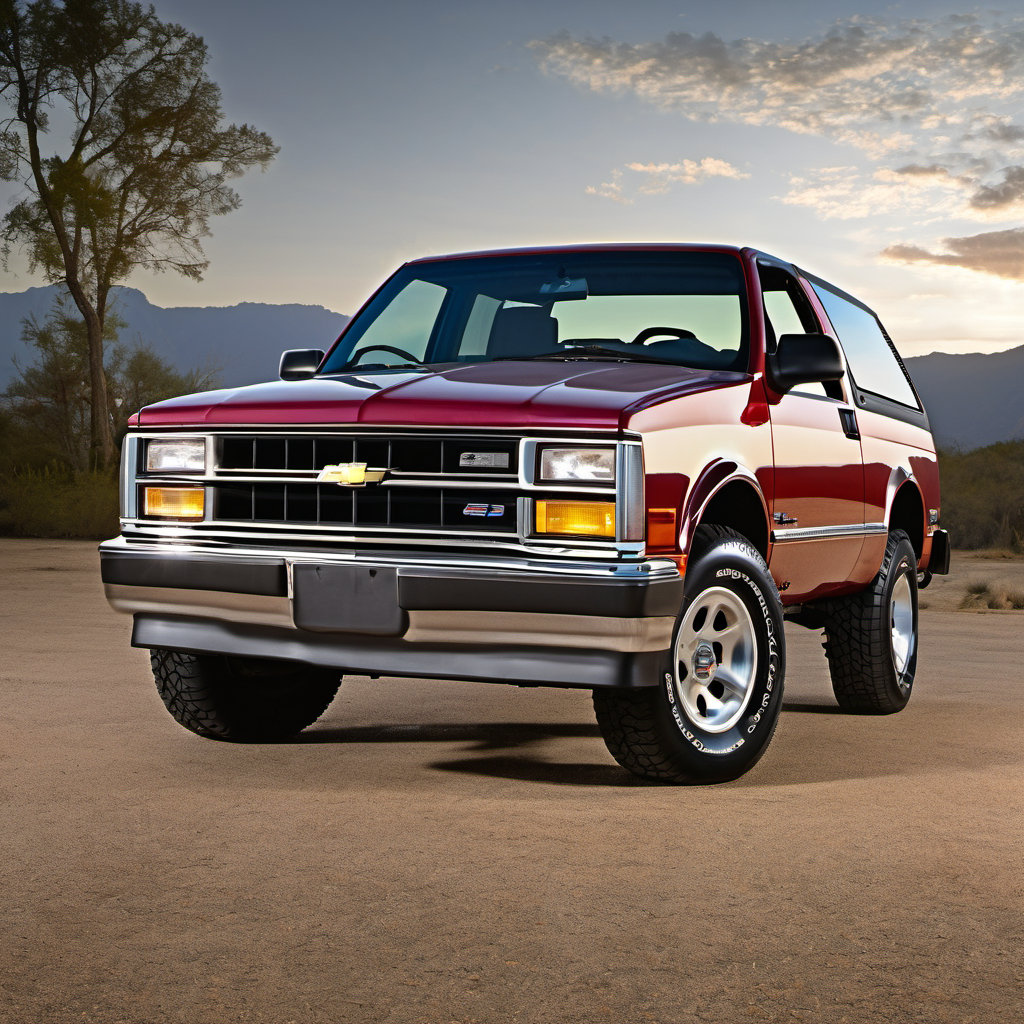
Mechanically identical — same platform, same 4.3L V6, same 4WD system. Parts and knowledge are fully interchangeable. The main difference is badging and minor trim details.
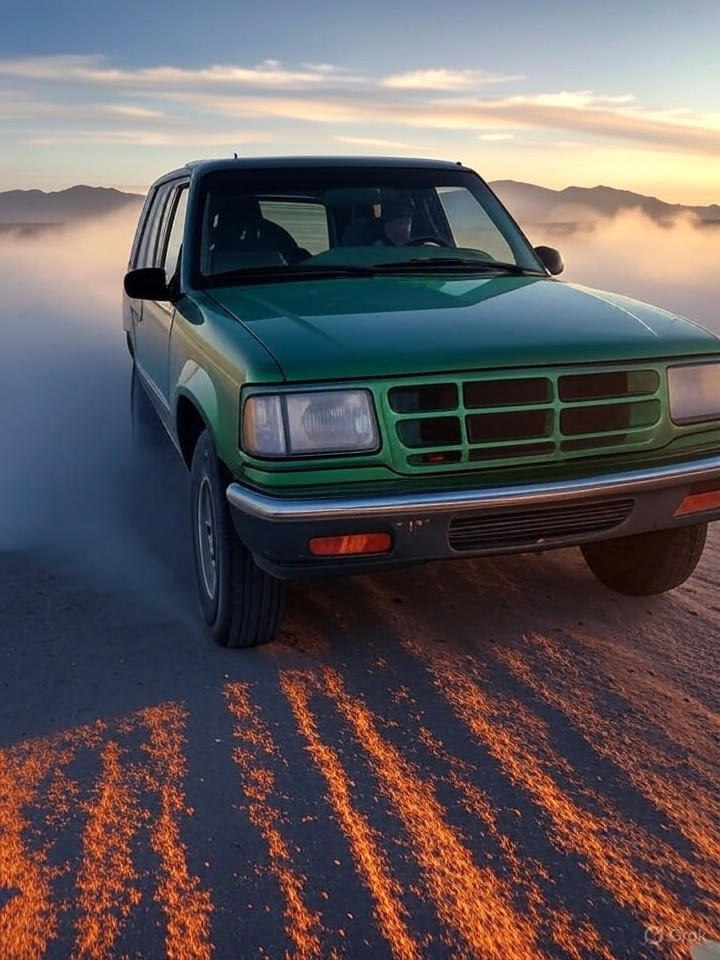
Direct competitor in the compact SUV segment. The Explorer offered a smoother ride and better interior but its TTB front suspension and early automatic transmissions had their own reliability quirks.
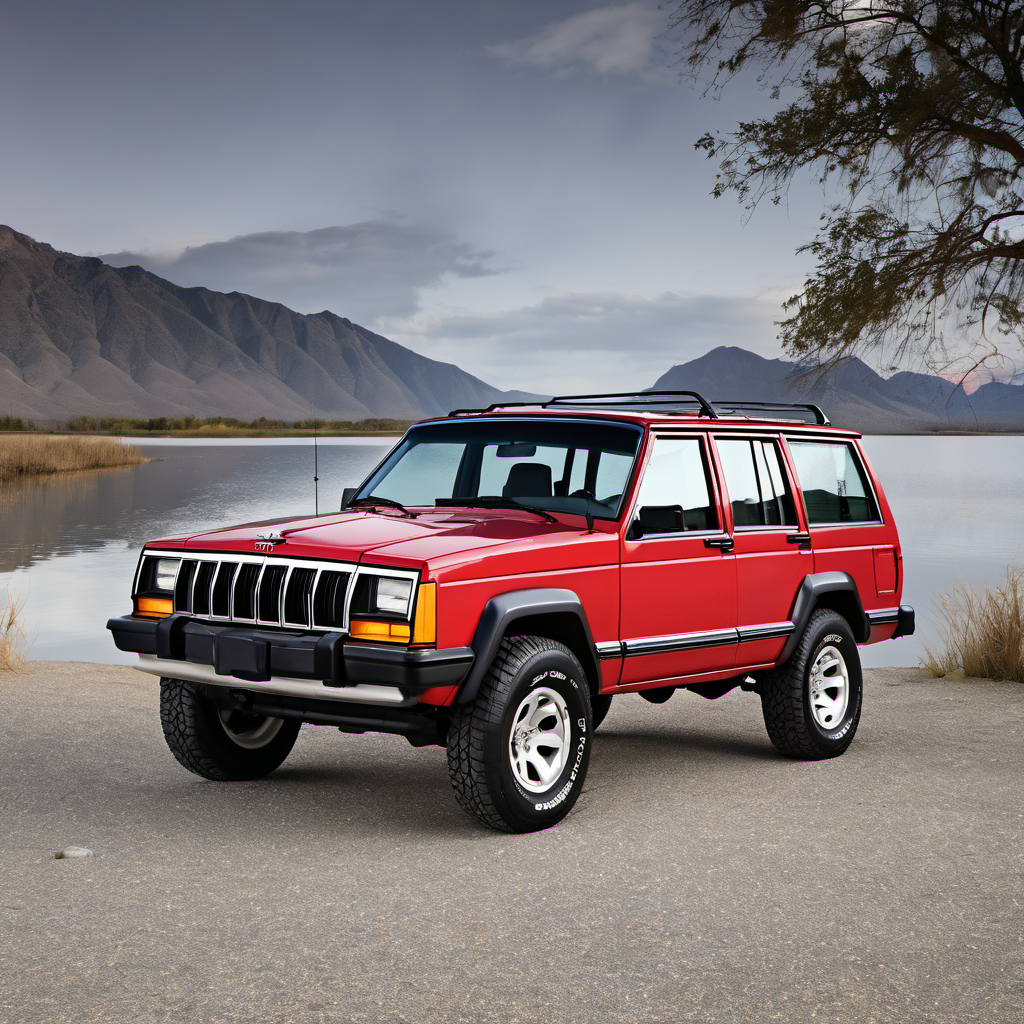
The XJ Cherokee was a benchmark compact 4x4 of the era — lighter, more capable off-road, and with the 4.0L I6 arguably more durable mechanically. Rust is an equal problem on Midwestern examples.
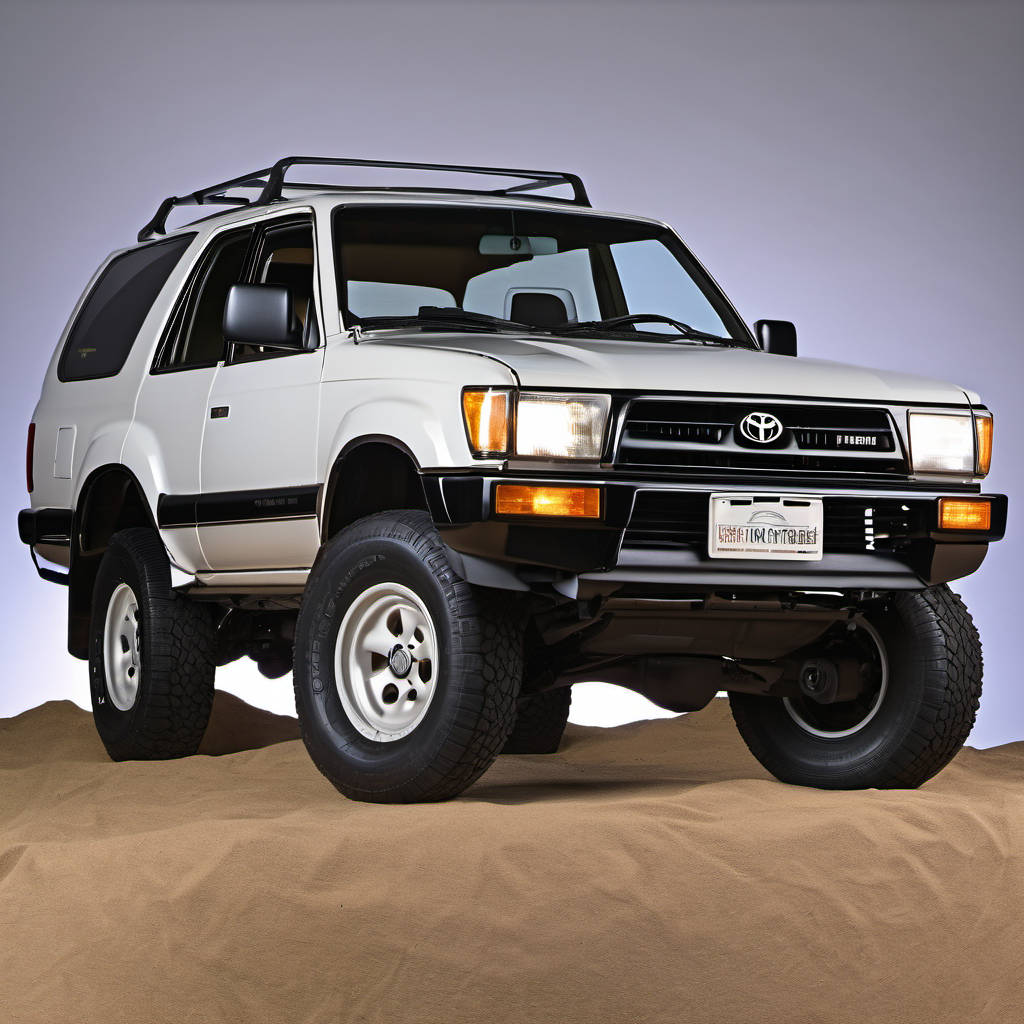
More expensive used but significantly more rust-resistant and mechanically reliable long-term. The 3VZ-E V6 of this era has its own head gasket concerns, but overall the 4Runner holds up better over time.