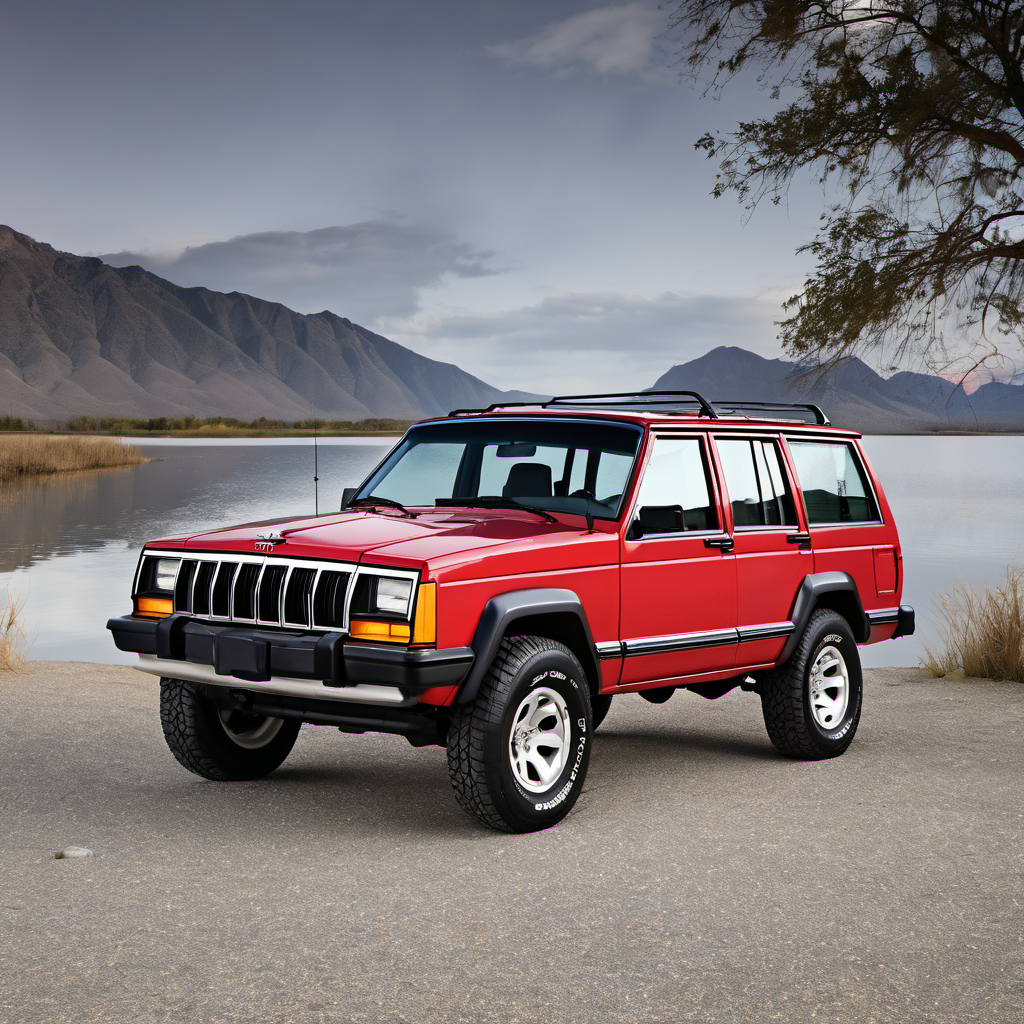
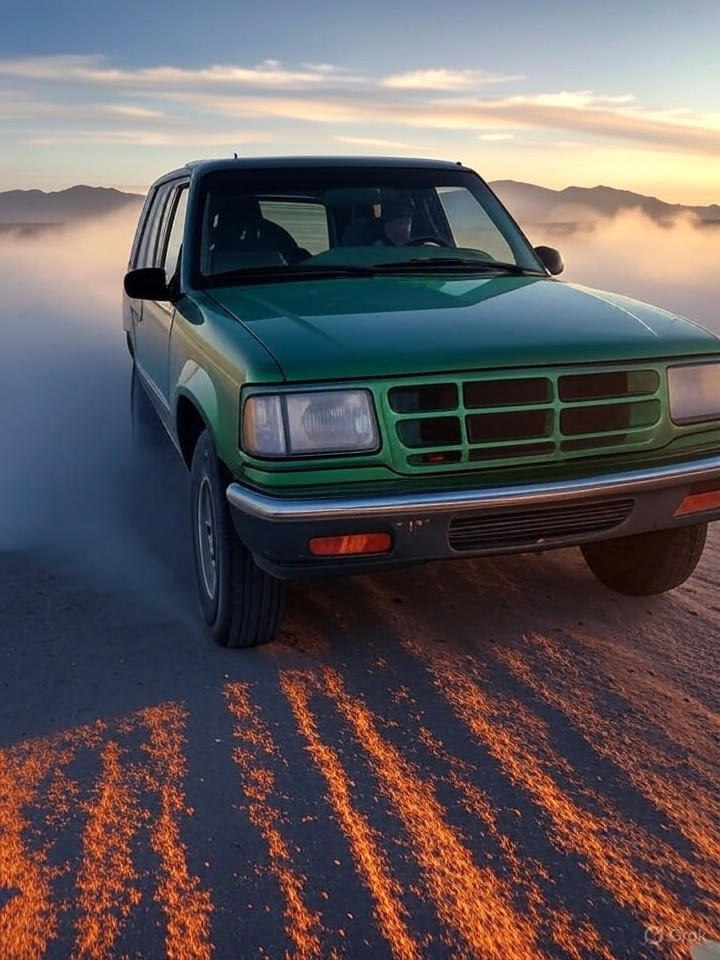
1992 Jeep Cherokee SUV

1992 Jeep

CherokeeSUV

SUV

The 1992 Jeep Cherokee (XJ) is one of the most iconic compact SUVs ever built. Produced from 1984–2001, the XJ generation earned a devoted following for its rugged unibody construction, narrow enough proportions to thread trail obstacles, and a nearly bulletproof inline-six engine option. This particular example carries the 2.5L four-cylinder — a capable but notably less torquey powerplant compared to the beloved 4.0L I6 that most XJ fans seek out. At 30+ years old, any surviving XJ is well into 'classic daily driver or trail rig' territory. The honest truth: most of what you'll be buying is a maintenance history (or lack thereof). Rust is the number-one killer of these trucks in the upper Midwest, and floor pans, rocker panels, and frame rails deserve hard scrutiny before anything else. Mechanically, these are simple enough that a motivated owner can handle most repairs in a driveway. The 2.5L four-banger produces adequate power for street use but will feel strained towing or on steep off-road climbs. Many owners have swapped in the 4.0L over the years, making engine provenance worth verifying. Parts availability is excellent and an active enthusiast community means DIY resources are abundant.

Reliability
3/5
Verified data
Specs shown for Cherokee 2WD — the most common configuration. Other trims may vary in engine, drivetrain, or fuel economy. Sign in to see your vehicle's exact specs.
Engine
[object Object]
Drivetrain
RWD
Fuel
Gasoline
MPG
17 city / 22 hwy / 19 combined
Seats
Doors
Body
Special Purpose Vehicles

Overview

AI-curated

The 1992 Jeep Cherokee (XJ) is one of the most iconic compact SUVs ever built. Produced from 1984–2001, the XJ generation earned a devoted following for its rugged unibody construction, narrow enough proportions to thread trail obstacles, and a nearly bulletproof inline-six engine option. This particular example carries the 2.5L four-cylinder — a capable but notably less torquey powerplant compared to the beloved 4.0L I6 that most XJ fans seek out. At 30+ years old, any surviving XJ is well into 'classic daily driver or trail rig' territory. The honest truth: most of what you'll be buying is a maintenance history (or lack thereof). Rust is the number-one killer of these trucks in the upper Midwest, and floor pans, rocker panels, and frame rails deserve hard scrutiny before anything else. Mechanically, these are simple enough that a motivated owner can handle most repairs in a driveway. The 2.5L four-banger produces adequate power for street use but will feel strained towing or on steep off-road climbs. Many owners have swapped in the 4.0L over the years, making engine provenance worth verifying. Parts availability is excellent and an active enthusiast community means DIY resources are abundant.

Known for
  • Simple, rugged unibody construction that holds up off-road
  • Legendary 4.0L I6 reputation (this example has the 2.5L I4)
  • Outstanding parts availability and enthusiast support even decades later
  • Nimble size — narrow enough for tight trails and easy to park in town
  • Long service life when rust is kept in check
Best for
  • Budget-minded off-road enthusiasts
  • DIY mechanics who want a simple, fixable platform
  • Light trail use and overlanding on a shoestring
  • Owners who don't mind wrenching on a 30-year-old truck
Watch for
  • Severe rust on floor pans, rocker panels, and rear frame rails — endemic in Wisconsin
  • Coolant leaks and overheating on neglected examples
  • Cracked or leaking exhaust manifolds (a known XJ issue)
  • Worn-out leaf springs and sagging suspension from age and trail use
  • Electrical gremlins from decades of DIY wiring modifications

Common issues by mileage

6 known

Exhaust manifold cracks and leaks

high
Typically appears
60k–150k+ mi
Estimated repair
$150 – $450

Coolant leaks — head gasket, water pump, or heater core

high
Typically appears
80k–150k+ mi
Estimated repair
$200 – $1,200

Rust-through on floor pans, rocker panels, and rear frame rails

high
Typically appears
All mileages — age/salt driven
Estimated repair
$500 – $3,500

Worn or sagging leaf springs and front track bar

medium
Typically appears
80k–150k+ mi
Estimated repair
$250 – $700

Oxygen sensor failure causing rough running and poor fuel economy

medium
Typically appears
60k–120k mi
Estimated repair
$100 – $300

Electrical issues — aged wiring, corroded grounds, and DIY splice failures

medium
Typically appears
All mileages — age driven
Estimated repair
$100 – $800

Maintenance schedule

  1. 1
    Every 3,000–5,000 miles or annually Engine oil and filter change

    A 30-year-old engine with unknown seal condition benefits from more frequent changes. Fresh oil prevents sludge and helps you spot internal leaks early.

  2. 2
    Every 2 years or 30,000 miles Coolant flush and system inspection

    The 2.5L I4 is prone to overheating when coolant is neglected. Check hoses, the thermostat, and the radiator cap at every flush — all are cheap insurance.

  3. 3
    Every fall before winter salt season Inspect and treat all underbody surfaces for rust

    Wisconsin road salt is the primary killer of XJs. Clean, inspect, and apply a rust-inhibiting undercoating to floors, rockers, and frame rails every season.

  4. 4
    Every 30,000 miles or if you hear a ticking sound on cold start Inspect exhaust manifold for cracks

    The iron manifold cracks from heat cycling. A cracked manifold is a fire risk and will make the engine run rough. Catch it early before it warps the head.

  5. 5
    Every 30,000 miles Inspect and lubricate front and rear driveshaft U-joints

    Dry U-joints fail without warning and can cause driveshaft separation — a serious safety hazard. Grease them on a schedule and replace at first sign of vibration.

  6. 6
    Every 2 years Brake fluid flush

    Brake fluid absorbs moisture over time, lowering the boiling point and accelerating corrosion in calipers and wheel cylinders — especially in a truck that sees winter roads.

  7. 7
    Every 30,000 miles Check and top off transfer case and differential fluids

    Often neglected on older 4x4s. Old gear oil loses its anti-wear properties and allows premature bearing and gear wear in the axles and transfer case.

  8. 8
    Every fall Inspect battery and charging system

    Sub-zero Wisconsin winters will expose a weak battery fast. Test the battery and alternator output every autumn so you're not stranded in January.

Always defer to the manufacturer's service manual for warranty-mandated intervals.

Cost of ownership

Annual maintenance
$600 – $1,800
Fuel
At 19 MPG combined and ~12,000 miles/year, expect roughly $1,500–$1,800/year in fuel at current Midwest prices. The 2.5L is the thriftier of the two XJ engines.
Insurance
Liability-only insurance on a 30-year-old SUV at this value is typically $400–$700/year in Wisconsin. Full coverage on a collector-value XJ runs $800–$1,400/year depending on declared value and usage.

A well-maintained XJ is one of the cheaper trucks to keep running — parts are inexpensive and plentiful, and most jobs are DIY-friendly. The risk is the unknown: a truck with deferred maintenance or serious rust can easily require $2,000–$5,000 upfront to bring to a safe baseline. Budget generously the first year until you know what you have.
Seasonal care

Lake Geneva, WI
Winter
  • Test and replace the battery if it's more than 4 years old — XJ electrical systems strain weak batteries in sub-zero starts
  • Switch to a 5W-30 or lighter oil if still running heavier-weight oil; cold thick oil starves the engine on startup
  • Apply fresh undercoating or rust inhibitor to floor pans, rockers, and frame rails before first salt application
  • Use a winter-rated washer fluid rated to at least -20°F — standard fluid freezes in the reservoir and lines
  • Inspect the heater core hoses — a leaking heater core will fog the windshield and leave you with no heat at the worst time
  • Keep the fuel tank above half to prevent fuel line moisture and keep the pump cool
Summer
  • Monitor coolant temperature closely — the 2.5L can run warm in stop-and-go traffic with a partially clogged radiator
  • Inspect the A/C system for refrigerant leaks; the original R-12 system on a 1992 must be converted to R-134a if not already done
  • Check tire pressure monthly — Wisconsin summer heat causes pressure to rise, and over-inflated tires reduce traction on trail surfaces
  • Inspect belts and hoses for heat cracking — rubber that survived winter can fail quickly under summer heat soak
  • Clean out drainage holes in the doors and body to prevent water pooling and accelerating rust

Comparable vehicles

If you're shopping for one

Red flags
  • Soft, holey, or patched floor pans — restoration cost can exceed the truck's value
  • Evidence of frequent coolant top-offs (staining around the reservoir) without a repair receipt
  • Mismatched or replaced VIN plates — engine swaps are common but unverified modifications add risk
  • Sloppy or non-functional 4WD engagement — transfer case or shift linkage repairs are expensive
  • Any sign of serious off-road damage: bent skid plates, cracked differential housings, frame kinks
  • No maintenance records whatsoever on a 30-year-old vehicle — budget for a full mechanical refresh
What to inspect
  • Floor pans (driver, passenger, and rear) — press firmly with your foot; soft or spongy means rust-through
  • Rocker panels and rear quarter panels — poke with a screwdriver to check for filler hiding rust
  • Frame rails at the rear leaf spring mounts — a common failure point that can be a safety issue
  • Exhaust manifold — listen for a ticking or tapping sound on cold start before the engine warms up
  • Coolant condition and overflow reservoir — milky or oily coolant signals a head gasket problem
  • All four U-joints — grab the driveshaft and check for any play or roughness when spinning by hand
  • Wiring under the dash and in the engine bay — look for spliced wires, taped connections, or evidence of aftermarket electrical work
  • Transfer case operation — engage 4-Hi and 4-Lo and confirm smooth engagement without grinding
AI profile generated 4 days ago · claude-sonnet-4-6 · v2.