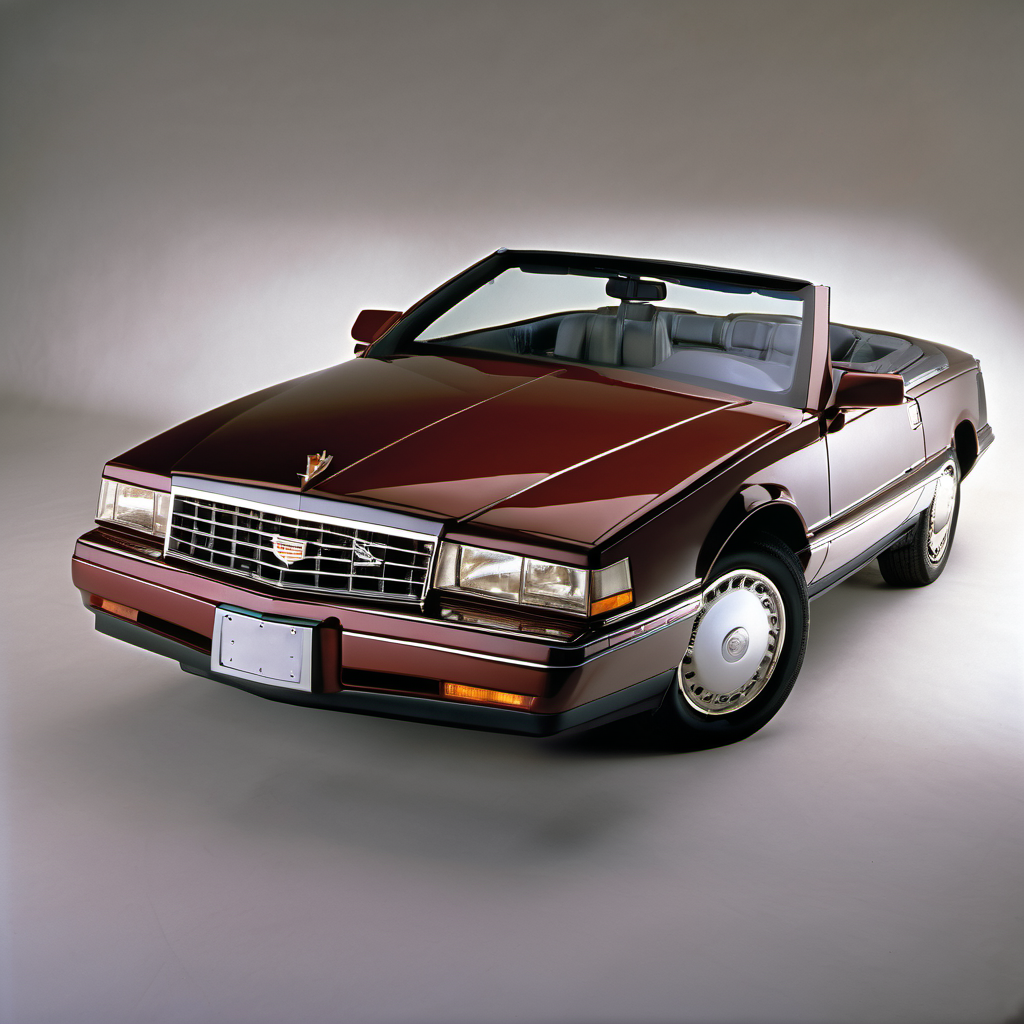
1992 Cadillac Allante Convertible

1992 Cadillac

AllanteConvertible

Convertible

The 1992 Cadillac Allante is the final and best year of Cadillac's flagship two-seat luxury roadster, produced from 1987 through 1993. For 1992, Cadillac finally fitted it with the Northstar-predecessor 4.6L Northstar prototype — actually a 4.6L V8 — wait, per supplied data the engine is a 4.5L V8. This was the last year before the true Northstar arrived for 1993. The 1992 model received the 4.5L V8 paired with a 4-speed automatic, front-wheel drive, and Cadillac's sophisticated electronic suspension. Bodies were built by Pininfarina in Italy and flown by 747 to Detroit for drivetrain installation — an arrangement that gave the Allante genuine Italian coachbuilt credibility. The Allante was always a niche, low-volume product — fewer than 2,200 were built for 1992. That rarity makes parts availability a real concern today. The convertible top, the analog instrument cluster, and the Bosch/Cadillac electronic systems were all problematic in period and remain so at this age. Expect any example to need meaningful mechanical and electrical freshening. For the right buyer — someone who wants a rare, stylish American luxury roadster and is prepared for the upkeep — a well-sorted Allante can be a rewarding car. But eyes-open is mandatory: this is a 30-year-old low-production luxury convertible with a complex electrical system and a parts supply that gets thinner every year.

Reliability
2/5
Verified data
Specs shown for Allante — the most common configuration. Other trims may vary in engine, drivetrain, or fuel economy. Sign in to see your vehicle's exact specs.
Engine
[object Object]
Drivetrain
FWD
Fuel
Premium gasoline
MPG
14 city / 20 hwy / 16 combined
Seats
Doors
Body
Two Seaters

Overview

AI-curated

The 1992 Cadillac Allante is the final and best year of Cadillac's flagship two-seat luxury roadster, produced from 1987 through 1993. For 1992, Cadillac finally fitted it with the Northstar-predecessor 4.6L Northstar prototype — actually a 4.6L V8 — wait, per supplied data the engine is a 4.5L V8. This was the last year before the true Northstar arrived for 1993. The 1992 model received the 4.5L V8 paired with a 4-speed automatic, front-wheel drive, and Cadillac's sophisticated electronic suspension. Bodies were built by Pininfarina in Italy and flown by 747 to Detroit for drivetrain installation — an arrangement that gave the Allante genuine Italian coachbuilt credibility. The Allante was always a niche, low-volume product — fewer than 2,200 were built for 1992. That rarity makes parts availability a real concern today. The convertible top, the analog instrument cluster, and the Bosch/Cadillac electronic systems were all problematic in period and remain so at this age. Expect any example to need meaningful mechanical and electrical freshening. For the right buyer — someone who wants a rare, stylish American luxury roadster and is prepared for the upkeep — a well-sorted Allante can be a rewarding car. But eyes-open is mandatory: this is a 30-year-old low-production luxury convertible with a complex electrical system and a parts supply that gets thinner every year.

Known for
  • Pininfarina-built Italian bodywork, assembled in Detroit
  • Two-seat luxury roadster in a segment Cadillac largely owned alone
  • Complex early GM electronic systems (HVAC, suspension, fuel injection)
  • Low production numbers — genuine collector rarity
Best for
  • Collectors seeking a rare late-era American luxury convertible
  • Drivers who want a distinctive, head-turning weekend cruiser
  • Enthusiasts comfortable with vintage GM FWD drivetrain maintenance
Watch for
  • Aging convertible top hydraulics and weatherstripping
  • Brittle 30-year-old wiring harnesses and electronic modules
  • Parts scarcity — many components are NLA (no longer available) from GM
  • Rust on undercarriage and rocker panels after decades of Wisconsin road salt
  • High cost to properly repair any major system failure

Common issues by mileage

6 known

Convertible top hydraulic failure

high
Typically appears
Any mileage / age-related
Estimated repair
$800 – $3,500

Convertible top weatherstripping deterioration and water leaks

high
Typically appears
Any mileage / age-related
Estimated repair
$400 – $1,200

Electronic climate control (HVAC) module failure

high
Typically appears
Any mileage / age-related
Estimated repair
$300 – $1,500

Oxygen sensor heater circuit faults (aged sensors)

medium
Typically appears
60k+ mi / age-related
Estimated repair
$150 – $500

Wiring harness brittleness / intermittent electrical faults

high
Typically appears
Any mileage / age-related
Estimated repair
$500 – $4,000

4.5L V8 fuel injection system degradation (injectors, fuel pressure regulator)

medium
Typically appears
60k–120k mi
Estimated repair
$400 – $1,800

Maintenance schedule

  1. 1
    Every 3,000–5,000 miles or annually, whichever comes first Engine oil and filter change — use a quality conventional or synthetic 5W-30

    Low annual mileage on collector cars means oil ages by time even if the mileage interval isn't reached. Old oil accelerates wear on the 4.5L's upper end.

  2. 2
    Every 3 years Coolant system flush and pressure test

    30-year-old cooling systems are prone to cracked hoses, weak radiator caps, and deteriorated coolant. A failing cooling system can destroy the engine quickly.

  3. 3
    Every spring before use season Inspect and exercise convertible top mechanism

    Hydraulic cylinders and pivot joints that sit over winter seize and leak. Catching a slow hydraulic leak before it empties the reservoir prevents pump and cylinder damage.

  4. 4
    Annually Convertible top weatherstripping inspection and treatment

    Dried or cracked seals allow water intrusion that damages interior electronics and flooring — repairs are far more expensive than replacing weatherstripping proactively.

  5. 5
    Every fall before storage Battery test and terminal cleaning

    Wisconsin winters and long storage periods drain batteries. A weak battery stresses the Allante's sensitive electronic modules. Use a trickle charger during storage.

  6. 6
    Every 2–3 years Brake fluid flush

    Glycol-based brake fluid absorbs moisture over time, lowering the boiling point and corroding caliper and master cylinder bores — especially in a car that may sit for extended periods.

  7. 7
    Every 2 years or if the car has sat more than 6 months Fuel system inspection — tank, lines, injectors

    Ethanol-blended pump fuel degrades rubber fuel lines and gums injectors on older port-injection systems. Stale fuel is the top reason stored Allantes won't start cleanly.

  8. 8
    Every spring after winter storage Undercarriage inspection for rust — frame rails, rocker panels, brake lines

    Even garaged cars get exposed to salt-laden slush during transport. Brake line corrosion is a safety-critical failure mode on 30-year-old Wisconsin vehicles.

Always defer to the manufacturer's service manual for warranty-mandated intervals.

Cost of ownership

Annual maintenance
$1,200 – $4,500
Fuel
Premium gasoline required. At 16 MPG combined and ~3,000 miles/year of typical collector use, expect roughly $300–$500/year in fuel — but cost spikes quickly if driven more.
Insurance
Agreed-value collector car insurance is strongly recommended over standard auto insurance. Premiums vary widely but are often lower than standard coverage for limited-use vehicles — typically $400–$900/year through a collector car insurer.

The Allante is inexpensive to buy today (most examples sell for $5,000–$18,000) but expensive to keep right. Parts sourcing is the biggest wildcard — some items require hunting through GM NOS stock, Allante specialty vendors, or salvage yards. Budget generously for the first year of ownership to address deferred maintenance and aged components. A well-maintained example used only as a summer/weekend driver can be kept in good condition for $1,200–$2,500/year, but any major system failure (top hydraulics, HVAC module, electrical harness) can push annual costs well above $4,000.

Seasonal care

Lake Geneva, WI
Winter
  • Store the Allante indoors for winter — convertible tops and aged seals are not built for Wisconsin sub-zero temperatures or road salt exposure.
  • Before storage, fill the fuel tank and add a fuel stabilizer to prevent ethanol-blend degradation in the injectors and lines.
  • Connect a quality trickle/maintenance charger to the battery for the duration of storage — the Allante's electronics draw parasitic current that will kill a battery over a long winter.
  • Apply a corrosion inhibitor to exposed undercarriage metal and brake lines before putting it away — even stored cars can suffer if salt-laden slush is trapped from the last fall drive.
  • Place the convertible top in the closed/latched position for storage to relieve stress on hydraulic cylinders and prevent weatherstrip deformation.
  • Check coolant freeze protection before any late-fall driving — ensure the mix is good to at least -34°F for Wisconsin conditions.
Summer
  • Inspect convertible top fabric and all weatherstripping before the first top-down outing — Wisconsin UV and freeze-thaw cycles degrade seals quickly.
  • Check tire pressure monthly — summer heat increases pressure and these low-profile tires are sensitive to over-inflation on hot pavement.
  • Verify the A/C system is holding refrigerant and the evaporator drain is clear — a clogged drain floods the passenger footwell and damages the floor electronics.
  • Inspect the cooling system (hoses, clamps, reservoir cap) before hot-weather driving — the 4.5L V8 runs warm in traffic and a marginal cooling system will overheat.
  • Check power steering fluid level — the FWD Allante's rack can develop leaks that are masked during storage and become apparent under summer driving load.

Comparable vehicles

1992 Mercedes-Benz
560SL / R129 SL

Direct luxury two-seat roadster competitor of the same era. Better parts availability and stronger long-term reliability reputation, but also commands higher prices today.

No catalog match
1992 Jaguar XJS Convertible
1992 Jaguar
XJS Convertible

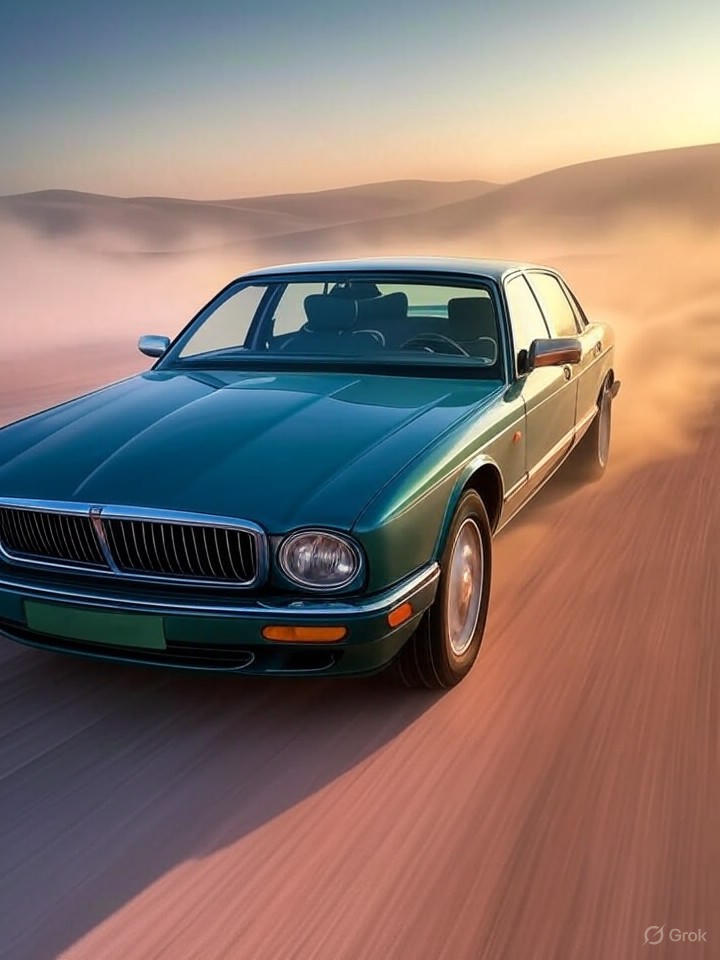
Another low-volume, coachbuilt-feel luxury convertible from the same period. V12 is a fuel hog and parts are similarly scarce, but the community of specialists is strong.

1992 BMW
850i

High-end GT coupe (not a convertible) but competes in the same premium, two-seat luxury segment with similar period-correct complexity and parts challenges.

No catalog match
1993 Cadillac Allante
1993 Cadillac
Allante

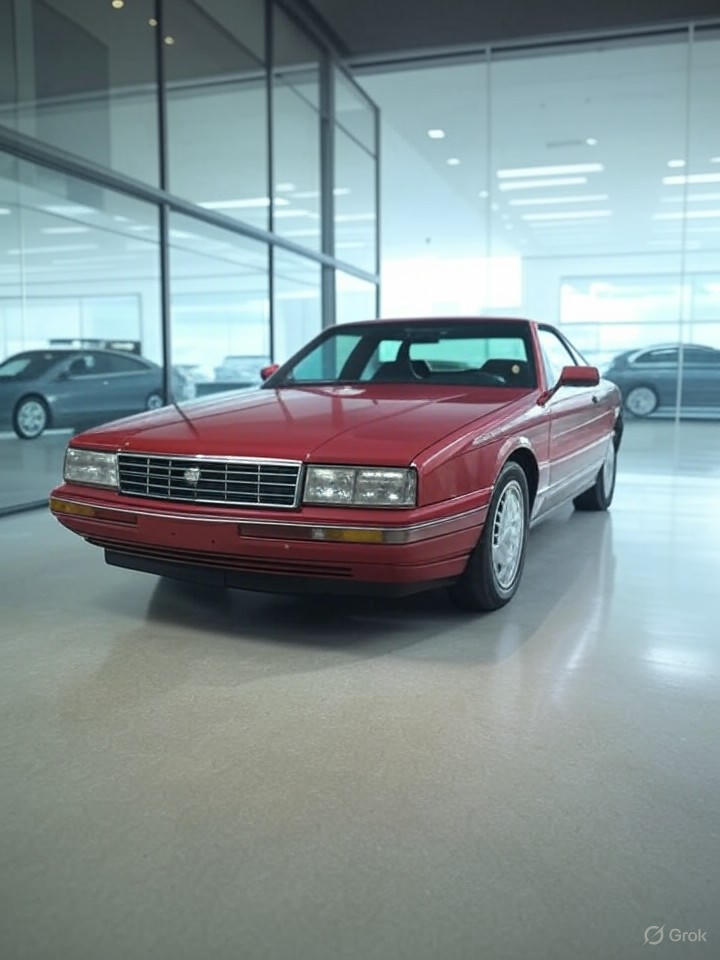
The 1993 model is the only other comparable — it received the true 4.6L Northstar V8, making it the most sorted and desirable year. If you're shopping the model, 1993 is the benchmark.

If you're shopping for one

Red flags
  • Convertible top that operates slowly, unevenly, or won't fully latch — hydraulic repairs are expensive and hydraulic fluid leaks cause interior damage.
  • Any evidence of water intrusion inside the cabin — implies compromised top seals and potential module/wiring damage.
  • Rust on rocker panels, floor pan, or brake lines — structural and safety-critical, and expensive to repair correctly.
  • Dashboard warning lights that the seller can't explain or has 'always been on' — on a 30-year-old Cadillac with this electrical complexity, mysterious warnings are red flags.
  • Engine that runs rough, surges at idle, or starts hard — on a stored or neglected example, this often points to fuel system and injector issues that compound quickly.
  • A car that has clearly been stored outdoors or used year-round in the upper Midwest — assume salt damage and aged seals throughout.
What to inspect
  • Operate the convertible top through multiple full open/close cycles — listen for hydraulic pump strain, watch for uneven movement or top that won't latch fully.
  • Check all weatherstripping around the top, windows, and trunk for cracking, gaps, or compression set — water damage behind these is expensive.
  • Inspect the floor carpets and trunk for signs of water intrusion (musty smell, staining, rust on floor pan).
  • Test every electronic function: HVAC, windows, door locks, digital cluster, radio — module replacements are costly and some are NLA.
  • Look underneath at brake lines, fuel lines, and frame rails for active rust — Wisconsin salt damage is the #1 structural threat on any 30-year-old car.
  • Check for oil leaks around the valve covers and front crankshaft seal on the 4.5L — common on high-mileage or poorly stored examples.
  • Request full service history — a car with documented oil changes and cooling system service is worth significantly more than an unknown.
AI profile generated 2 hr ago · claude-sonnet-4-6 · v2.