Rust in floor pans, rockers, and rear quarters
high- Typically appears
- All mileages — age-driven
- Estimated repair
- $500 – $4,000
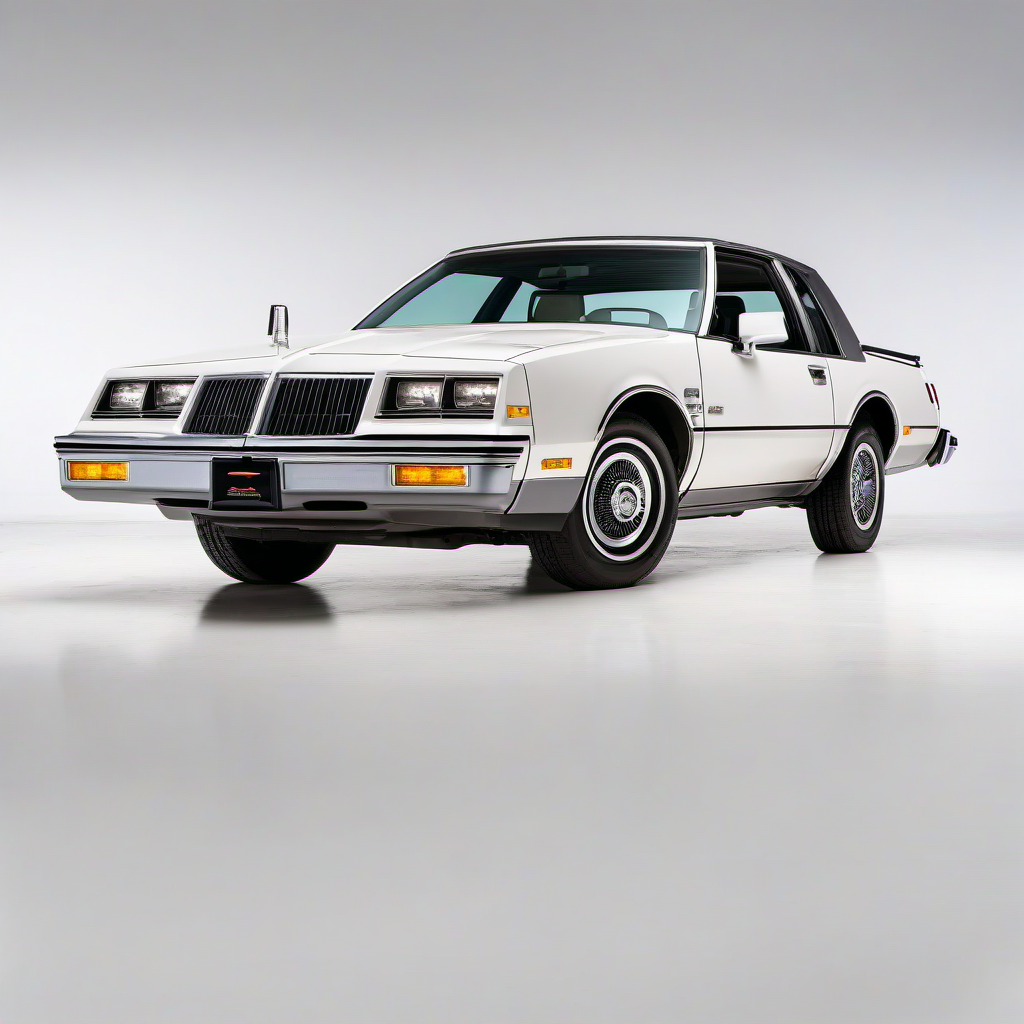
1983 Pontiac
2.5 L I4 · LE
The 1983 Pontiac 6000 LE is a front-wheel-drive mid-size sedan built on GM's A-body platform, sharing its bones with the Chevrolet Celebrity, Oldsmobile Cutlass Ciera, and Buick Century. It was positioned as Pontiac's mainstream family car — a step up from the compact Sunbird but without the performance pretensions of the Grand Prix. The LE trim added modest comfort features over the base model, including upgraded interior trim and additional convenience options. Power came from GM's 2.5L "Iron Duke" four-cylinder, a simple, carbureted pushrod engine known more for durability than excitement. A 2.8L V6 was also available, but the 2.5L was the common choice in base and LE trims. A three-speed automatic was the typical transmission pairing. This was a practical, affordable family car by the standards of its era — not fast, not flashy, but generally straightforward to own and repair. At 40-plus years old, any surviving 1983 6000 is a classic-car proposition. Rust is the dominant concern for any Midwest example. Parts availability has narrowed significantly, though the shared A-body platform means some mechanical components cross-reference with Celebrity and Century parts, which helps. Budget accordingly for the age of every rubber, electrical, and fuel system component on the car.
The 1983 Pontiac 6000 LE is a front-wheel-drive mid-size sedan built on GM's A-body platform, sharing its bones with the Chevrolet Celebrity, Oldsmobile Cutlass Ciera, and Buick Century. It was positioned as Pontiac's mainstream family car — a step up from the compact Sunbird but without the performance pretensions of the Grand Prix. The LE trim added modest comfort features over the base model, including upgraded interior trim and additional convenience options. Power came from GM's 2.5L "Iron Duke" four-cylinder, a simple, carbureted pushrod engine known more for durability than excitement. A 2.8L V6 was also available, but the 2.5L was the common choice in base and LE trims. A three-speed automatic was the typical transmission pairing. This was a practical, affordable family car by the standards of its era — not fast, not flashy, but generally straightforward to own and repair. At 40-plus years old, any surviving 1983 6000 is a classic-car proposition. Rust is the dominant concern for any Midwest example. Parts availability has narrowed significantly, though the shared A-body platform means some mechanical components cross-reference with Celebrity and Century parts, which helps. Budget accordingly for the age of every rubber, electrical, and fuel system component on the car.
The Rochester 2-barrel carb on the Iron Duke gums up from ethanol-blended modern fuel and extended storage. A clean, properly adjusted carb is critical for reliable starting, especially in Wisconsin winters.
Rubber hoses are 40+ years old on these cars. A burst hose leaves you stranded and can cause rapid overheating and head gasket damage to the Iron Duke.
Steel lines corrode from the inside out on older Midwest cars. Salt exposure accelerates this significantly. Brake line failure is a safety emergency.
The Iron Duke has tight tolerances and older seals that respond better to conventional oil. Frequent changes keep the simple valve train clean.
All original rubber is well past service life. Cracked bushings cause vague, unpredictable handling and accelerate tire wear.
Cold cranking a 40-year-old engine in sub-zero temps demands a strong battery. A marginal battery that passes a summer test can fail at -10°F.
This is a distributor-based ignition system. Cracked caps and deteriorated wires cause misfires, especially in damp Wisconsin weather.
Road salt wicks into unprotected pivots. A frozen door hinge or failed hood latch is a nuisance at best and a hazard at worst in winter conditions.
Always defer to the manufacturer's service manual for warranty-mandated intervals.
Day-to-day running costs are low when the car is healthy — cheap fuel, inexpensive basic parts, and simple mechanicals keep routine bills down. The risk is the unpredictable cost of age-related failures: a rust repair, a rebuilt transaxle, or a full cooling system overhaul can each cost more than the car's market value. Set aside a dedicated repair fund and treat every component as near end-of-life until proven otherwise.
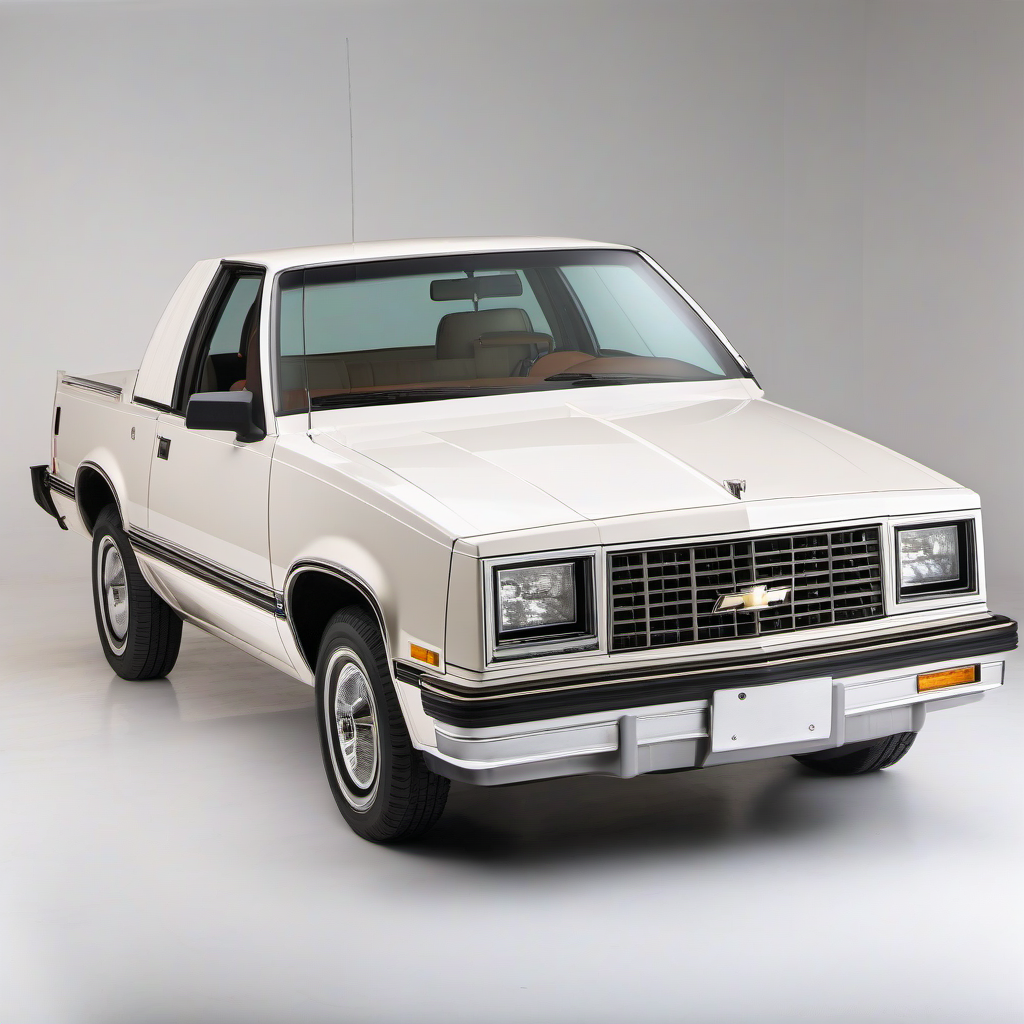
Essentially the same car — identical A-body platform, same engine options, same transaxle. Parts interchange heavily, making this the most directly comparable vehicle.
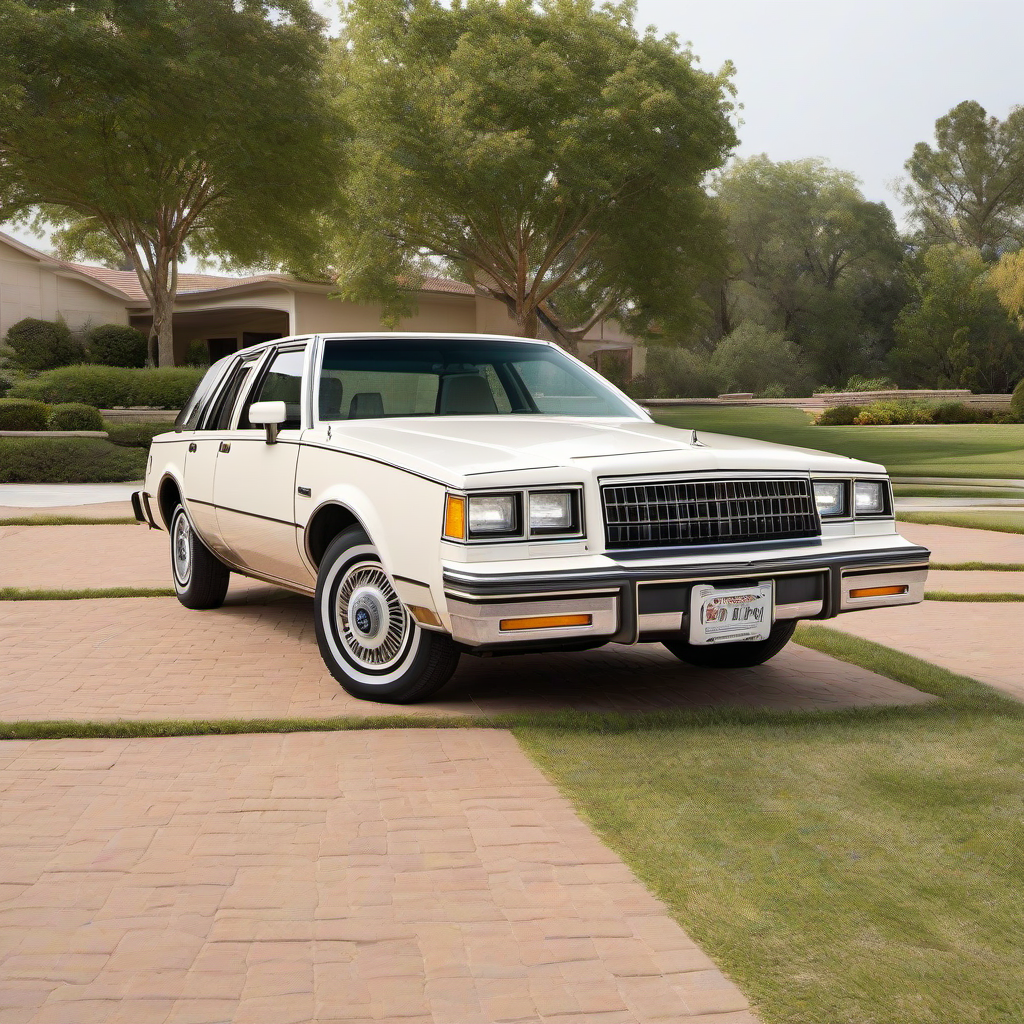
Same GM A-body platform, slightly more upscale trim positioning. Shares most mechanical components; often perceived as having better interior quality for a similar price.
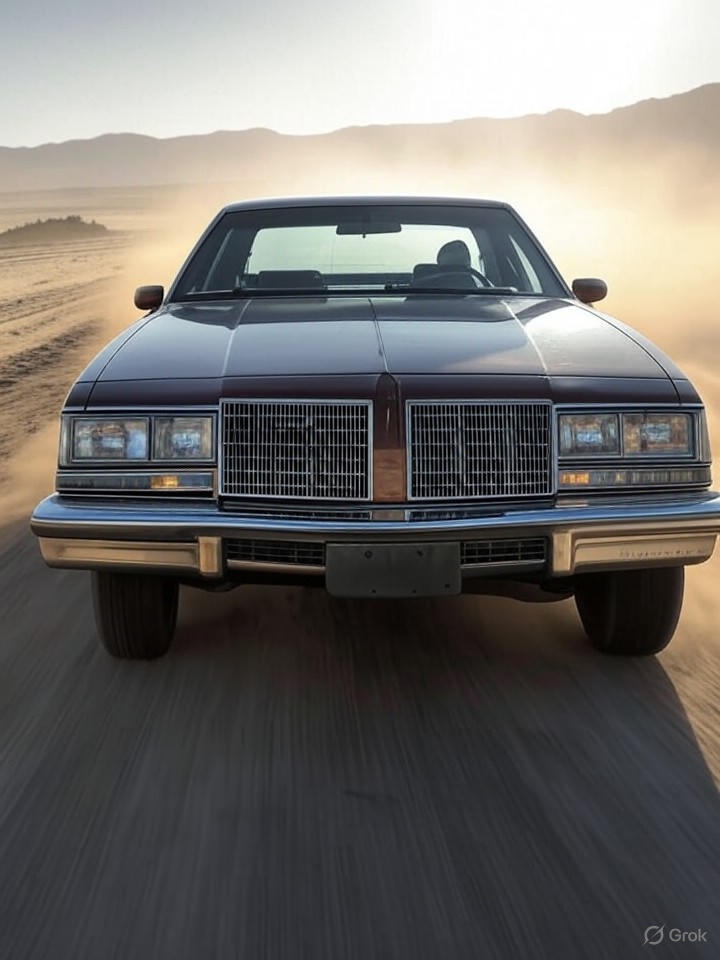
Fourth A-body sibling. The Ciera was the best-selling of the four and tends to have more parts support and collector interest today.
Ford's comparable mainstream mid-size sedan of the same era. RWD vs. FWD makes it a different mechanical proposition, but it competes in the same classic-car buyer segment at similar price points.
No catalog match