Rust — floor pans, rockers, and wheel arches
high- Typically appears
- All mileages on Midwest examples
- Estimated repair
- $500 – $5,000
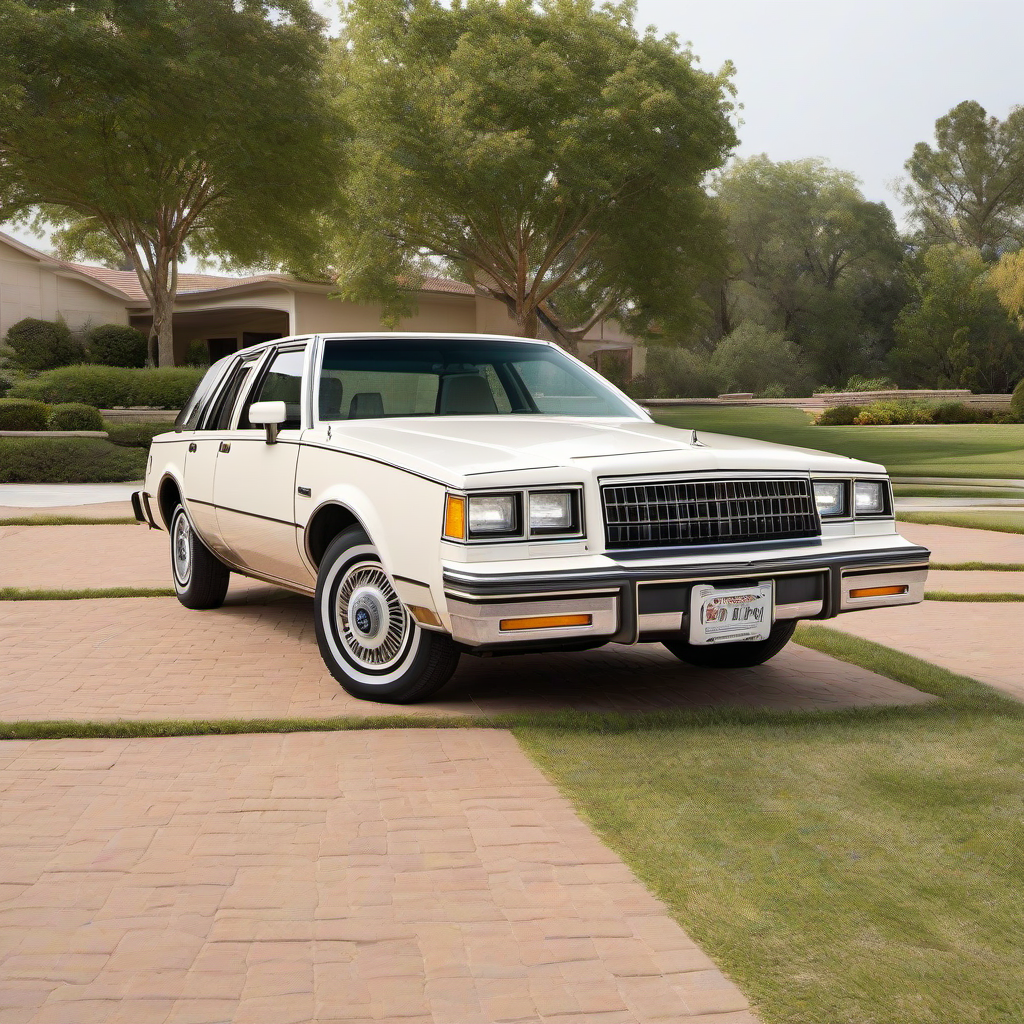
1983 Buick
2.5 L I4 · Limited
The 1983 Buick Century Limited is a front-wheel-drive mid-size sedan built on GM's A-body platform, a significant departure from the rear-wheel-drive Centuries of the 1970s. The second-generation A-body cars were GM's answer to the fuel-efficiency push of the early 1980s, and the Century was positioned as the refined, comfort-oriented choice in the lineup above the Chevrolet Celebrity and Pontiac 6000. The Limited trim was the top of the Century range, adding upgraded interior trim, additional sound deadening, and comfort-focused equipment over the base and Custom grades. Power came from GM's 2.5L 'Iron Duke' four-cylinder as standard equipment — a sturdy but decidedly unhurried engine — with optional V6 upgrades. The three-speed automatic was the typical pairing. At 40+ years old, this is now a full vintage vehicle. Parts availability has thinned considerably, most surviving examples carry high mileage and deferred maintenance, and rust — especially in the Midwest — is the number-one killer of these cars. Ownership today is mostly enthusiast-driven; expect to budget for restoration-level work rather than routine upkeep.
The 1983 Buick Century Limited is a front-wheel-drive mid-size sedan built on GM's A-body platform, a significant departure from the rear-wheel-drive Centuries of the 1970s. The second-generation A-body cars were GM's answer to the fuel-efficiency push of the early 1980s, and the Century was positioned as the refined, comfort-oriented choice in the lineup above the Chevrolet Celebrity and Pontiac 6000. The Limited trim was the top of the Century range, adding upgraded interior trim, additional sound deadening, and comfort-focused equipment over the base and Custom grades. Power came from GM's 2.5L 'Iron Duke' four-cylinder as standard equipment — a sturdy but decidedly unhurried engine — with optional V6 upgrades. The three-speed automatic was the typical pairing. At 40+ years old, this is now a full vintage vehicle. Parts availability has thinned considerably, most surviving examples carry high mileage and deferred maintenance, and rust — especially in the Midwest — is the number-one killer of these cars. Ownership today is mostly enthusiast-driven; expect to budget for restoration-level work rather than routine upkeep.
All rubber on a 40-year-old vehicle is beyond its service life. A burst hose or snapped belt will leave you stranded — or destroy the engine.
Old coolant loses its corrosion inhibitors, attacking the aluminum water pump and iron block from the inside.
The carburetor's rubber diaphragms and accelerator pump harden with age, causing hard starts, hesitation, and rough idle.
The Iron Duke tolerates modern oils well. Shorter intervals help manage any oil consumption from worn rings and keep sludge out of the simple valvetrain.
This transmission is sensitive to fluid condition. Fresh fluid is the cheapest way to extend its life.
Steel brake lines on Midwest cars are frequently rust-compromised. Deteriorated rubber hoses can collapse internally and cause brake drag or failure.
Ball joints, tie rod ends, and control arm bushings are likely original. Failure leads to loose, unsafe handling — especially on Wisconsin roads.
Cold Wisconsin winters are hard on any battery. The Iron Duke needs a strong, healthy battery for cold-morning starting.
Always defer to the manufacturer's service manual for warranty-mandated intervals.
Annual costs are highly variable and depend on the car's condition at purchase. A well-sorted example driven occasionally as a collector car can be reasonably cheap to keep up. A neglected example can absorb thousands in its first year as deferred maintenance is addressed. Budget generously for the unexpected — parts sourcing alone can double labor costs for 40-year-old GM A-body items.
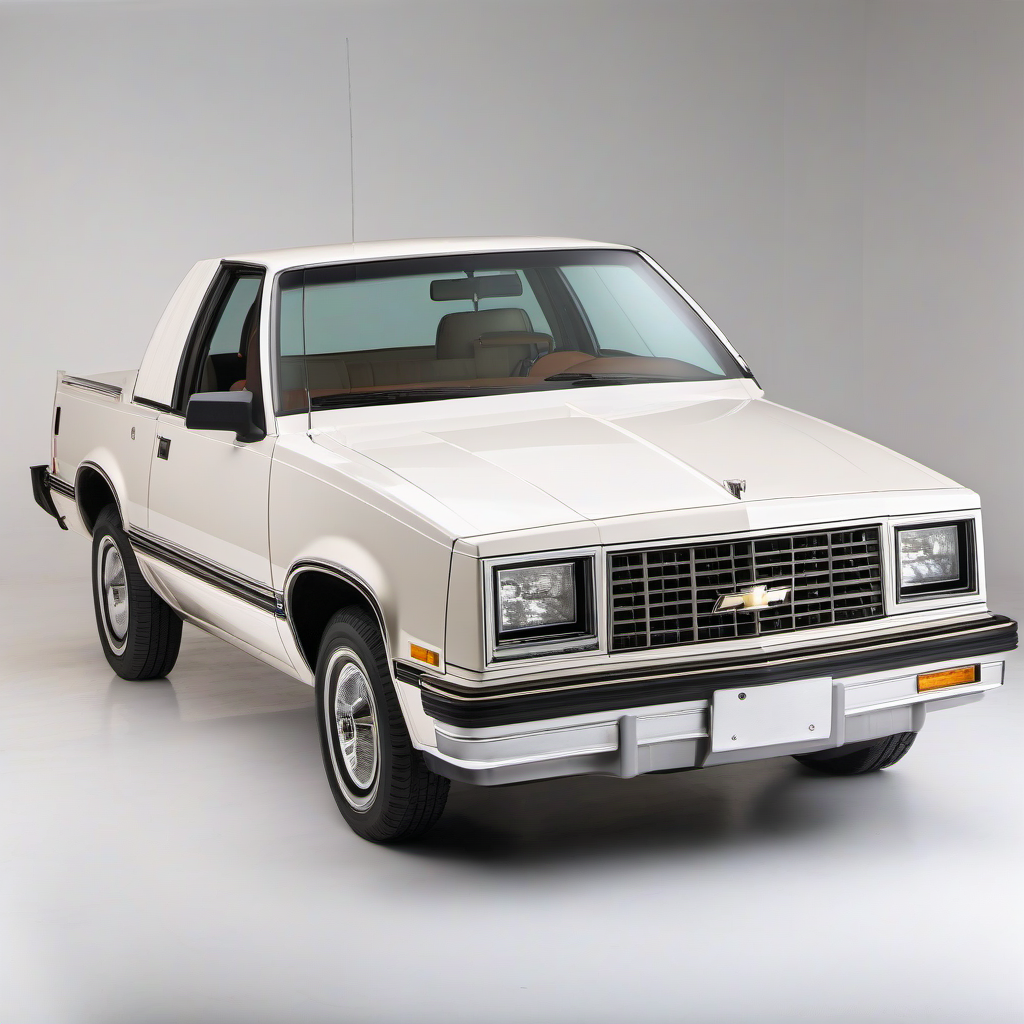
Mechanically identical GM A-body platform, same Iron Duke engine and THM-125 transaxle. More common, so parts are slightly easier to find, but less prestige than the Buick badge.
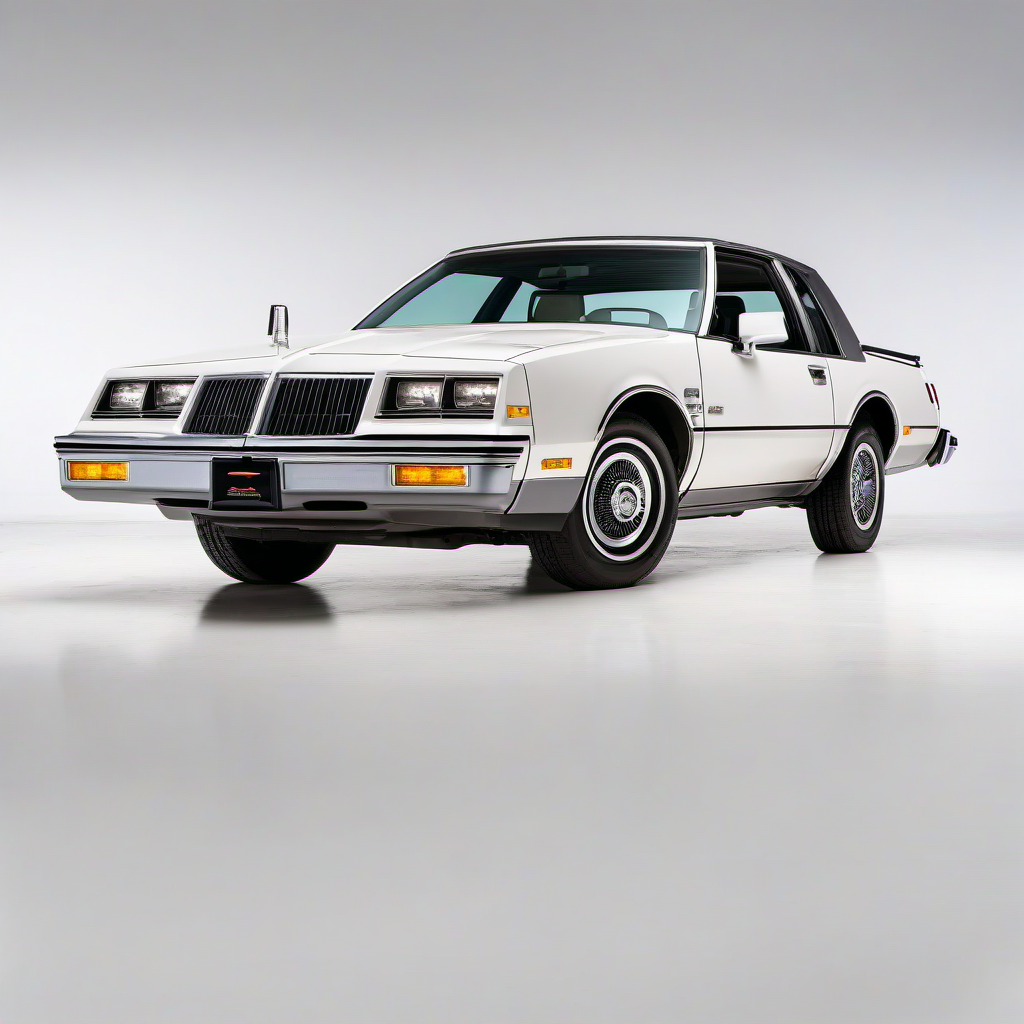
Third sibling on the same GM A-body FWD platform. Nearly identical ownership experience, slightly sportier trim options.
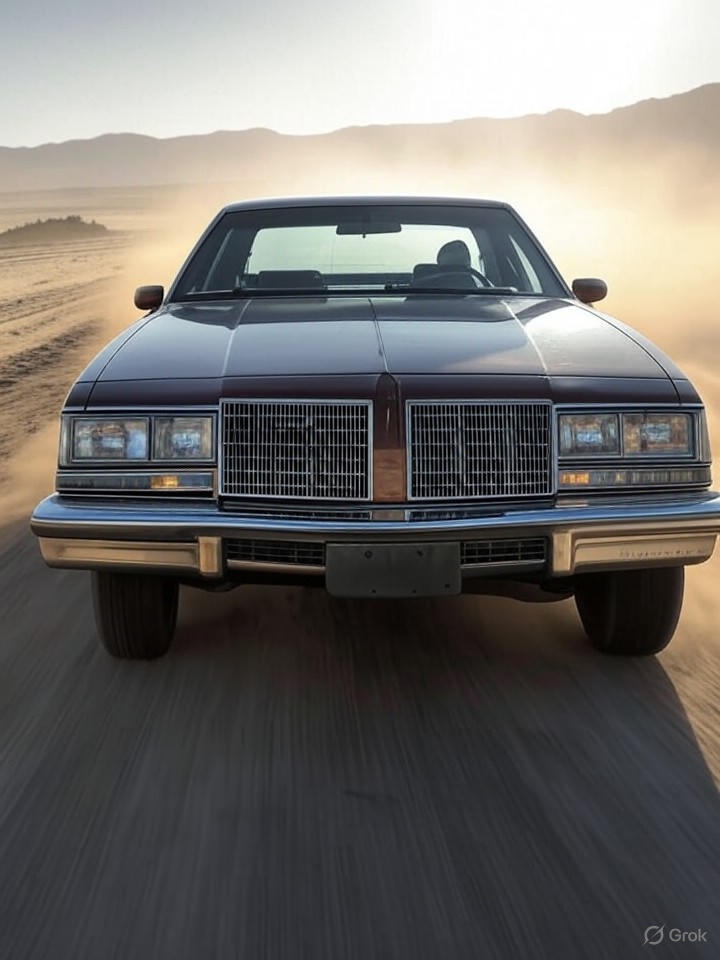
The fourth A-body variant, slotted above the Century in perceived prestige. Shares all major mechanical components and failure patterns.
Contemporary domestic mid-size competitor from Ford. Different platform (rear-wheel-drive on the 1983 LTD), similar buyer demographic and collector interest today.
No catalog match