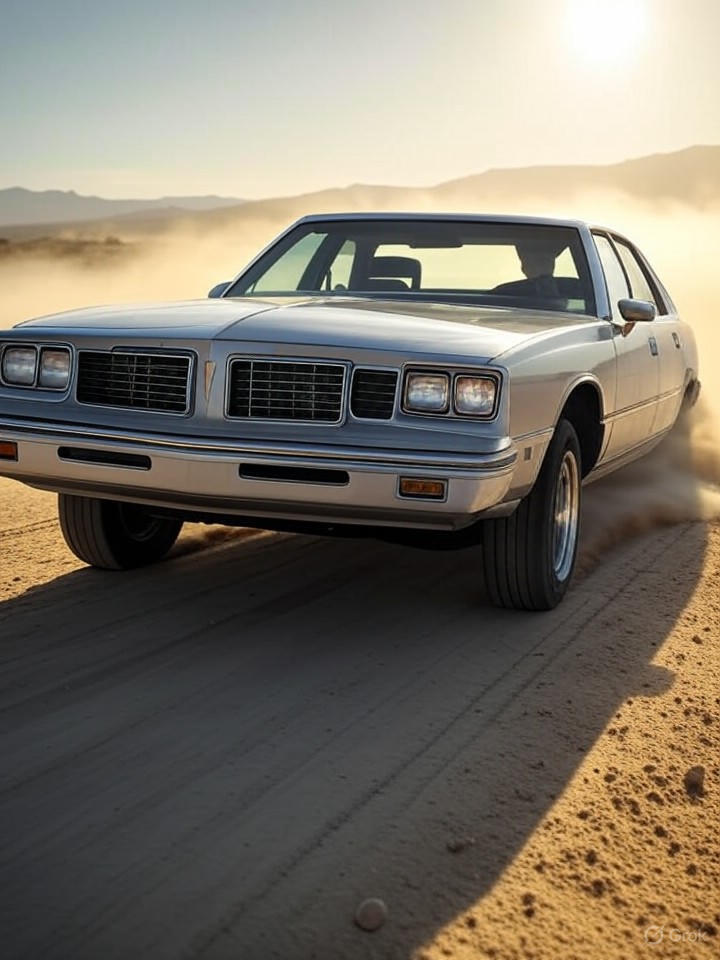
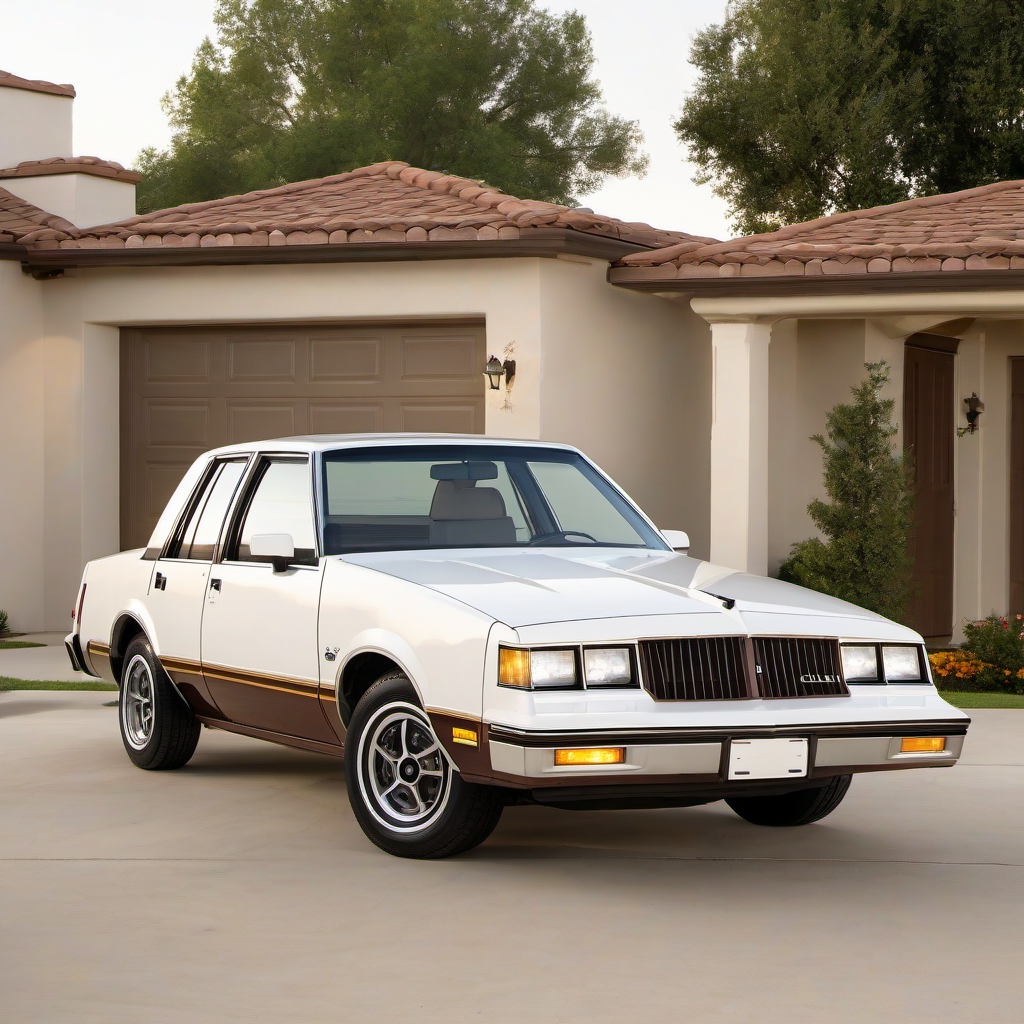
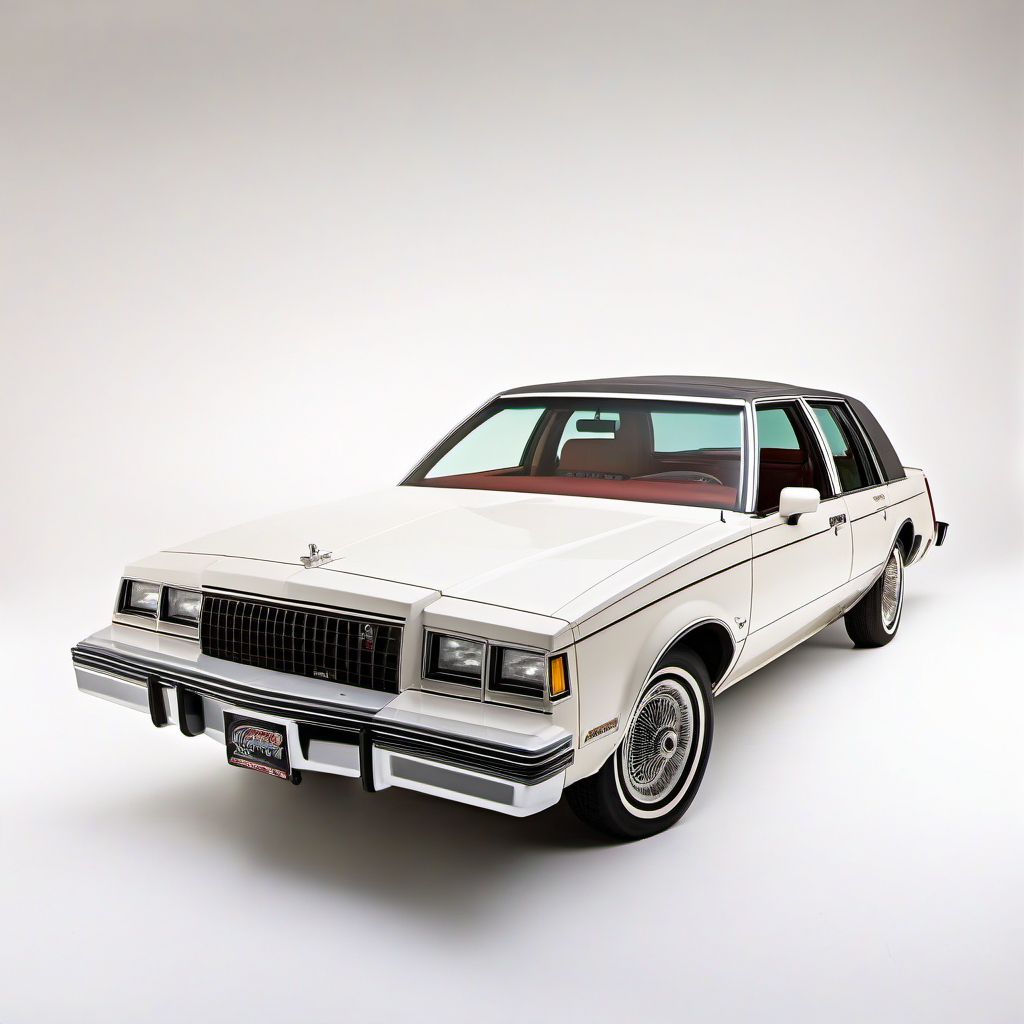
1982 Pontiac 6000 LE

1982 Pontiac

6000LE

2.5 L I4 · LE

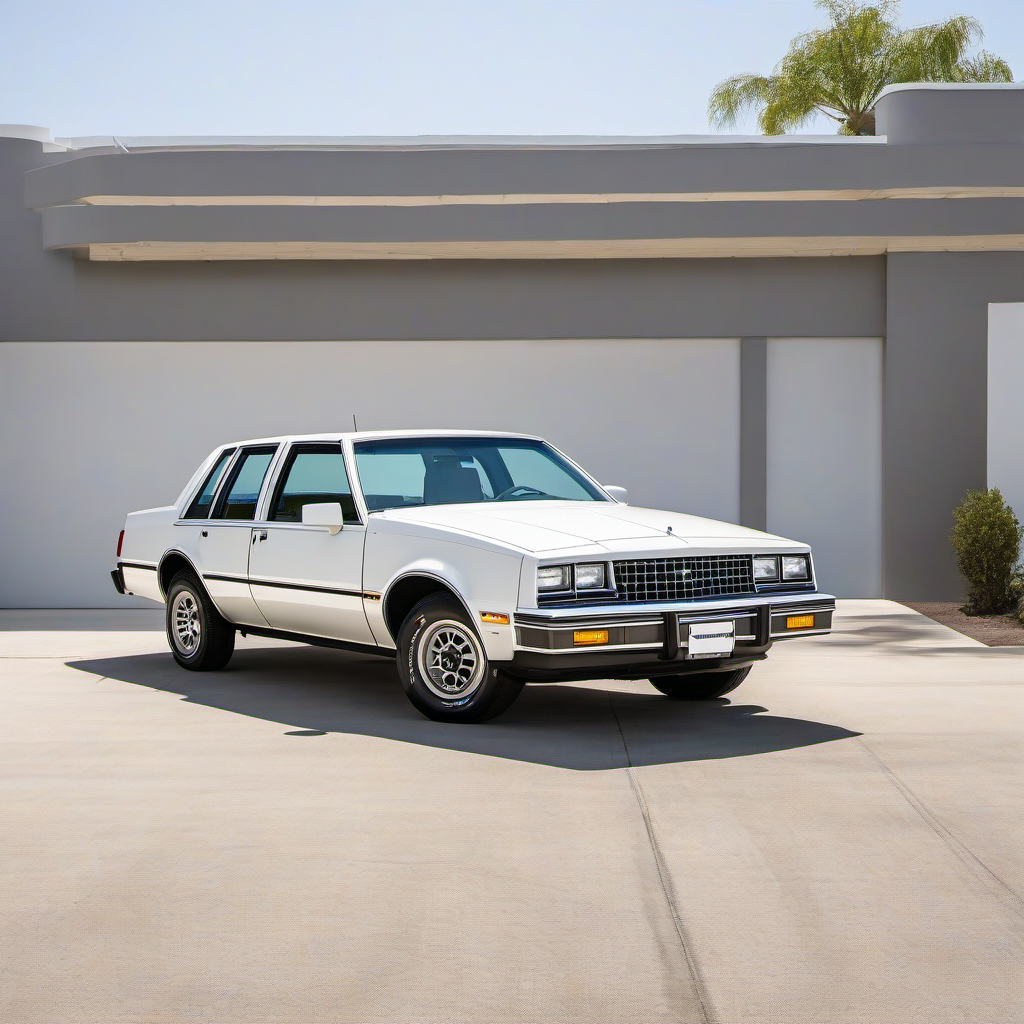
The 1982 Pontiac 6000 LE is a front-wheel-drive mid-size sedan built on GM's A-body platform, shared with the Chevrolet Celebrity, Oldsmobile Cutlass Ciera, and Buick Century. It was Pontiac's answer to the growing demand for fuel-efficient, domestically produced family sedans in the early 1980s. The LE trim added modest comfort upgrades over the base model. Powered by GM's 2.5L Iron Duke four-cylinder — a carbureted, low-compression engine designed for durability over performance — the 6000 was never quick, but it was designed to be dependable and economical. The Iron Duke had a long production run and parts remain available through the classic/vintage supply chain. At 40-plus years old, any surviving 1982 Pontiac 6000 is now a vintage vehicle. Rust is the dominant concern for a Wisconsin example. These cars were not rustproofed well from the factory, and four decades of road salt exposure can render an otherwise mechanically sound car structurally compromised. Buy only with eyes wide open.

Reliability
2/5
Verified data
Engine
2.5L I4 (Iron Duke)
Drivetrain
FWD
Fuel
Gasoline
MPG
24 city / 35 hwy / 28 combined
Seats
5
Doors
4
Body
Sedan
MSRP
$8,499

Overview

AI-curated

The 1982 Pontiac 6000 LE is a front-wheel-drive mid-size sedan built on GM's A-body platform, shared with the Chevrolet Celebrity, Oldsmobile Cutlass Ciera, and Buick Century. It was Pontiac's answer to the growing demand for fuel-efficient, domestically produced family sedans in the early 1980s. The LE trim added modest comfort upgrades over the base model. Powered by GM's 2.5L Iron Duke four-cylinder — a carbureted, low-compression engine designed for durability over performance — the 6000 was never quick, but it was designed to be dependable and economical. The Iron Duke had a long production run and parts remain available through the classic/vintage supply chain. At 40-plus years old, any surviving 1982 Pontiac 6000 is now a vintage vehicle. Rust is the dominant concern for a Wisconsin example. These cars were not rustproofed well from the factory, and four decades of road salt exposure can render an otherwise mechanically sound car structurally compromised. Buy only with eyes wide open.

Known for
  • GM A-body platform shared across four makes — parts commonality is a plus
  • Iron Duke 2.5L I4 — simple, carbureted, long-lived when maintained
  • Front-wheel drive was modern for a domestic sedan at the time
  • Comfortable, roomy interior for a mid-size of its era
  • Modest fuel economy relative to its domestic contemporaries
Best for
  • Classic/vintage car enthusiasts on a budget
  • Drivers wanting an affordable, simple-to-wrench domestic
  • Someone seeking a driver-quality survivor, not a show car
  • Those comfortable sourcing parts through vintage/NOS channels
Watch for
  • Severe rust on rockers, floor pans, frame rails, and subframe mounts — the #1 killer of these cars in the Midwest
  • Carburetor issues: Rochester E2SE throttle body is temperamental and rebuild kits are getting scarce
  • Early Computer Command Control (CCC) emissions system failures — sensors and modules are no longer dealer-supported
  • Brake hydraulic system corrosion — master cylinder and wheel cylinders often need full replacement at this age
  • Wiring harness brittleness: 40-year-old insulation cracks and causes gremlins or fire risk

Common issues by mileage

6 known

Carburetor / Rochester E2SE throttle body failure

high
Typically appears
Any mileage at this age
Estimated repair
$150 – $450

Floor pan and rocker panel rust-through

high
Typically appears
Any mileage — age-driven
Estimated repair
$500 – $3,000

Brake master cylinder and wheel cylinder corrosion/failure

high
Typically appears
Any mileage at this age
Estimated repair
$200 – $600

CCC (Computer Command Control) module and sensor faults

medium
Typically appears
Any mileage — age-driven
Estimated repair
$100 – $500

Cooling system failure — water pump, hoses, thermostat housing

high
Typically appears
Any mileage at this age
Estimated repair
$150 – $500

Wiring harness insulation cracking and electrical shorts

medium
Typically appears
Any mileage — age-driven
Estimated repair
$200 – $1,500

Maintenance schedule

  1. 1
    Annually or any time idle/driveability issues appear Carburetor inspection and cleaning

    The Rochester E2SE is sensitive to varnish buildup from ethanol-blended fuel and sitting. Modern E10/E15 fuel is harder on these old carbs. Keep fresh fuel and use a fuel stabilizer if storing.

  2. 2
    Annually, and before any purchase Full brake system inspection and fluid flush

    40-year-old brake hydraulics corrode from the inside out. Rubber cups and seals are long past service life. Brake failure is a real risk on an unrestored example.

  3. 3
    Annually Coolant flush and hose/clamp inspection

    Original rubber hoses and 40-year-old clamps can fail without warning. The Iron Duke overheats quickly and a blown head gasket will end a trip. Use fresh 50/50 coolant mix.

  4. 4
    Every spring after winter driving Underbody and floor pan rust inspection

    Wisconsin road salt is relentless. Check rockers, frame rails, subframe mounts, and floor pans every year. Catching rust early is far cheaper than structural repair.

  5. 5
    Every 3,000 miles or 6 months Engine oil and filter change

    The Iron Duke has no oil life monitor. Conventional oil, 10W-30, changed on a short interval keeps the flat-tappet valvetrain healthy. Use an oil with sufficient ZDDP for older engines.

  6. 6
    Every 2 years or 24,000 miles Distributor cap, rotor, spark plugs, and plug wires

    The Iron Duke uses a conventional points-less ignition. Worn ignition components cause hard starts and rough running — common complaints on cars that sit.

  7. 7
    Every fall before winter Battery test and terminal cleaning

    Cold Wisconsin winters demand a strong battery. The Iron Duke's carburetor already makes cold starting a chore; a weak battery turns it into an ordeal. Clean terminals prevent voltage drop.

  8. 8
    Every 2 years Wiring harness and connector inspection

    Plastic insulation on 1982 wiring is 40+ years old and cracks with heat cycles. Inspect for bare wires, brittle connectors, and corrosion. A short in these cars can cause a fire.

Always defer to the manufacturer's service manual for warranty-mandated intervals.

Cost of ownership

Annual maintenance
$600 – $2,500
Fuel
Moderate — EPA rates the 2.5L at roughly 24–28 MPG combined, but real-world figures on a 40-year-old carbureted engine will vary significantly based on tune. Figure $1,200–$1,800/yr at typical Lake Geneva driving distances.
Insurance
Classic/agreed-value insurance is typically $200–$500/yr for a car of this age and value, assuming limited annual mileage and a clean driving record. Standard policies may undervalue the car.

Day-to-day fuel and insurance costs are low. The wildcard is deferred maintenance and age-related repairs — a car this old requires proactive spending to stay safe and road-worthy. Budget generously for brake and cooling system work, carburetor maintenance, and rust remediation. Parts are inexpensive when available, but sourcing can take time.
Seasonal care

Lake Geneva, WI
Winter
  • Test and replace the battery before first hard freeze — cold cranking a carbureted engine demands full battery reserve
  • Use a fuel stabilizer or keep the tank full to prevent fuel system moisture and ethanol phase separation during cold storage
  • Apply an underbody rust inhibitor spray to frame rails, rockers, and subframe mounts before first salt exposure each season
  • Switch to a lighter-viscosity oil (10W-30 conventional) to ease cold starts — the Iron Duke doesn't have modern oil flow provisions
  • Ensure the coolant is mixed 50/50 and rated to at least -34°F — old coolant loses freeze protection
  • Keep de-icer and winter-rated wiper fluid in the reservoir; the washer lines and pump on a 40-year-old car may crack if plain water freezes
Summer
  • Check tire pressure monthly — ambient temperature swings between Wisconsin spring and summer cause pressure fluctuations
  • Inspect the radiator cap and overflow tank; heat soak on a 40-year-old cooling system can push a marginal system over the edge
  • Run the A/C system through a full cycle early in the season — R-12 refrigerant was the original spec; confirm whether the system has been converted to R-134a and verify charge
  • Check the carburetor choke operation — a stuck choke causes rich running and poor fuel economy in warm weather

Comparable vehicles

If you're shopping for one

Red flags
  • Any soft or rusted-through floor pans, rockers, or subframe mounting points — structural rust makes a car unsafe and uneconomical to restore
  • Evidence of coolant in the oil (milky dipstick) or oil in the coolant reservoir — Iron Duke head gasket failures are expensive relative to the car's value
  • A carburetor that has been heavily modified, replaced with an incompatible unit, or shows signs of repeated amateur rebuilds
  • Non-original wiring, fuse box bypasses, or added toggle switches — signs of electrical gremlins that were 'fixed' rather than diagnosed
  • R-12 A/C system that has never been converted — R-12 refrigerant is expensive and difficult to source; budget for R-134a conversion
  • Any title issues, missing VIN plates, or mismatched VIN stamps — verify the VIN against all locations on a car this age
What to inspect
  • Crawl under the car and probe floor pans, rocker panels, and frame rails with a screwdriver — soft or holey metal is a deal-breaker on a Wisconsin car
  • Verify the CCC computer and carburetor are functioning — a rough idle, hesitation, or stalling cold suggests carburetor or sensor problems
  • Test the brake pedal for firmness and check for any spongy feel or pulling — hydraulic system rebuild is likely needed on an unrestored example
  • Start the engine cold and watch for excessive white smoke, coolant smell, or overheating — signs of a compromised head gasket
  • Inspect all rubber: hoses, belts, suspension bushings, and CV axle boots — all are likely original age and should be budgeted for replacement
  • Check the wiring harness under the hood and under the dash for brittle insulation, melted wires, or evidence of amateur electrical repairs
AI profile generated 4 days ago · claude-sonnet-4-6 · v2.