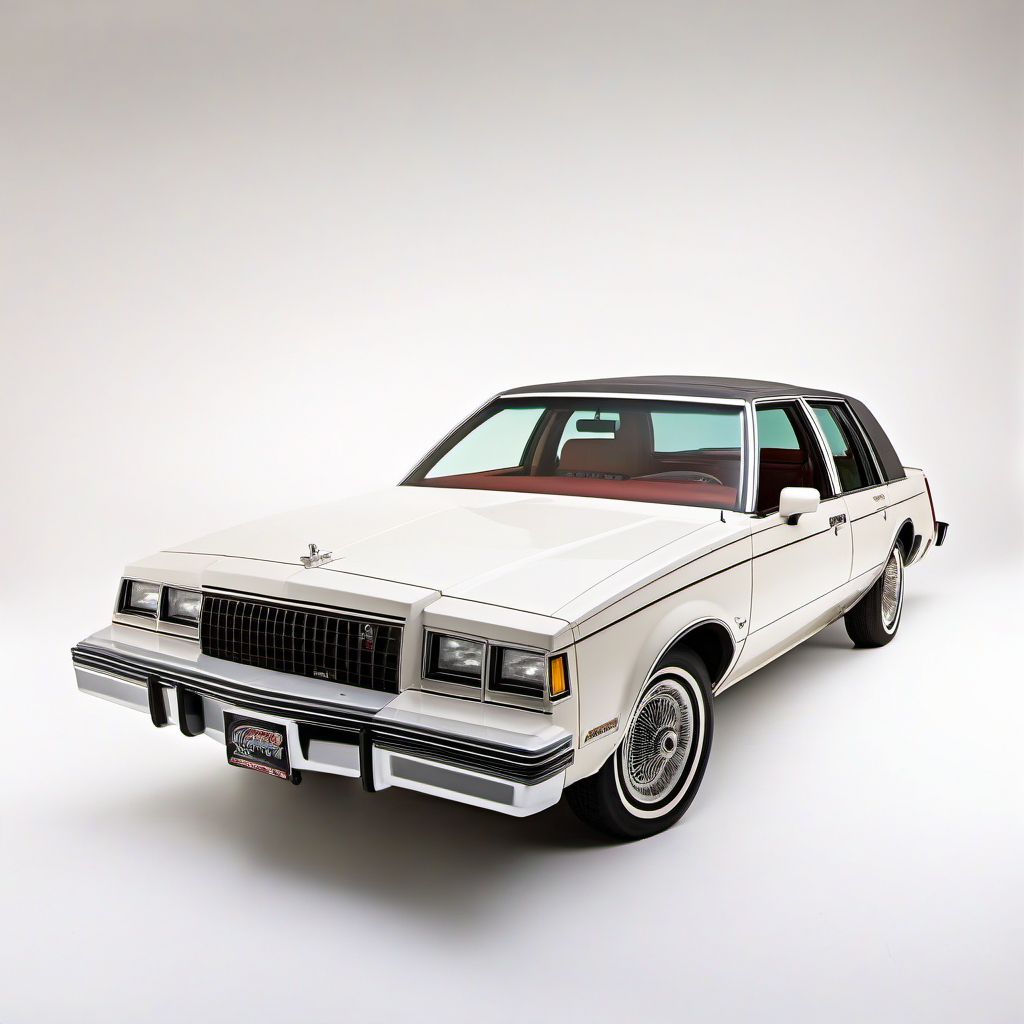
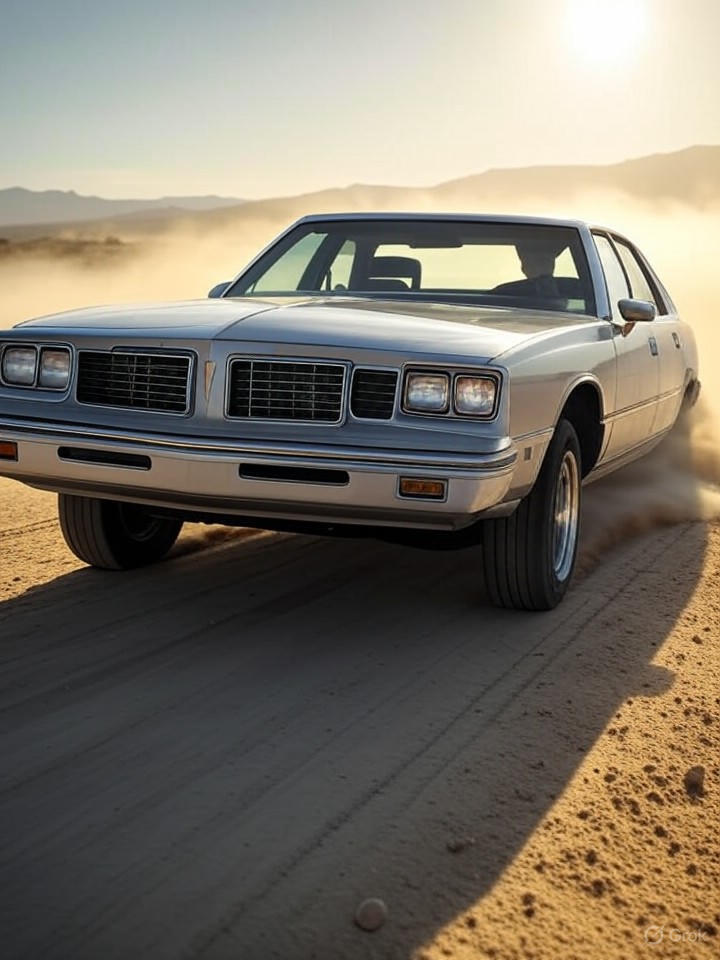
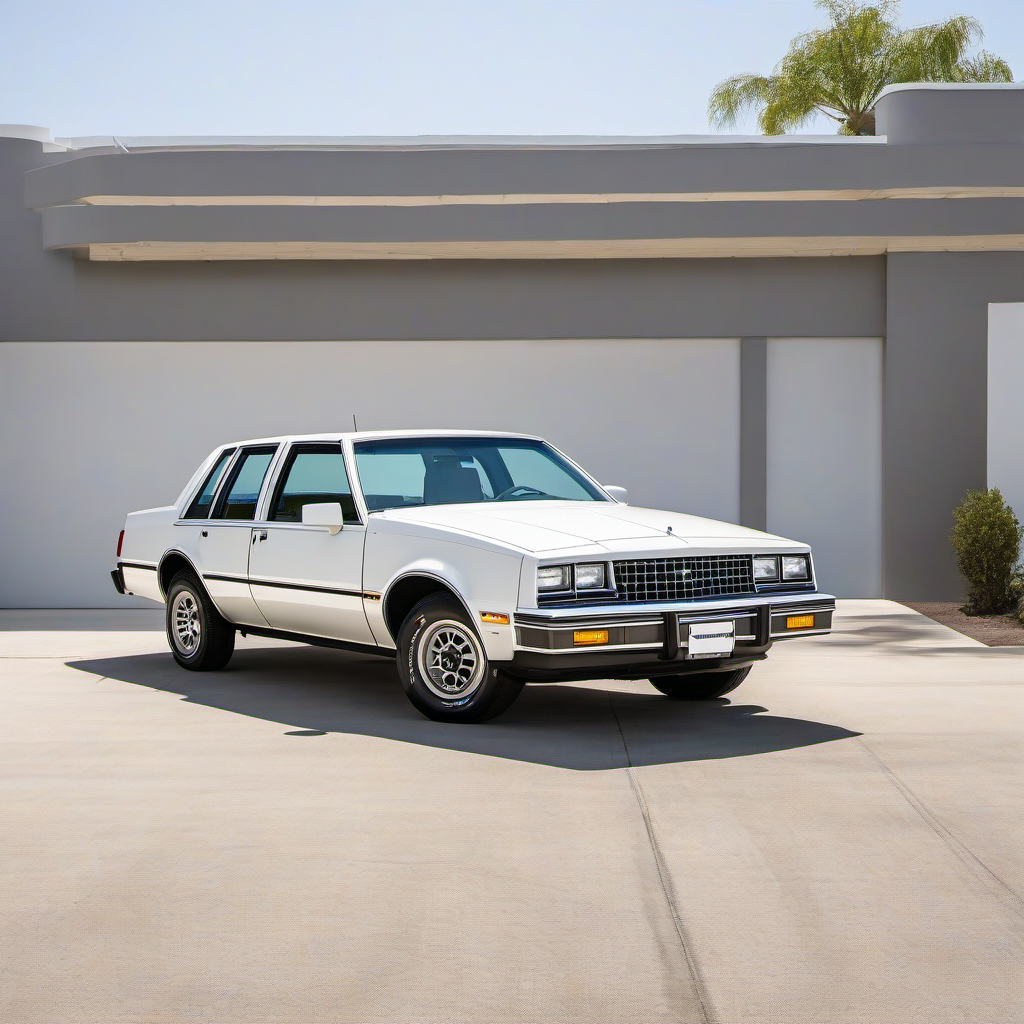
1982 Buick Century Custom

1982 Buick

CenturyCustom

2.5 L I4 · Custom

The 1982 Buick Century Custom is a front-wheel-drive mid-size sedan built on GM's A-body (later redesignated A-special) platform, sharing its bones with the Oldsmobile Cutlass Ciera and Pontiac 6000. This was the first full model year of the downsized, aerodynamically restyled Century that debuted for 1982 — a significant departure from the boxy, rear-wheel-drive Centuries of the late 1970s. The Custom was the mid-level trim, slotting between the base and the uplevel Limited. The standard engine was GM's 2.5L "Iron Duke" four-cylinder — a carbureted, cast-iron pushrod unit known more for durability than performance. A 2.8L V6 was optional. The three-speed automatic (THM-125C) was the most common transmission pairing. These cars were designed for economical, comfortable family transportation during a period when GM was chasing fuel-economy numbers in response to the energy crisis. At over 40 years old, surviving examples are now firmly collector or hobby territory. Expect significant deferred maintenance, rust (especially in the Midwest), and aged rubber throughout. Parts availability is spotty for trim and body pieces but reasonable for mechanicals through GM specialty suppliers.

Reliability
3/5
Verified data
Engine
2.5L I4 (Iron Duke)
Drivetrain
FWD
Fuel
Gasoline
MPG
22 city / 32 hwy / 26 combined
Seats
6
Doors
4
Body
Sedan
MSRP
$8,400

Overview

AI-curated

The 1982 Buick Century Custom is a front-wheel-drive mid-size sedan built on GM's A-body (later redesignated A-special) platform, sharing its bones with the Oldsmobile Cutlass Ciera and Pontiac 6000. This was the first full model year of the downsized, aerodynamically restyled Century that debuted for 1982 — a significant departure from the boxy, rear-wheel-drive Centuries of the late 1970s. The Custom was the mid-level trim, slotting between the base and the uplevel Limited. The standard engine was GM's 2.5L "Iron Duke" four-cylinder — a carbureted, cast-iron pushrod unit known more for durability than performance. A 2.8L V6 was optional. The three-speed automatic (THM-125C) was the most common transmission pairing. These cars were designed for economical, comfortable family transportation during a period when GM was chasing fuel-economy numbers in response to the energy crisis. At over 40 years old, surviving examples are now firmly collector or hobby territory. Expect significant deferred maintenance, rust (especially in the Midwest), and aged rubber throughout. Parts availability is spotty for trim and body pieces but reasonable for mechanicals through GM specialty suppliers.

Known for
  • Durable 2.5L Iron Duke four-cylinder engine
  • Smooth, comfortable ride for its era
  • Early adoption of front-wheel drive in a mid-size GM platform
  • Reasonable fuel economy for a 1980s domestic car
Best for
  • Classic car enthusiasts and hobbyists
  • Low-speed, warm-weather driving
  • Budget restoration projects
Watch for
  • Extensive rust in rocker panels, floor pans, and rear wheel wells — endemic in Midwest examples
  • Aged carburetor and fuel system components that degrade over decades
  • Worn or cracked suspension bushings throughout
  • Deteriorated wiring insulation and corroded connectors typical of 40-year-old GM vehicles

Common issues by mileage

6 known

Carburetor degradation and fuel delivery problems

high
Typically appears
All mileages — age-related
Estimated repair
$150 – $600

Rust in rocker panels, floor pans, and rear wheel arches

high
Typically appears
All mileages — age/environment-related
Estimated repair
$500 – $4,000

Coolant leaks from intake manifold gaskets and hoses

high
Typically appears
80k+ mi or 15+ years
Estimated repair
$200 – $600

Worn or collapsed front suspension bushings (control arm, strut rod)

high
Typically appears
All mileages — age-related
Estimated repair
$250 – $700

THM-125C automatic transmission slipping or delayed engagement

medium
Typically appears
80k–150k mi
Estimated repair
$600 – $2,000

Cracked or deteriorated vacuum lines causing rough idle and poor performance

high
Typically appears
All mileages — age-related
Estimated repair
$50 – $200

Maintenance schedule

  1. 1
    Every 3–5 years or at purchase Carburetor inspection and rebuild

    The Rochester 2-barrel carburetor on the Iron Duke develops stuck floats, worn needle valves, and deteriorated gaskets with age and ethanol-blended fuel. A rebuild kit is inexpensive; ignoring it leads to hard starts, rough idle, and poor fuel economy.

  2. 2
    Every 2 years or at purchase if history unknown Full cooling system flush and hose inspection

    40-year-old coolant hoses and the thermostat housing are overdue. Silicate-based coolant deteriorates and corrodes aluminum components. Inspect upper and lower radiator hoses, heater hoses, and the bypass hose for cracking and softness.

  3. 3
    At purchase Vacuum line replacement

    Original rubber vacuum lines are likely cracked and brittle. A full vacuum line replacement is inexpensive and often cures a range of driveability complaints on 40-year-old GM engines.

  4. 4
    At purchase, then every 2 years Brake fluid flush and brake inspection

    Old brake fluid absorbs moisture and drops boiling point significantly. Inspect calipers and wheel cylinders for seizing, which is common after decades of Wisconsin salt exposure.

  5. 5
    Every 30,000 miles or at purchase Transmission fluid and filter service (THM-125C)

    This transaxle tolerates neglect to a point, but old varnished fluid accelerates clutch pack wear. Use Dexron III-compatible fluid and replace the filter and pan gasket.

  6. 6
    Every 5,000 miles or seasonally Chassis lubrication — all greaseable suspension and steering fittings

    The A-body front suspension has multiple grease zerks that are easily overlooked. Dry joints accelerate wear dramatically, especially in freeze-thaw cycles.

  7. 7
    Every fall before winter Battery load test and cable inspection

    Cold cranking amps drop sharply below 0°F. The Iron Duke's compression requires a healthy battery in a Wisconsin winter. Also inspect battery cable ends for green corrosion, which is common on vehicles this age.

  8. 8
    Annually, before winter Underbody rust inspection and treatment

    Wisconsin road salt is this car's biggest enemy. Inspect frame rails, floor pan seams, and brake lines for rust perforation. Treat bare metal with a rust inhibitor before each winter.

Always defer to the manufacturer's service manual for warranty-mandated intervals.

Cost of ownership

Annual maintenance
$400 – $1,500
Fuel
With EPA-estimated 26 mpg combined and typical driving of 7,500 miles/year, expect roughly $900–$1,100/year at current Midwest gas prices. Real-world mileage on a 40-year-old carbureted engine may be lower.
Insurance
Typically low — most insurers classify this as a collector/classic vehicle eligible for agreed-value or stated-value policies at $200–$600/year depending on coverage level and usage.

Annual costs are highly variable depending on condition. A solid, well-maintained example driven lightly will be inexpensive to keep up. A neglected survivor can easily absorb $2,000–$5,000 upfront in deferred maintenance (carburetor, cooling system, brakes, bushings, rust treatment) before leveling off. Budget accordingly at purchase.
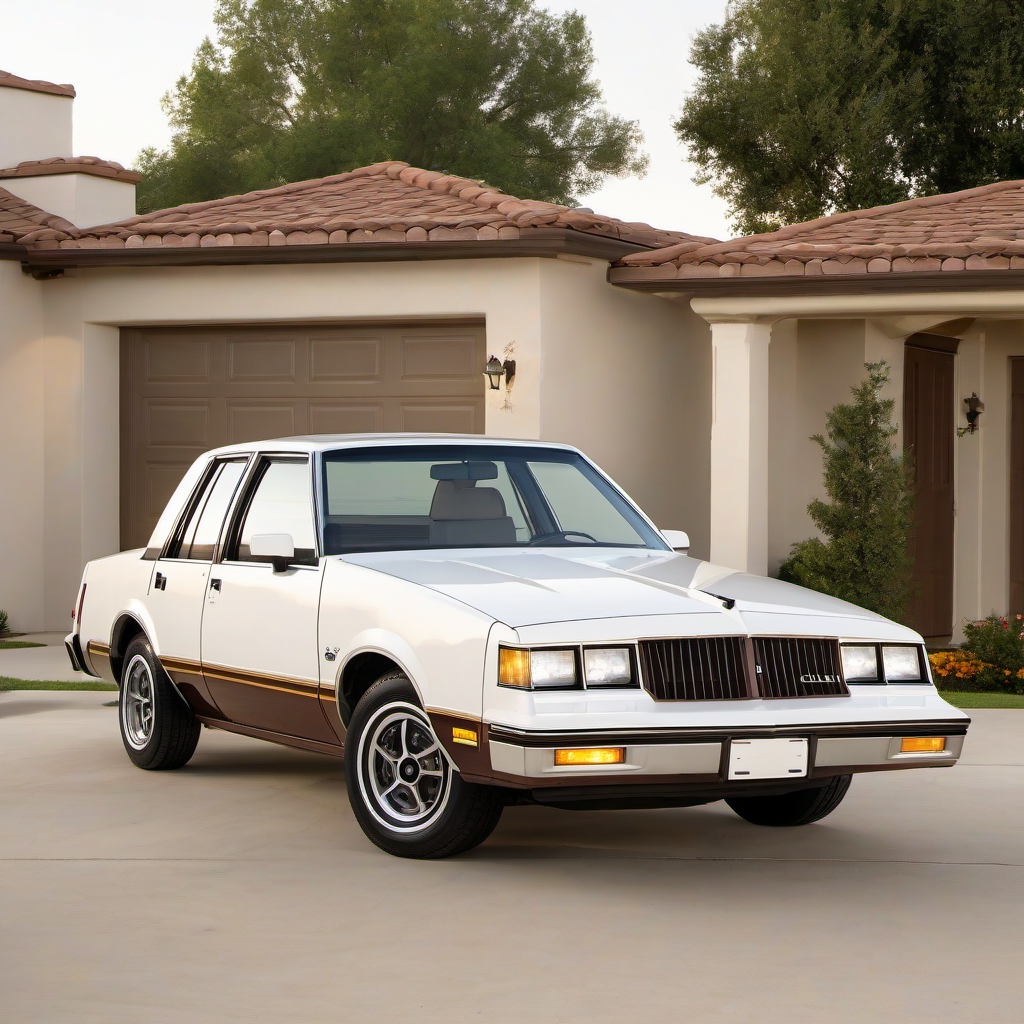
Seasonal care

Lake Geneva, WI
Winter
  • Load-test the battery every October — Iron Duke cold cranking needs are modest but a weak battery will leave you stranded when temps drop below 0°F in Lake Geneva.
  • Switch to a 5W-30 conventional oil if the engine still specifies 10W-40; thinner oil circulates faster on cold starts and reduces wear during warm-up.
  • Inspect and replace freeze plugs if there is any sign of seepage — a common failure on 40-year-old iron blocks.
  • Use winter-rated windshield washer fluid rated to at least -20°F; original washer nozzles are small and will clog if fluid freezes in the lines.
  • Inspect rubber brake hoses for brittleness — old rubber becomes stiff in the cold and can crack, causing brake failure.
  • Rinse the undercarriage thoroughly after any drive on salted roads; brake lines and fuel lines on a 1982 vehicle are original steel and extremely vulnerable to salt perforation.
Summer
  • Check coolant concentration and inspect the radiator cap seal — the original radiator is brass/copper and 40 years old; verify it holds pressure before summer heat soak.
  • Inspect the carburetor for vapor lock symptoms (hot-start hesitation or stall after short stops in heat); a heat shield on the intake and a fresh fuel line check help.
  • Check tire pressure monthly — aging tires lose pressure faster in heat fluctuations and original-spec tires may be near or past their age limit regardless of tread depth.
  • Test the A/C system if equipped — R-12 refrigerant is no longer legal to purchase without an EPA license; the system must be retrofitted to R-134a for any service work.

Comparable vehicles

If you're shopping for one

Red flags
  • Any visible rust perforation in the floor, frame rails, or wheel arches — structural rust on a 40-year-old unibody is expensive or impossible to repair economically
  • Evidence of long-term outdoor storage: bird dropping stains, UV-destroyed interior plastics, and mouse nesting in the air box or under the hood
  • Missing or non-functional A/C that still contains R-12 — the system must be properly evacuated and converted before any work can be done legally
  • A seller who cannot provide any maintenance or ownership history — provenance matters enormously on a vehicle this age
  • Smoke from the exhaust on startup: blue smoke means worn rings or valve seals; white smoke can mean a head gasket issue on an iron block this old
What to inspect
  • Floor pans and rocker panels — probe with a screwdriver; soft or perforated metal is a deal-breaker without a major budget for bodywork
  • Brake lines along the frame rails — look for pitting, pinhole rust, or repairs with rubber hose (a sign of past leaks)
  • Carburetor operation: cold start, warm idle, and throttle response should all be smooth; stumbles indicate a rebuild is needed
  • Coolant color and condition — brown or rusty coolant signals neglected cooling system; check for milky oil that would indicate head gasket issues
  • All rubber: tires (check for cracking in sidewalls, not just tread), hoses, vacuum lines, and door/window seals
  • Transmission engagement: should shift smoothly from Park into Drive and Reverse without a long delay or clunk
AI profile generated 4 days ago · claude-sonnet-4-6 · v2.