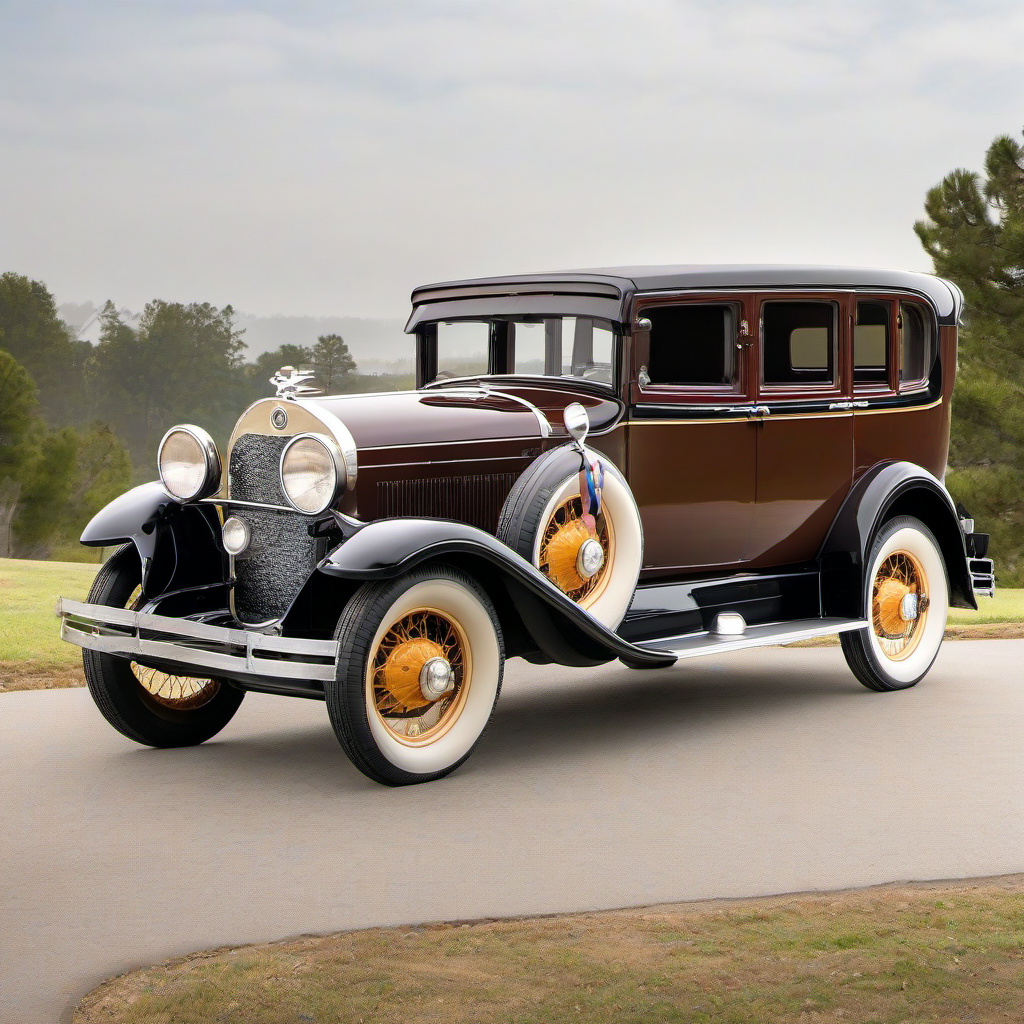
1929 Buick Series 115 Sedan

1929 Buick

Series 115Sedan

207 CI I6 · Sedan

The 1929 Buick Series 115 is a pre-Depression-era full-size American sedan built on Buick's smallest wheelbase for that model year. Powered by a 207 cubic-inch overhead-valve inline-six — a genuinely advanced design for its time — it offered smooth, quiet power that distinguished Buick from contemporaries using flathead engines. The Series 115 was positioned as an entry point into the Buick lineup, though it still carried the refinement and build quality the brand was known for in the classic era. These cars are now 95+ years old and exist almost entirely as collector and show vehicles. No example is a daily driver, and none should be treated as one. Parts sourcing depends heavily on the vintage Buick hobbyist community, specialty suppliers, and machine shops capable of working on pre-war iron. Expect any running example to have been restored, re-engineered, or significantly modified at some point in its life. Owning a 1929 Series 115 is a commitment to a hobby, not a transportation solution. The reward is a piece of American automotive history that is surprisingly drivable when properly sorted. The risk is that 'properly sorted' can consume significant time and money.

Reliability
3/5
Verified data
Engine
207 CI OHV I6
Drivetrain
RWD
Fuel
Gasoline
MPG
Seats
5
Doors
4
Body
Sedan
MSRP
$1,195

Overview

AI-curated

The 1929 Buick Series 115 is a pre-Depression-era full-size American sedan built on Buick's smallest wheelbase for that model year. Powered by a 207 cubic-inch overhead-valve inline-six — a genuinely advanced design for its time — it offered smooth, quiet power that distinguished Buick from contemporaries using flathead engines. The Series 115 was positioned as an entry point into the Buick lineup, though it still carried the refinement and build quality the brand was known for in the classic era. These cars are now 95+ years old and exist almost entirely as collector and show vehicles. No example is a daily driver, and none should be treated as one. Parts sourcing depends heavily on the vintage Buick hobbyist community, specialty suppliers, and machine shops capable of working on pre-war iron. Expect any running example to have been restored, re-engineered, or significantly modified at some point in its life. Owning a 1929 Series 115 is a commitment to a hobby, not a transportation solution. The reward is a piece of American automotive history that is surprisingly drivable when properly sorted. The risk is that 'properly sorted' can consume significant time and money.

Known for
  • Advanced overhead-valve inline-six engine for the era
  • Smooth, quiet ride relative to contemporaries
  • Classic late-1920s coachwork and styling
  • Strong Buick build quality and materials for 1929
  • Active collector and vintage Buick club support network
Best for
  • Serious vintage car collectors and restorers
  • Car show enthusiasts interested in pre-war American automobiles
  • Hobbyists with mechanical skills and access to a machine shop
  • Buick brand historians and marque enthusiasts
Watch for
  • Nearly universal need for rebuilt or freshened mechanical components after 95+ years
  • Extremely limited parts availability — many items require fabrication or NOS sourcing
  • Braided or cloth wiring harnesses that are fire hazards if original and unrestored
  • Original mechanical brakes (4-wheel, non-hydraulic) require proper adjustment and respect
  • Ethanol content in modern pump gasoline can degrade original rubber fuel system components

Common issues by mileage

6 known

Mechanical brake adjustment and component wear

high
Typically appears
All mileages — age-dependent
Estimated repair
$300 – $1,200

Degraded or fire-hazard original wiring harness

high
Typically appears
All unrestored examples
Estimated repair
$800 – $3,000

Fuel system deterioration from ethanol in modern gasoline

high
Typically appears
Any example run on modern pump gas without fuel system refresh
Estimated repair
$200 – $900

Engine oil leaks from cork gaskets and worn seals

high
Typically appears
All ages — material degradation
Estimated repair
$150 – $700

Cooling system scaling, hose failure, and thermostat issues

medium
Typically appears
All unrestored or aging restoration examples
Estimated repair
$200 – $800

Babbit bearing wear in engine requiring rebabbiting or insert conversion

medium
Typically appears
Any example not rebuilt in the last 30 years
Estimated repair
$1,500 – $5,000

Maintenance schedule

  1. 1
    Every oil change Use ZDDP-additive or purpose-blended vintage motor oil

    Flat-tappet OHV engines like the 207 CI six require high zinc/phosphorus (ZDDP) content that modern API SN/SP oils have reduced. Cam and lifter wear accelerates rapidly without it.

  2. 2
    Every fill-up Use ethanol-free (E0) gasoline whenever possible

    Ethanol degrades original or reproduction rubber fuel lines, accelerates carburetor corrosion, and absorbs water — all serious issues in a pre-war fuel system.

  3. 3
    Every season or before any extended driving Inspect and adjust mechanical brakes

    Four-wheel mechanical brakes require precise adjustment for even, effective stopping. Improper adjustment causes pulling, fading, or brake lockup.

  4. 4
    Annually or after first heat cycles following any long storage Inspect and re-torque cylinder head

    Cast iron heads and blocks expand and contract significantly; original head gaskets can weep or blow if fasteners are not checked after thermal cycling.

  5. 5
    Annually Inspect wiring for chafing, brittle insulation, and loose connections

    Original cloth-braided wiring is a fire hazard at this age. Even replaced harnesses age. This is a safety-critical inspection on any pre-war vehicle.

  6. 6
    Every 2 years Flush and refill cooling system with appropriate coolant

    Older cast-iron cooling systems scale and corrode. Use a coolant compatible with cast iron — some modern OAT formulations are not appropriate. Flush removes scale buildup that causes overheating.

  7. 7
    Every 500–1,000 operating miles or at least annually Grease all chassis lubrication points (Zerk fittings)

    1929-era chassis have numerous grease fittings for kingpins, tie rod ends, and steering components. Neglecting these leads to rapid wear of components that are very difficult to source.

  8. 8
    Before any storage period Store with a fuel stabilizer or drained carburetor if off for more than 30 days

    Gasoline degrades in 30–60 days, leaving varnish in the carburetor and fuel passages. A gummed carb on a pre-war vehicle is a significant cleaning and rebuild job.

Always defer to the manufacturer's service manual for warranty-mandated intervals.

Cost of ownership

Annual maintenance
$500 – $4,000
Fuel
Ethanol-free premium recommended; fuel consumption is roughly 12–15 mpg under light use, but annual mileage on collector cars is typically very low (under 1,000 miles/year), so annual fuel cost is minimal
Insurance
Collector/agreed-value policy through a vintage auto insurer is strongly recommended over standard auto insurance; annual premiums for properly valued collector cars in this class typically run $200–$600/year depending on coverage and storage

Annual costs vary wildly depending on the car's current state and how actively it is driven or shown. A well-sorted, fully restored example in regular show use may cost $500–$1,500/year in routine maintenance and consumables. An example being actively restored or sorted can run $3,000–$10,000+ in a single year. Budget generously: parts often require custom fabrication, and labor from a shop experienced with pre-war vehicles commands premium rates. Join the Buick Club of America — member resources and parts connections can save significant money.

Seasonal care

Lake Geneva, WI
Winter
  • Do not drive on Wisconsin salted roads — road salt will aggressively attack original or uncoated body panels, frame, and chassis components that lack modern corrosion protection. This is a near-absolute rule for a collector vehicle of this age.
  • Store in a heated or at minimum dry, unheated garage. Temperature swings cause condensation inside the engine and fuel system; a proper car cover helps manage moisture.
  • If storing for the season, drain the carburetor float bowl or add fuel stabilizer to prevent varnish buildup from ethanol-blended gasoline sitting idle.
  • Disconnect the battery (if the car has been converted to a 12V system) or remove and store the original 6V battery on a trickle charger to prevent sulfation over the winter.
  • Check coolant freeze protection — original or replacement coolant should protect to at least -34°F for Wisconsin winters. Cast-iron blocks can crack if coolant freezes.
  • Stuff the exhaust outlet and air intake with rags or foam to prevent rodents from nesting — a serious issue in stored classic cars.
Summer
  • Monitor engine temperature closely during warm-weather driving — pre-war cooling systems have minimal margin and can overheat in slow traffic or on hot days. Know your temp gauge and pull over before it climbs into danger.
  • Check tire condition and inflation before any summer outing. Vintage-specification tires age-crack even with low mileage; age alone (not just tread) determines when they should be replaced.
  • Inspect the fuel system for any seepage or weeping before summer driving season — heat accelerates fuel evaporation and can turn a minor drip into a fire hazard.
  • Check that the vacuum-driven windshield wiper system is functioning before summer storm season — wiper performance on these cars drops under engine load, which is a safety issue in rain.
  • Re-grease all chassis fittings at the start of the driving season to protect kingpins and steering components before summer show miles are accumulated.

Comparable vehicles

1929 Chevrolet
Series AC

Direct contemporary in the 1929 GM family, one step below Buick. More common, so parts and restorer expertise are slightly easier to find. Flathead six vs. Buick's OHV unit.

No catalog match
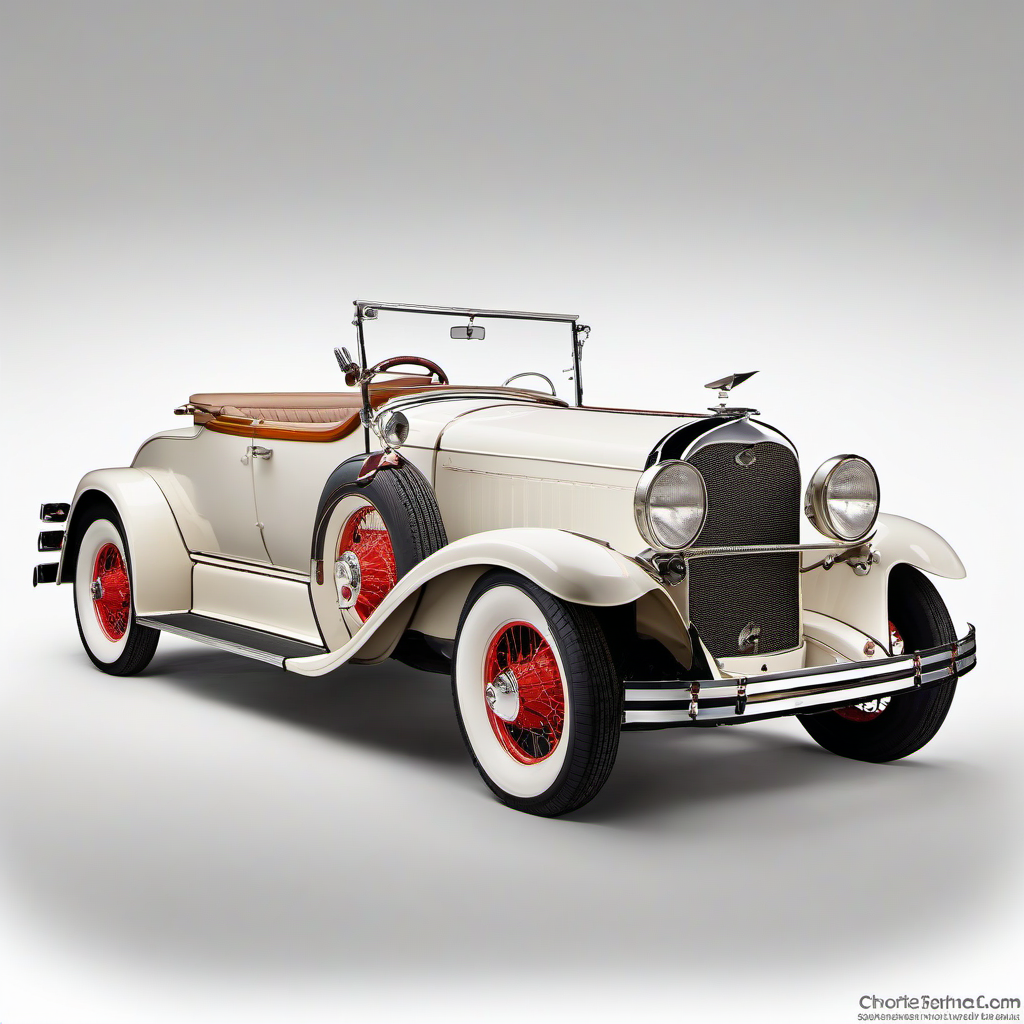
1929 Chrysler Series 65
1929 Chrysler
Series 65

Same model year, similar price class, four-door sedan body. Chrysler's six was also well-regarded. Strong collector community with comparable parts availability challenges.

1929 Studebaker
Dictator

Comparable displacement six-cylinder, similar market positioning, four-door sedan available. Studebaker collectors are well-organized and parts support is reasonable for the era.

No catalog match
1929 Pontiac
Series 6-29A

GM stablemate just below Buick in the hierarchy, same model year. Oakland/Pontiac six-cylinder cars share some restoration resources with the Buick community.

No catalog match

If you're shopping for one

Red flags
  • Seller cannot provide any restoration documentation or history — on a 95-year-old car, undocumented means unknown risk
  • Evidence of amateur electrical work: mismatched wire gauges, taped splices, or an added fuse box jury-rigged under the dash
  • Any evidence of serious body rust, especially in structural areas like the frame rails or A-pillars
  • Engine that won't start cold without excessive cranking, or that knocks at idle — babbit bearings may be worn out
  • Brakes that feel uneven, require excessive pedal effort, or pull to one side under test — do not drive this car home until brakes are sorted
  • Tires with visible sidewall cracking or an unknown manufacture date (DOT date code) — age-cracked tires can fail without warning
What to inspect
  • Wiring: pull back carpet and look under the dash — original cloth wiring is a fire hazard and must be replaced
  • Frame and body sills for rust perforation, especially at the rear quarter and rocker areas
  • Brake adjustment and rod/cable condition throughout all four corners — test stops before trusting them
  • Engine oil pressure at idle and operating temp using a mechanical gauge (not just a warning light if the car has been modified)
  • Head gasket condition: look for bubbling in the radiator, milky oil on the dipstick, or white exhaust smoke
  • Steering kingpin play — grab the front wheels and check for slop; worn kingpins are a safety issue and a restoration project
  • Carburetor condition: look for weeping fuel, varnish deposits, and check the choke and throttle linkage for smooth operation
  • Authenticity of body and trim if originality matters to you — confirm VIN and cowl tag data, as many survivors have been rebodied or mixed with other year components
AI profile generated 4 days ago · claude-sonnet-4-6 · v2.