Dried or cracked cooling system hoses and gaskets
high- Typically appears
- All mileages — age-driven
- Estimated repair
- $200 – $800
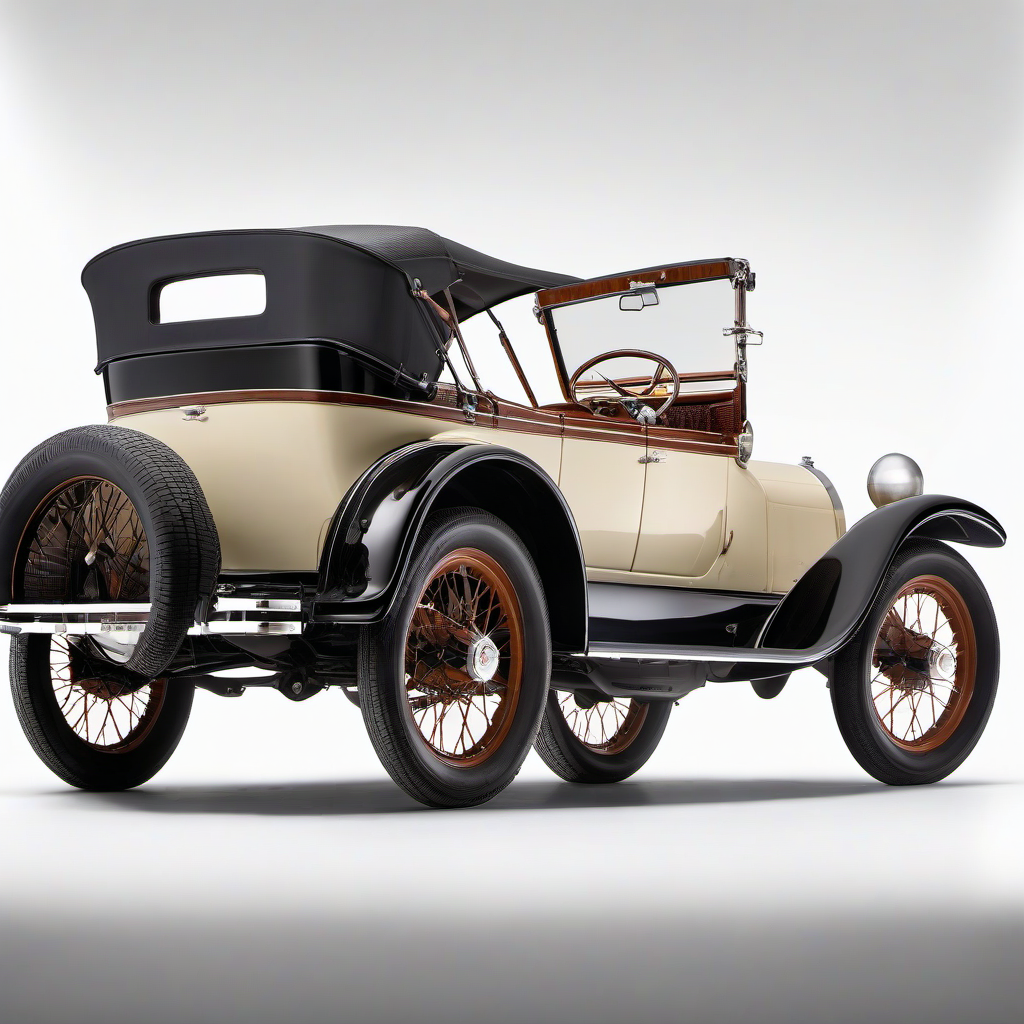
1926 Chrysler
160 CI I4 · Phaeton
The 1926 Chrysler Series 50 Phaeton is one of the earliest automobiles to carry the Chrysler nameplate, launched just two years after Walter P. Chrysler founded the company in 1925. The Series 50 sat at the entry level of the Chrysler lineup for that era, powered by a 160 cubic-inch inline four-cylinder engine and riding on a conventional ladder frame with leaf springs all around. As an open-body Phaeton — a four-door, convertible-top touring car — it was built for leisurely open-air motoring, not year-round utility. By today's standards this is a full-blown antique automobile, now nearly 100 years old. Virtually every surviving example is a collector or show car, not a daily driver. Parts are sourced almost exclusively through antique auto salvage, specialty vendors, and club networks like the Walter P. Chrysler Club. Mechanical simplicity is its greatest practical asset: a flathead four, a three-speed sliding-gear manual, mechanical (not hydraulic) brakes, and no electronics whatsoever. Owning and maintaining one of these requires a different mindset than modern car ownership. You are caring for a piece of American automotive history. Expect to fabricate or have machined many parts that no longer exist off the shelf, and budget for specialist labor from a shop experienced with pre-war vehicles.
The 1926 Chrysler Series 50 Phaeton is one of the earliest automobiles to carry the Chrysler nameplate, launched just two years after Walter P. Chrysler founded the company in 1925. The Series 50 sat at the entry level of the Chrysler lineup for that era, powered by a 160 cubic-inch inline four-cylinder engine and riding on a conventional ladder frame with leaf springs all around. As an open-body Phaeton — a four-door, convertible-top touring car — it was built for leisurely open-air motoring, not year-round utility. By today's standards this is a full-blown antique automobile, now nearly 100 years old. Virtually every surviving example is a collector or show car, not a daily driver. Parts are sourced almost exclusively through antique auto salvage, specialty vendors, and club networks like the Walter P. Chrysler Club. Mechanical simplicity is its greatest practical asset: a flathead four, a three-speed sliding-gear manual, mechanical (not hydraulic) brakes, and no electronics whatsoever. Owning and maintaining one of these requires a different mindset than modern car ownership. You are caring for a piece of American automotive history. Expect to fabricate or have machined many parts that no longer exist off the shelf, and budget for specialist labor from a shop experienced with pre-war vehicles.
Cast-iron blocks and brass radiators corrode internally over winter storage. A single cooling failure can crack the block or warp the head.
Mechanical brakes require precise cable/rod adjustment and evenly matched lining thickness to stop straight. This is a safety-critical item on every pre-war vehicle.
Modern API-rated oils lack the zinc/phosphorus (ZDDP) additives that protect flat-tappet camshafts and lifters. Using the wrong oil accelerates cam lobe wear.
The distributor contact points are the ignition system on this engine. Worn or pitted points cause misfires, hard starts, and engine damage from running too rich.
Modern gasoline containing ethanol degrades original rubber fuel lines, attacks zinc carb components, and leaves varnish deposits after sitting.
Phaeton bodies rely on hardwood framing. Moisture infiltration — especially relevant after Wisconsin winters — leads to structural rot that can compromise the entire body.
A 6-volt lead-acid battery will not survive a Wisconsin winter on the shelf without maintenance charging. Coolant left in a cast-iron block from 1926 can crack it if it freezes.
Pre-war chassis have numerous grease points that modern cars eliminated. Neglecting them causes accelerated wear in steering and suspension components that are extremely difficult to source.
Always defer to the manufacturer's service manual for warranty-mandated intervals.
Annual costs for a properly restored, show-driven Series 50 are relatively modest because mileage is low. Budget $500–$1,500 for routine seasonal prep in a good year. If bodywork, brake overhaul, top replacement, or machine shop work is needed, a single season can easily run $3,000–$8,000 or more. Specialist labor — from shops experienced with pre-war vehicles — commands premium rates, and that is money well spent. Amateur work on a car this rare and valuable causes irreversible damage.
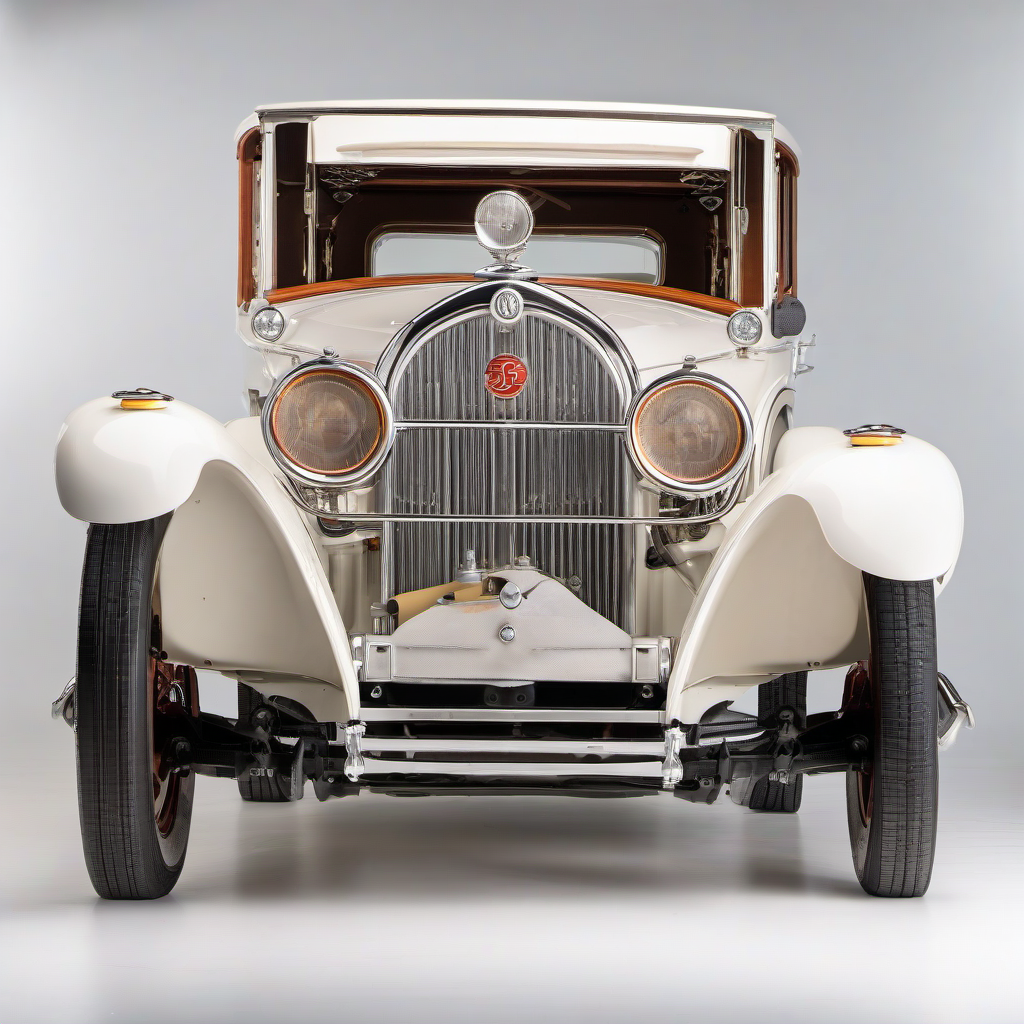
Same era, similar price point and open-body touring variants, comparable collector market and parts-sourcing challenges.
Direct contemporary from a sister brand with overlapping collector community and similar four-door open body availability.
No catalog match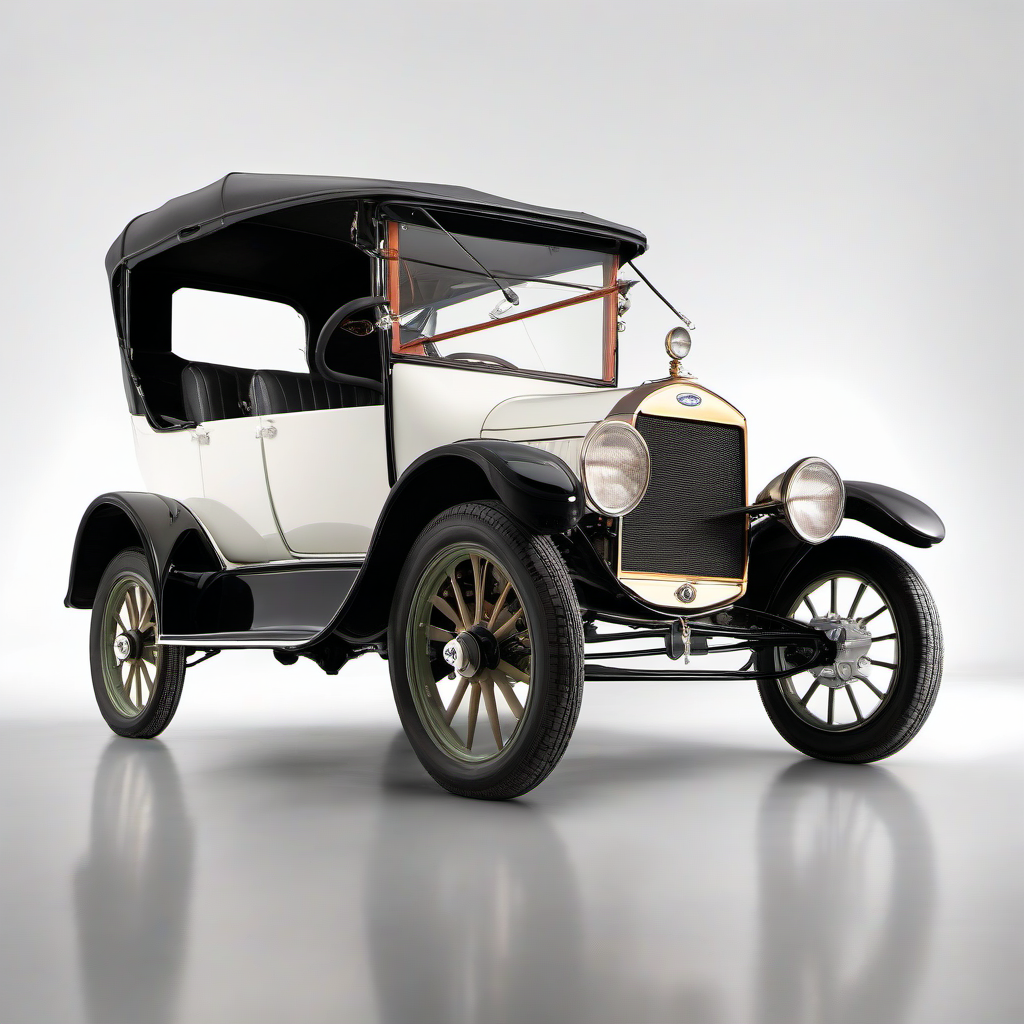
The dominant entry-level open tourer of the same year — far more parts availability due to volume, but a direct market and show-class comparable.
Period-correct competitor in the same touring-car segment with a comparable inline engine and open coachwork, appealing to the same collector audience.
No catalog match