Touchscreen Freeze / Unresponsive Display
medium- Typically appears
- 40–70k mi
- Estimated repair
- $700 – $1,500
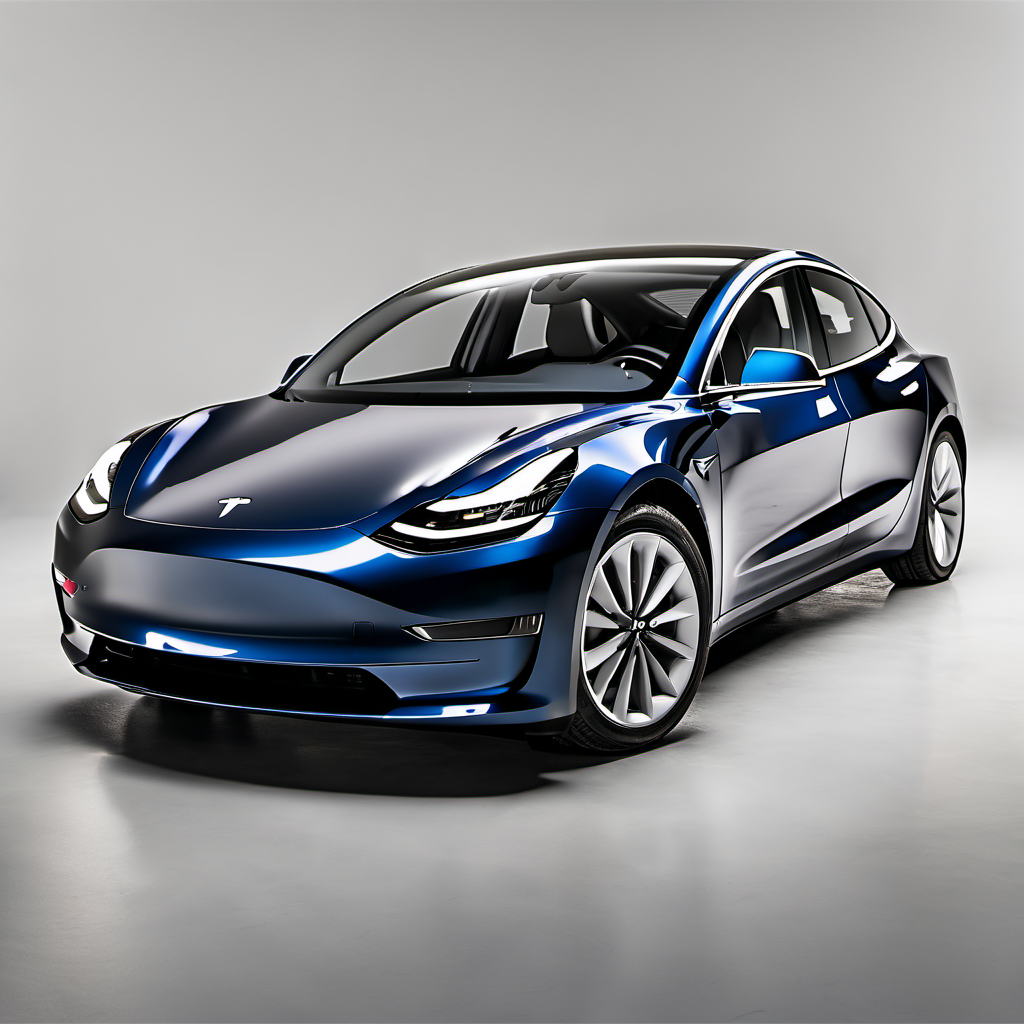
2022 Tesla
Sedan
The 2022 Tesla Model 3 is a fully electric mid-size sedan that remains one of the best-selling EVs in the world. It pairs a minimalist interior centered around a 15-inch touchscreen with genuinely quick performance and one of the most capable driver-assistance suites available at its price point. The Standard Range (RWD) version uses a single rear motor rated at 271 hp, while Long Range and Performance AWD variants are also available — all sharing the same sleek body. For daily commuting and highway driving, the Model 3 is hard to beat on running costs. No oil changes, minimal brake wear thanks to regenerative braking, and over-the-air software updates mean many routine shop visits simply don't apply. That said, it is not maintenance-free: tires wear fast (especially on Performance trims), brake fluid still needs attention, and the 12V auxiliary battery is a known weak point. In Lake Geneva winters, range loss in sub-zero temperatures is the biggest practical concern — plan on 20–40% fewer miles per charge when it's cold. The car handles it reasonably well with some preparation, but it demands a change in driving habits compared to a gas vehicle.
The 2022 Tesla Model 3 is a fully electric mid-size sedan that remains one of the best-selling EVs in the world. It pairs a minimalist interior centered around a 15-inch touchscreen with genuinely quick performance and one of the most capable driver-assistance suites available at its price point. The Standard Range (RWD) version uses a single rear motor rated at 271 hp, while Long Range and Performance AWD variants are also available — all sharing the same sleek body. For daily commuting and highway driving, the Model 3 is hard to beat on running costs. No oil changes, minimal brake wear thanks to regenerative braking, and over-the-air software updates mean many routine shop visits simply don't apply. That said, it is not maintenance-free: tires wear fast (especially on Performance trims), brake fluid still needs attention, and the 12V auxiliary battery is a known weak point. In Lake Geneva winters, range loss in sub-zero temperatures is the biggest practical concern — plan on 20–40% fewer miles per charge when it's cold. The car handles it reasonably well with some preparation, but it demands a change in driving habits compared to a gas vehicle.
The Model 3's instant torque and weight distribution accelerate tire wear significantly. Regular rotation is the single most important maintenance item on this car — skipping it will cost you a full set of tires much sooner than expected.
Regenerative braking means the hydraulic brakes are used far less than on a gas car, so moisture absorption in the fluid goes unnoticed longer. Tesla recommends a 2-year interval; don't skip it because the brakes 'feel fine.'
The HEPA-style cabin filter keeps road dust and allergens out of the interior. Wisconsin road salt and summer pollen load it up — replace on schedule.
Separate from the cabin filter, this filter protects the HVAC system itself. Replacement is straightforward and inexpensive.
This small lead-acid battery controls all low-voltage systems. When it fails, the car can't wake up and won't move. In sub-zero Lake Geneva winters, a marginal battery will fail fast. Test it every fall — replacement is ~$200–300 at an independent shop.
The battery and power electronics use a dedicated liquid cooling loop with Tesla's pink cooling fluid. Check for leaks and fluid level at the 4-year mark; full flush is recommended by Tesla at 4 years for the battery coolant loop.
EV tires carry heavier loads and pressure swings 1–2 PSI per 10°F change. Going from a 70°F summer to a 0°F Wisconsin winter drops pressure by 7+ PSI. Underinflated tires hurt range and wear unevenly.
Use a winter-rated washer fluid rated to at least -20°F — standard fluid freezes on the windshield at Wisconsin temperatures. The Model 3's single large windshield makes visibility critical; replace blades before they streak.
Always defer to the manufacturer's service manual for warranty-mandated intervals.
The Model 3's day-to-day running costs are genuinely low — no oil changes, minimal brake jobs, and cheap electricity versus gasoline. Annual maintenance at an independent shop (tire rotations, brake fluid, filters) typically runs $400–$900. The financial risk is on the high end: a touchscreen replacement runs $700–$1,500, a 12V battery swap is $200–$450, and a battery pack replacement (rare before 100k mi) can reach $15,000–$20,000. As long as you avoid the catastrophic battery failure scenario — which good charging habits make unlikely — total cost of ownership over 5 years is competitive with or better than a similarly priced gas sedan.
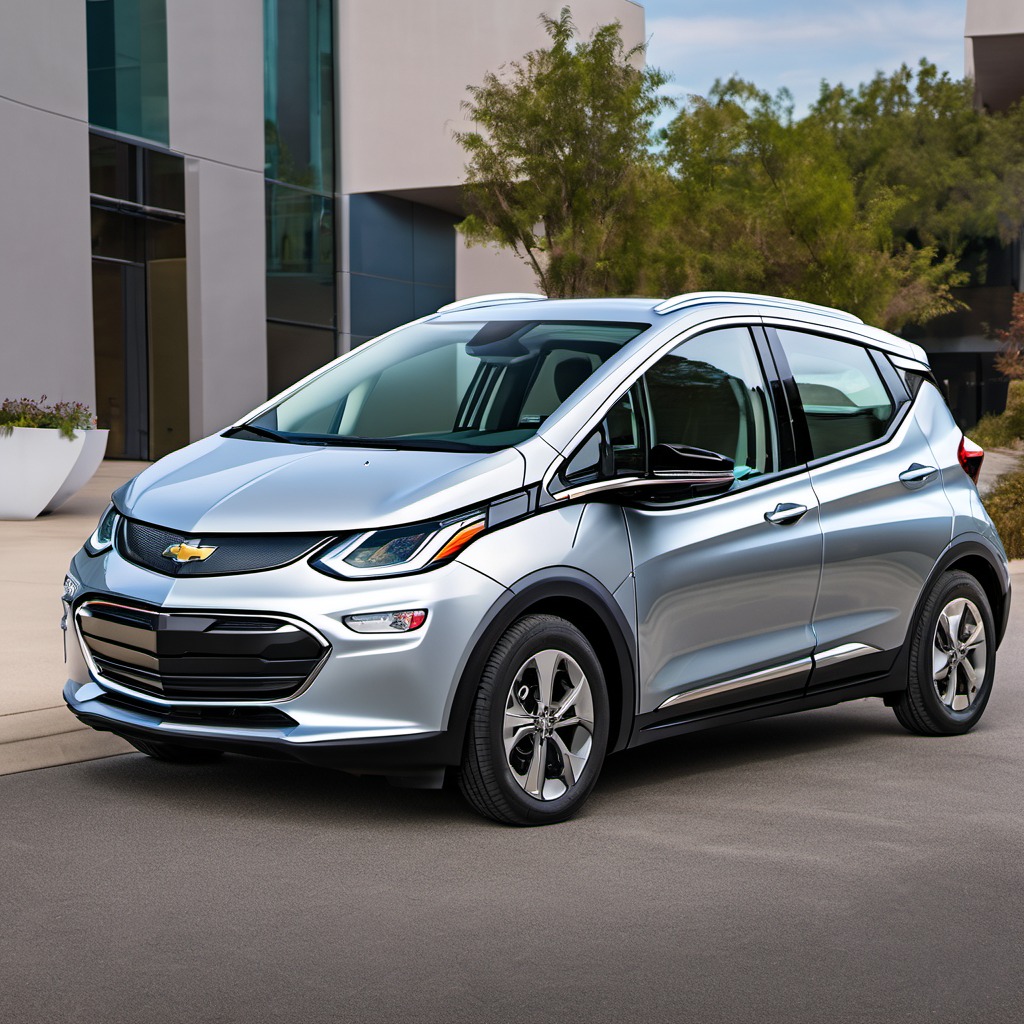
Lower purchase price, similar range, easier to service at a broader network of GM dealers. Less performance-oriented but practical for the same daily-commuter mission.
Comparable range, strong efficiency, and backed by a conventional dealer network. Slightly lower repair costs and broader independent-shop familiarity.
No catalog matchDirect Model 3 competitor — similar size, price, and performance. Uses Volvo/Geely dealer network for service, which some buyers prefer over Tesla-only service.
No catalog match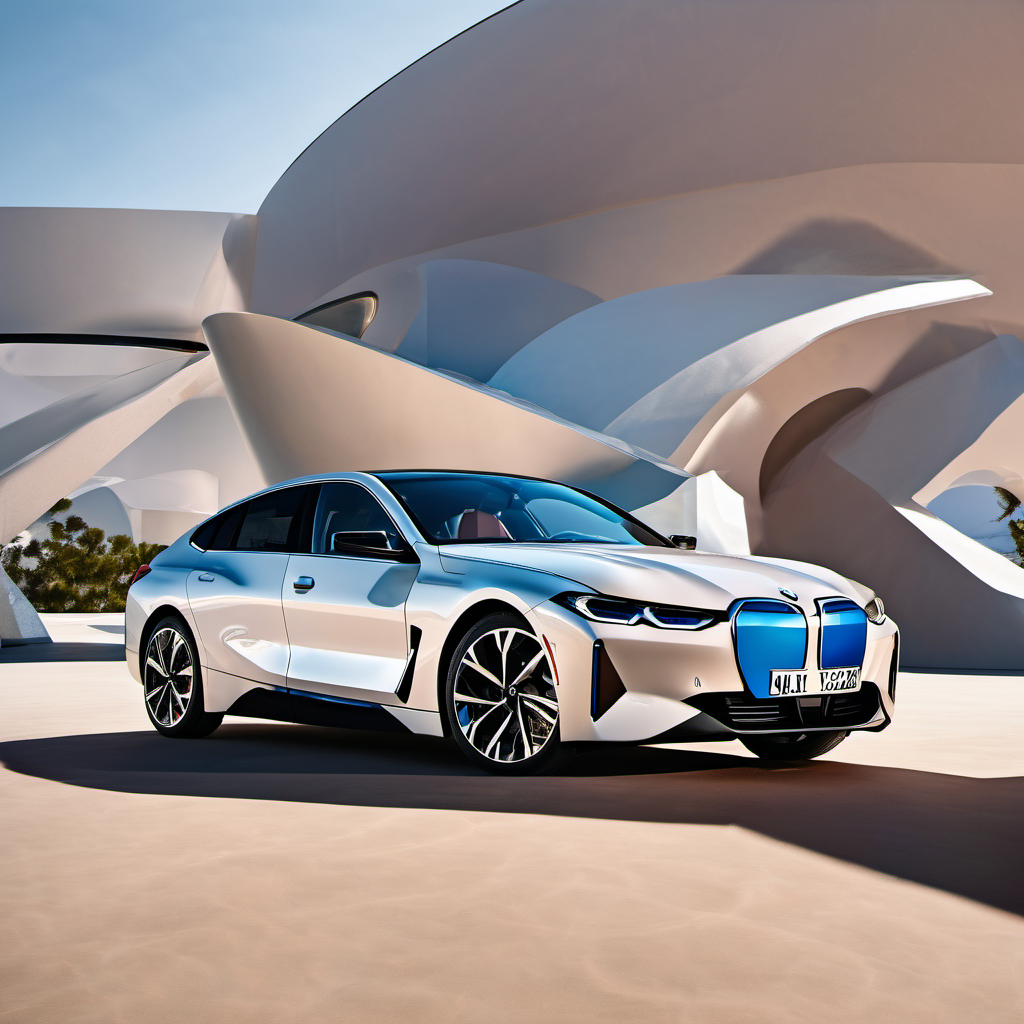
Premium EV sedan at a similar price point with traditional BMW dealer support, strong driving dynamics, and comparable range. Higher maintenance costs but a more conventional ownership experience.