CVT Shudder / Premature Failure
high- Typically appears
- 40–80k mi
- Estimated repair
- $2,800 – $4,500
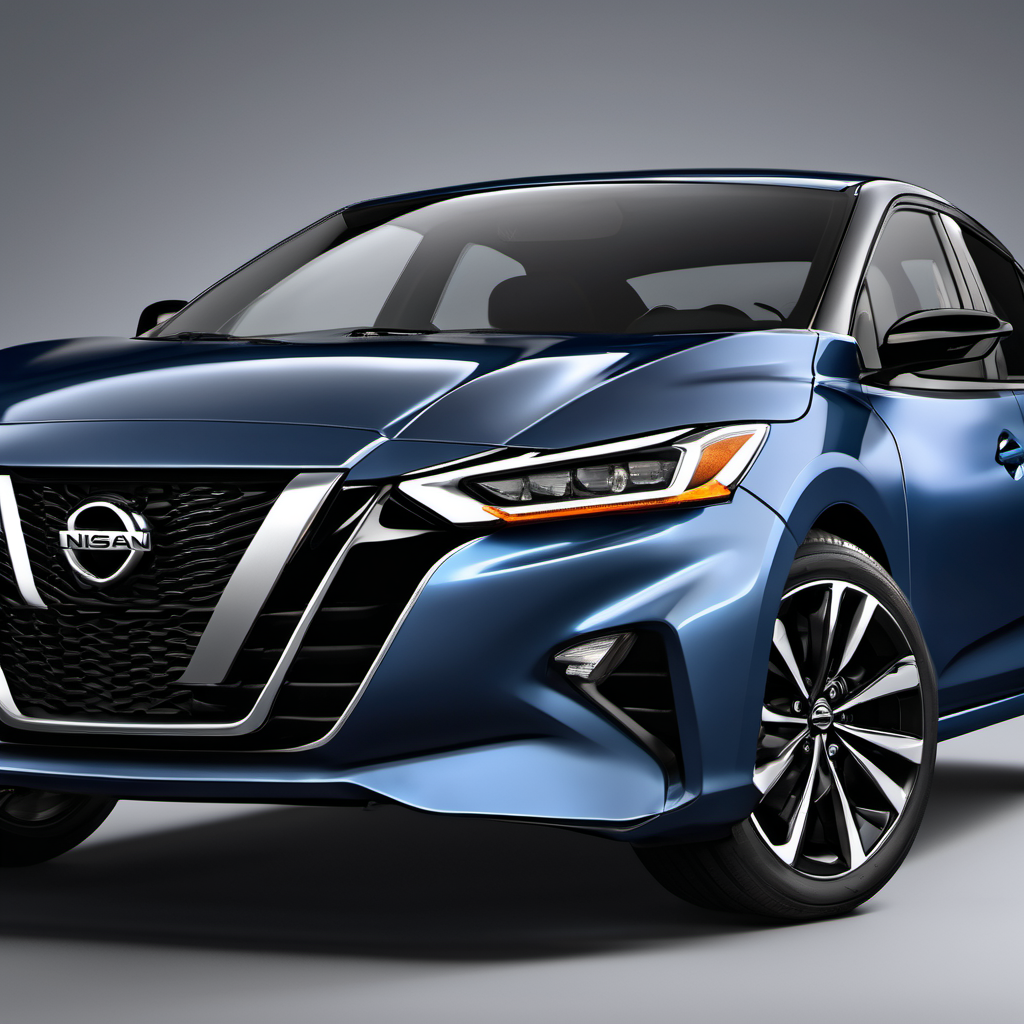
2022 Nissan
Sedan
The 2022 Nissan Sentra is a front-wheel-drive compact sedan that received a full redesign for the 2020 model year, bringing sharper styling, a new 2.0L direct-injection engine, and a standard suite of safety tech that was rare in this price class. It slots squarely into the affordable commuter segment, competing with the Honda Civic, Toyota Corolla, and Hyundai Elantra. The Sentra's headline strength is value per dollar — you get automatic emergency braking, blind-spot warning, rear cross-traffic alert, and Apple CarPlay/Android Auto as standard equipment on a sub-$20K base price. Fuel economy is legitimately good, and the front seats are more comfortable than most rivals at this price point. The elephant in the room is the CVT. Nissan's continuously variable transmission has a well-documented track record of premature failure and expensive repair bills across multiple models and generations. The 2020–2022 Sentra inherited this transmission, and owners have reported shuddering, hesitation, and outright failure as early as 40,000–60,000 miles. Budget accordingly and stay on top of CVT fluid changes — it is the single most important maintenance item on this car.
The 2022 Nissan Sentra is a front-wheel-drive compact sedan that received a full redesign for the 2020 model year, bringing sharper styling, a new 2.0L direct-injection engine, and a standard suite of safety tech that was rare in this price class. It slots squarely into the affordable commuter segment, competing with the Honda Civic, Toyota Corolla, and Hyundai Elantra. The Sentra's headline strength is value per dollar — you get automatic emergency braking, blind-spot warning, rear cross-traffic alert, and Apple CarPlay/Android Auto as standard equipment on a sub-$20K base price. Fuel economy is legitimately good, and the front seats are more comfortable than most rivals at this price point. The elephant in the room is the CVT. Nissan's continuously variable transmission has a well-documented track record of premature failure and expensive repair bills across multiple models and generations. The 2020–2022 Sentra inherited this transmission, and owners have reported shuddering, hesitation, and outright failure as early as 40,000–60,000 miles. Budget accordingly and stay on top of CVT fluid changes — it is the single most important maintenance item on this car.
Nissan's DOHC direct-injection engine accumulates carbon deposits faster than port-injected engines; fresh oil at 5k intervals helps keep oil passages clean and rings sealing properly.
FWD cars wear front tires significantly faster. Regular rotation evens wear and extends tire life, especially important with Wisconsin's rough, salt-treated roads.
This is the single most important service on this car. Degraded CVT fluid accelerates belt/pulley wear and solenoid fouling — the root cause of most P0746 failures. Use only Nissan NS-3; mixing fluids can damage the transmission quickly.
Direct-injection engines are particularly sensitive to air filter restriction. A clogged filter increases fuel trim compensation and can accelerate carbon buildup on intake valves.
Wisconsin road salt and grit clog cabin filters faster than in dry climates. A blocked filter strains the blower motor and reduces defrost effectiveness — critical in winter.
DOT 3 fluid is hygroscopic; moisture absorption lowers boiling point. In Wisconsin winters, temperature swings accelerate moisture ingress. Fresh fluid prevents corrosion in ABS/brake components.
Mixing coolant types causes gel formation and corrosion. The 7.4 qt cooling system is appropriately sized; verify concentration is at least 50/50 before winter to protect down to -34°F.
This Sentra has a documented cold-climate battery drain issue. A battery that tests fine in summer can fail to start the car at 0°F. Get a load test — not just a voltage check — before Lake Geneva's winter hits.
Always defer to the manufacturer's service manual for warranty-mandated intervals.
Routine annual maintenance is affordable — oil changes, tire rotations, and filters keep year-to-year costs low. The financial risk is the CVT: a transmission replacement or major repair in years 4–7 can run $3,000–$4,500 and is not rare on this platform. Factor that into your total cost of ownership picture. Owners who stay strictly on the CVT fluid schedule fare meaningfully better.

Nearly identical price and mission, but the Corolla's 2.0L engine pairs with a more proven CVT and Toyota's reliability record is consistently stronger. Better choice if long-term durability is the priority.
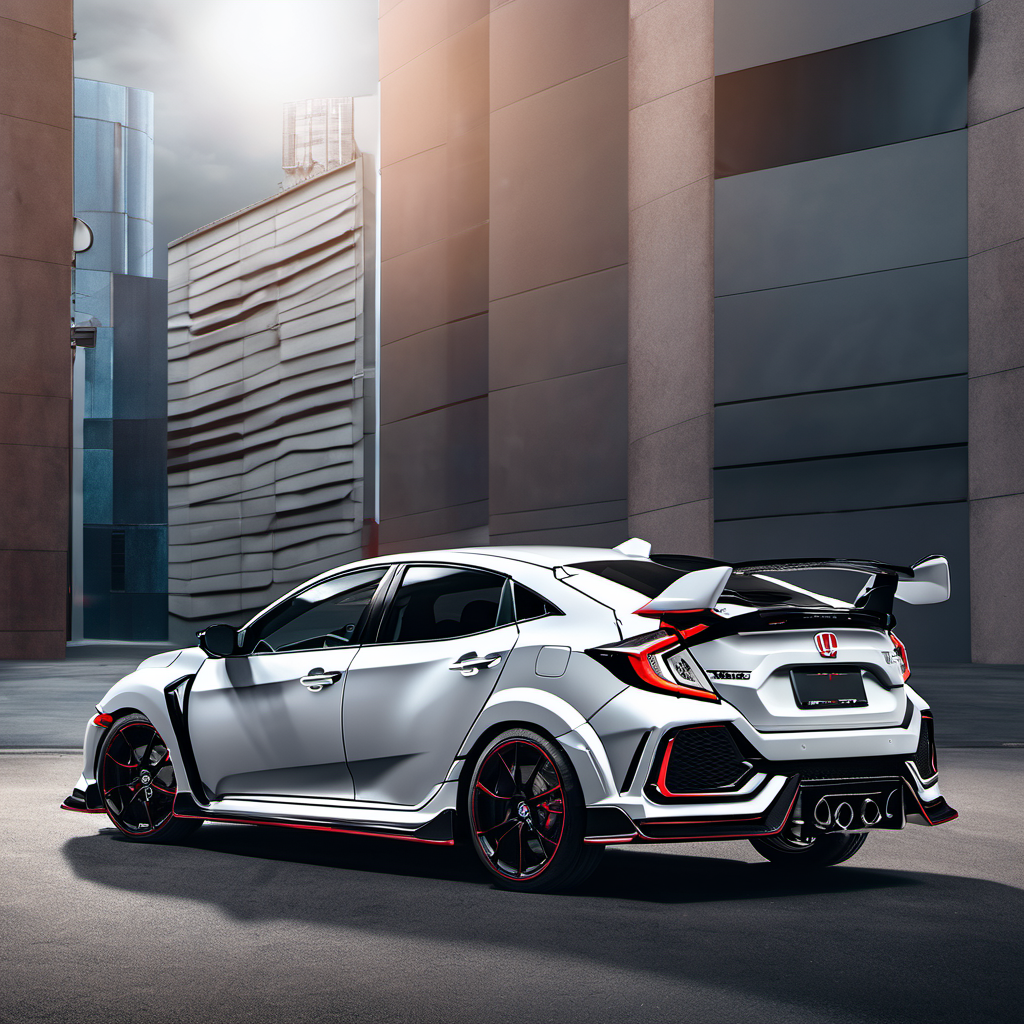
Slightly more expensive but delivers a more engaging drive, better long-term reliability data, and a well-regarded CVT. The Civic is the benchmark in this segment.
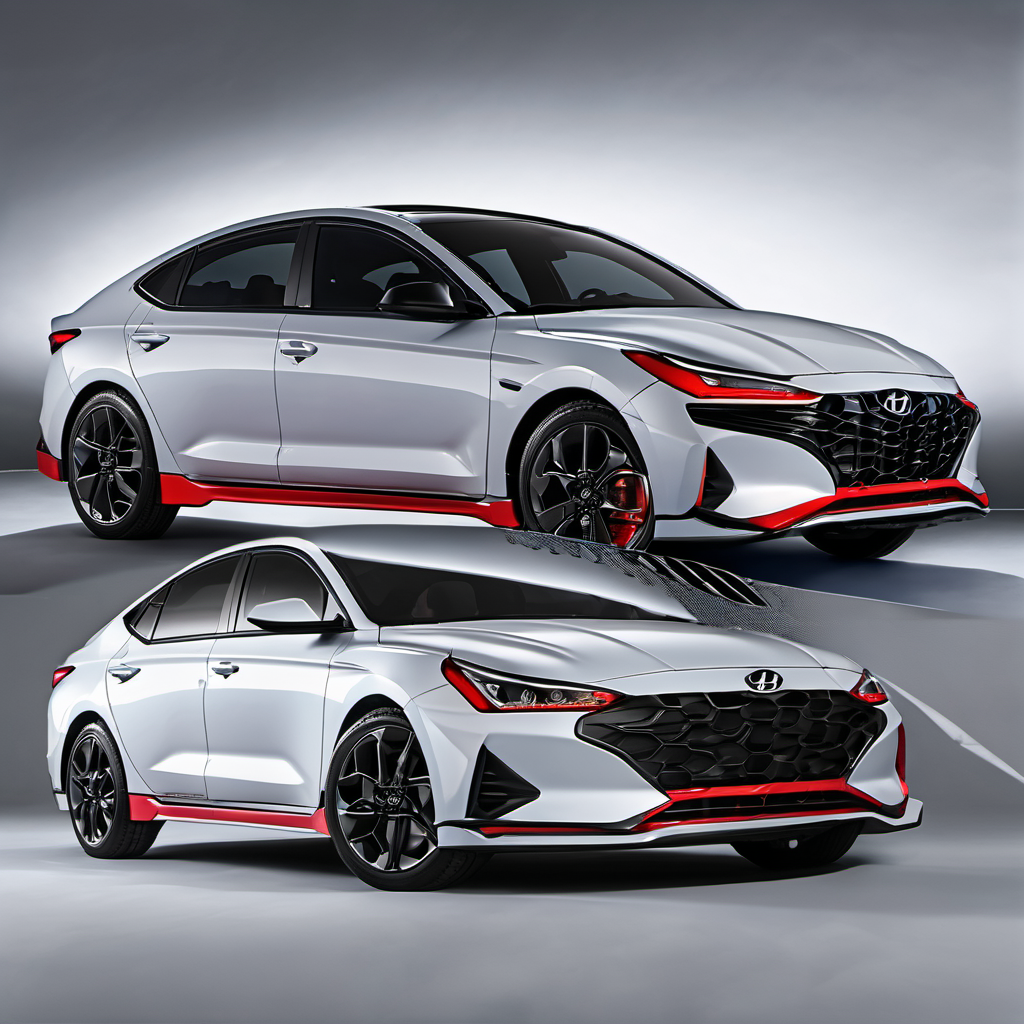
Comparable price and features, sharper styling, and Hyundai's IVT (their CVT) has a better recent track record than Nissan's unit. Comes with an industry-leading 10-year powertrain warranty.
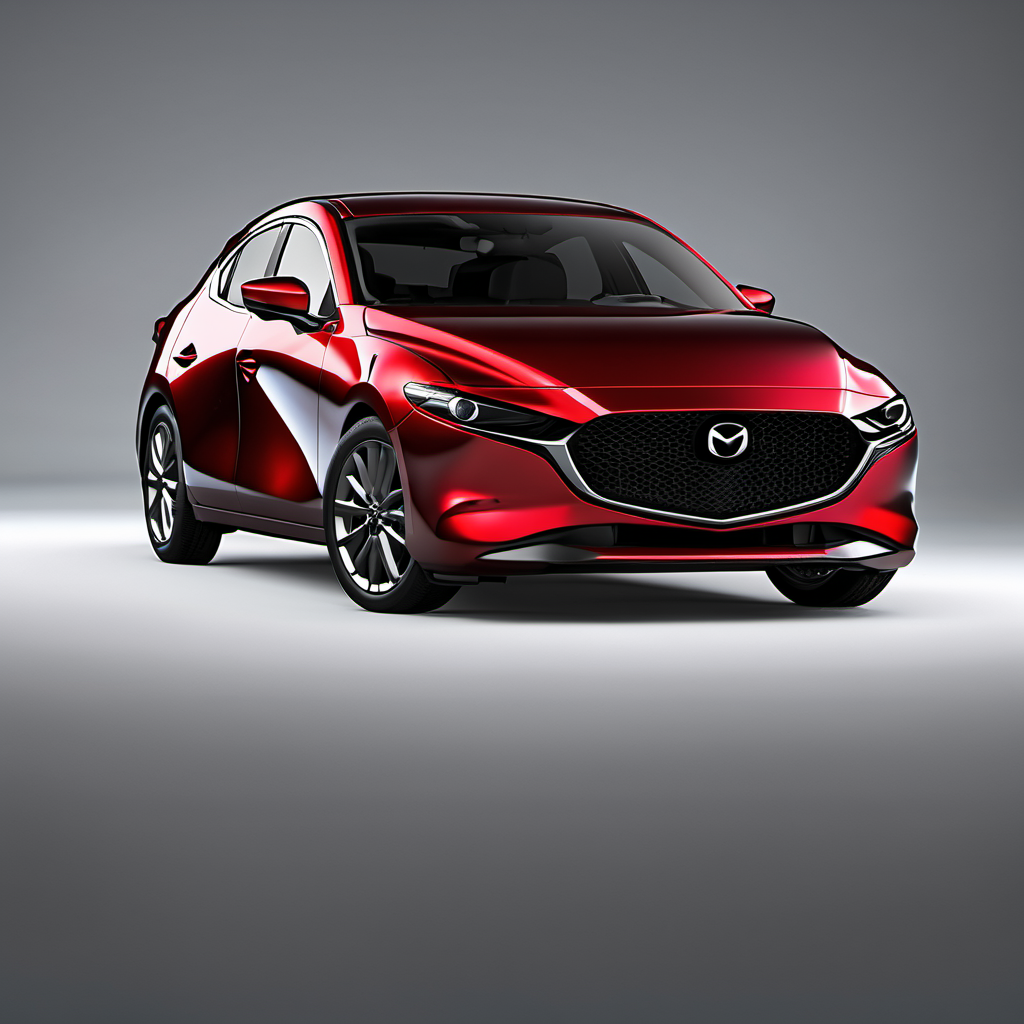
Slightly higher MSRP but uses a traditional torque-converter automatic, avoiding CVT risk entirely. Best build quality and driving dynamics in the compact class; strong reliability history.