Infotainment System Freezing / Random Reboots
high- Typically appears
- 15–40k mi
- Estimated repair
- $0 – $500
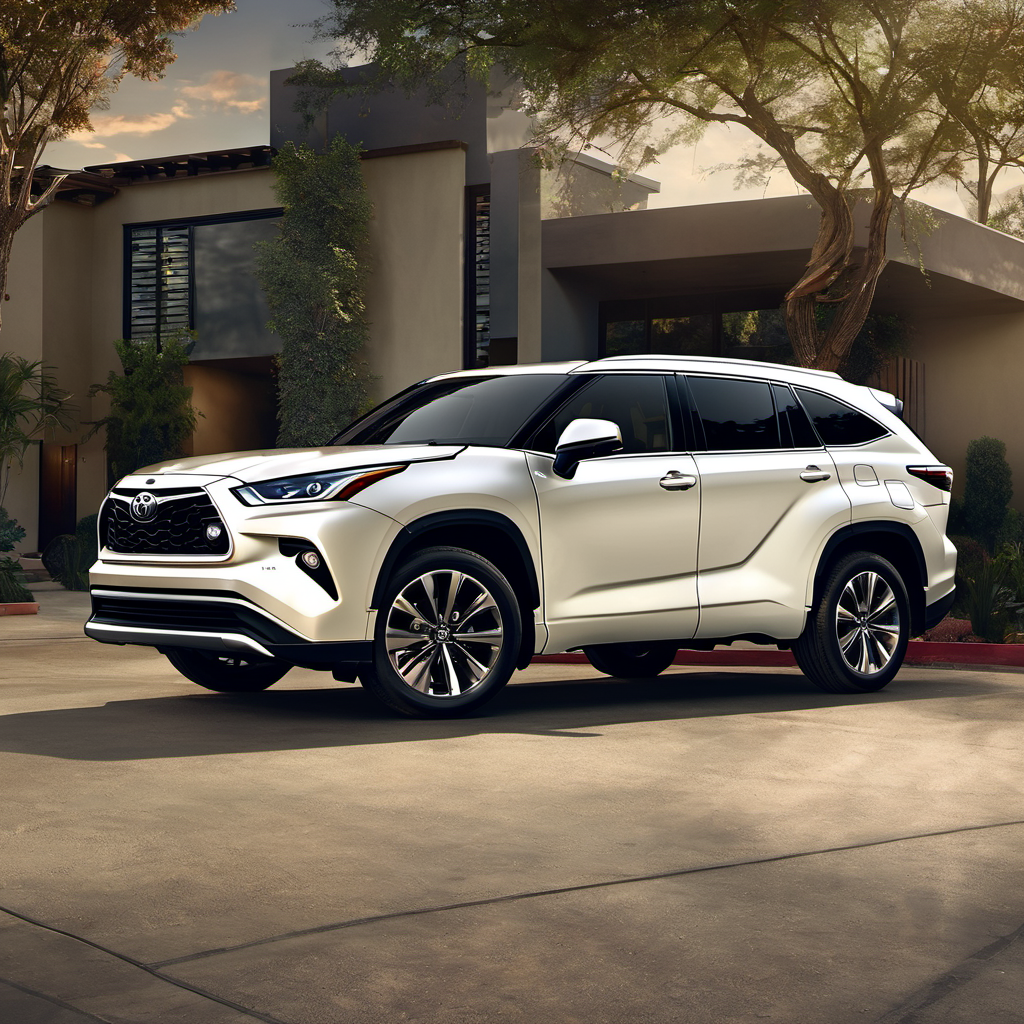
2021 Toyota
SUV
The 2021 Toyota Highlander is a three-row midsize SUV in its fourth generation (XU70 platform), redesigned for 2020. It seats up to eight passengers and strikes a strong balance between family practicality and everyday efficiency. The standard powertrain is a 3.5L V6 producing 295 hp paired with an 8-speed automatic, and AWD is available across most trims. This generation added a cleaner exterior design, a significantly improved interior with more rear-row legroom, and standard Toyota Safety Sense 2.5+ on every trim. Fuel economy is best-in-class for a non-hybrid V6 three-row, and the platform benefits from Toyota's reputation for long-term powertrain durability. As a used buy, the 2021 Highlander is one of the more dependable choices in its segment. The main watch-outs are infotainment software quirks and a mildly hesitant transmission at low speeds — neither is a dealbreaker, but both are worth knowing before you buy.
The 2021 Toyota Highlander is a three-row midsize SUV in its fourth generation (XU70 platform), redesigned for 2020. It seats up to eight passengers and strikes a strong balance between family practicality and everyday efficiency. The standard powertrain is a 3.5L V6 producing 295 hp paired with an 8-speed automatic, and AWD is available across most trims. This generation added a cleaner exterior design, a significantly improved interior with more rear-row legroom, and standard Toyota Safety Sense 2.5+ on every trim. Fuel economy is best-in-class for a non-hybrid V6 three-row, and the platform benefits from Toyota's reputation for long-term powertrain durability. As a used buy, the 2021 Highlander is one of the more dependable choices in its segment. The main watch-outs are infotainment software quirks and a mildly hesitant transmission at low speeds — neither is a dealbreaker, but both are worth knowing before you buy.
Toyota specifies 0W-20 full synthetic. The VVT system on the 3.5L V6 is oil-cleanliness sensitive — old or degraded oil is the leading cause of VVT codes and actuator wear at higher mileage. Don't stretch beyond 10k regardless of the oil-life monitor.
AWD models wear tires unevenly without regular rotation. Mismatched tire circumference on AWD can stress the transfer case over time. Rotate consistently to maximize tire life and protect the drivetrain.
Wisconsin roads kick up road salt dust, pollen, and grime. A clogged cabin filter strains the blower motor and reduces defroster effectiveness — critical in winter months.
Straightforward replacement that protects the D-4S direct injection system from debris. Can be inspected earlier if driving on gravel or dirt roads.
DOT 3 fluid is hygroscopic and absorbs moisture over time, lowering its boiling point. In Wisconsin winters, wet fluid can also contribute to corrosion in brake lines and calipers.
Toyota's pink SLLC is long-lived but should still be tested for pH and freeze point. In sub-zero Wisconsin winters, a degraded coolant mix can drop freeze protection below acceptable levels.
Toyota rates WS ATF as 'lifetime,' but that's under ideal conditions. In real-world towing or stop-and-go use, the fluid does degrade. An independent shop drain-and-fill around 60–80k is cheap protection for an expensive transmission.
Cold cranking demands spike below 20°F. A battery that tests marginal in October will likely fail in January. The Highlander's electronics also draw parasitic current — a weak battery compounds the drain issue noted in common problems.
Always defer to the manufacturer's service manual for warranty-mandated intervals.
The Highlander sits in the middle of the ownership cost spectrum for midsize SUVs. Maintenance is straightforward and parts are widely available at independent shops. Fuel is the largest ongoing expense given the V6's thirst. Major mechanical costs are low if oil changes are kept on schedule — the VVT system is the one area where deferred maintenance gets expensive quickly. Budget $500–$900/year for routine maintenance in years 1–5.
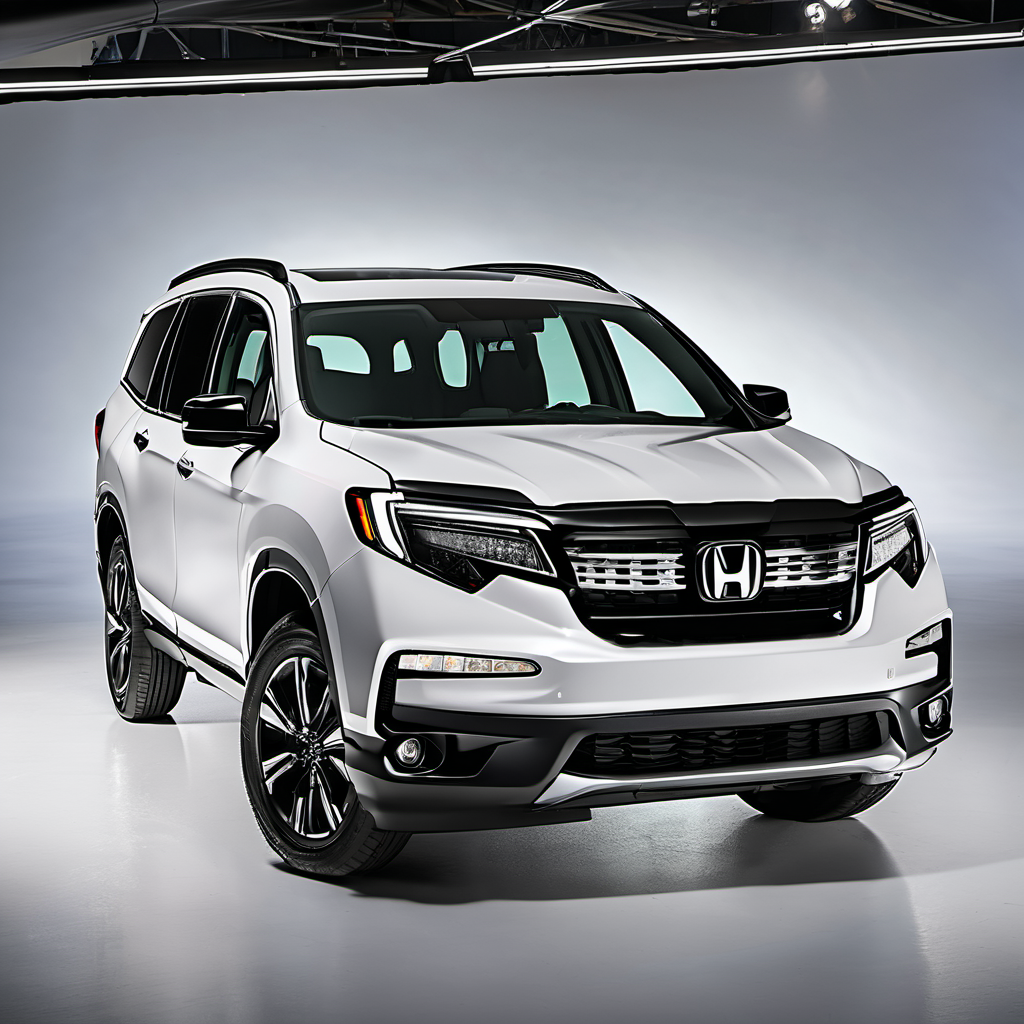
Direct competitor in the three-row midsize SUV segment. Similar price, V6 power, and family focus. The Pilot offers more third-row space but slightly lower fuel economy. Honda's reliability is comparable to Toyota's in this generation.
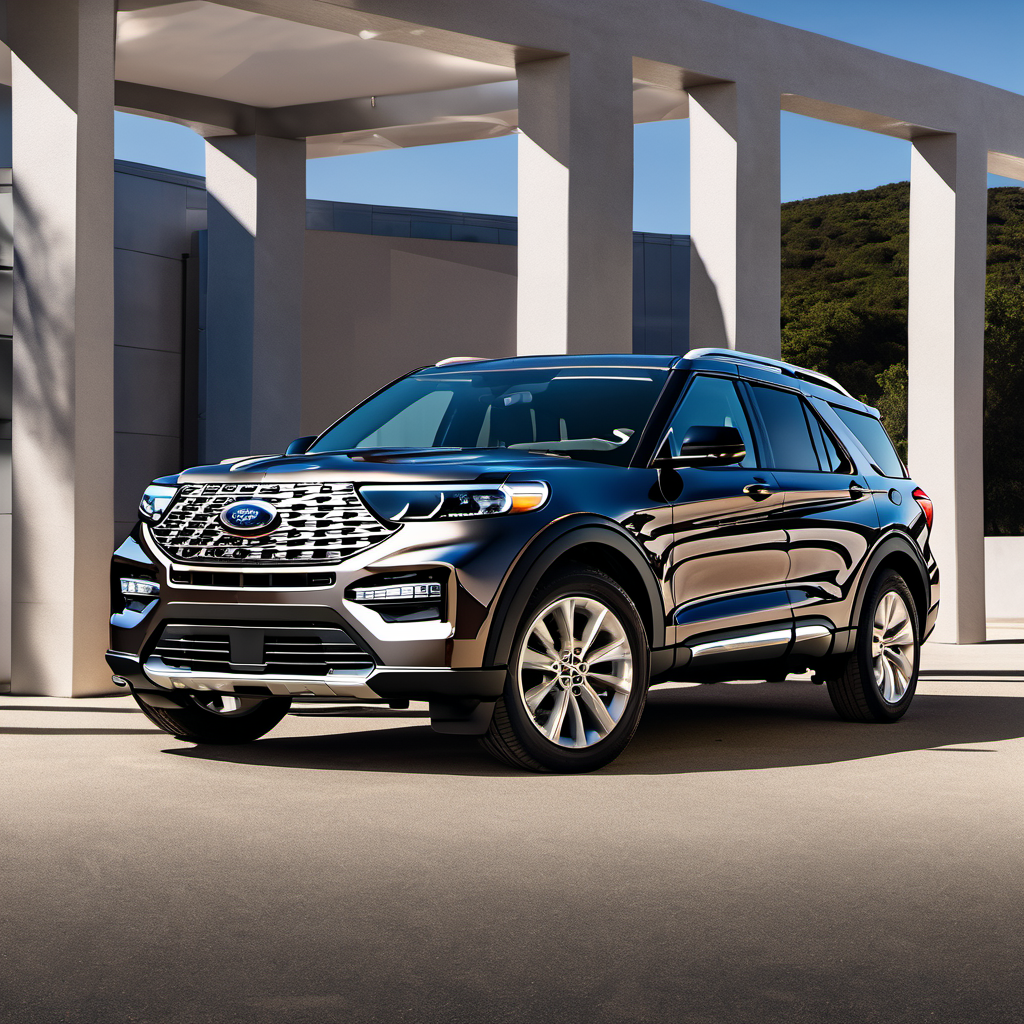
Rear-wheel-drive based platform gives it a more car-like drive. Available turbo four or V6. Wider interior than the Highlander but historically less reliable; more mechanical complexity means higher long-term maintenance costs.
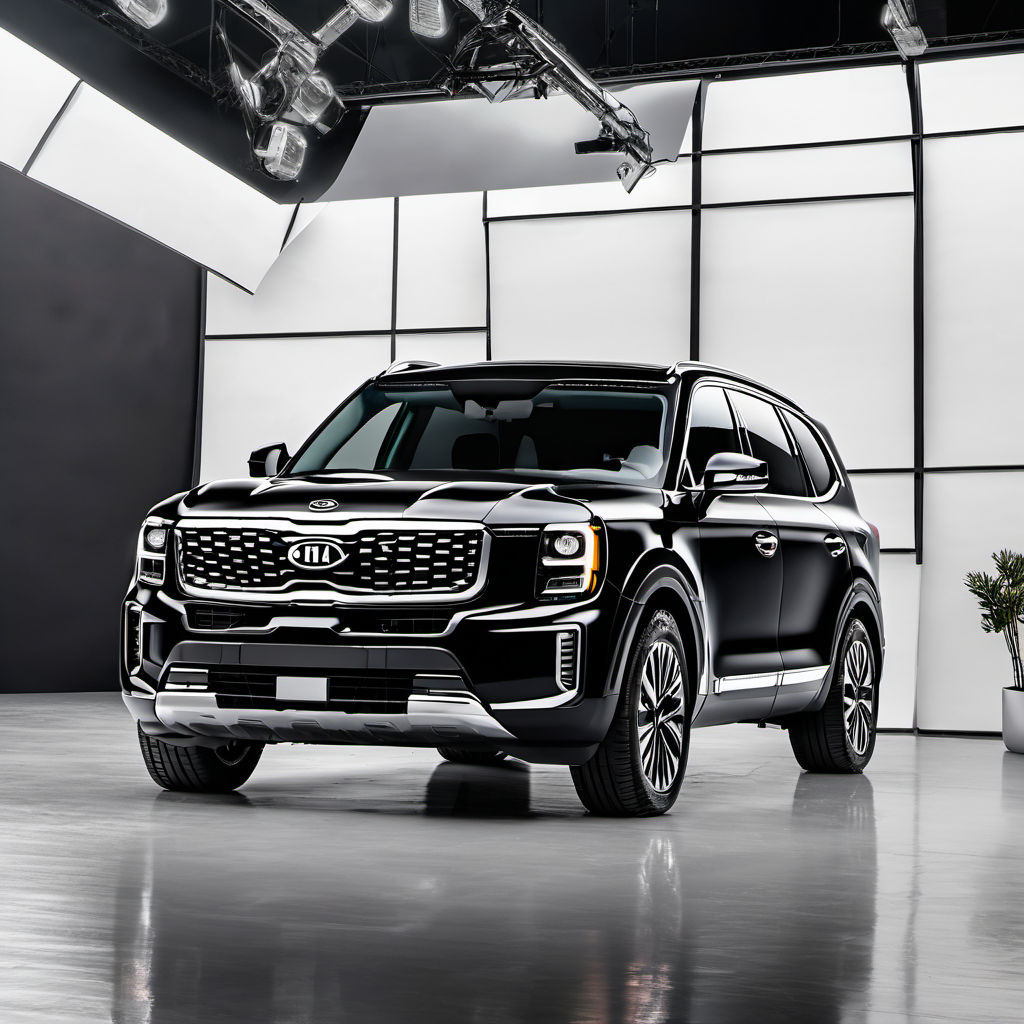
Won nearly every comparison test against the Highlander in this era. More interior space, better third-row access, and strong reliability ratings. Often priced similarly used. A legitimate alternative if Toyota brand loyalty isn't a factor.
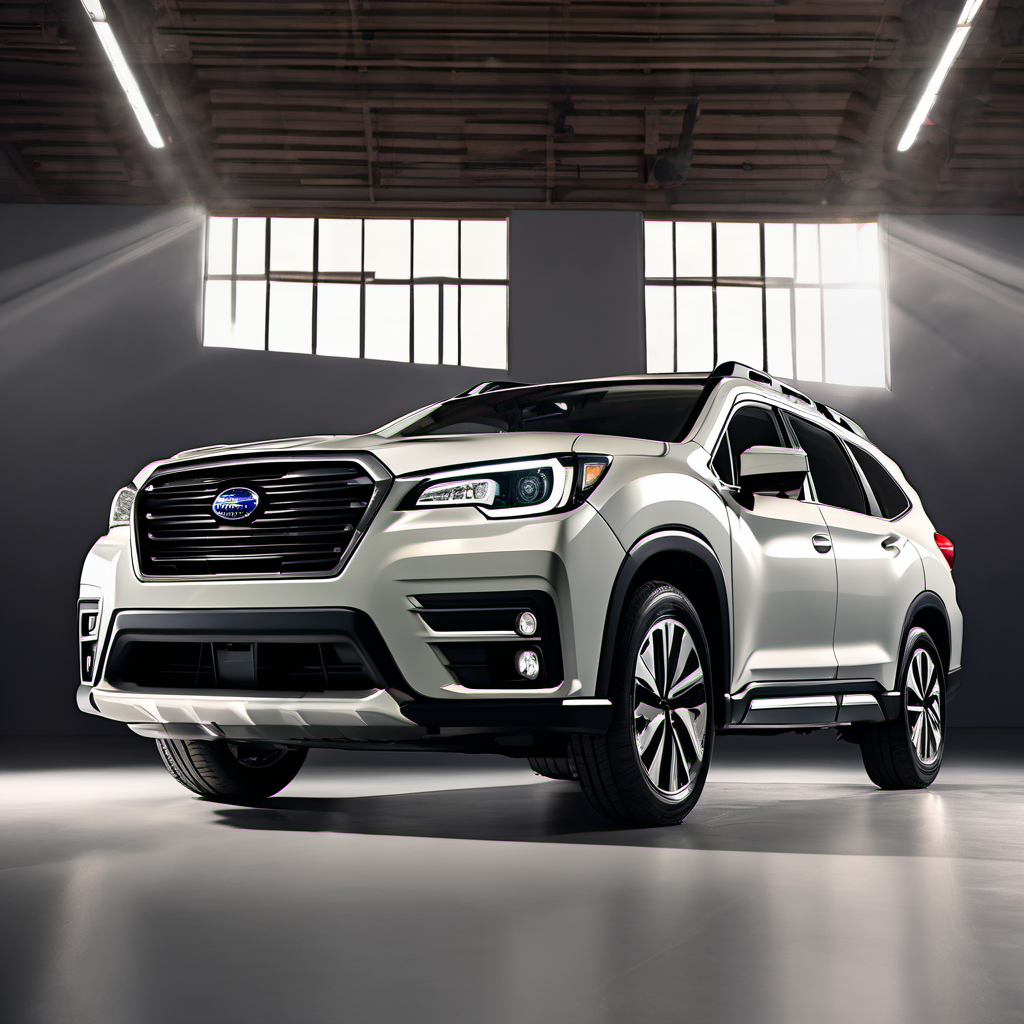
Standard AWD (vs. optional on Highlander) and strong winter-weather credentials — relevant for Lake Geneva buyers. Slightly less power and lower tow rating, but Subaru's symmetrical AWD is excellent in snow. Turbocharged flat-four has its own maintenance demands.