Touchscreen Freeze / Unresponsiveness
high- Typically appears
- 10–30k mi
- Estimated repair
- $200 – $1,200
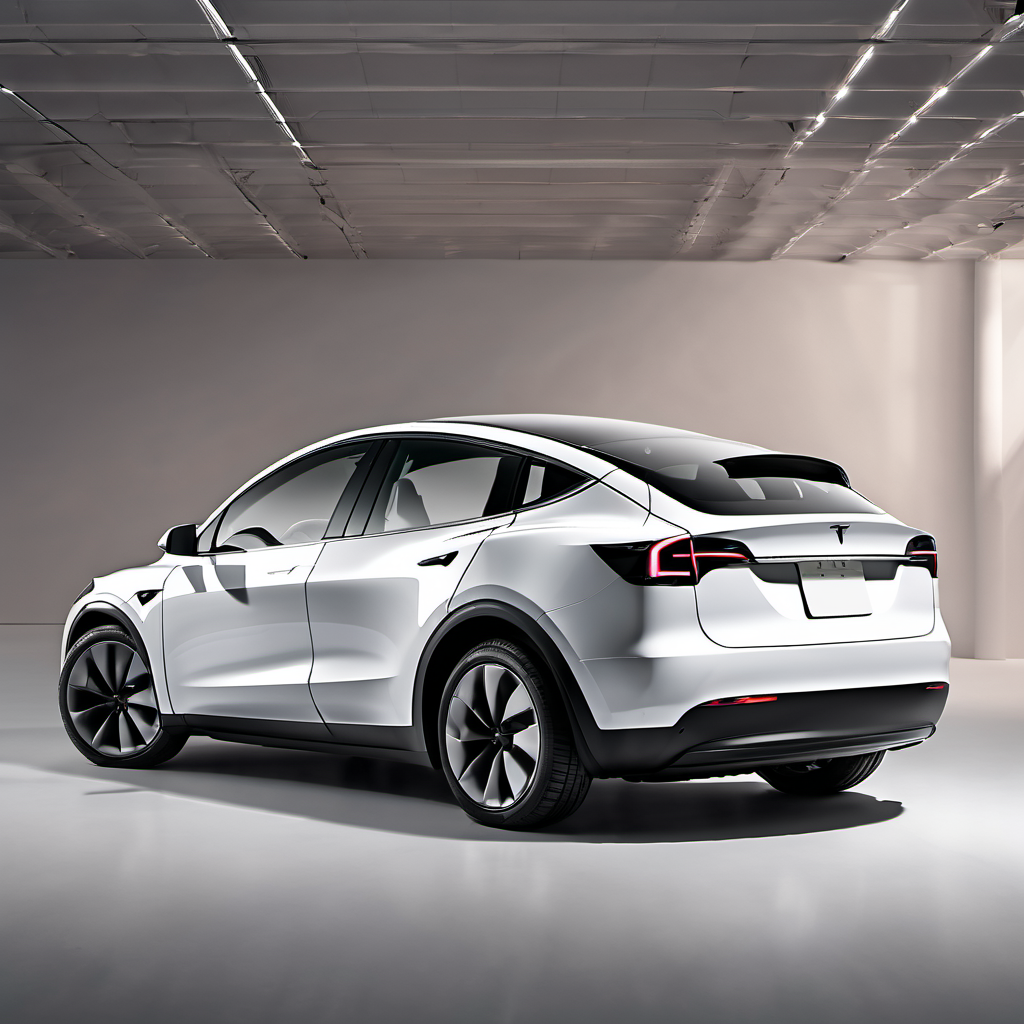
2021 Tesla
SUV
The 2021 Tesla Model Y is a compact electric SUV built at Tesla's Fremont, California facility. It shares roughly 75% of its components with the Model 3, which helps keep costs down and parts availability reasonable for a relatively young brand. For 2021, the Long Range AWD and Performance trims were the primary offerings after Tesla quietly discontinued the Standard Range version mid-year. The Model Y punches above its weight in performance — the Long Range AWD hits 60 mph in about 4.8 seconds, and the Performance trim does it in 3.5. The interior is minimalist by design: nearly everything runs through the 15-inch center touchscreen, which is a strength when it works and a single point of failure when it doesn't. Cargo space is genuinely competitive with gas-powered compact SUVs, and the frunk adds useful bonus storage. For Lake Geneva drivers, the Model Y is a mixed bag in winter. Cold weather meaningfully reduces real-world range — expect 20–30% less on brutal Wisconsin mornings — but AWD traction is excellent and the ability to pre-condition the cabin and battery remotely from your phone before you leave the house is a genuine quality-of-life advantage over any gas vehicle.
The 2021 Tesla Model Y is a compact electric SUV built at Tesla's Fremont, California facility. It shares roughly 75% of its components with the Model 3, which helps keep costs down and parts availability reasonable for a relatively young brand. For 2021, the Long Range AWD and Performance trims were the primary offerings after Tesla quietly discontinued the Standard Range version mid-year. The Model Y punches above its weight in performance — the Long Range AWD hits 60 mph in about 4.8 seconds, and the Performance trim does it in 3.5. The interior is minimalist by design: nearly everything runs through the 15-inch center touchscreen, which is a strength when it works and a single point of failure when it doesn't. Cargo space is genuinely competitive with gas-powered compact SUVs, and the frunk adds useful bonus storage. For Lake Geneva drivers, the Model Y is a mixed bag in winter. Cold weather meaningfully reduces real-world range — expect 20–30% less on brutal Wisconsin mornings — but AWD traction is excellent and the ability to pre-condition the cabin and battery remotely from your phone before you leave the house is a genuine quality-of-life advantage over any gas vehicle.
EVs are heavy and use regenerative braking unevenly across axles. Skipping rotations causes rapid, lopsided tire wear — especially on the rear of AWD variants. This is the single most important maintenance item on this vehicle.
Tesla's HEPA-grade cabin filter keeps pollen, dust, and road debris out of the HVAC. Wisconsin's spring pollen and fall leaf debris make staying on schedule worthwhile. Part number 1036839-00-A.
Tesla specifies DOT 4 brake fluid on a 2-year interval. Because regenerative braking does most of the work, the hydraulic brakes are used infrequently — but that means moisture can accumulate in the fluid unnoticed. Don't skip this one.
The battery thermal management system uses Tesla Premium Cooling Fluid (blue). Degraded coolant can compromise battery temperature regulation, which is especially critical during Wisconsin winters and summer heat. Check for leaks at the same interval.
This small lead-acid (or lithium on later builds) battery powers the car's onboard computers. When it fails, the car won't wake up — even though the main pack is fine. It has a shorter lifespan than you'd expect, often 3–5 years.
Wisconsin's 80°F+ summer → sub-zero winter swings can drop tire pressure by 10+ PSI. Low pressure on an EV this heavy accelerates tire wear and hurts range. Check cold, every month.
The Model Y's single large rear wiper and front blades take a beating from Wisconsin road salt and ice. Beam-style blades perform better in freezing conditions than traditional framed blades.
Lake Geneva roads use heavy road salt. Because the hydraulic brakes are rarely exercised (regen does most of the work), calipers can seize from corrosion faster than on a gas vehicle. A spring rinse and visual inspection catches this early.
Always defer to the manufacturer's service manual for warranty-mandated intervals.
Day-to-day costs are genuinely low — no oil changes, no spark plugs, no transmission service. The main recurring expense is tires (rotate frequently, replace every 30–40k miles due to EV weight and torque) and the eventual 12V battery replacement. Where costs can spike is out-of-warranty electronic repairs: a touchscreen replacement or major software-related fix at a Tesla service center can run $800–$2,000. Budget $300–$700/year for routine maintenance and keep a $1,500 buffer for surprises.
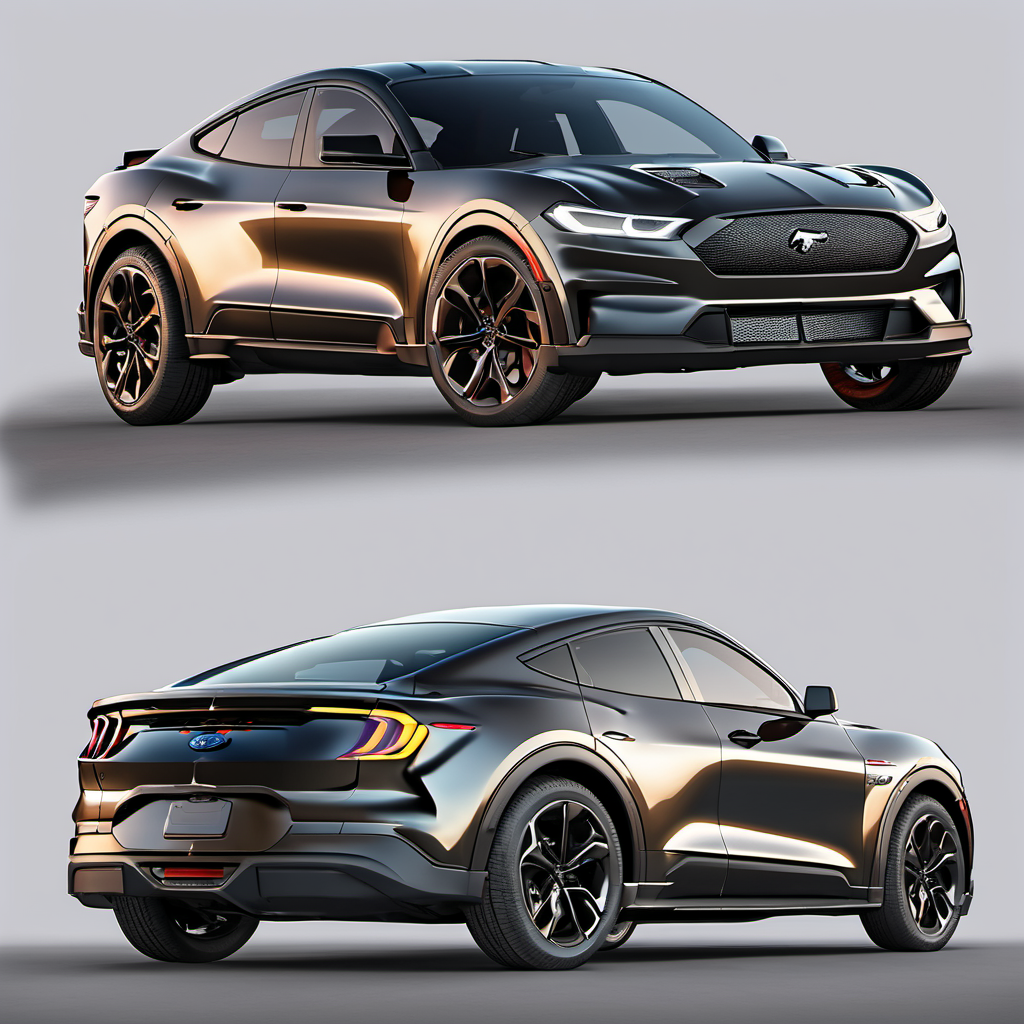
Direct electric SUV competitor at a similar price point. Offers a more traditional interior layout with physical controls — a meaningful advantage if the all-touchscreen approach concerns you. Ford's dealer service network is a major practical advantage over Tesla in rural Wisconsin.
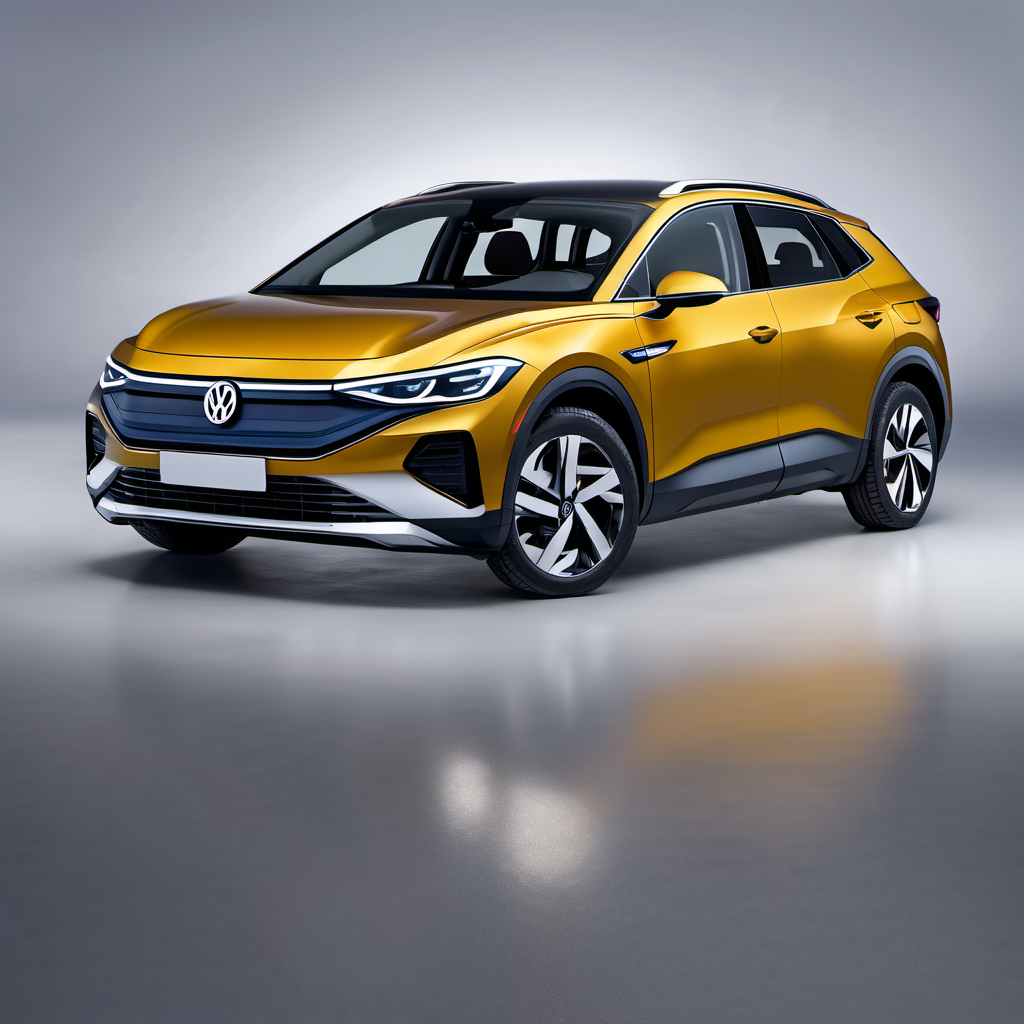
RWD or AWD electric compact SUV in the same price bracket. Slightly smaller, with a more conventional interior feel. VW dealer support is more accessible than Tesla in the Lake Geneva area, though ID.4 had its own early software reliability issues.
Comparable range and performance, with ultra-fast 800V charging architecture that outpaces the Model Y at public chargers. More traditional controls and a strong reliability reputation. Hyundai/Kia dealer network is accessible in the region.
No catalog matchLower entry price for buyers who want an EV but don't need the Model Y's cargo space or AWD. GM's dealer presence in Wisconsin is strong, making service far more convenient. Notably smaller and less powerful, but a practical alternative for in-town use.
No catalog match