Frame Rust / Corrosion
high- Typically appears
- 80–150k mi
- Estimated repair
- $500 – $5,000
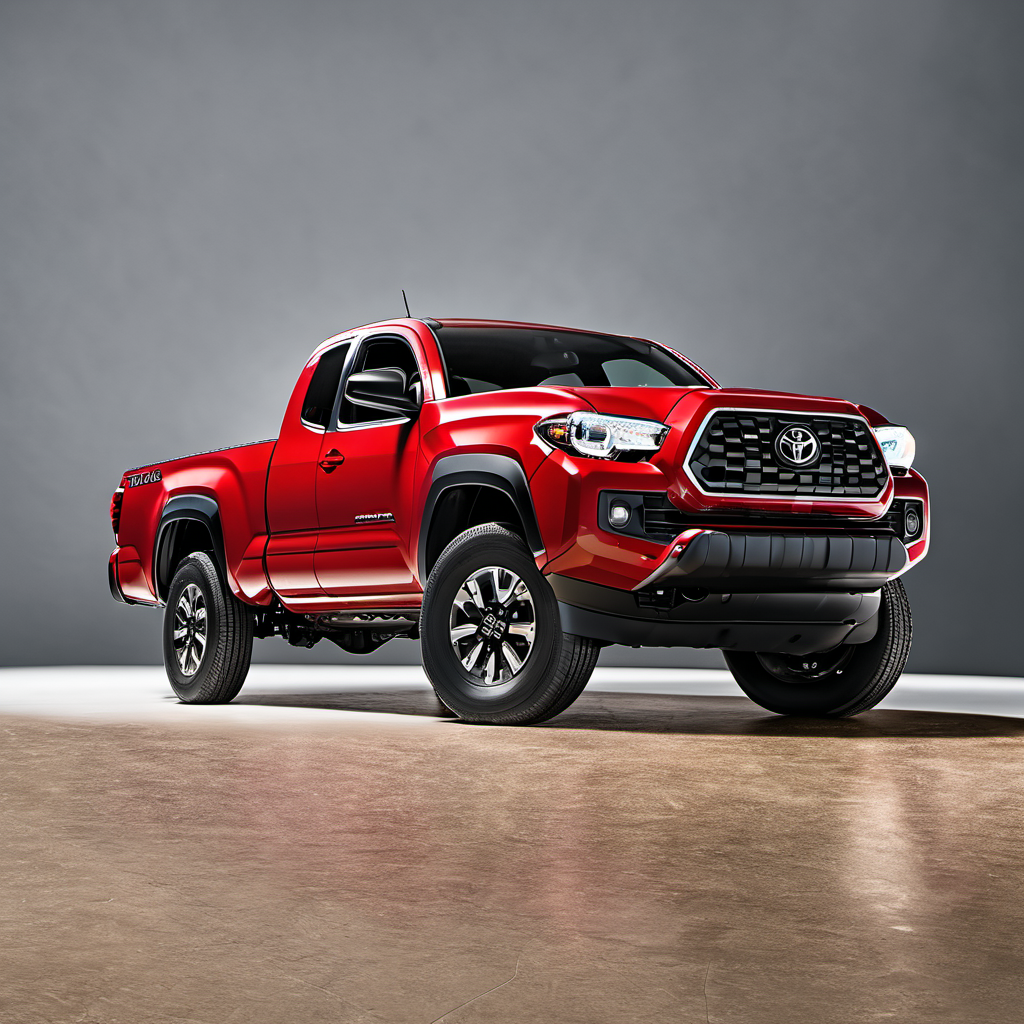
2020 Toyota
2.7L I4 · Pickup
The 2020 Toyota Tacoma Access Cab is a mid-size pickup that has dominated its segment for years on the strength of long-term durability, strong resale value, and a proven off-road reputation. The Access Cab configuration gives you rear-hinged rear doors for gear storage or occasional extra passengers while keeping the truck shorter and more maneuverable than the Double Cab. This particular truck carries the 2.7L four-cylinder engine — the budget entry point into the Tacoma lineup. It's enough for daily driving and light hauling, but buyers who regularly tow or haul heavy loads will want the 3.5L V6. The third-generation Tacoma (2016–2023) improved the frame, suspension, and safety tech significantly over its predecessors, but it also inherited some of their baggage — particularly transmission roughness and the ongoing frame rust concern in salt-belt states like Wisconsin. Toyota Safety Sense P is standard, which is a genuine value at this price point. Ownership economics favor the Tacoma heavily: parts are widely available, independent shops know this platform cold, and resale at 100k miles is still strong. The 2.7L I4 is the simpler, lower-stress engine of the two available, which plays well for longevity. Expect to keep this truck a long time — it rewards patient, consistent maintenance.
The 2020 Toyota Tacoma Access Cab is a mid-size pickup that has dominated its segment for years on the strength of long-term durability, strong resale value, and a proven off-road reputation. The Access Cab configuration gives you rear-hinged rear doors for gear storage or occasional extra passengers while keeping the truck shorter and more maneuverable than the Double Cab. This particular truck carries the 2.7L four-cylinder engine — the budget entry point into the Tacoma lineup. It's enough for daily driving and light hauling, but buyers who regularly tow or haul heavy loads will want the 3.5L V6. The third-generation Tacoma (2016–2023) improved the frame, suspension, and safety tech significantly over its predecessors, but it also inherited some of their baggage — particularly transmission roughness and the ongoing frame rust concern in salt-belt states like Wisconsin. Toyota Safety Sense P is standard, which is a genuine value at this price point. Ownership economics favor the Tacoma heavily: parts are widely available, independent shops know this platform cold, and resale at 100k miles is still strong. The 2.7L I4 is the simpler, lower-stress engine of the two available, which plays well for longevity. Expect to keep this truck a long time — it rewards patient, consistent maintenance.
Toyota specifies full synthetic 0W-20. The 2.7L I4 runs hot under load; stretching this interval accelerates wear on the cylinder walls and can affect VVTI system function. 6 quarts with filter.
Toyota markets WS fluid as 'lifetime,' but real-world experience in hard-use trucks — especially with the known shifting complaints on this generation — shows that fresh fluid at 30k intervals significantly reduces rough shifting and extends transmission life. Use only Toyota WS fluid; substitutes cause shift quality issues.
Frame rust is the Tacoma's single biggest long-term threat in Wisconsin. Clean the underside thoroughly after winter, inspect all frame sections for surface rust, and apply fresh undercoating each October. Catch surface rust early — once it becomes structural, repair costs climb above $2,500.
4WD models have three fluid points. Water contamination from stream crossings or flood puddles degrades gear oil fast. Fresh fluid here protects ring-and-pinion gear life.
The 2.7L I4 is already down on power relative to the V6 — a clogged air filter amplifies that gap noticeably. Wisconsin's gravel roads and dusty summer conditions can shorten this interval.
Keeps A/C and heat flowing strong. Easy DIY job, inexpensive, and often overlooked. Road salt dust and debris from Wisconsin winters load these up faster than in dry climates.
DOT 3 is hygroscopic — it absorbs moisture from the air over time, which lowers its boiling point and accelerates corrosion in brake lines and calipers. Wisconsin's humidity and salt exposure speed this process.
Toyota Super Long Life Coolant (pink) has a genuine 100k first-change interval. Do not mix with green or orange coolants — it degrades the additive package and can cause water pump seal issues. Capacity is 10.4 quarts.
Always defer to the manufacturer's service manual for warranty-mandated intervals.
The Tacoma is one of the cheaper mid-size trucks to own long-term. Parts are plentiful, independent shops know the platform well, and the 2.7L engine avoids the VVTi oil cooler complexity of the V6. The main cost wildcards are frame rust remediation (preventable with annual treatment) and transmission repairs if shifting problems develop. Budget an extra $200–$400/year for undercoating and a thorough post-winter wash — it's real money well spent in Lake Geneva.
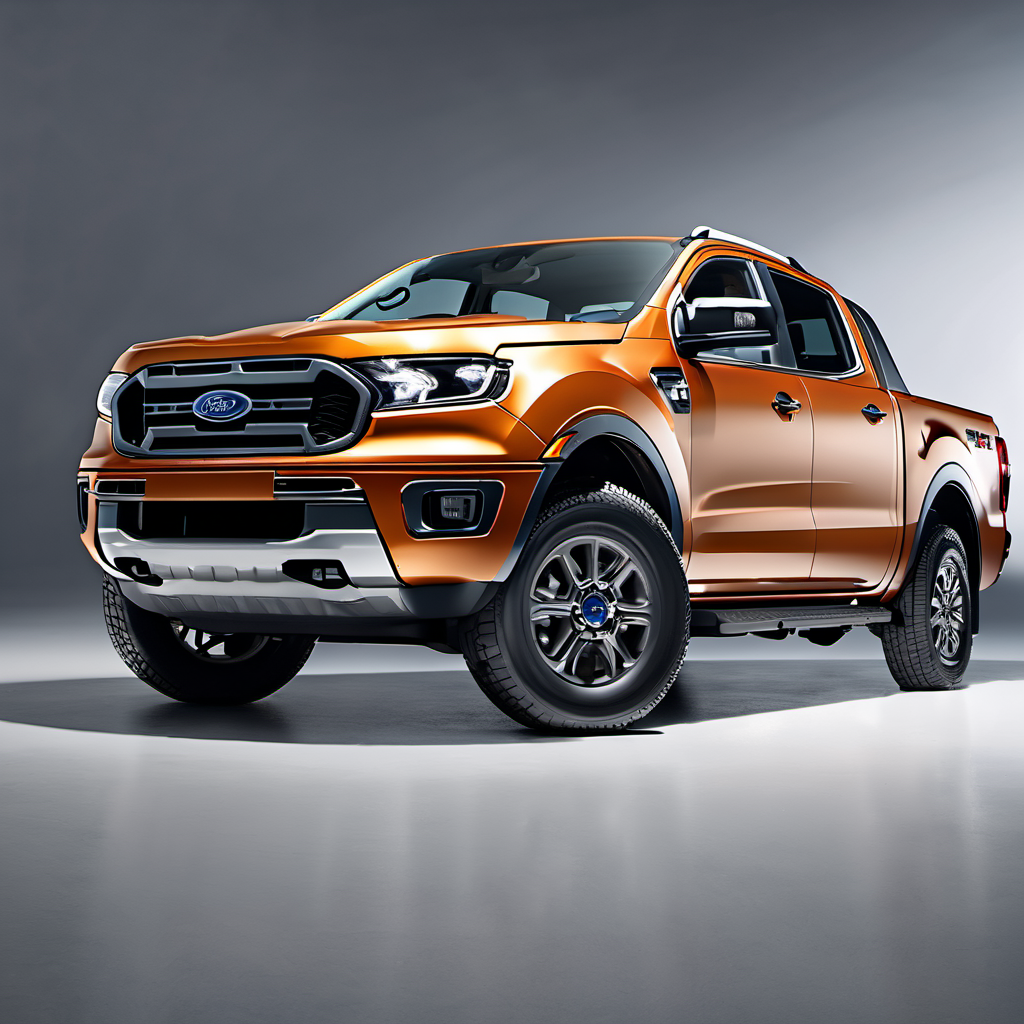
Direct mid-size competitor. Better fuel economy and a more modern infotainment system, but less proven long-term reliability data vs. the Tacoma at high mileage and lower resale value.
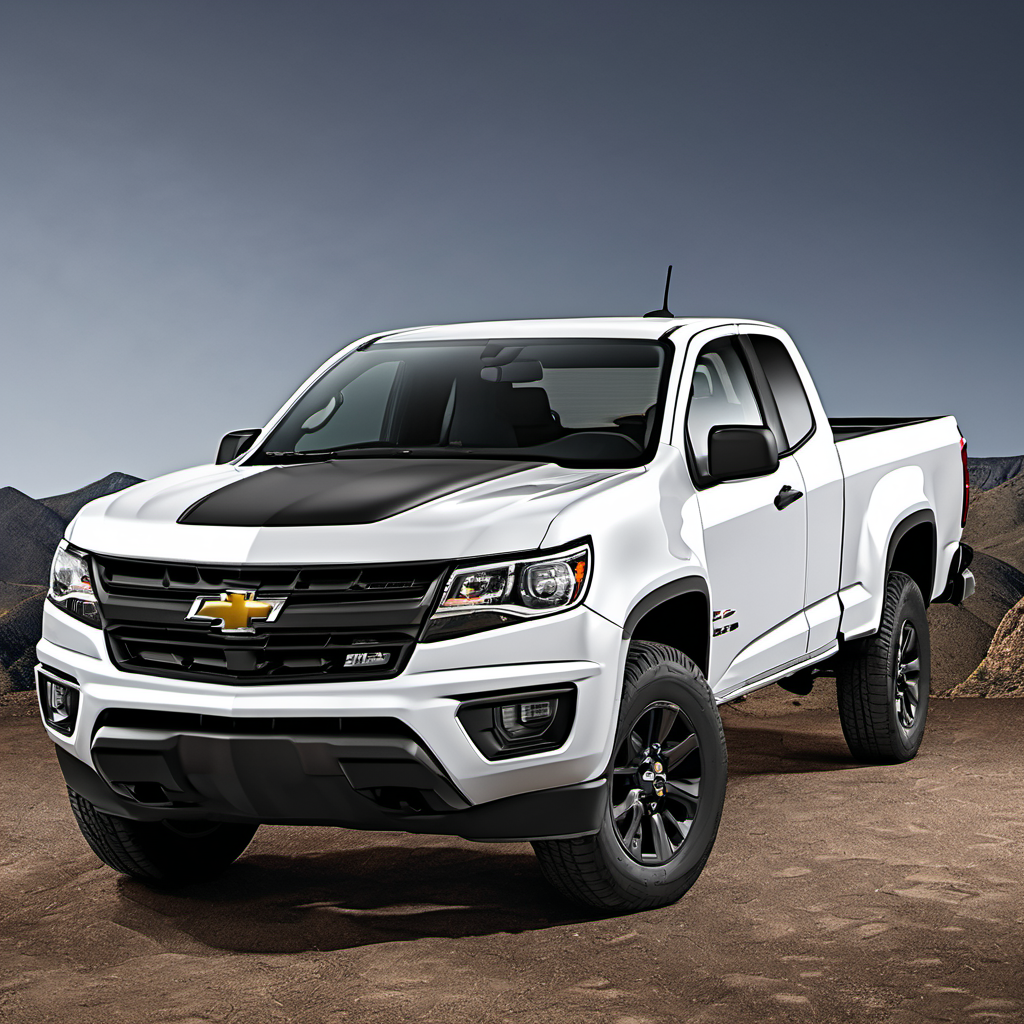
Similar price and segment. Available with a diesel engine option for better fuel economy and towing, but reliability ratings trail the Tacoma and resale is weaker.
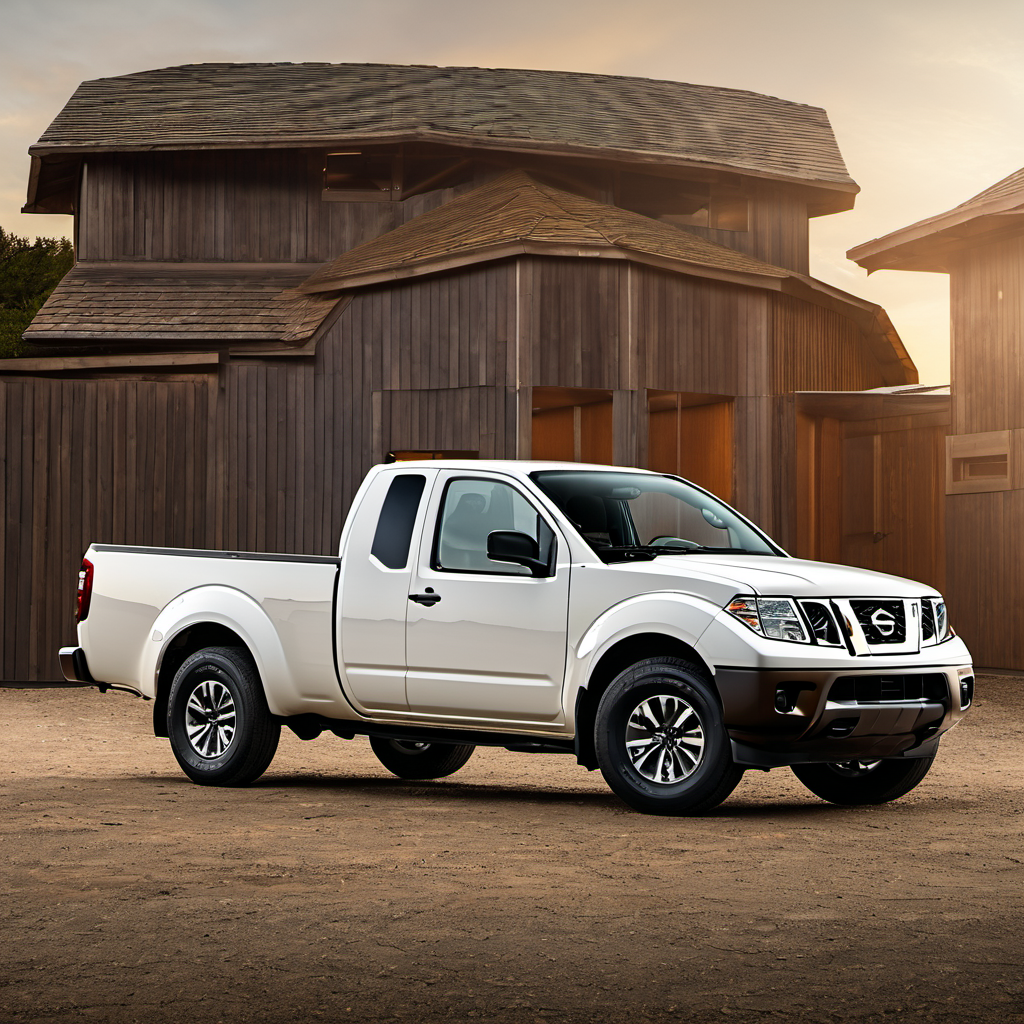
The Frontier undercuts the Tacoma on price and has a known-reliable powertrain, but it's on an older platform with fewer modern safety features and lower resale value.
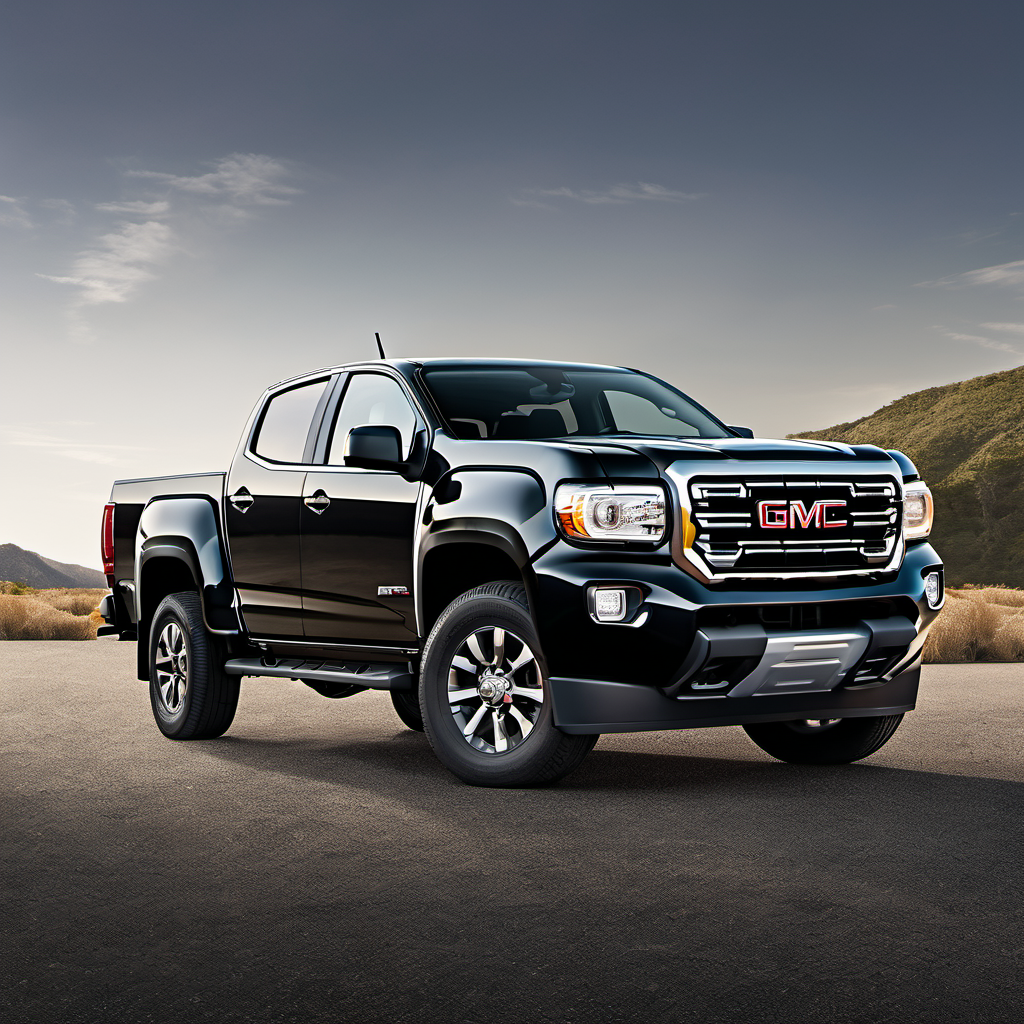
Badge-twin to the Colorado with slightly higher trim offerings. Comparable capability and price, but shares the same reliability and depreciation disadvantages relative to the Tacoma.