Infotainment System Freezing / Rebooting
high- Typically appears
- 30–70k mi
- Estimated repair
- $200 – $600
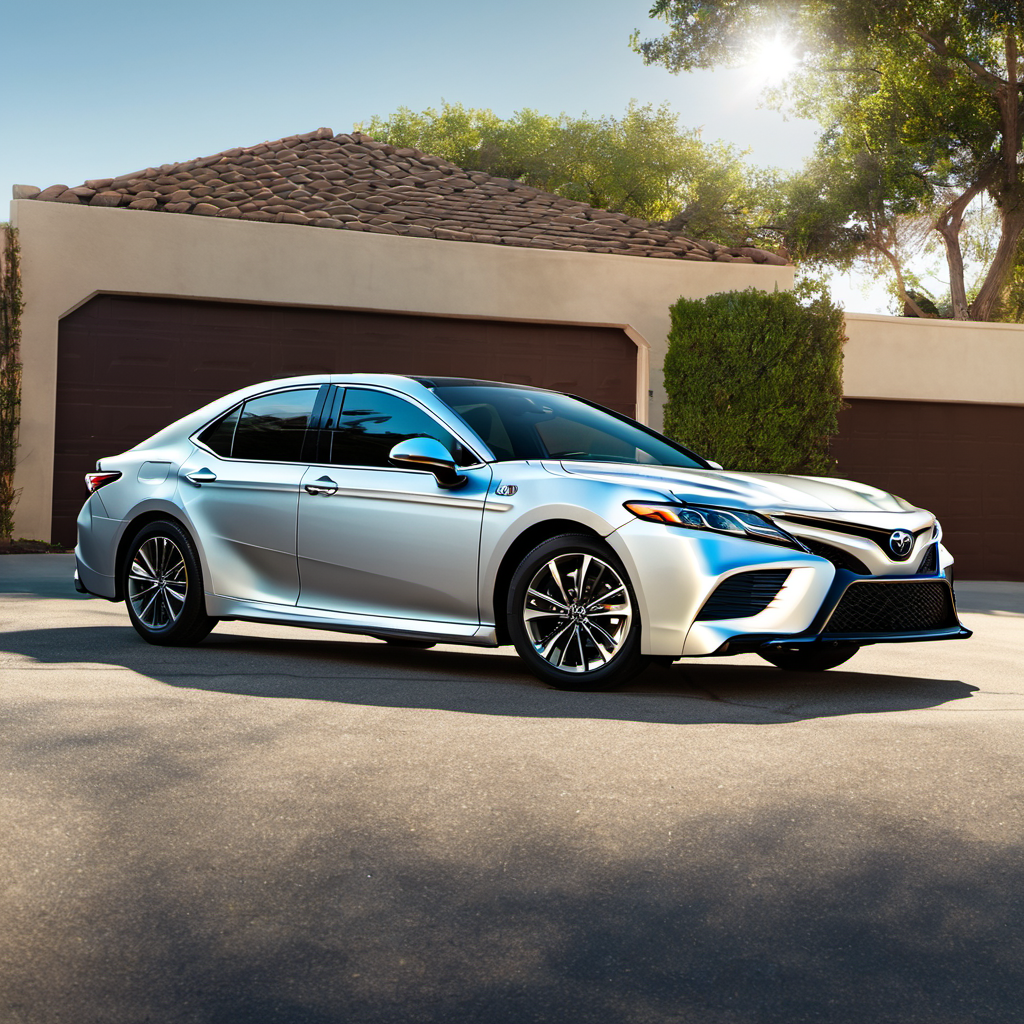
2020 Toyota
Sedan
The 2020 Toyota Camry is the eighth-generation version of America's best-selling midsize sedan, built right here in Georgetown, Kentucky. It received a full redesign in 2018 and the 2020 model year represents a well-sorted, mature version of that platform with no major carry-over complaints. Under the hood sits Toyota's A25A-FKS 2.5L four-cylinder with dual injection (both direct and port), returning solid power and class-leading fuel economy. For daily drivers in the Lake Geneva area, the Camry offers an excellent balance of comfort, reliability, and long-term value. The standard Toyota Safety Sense suite — automatic emergency braking, lane departure alert, and adaptive cruise — comes on every trim, which is a genuine safety advantage. Ride quality is composed, the cabin is quiet, and interior materials punch above the price point. This is a car that rewards attentive maintenance. Keep up with the 0W-20 full synthetic oil changes, watch for the known oil consumption issue in early miles, and stay ahead of the Entune infotainment quirks. Do all that and this Camry should comfortably reach 200,000+ miles.
The 2020 Toyota Camry is the eighth-generation version of America's best-selling midsize sedan, built right here in Georgetown, Kentucky. It received a full redesign in 2018 and the 2020 model year represents a well-sorted, mature version of that platform with no major carry-over complaints. Under the hood sits Toyota's A25A-FKS 2.5L four-cylinder with dual injection (both direct and port), returning solid power and class-leading fuel economy. For daily drivers in the Lake Geneva area, the Camry offers an excellent balance of comfort, reliability, and long-term value. The standard Toyota Safety Sense suite — automatic emergency braking, lane departure alert, and adaptive cruise — comes on every trim, which is a genuine safety advantage. Ride quality is composed, the cabin is quiet, and interior materials punch above the price point. This is a car that rewards attentive maintenance. Keep up with the 0W-20 full synthetic oil changes, watch for the known oil consumption issue in early miles, and stay ahead of the Entune infotainment quirks. Do all that and this Camry should comfortably reach 200,000+ miles.
0W-20 full synthetic is required. Toyota's 10k interval is acceptable with synthetic, but given the known oil consumption issue on this generation, checking level between changes is non-negotiable. Low oil accelerates VVT solenoid wear.
Keeps wear even across all four tires. Also your best opportunity to eyeball brake pad thickness — do it every rotation.
DOT 3 fluid is hygroscopic — it absorbs moisture over time, lowering boiling point. Wisconsin winters with frequent wet/freeze cycles accelerate this. Fresh fluid protects ABS and brake actuator components.
A clogged air filter hurts fuel economy and can affect MAF sensor readings. In dusty summer driving or heavy pollen seasons around Geneva Lake, inspect annually.
A dirty cabin filter stresses the HVAC blower motor and reduces defrost effectiveness — a real issue for Wisconsin winters. Cheap and easy to change.
Toyota marks WS ATF as 'lifetime' fluid, but real-world experience shows degraded fluid contributes to the shifting complaints reported on this generation. An independent shop drain-and-fill at 60k is cheap insurance.
Toyota SLLC is genuinely long-lasting but still degrades. Using the correct pink coolant is important — mixing types can compromise corrosion protection on aluminum engine components.
Road salt is the Camry's biggest long-term threat in this region. A $10 undercarriage rinse at any car wash can add years to brake line and suspension component life. Annual undercoating application is worth budgeting.
Always defer to the manufacturer's service manual for warranty-mandated intervals.
The Camry is one of the more affordable midsize sedans to own over time. Routine maintenance runs $400–$900/year at an independent shop. The main budget wildcards are infotainment repairs ($200–$600 if the head unit fails) and an early brake service. With clean oil changes and an eye on oil level between services, expect low surprise costs through 150k miles.
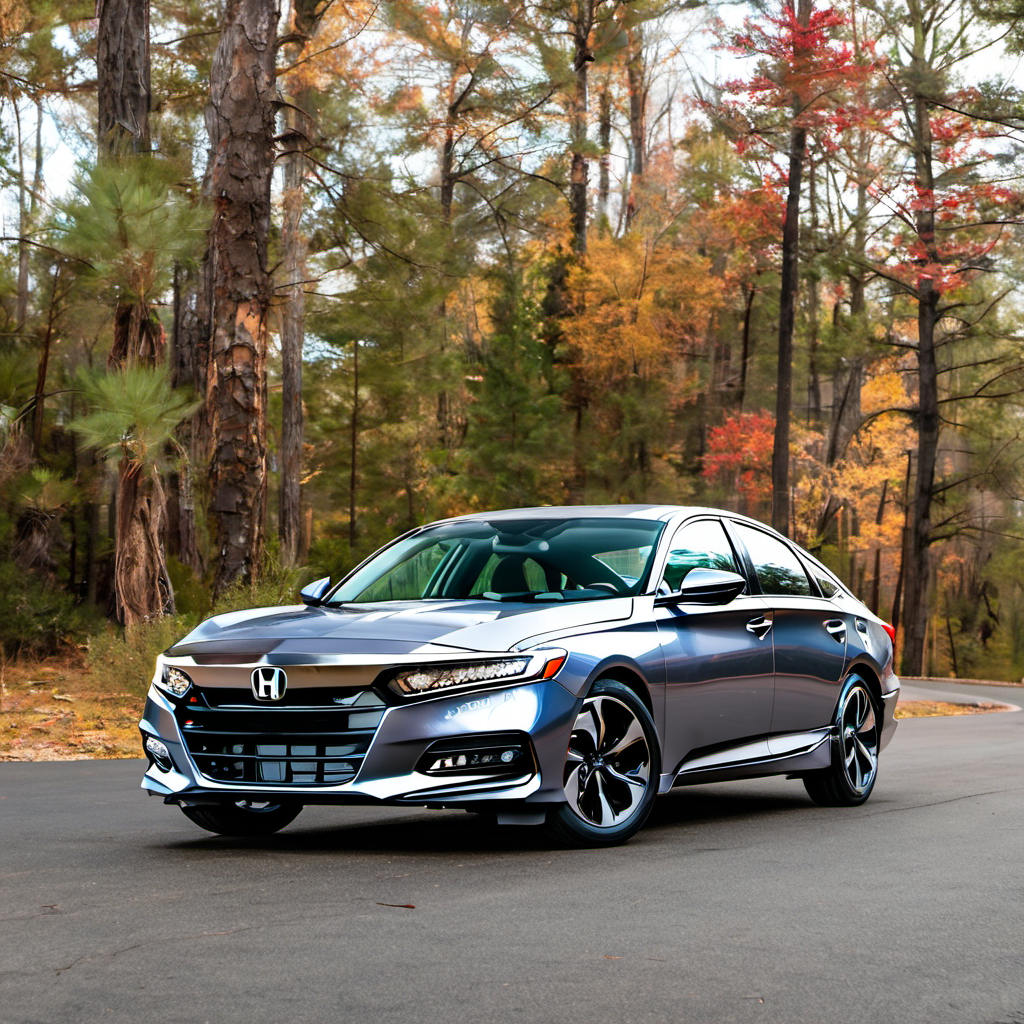
The Accord is the Camry's closest rival in every dimension — price, space, fuel economy, and reliability. The 1.5T base engine is competitive; the 2.0T Sport trim is quicker. Slightly sportier feel, comparably strong reliability.
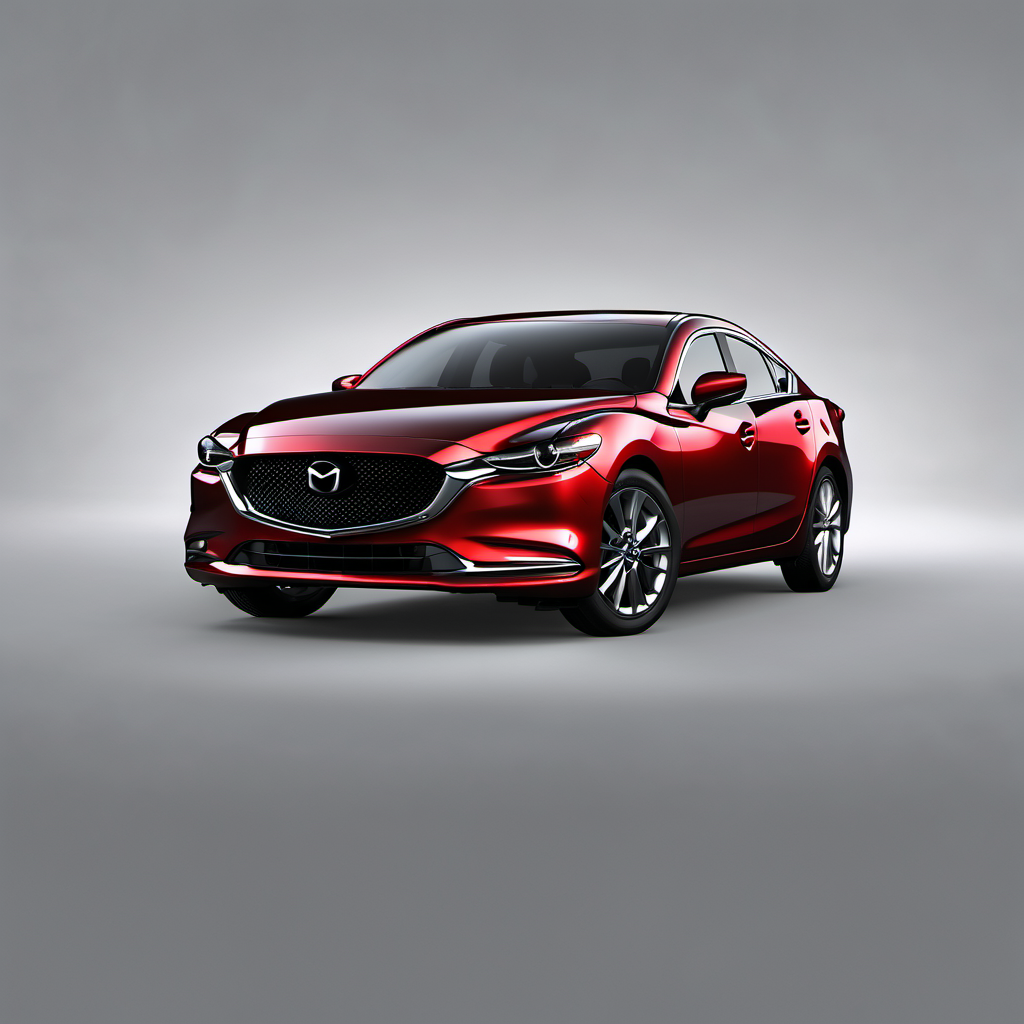
A step up in interior quality and driving dynamics at a similar price. The 2.5L naturally aspirated four is smooth and proven. Slightly smaller cabin than the Camry but better handling. Same FWD layout.
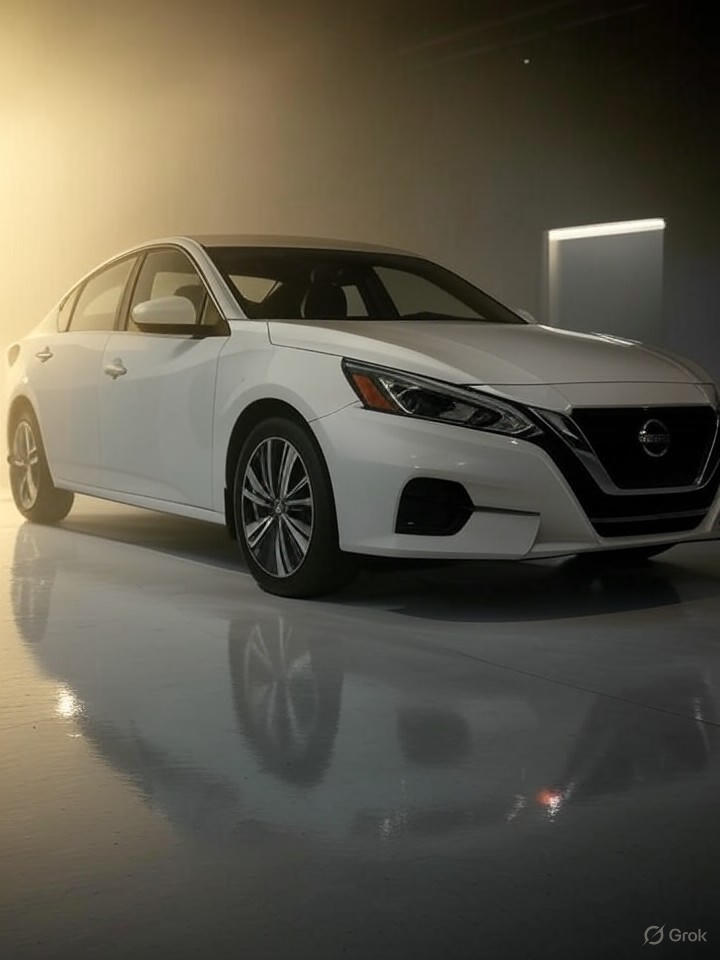
Base pricing is lower and AWD is available (unique in this segment), which is a genuine advantage for Wisconsin winters. Reliability is decent but trails Toyota. CVT is a long-term concern past 100k miles.
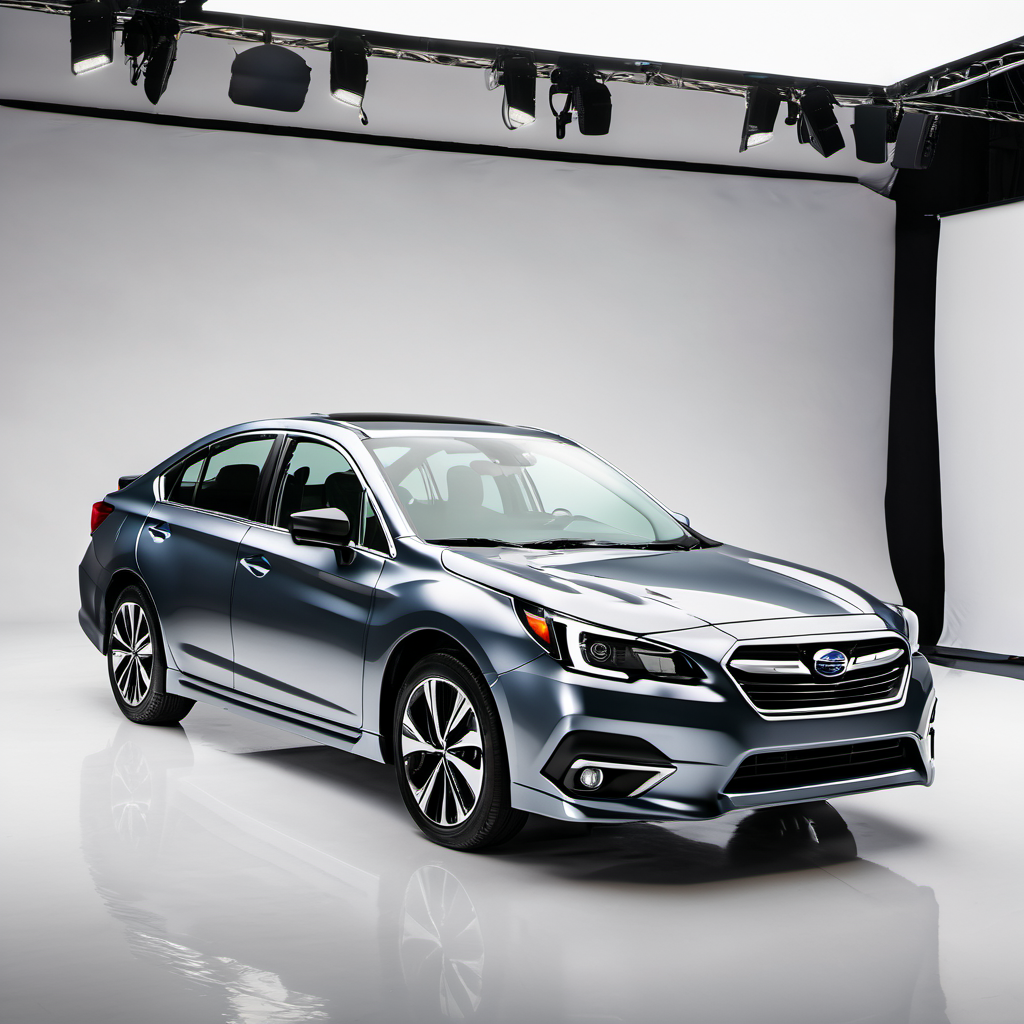
Standard AWD makes it the most winter-capable sedan in this segment — a real consideration for Lake Geneva. Slightly lower base power but excellent all-weather confidence. CVT is the weak point; not as long-lived as the Camry's traditional automatic.