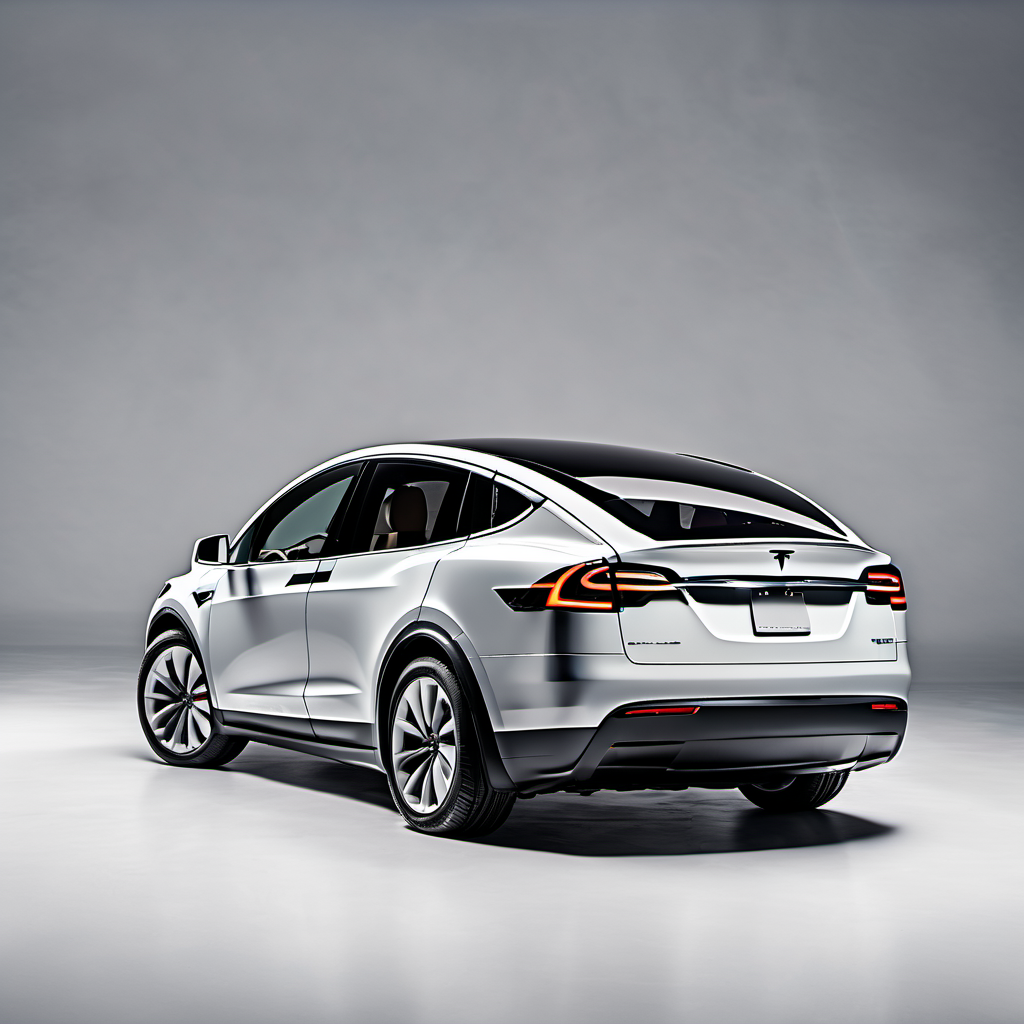
2020 Tesla Model X SUV

2020 Tesla

Model XSUV

SUV

The 2020 Tesla Model X is a full-size all-electric SUV built around dual-motor AWD and a large battery pack — standard config delivers 670 hp and 0–60 in under 4 seconds. It seats up to 7 across three rows and offers a unique falcon-wing rear door design. For a vehicle this size and performance level, the Model X is genuinely cheap to fuel and light on routine maintenance. The Model X sits at the premium end of the electric SUV market. Its over-the-air update capability means the car you drive in year five can be meaningfully different from what rolled off the lot — that's a real ownership benefit. The trade-off is that nearly all repair and diagnostic work routes through Tesla's own service network, which has limited reach outside major metro areas and can mean longer wait times. For Lake Geneva-area owners, the most important thing to understand is cold-weather range loss. Below 20°F, real-world range can drop 20–30% from the EPA estimate. Preconditioning the battery before departure (while still plugged in) is essential to get the most out of winter driving.

Reliability
3/5
Verified data
Specs shown for Model X Long Range — the most common configuration. Other trims may vary in engine, drivetrain, or fuel economy. Sign in to see your vehicle's exact specs.
Engine
[object Object]
Drivetrain
AWD
Fuel
Electric
MPG
99 city / 93 hwy / 96 combined
Seats
Doors
Body
Standard Sport Utility Vehicle 4WD
Length
198.3 inches

Overview

AI-curated

The 2020 Tesla Model X is a full-size all-electric SUV built around dual-motor AWD and a large battery pack — standard config delivers 670 hp and 0–60 in under 4 seconds. It seats up to 7 across three rows and offers a unique falcon-wing rear door design. For a vehicle this size and performance level, the Model X is genuinely cheap to fuel and light on routine maintenance. The Model X sits at the premium end of the electric SUV market. Its over-the-air update capability means the car you drive in year five can be meaningfully different from what rolled off the lot — that's a real ownership benefit. The trade-off is that nearly all repair and diagnostic work routes through Tesla's own service network, which has limited reach outside major metro areas and can mean longer wait times. For Lake Geneva-area owners, the most important thing to understand is cold-weather range loss. Below 20°F, real-world range can drop 20–30% from the EPA estimate. Preconditioning the battery before departure (while still plugged in) is essential to get the most out of winter driving.

Known for
  • Exceptional acceleration for an SUV — sub-4-second 0–60
  • Falcon-wing rear doors that are both a showstopper and a service headache
  • Over-the-air software updates that add features and fix bugs remotely
  • Heavy reliance on the center touchscreen for nearly all vehicle controls
  • Significant cold-weather range reduction in Wisconsin winters
Best for
  • Families wanting performance and three-row seating
  • Owners with a home charger and predictable daily routes
  • Tech-forward buyers comfortable with a software-centric vehicle
  • Drivers who do most miles within the EPA range estimate
Watch for
  • Touchscreen failures can disable climate control and navigation
  • Falcon-wing door sensors and motors are expensive to repair
  • Battery degradation accelerates with frequent DC fast charging
  • Tesla service availability is limited in the Lake Geneva / Walworth County area
  • Proprietary parts and repair processes mean few independent shops can help

Common issues by mileage

6 known

Touchscreen Freeze / Failure (eMMC Chip Wear)

high
Typically appears
20–50k mi
Estimated repair
$500 – $1,500

Falcon-Wing Door Sensor / Motor Failure

medium
Typically appears
30–80k mi
Estimated repair
$800 – $2,500

Battery Pack Degradation (Faster Than Expected)

medium
Typically appears
50–100k mi
Estimated repair
$10,000 – $20,000

Autopilot Unexpected Disengagement

medium
Typically appears
15–40k mi
Estimated repair
$0 – $300

Lost Communication With Restraints Control Module

low
Typically appears
15–30k mi
Estimated repair
$300 – $700

Air Suspension Compressor Failure

medium
Typically appears
60–100k mi
Estimated repair
$1,000 – $3,000

Maintenance schedule

  1. 1
    Every 6,250 miles or 6 months Tire Rotation

    The heavy battery pack and instant torque from both axles wear tires faster than most SUVs. Skipping rotations on a 5,400-lb vehicle will cost you a set of tires prematurely.

  2. 2
    Every 2 years (regardless of mileage) Brake Fluid Replacement (DOT 4)

    Regenerative braking means the hydraulic brakes are used less often — this sounds like a benefit until you realize the fluid absorbs moisture over time regardless of use, lowering its boiling point. Change it on a calendar schedule, not a mileage one.

  3. 3
    Every 25,000 miles or 2 years Cabin Air Filter Replacement

    The Model X uses a HEPA filtration system as standard. A clogged cabin filter reduces interior air quality and strains the HVAC system, which already works harder in Wisconsin winters.

  4. 4
    Every 25,000 miles or 2 years Air Filter (HVAC / battery cooling) Inspection

    The battery cooling circuit uses a separate air intake. Keeping this clear is important for battery thermal management, especially during Lake Geneva summer heat and winter cold.

  5. 5
    Every 4 years Coolant Flush (Tesla Premium Cooling Fluid)

    The battery and drive unit share a liquid cooling loop. Use only Tesla-specified pink coolant — standard green or orange coolant is incompatible and can damage the battery cooling system.

  6. 6
    Every 6 months (fall and spring) Brake Caliper Inspection and Exercise

    Because regen handles most stopping, the rear calipers in particular can seize from inactivity and corrosion — a real problem in Wisconsin's salt season. Inspect and manually exercise them twice a year.

  7. 7
    Before each winter season Wiper Blade Replacement + Winter Blade Install

    The Model X's curved windshield requires specific wiper fitment. Install winter blades before first snowfall; standard rubber wiper inserts pack with ice and streak badly below 20°F.

  8. 8
    Annually or as needed Falcon-Wing Door Seal and Sensor Inspection

    The door seals are prone to tearing and the obstacle-detection sensors can drift out of calibration, causing doors to stop mid-open or refuse to close. Catch this before winter when cold stiffens the seals further.

Always defer to the manufacturer's service manual for warranty-mandated intervals.

Cost of ownership

Annual maintenance
$400 – $900
Fuel
At average Wisconsin residential electricity rates (~$0.14/kWh), expect roughly $600–$800/year for typical 12,000-mile annual driving. Supercharger-only charging will roughly double that fuel cost. Compared to a comparable V8 SUV at $0/gallon savings, this is a major ongoing advantage.
Insurance
Higher than average for the segment due to the vehicle's purchase price, high repair costs, and Tesla's limited independent-shop repair network. Expect $2,000–$3,200/year for full coverage in Wisconsin depending on your profile.

Day-to-day running costs are genuinely lower than any gas-powered competitor — no oil changes, no spark plugs, minimal brake wear. Annual maintenance is mostly tires, brake fluid, and filters. The financial risk lives in the tail: a battery replacement or falcon-wing door rebuild can be a $10,000–$20,000 event, and Tesla service wait times mean your car may sit for weeks. Budget for an extended warranty or set aside a dedicated repair fund.

Seasonal care

Lake Geneva, WI
Winter
  • Precondition the battery while still plugged in before every cold-weather drive. This recovers 15–25% of the range you'd otherwise lose in sub-20°F temps and reduces wear on battery cells.
  • Use the heated seats and steering wheel as your primary cabin warmth source in the first few minutes — they draw far less energy than the resistive cabin heater and preserve driving range.
  • Switch to winter/all-season tires before first snowfall. The factory all-seasons lose grip quickly below 45°F, and the instant torque of the dual motors will overwhelm marginal tires on Lake Geneva's icy roads.
  • Check wiper fluid level weekly and use a -20°F or lower rated washer fluid. The large windshield accumulates salt spray fast and the system goes through fluid quickly in Wisconsin winters.
  • After driving on salted roads, rinse the undercarriage including around the battery pack skid plate. Salt accumulation on the battery enclosure seams accelerates corrosion.
  • Keep the charge level between 20–80% during storage or extended cold periods. Avoid leaving the car at low state of charge in sub-zero temps — deep discharge risk increases in extreme cold.
Summer
  • Avoid parking in direct sun for extended periods when possible. Heat soak degrades battery chemistry over time and forces the active cooling system to run while parked, draining the charge.
  • Check tire pressure every 2 weeks in summer — for every 10°F rise in temperature, pressure increases ~1 PSI. The Model X's weight amplifies the consequences of over- or under-inflated tires.
  • Inspect the A/C and battery thermal management system performance early in the season. If the cabin takes noticeably longer to cool or the car reports elevated battery temps, have the cooling circuit inspected.
  • The falcon-wing door seals can soften and deform in extreme heat — inspect for gaps or sagging before they cause a water intrusion problem when Wisconsin thunderstorms arrive.

Comparable vehicles

2020 Audi
e-tron

Full-size luxury electric SUV at a similar price point. More conventional door design and wider independent-shop serviceability. Shorter range than Model X but more predictable ownership experience.

No catalog match
2020 Mercedes-Benz
EQC

Premium electric mid-size SUV competitor with a conventional dealership service network — a real advantage in the Lake Geneva area. Lower performance than Model X but more repair-accessible.

No catalog match
2020 Rivian
R1S

American-built three-row electric SUV with comparable AWD performance and range. Service network is similarly thin outside major metros, but the platform is newer with fewer legacy quirks.

No catalog match
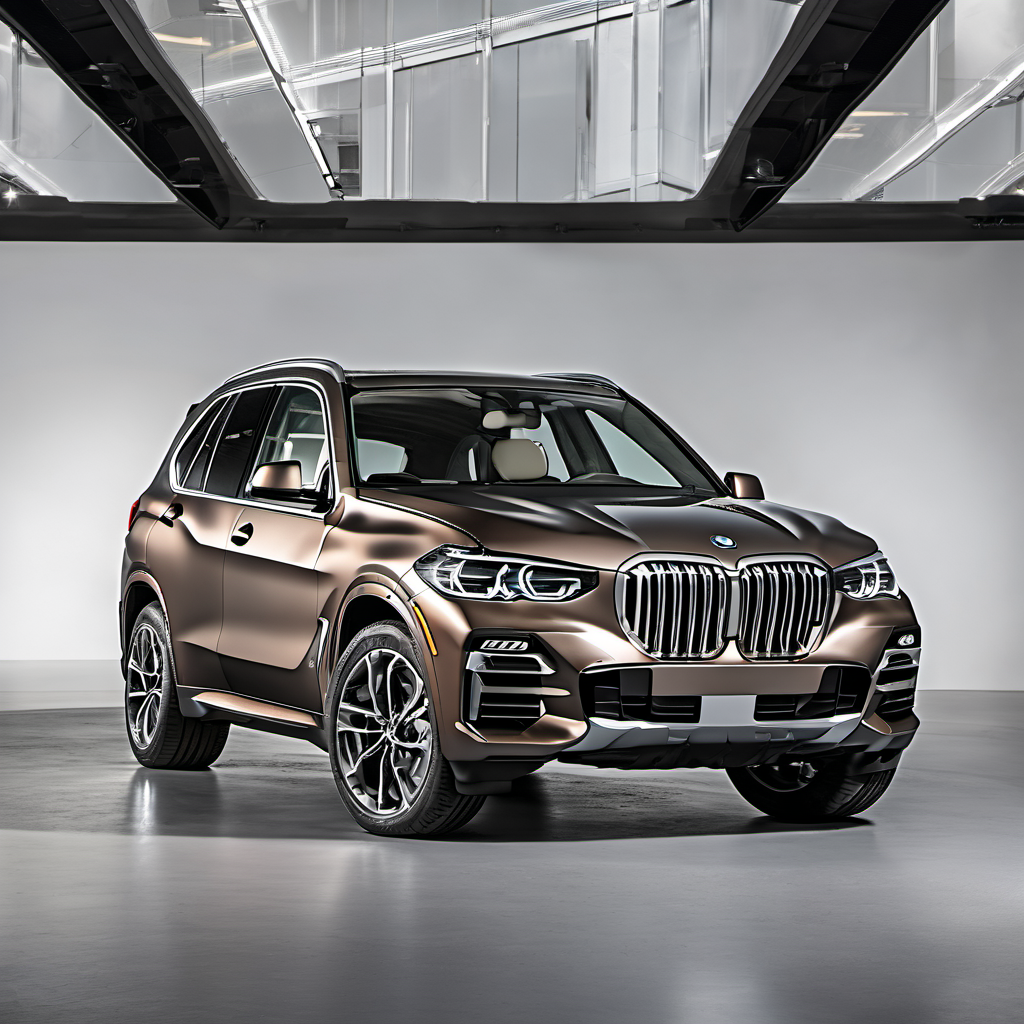
2020 BMW X5 xDrive45e
2020 BMW
X5 xDrive45e

Plug-in hybrid alternative that avoids range anxiety and has a robust dealer/independent service network in the region. Gives up pure EV range but gains flexibility for long Wisconsin highway trips.

If you're shopping for one

Red flags
  • Any indication of battery pack replacement or unauthorized battery work — insist on the full Tesla service history.
  • Touchscreen showing persistent 'UI' or communication error messages before you've even test-driven it.
  • Falcon-wing doors that won't fully open or close, or that throw sensor errors — budget $1,500–$2,500 to fix before walking away.
  • Suspension that sits unevenly or drops overnight — air suspension compressor and bags are expensive to replace.
  • A seller who cannot provide the Tesla account transfer history — Autopilot and Full Self-Driving features are account-linked and may not transfer cleanly.
What to inspect
  • Pull the battery's degradation history from the Tesla app or a service report — look for remaining range vs. original EPA estimate. More than 10–15% loss on a 2020 is a negotiating point.
  • Test the falcon-wing doors through 5–10 full open/close cycles. Listen for grinding, watch for hesitation or error messages on the screen. Repairs start at $800 and go up fast.
  • Reboot the touchscreen (hold both scroll wheels) and verify it fully restarts without errors. A sluggish or error-prone screen on a 2020 may need the eMMC chip replaced.
  • Check all door handles for smooth operation — the front door handles are motorized and fail more often than standard handles.
  • Inspect the air suspension: park on level ground and look for any corner that sits lower than the others after the car has been stationary for 10+ minutes.
  • Verify all Autopilot cameras are clean and unobstructed, and test the system briefly on a highway. Confirm the software version is current.
AI profile generated 4 days ago · claude-sonnet-4-6 · v2.