Center Touchscreen Failure (eMMC Flash Wear-Out)
high- Typically appears
- 40–80k mi
- Estimated repair
- $800 – $1,800
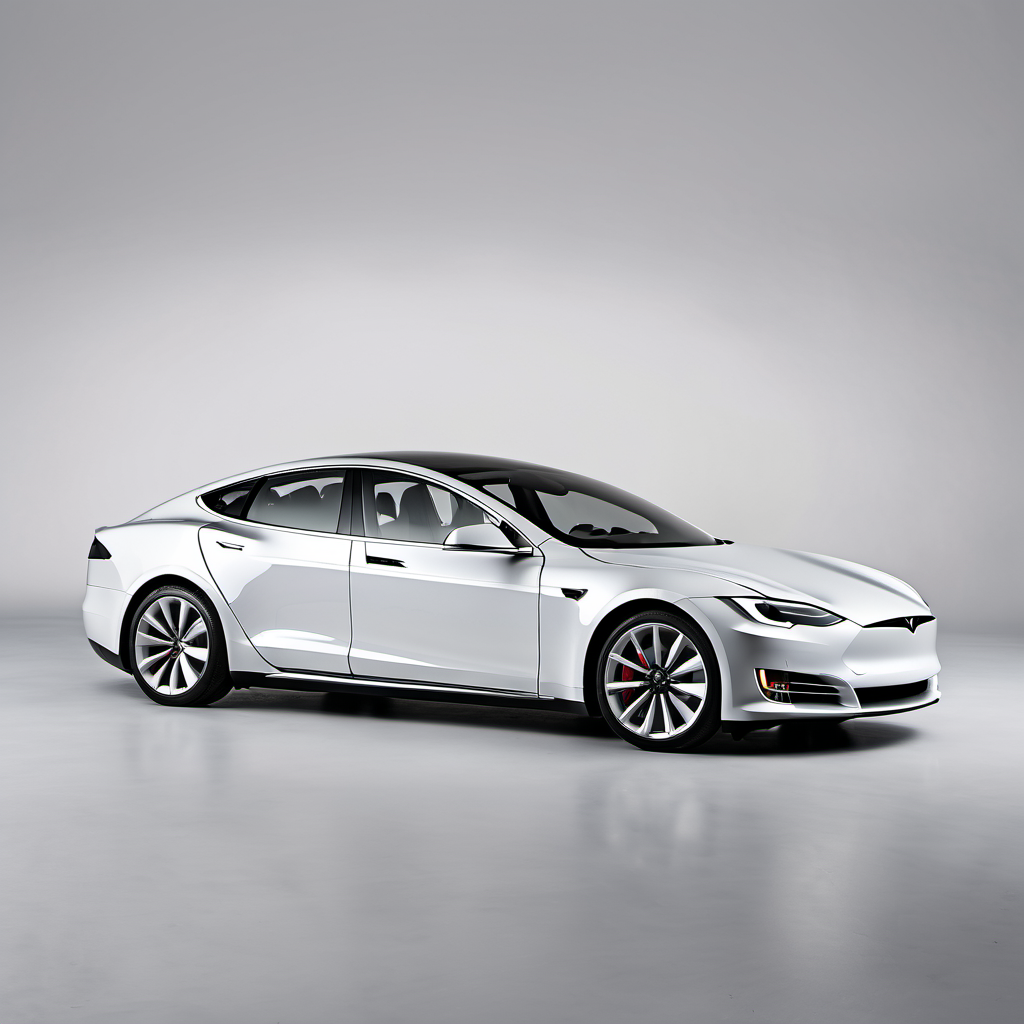
2020 Tesla
Sedan
The 2020 Tesla Model S is a full-size all-electric luxury sedan that competes directly with the Mercedes-Benz S-Class and BMW 7 Series on refinement, but plays in a category entirely its own on powertrain technology. The Long Range AWD version delivers roughly 370 miles of EPA-rated range, while the Performance trim hits 60 mph in about 2.3 seconds — figures no internal combustion car at this price matched in 2020. Software updates delivered over Wi-Fi mean the car you own today can be meaningfully different from the one you drove off the lot. Ownership experience is unlike any other vehicle on the road. There are no oil changes, no spark plugs, no transmission service — routine maintenance is thin. But Tesla is also the only authorized servicer for most major repairs, and Lake Geneva sits roughly 90 miles from the nearest Tesla Service Center. That distance matters when something goes wrong, because loaner availability and wait times are real issues. For a Wisconsin owner, the biggest daily-driving adjustment is range planning in winter. Cold weather can cut usable range by 20–40%, and the large battery thermal management system draws significant power in sub-zero temps. Precondition the battery and cabin while still plugged in — it's not optional here, it's how the car is designed to be used.
The 2020 Tesla Model S is a full-size all-electric luxury sedan that competes directly with the Mercedes-Benz S-Class and BMW 7 Series on refinement, but plays in a category entirely its own on powertrain technology. The Long Range AWD version delivers roughly 370 miles of EPA-rated range, while the Performance trim hits 60 mph in about 2.3 seconds — figures no internal combustion car at this price matched in 2020. Software updates delivered over Wi-Fi mean the car you own today can be meaningfully different from the one you drove off the lot. Ownership experience is unlike any other vehicle on the road. There are no oil changes, no spark plugs, no transmission service — routine maintenance is thin. But Tesla is also the only authorized servicer for most major repairs, and Lake Geneva sits roughly 90 miles from the nearest Tesla Service Center. That distance matters when something goes wrong, because loaner availability and wait times are real issues. For a Wisconsin owner, the biggest daily-driving adjustment is range planning in winter. Cold weather can cut usable range by 20–40%, and the large battery thermal management system draws significant power in sub-zero temps. Precondition the battery and cabin while still plugged in — it's not optional here, it's how the car is designed to be used.
Instant torque delivery accelerates rear tire wear significantly faster than most drivers expect. Skipping rotations on this car is expensive — the tires are performance-rated, wide, and not cheap.
Tesla uses a HEPA-style cabin filter. A clogged filter strains the HVAC blower, which is electric and not trivial to replace. Change on schedule — it's one of the few easy DIY tasks on this car.
Regenerative braking means the friction brakes are used far less than on a normal car, so fluid sees little heat cycling. But DOT 3 fluid still absorbs moisture over time and can corrode calipers — especially with Wisconsin road salt. A time-based interval is the right approach here.
This lead-acid battery controls the car's ability to wake from sleep and unlock doors. When it fails, the car can become completely inoperable. It's a consumable, not a maybe — replace proactively. Independent shops can do this one.
Tesla uses a proprietary pink coolant for battery and motor thermal management. Check hose condition, coolant level, and watch for any discoloration. A coolant failure in winter can trigger battery thermal protection and strand you.
Tire pressure drops roughly 1 PSI for every 10°F drop in temperature. In a Wisconsin winter that can mean 5–7 PSI loss overnight. Underinflation on a 4,883-lb car hurts range and handling — both matter here.
Standard wiper blades ice up and streak badly. Switch to beam-style blades before November. Also: always lift wipers off the glass when parked in freezing conditions — replacing the wiper motor on a Tesla is not a cheap job.
Because regenerative braking handles most stops, the friction brakes can sit for weeks without activating. In Wisconsin salt seasons, calipers and rotors can seize or heavily rust. Periodic inspection and caliper slide lubrication prevents a brake that works fine on paper from failing in an emergency.
Always defer to the manufacturer's service manual for warranty-mandated intervals.
Year-to-year maintenance costs are genuinely low — no oil, no plugs, no transmission fluid, minimal brake wear. The 12V battery and tires are your predictable expenses. The risk is tail-cost: a touchscreen replacement, a drive unit issue, or any major repair requiring Tesla Service will be expensive and logistically painful from Lake Geneva. Budget a service reserve. Long-term battery replacement ($10k–$20k) is unlikely before 150k miles but is real money if it happens.
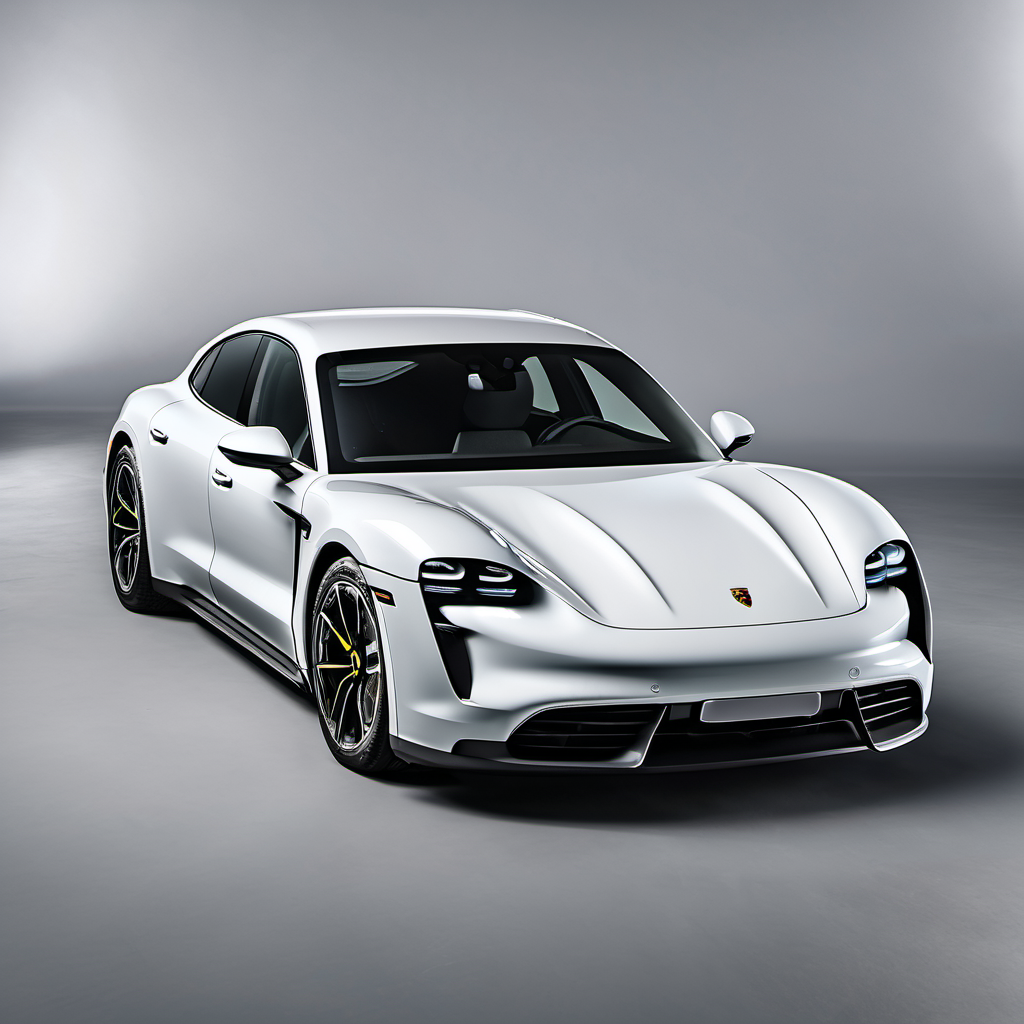
Full-size electric luxury sedan at a similar or higher price point. More traditional in feel with better build quality consistency; 800V charging is faster but range is shorter. Service network is more established in the Midwest.
Closest ICE-luxury competitor in electric form. Better interior material quality and dealer network, but shorter range and less performance at equivalent price.
No catalog match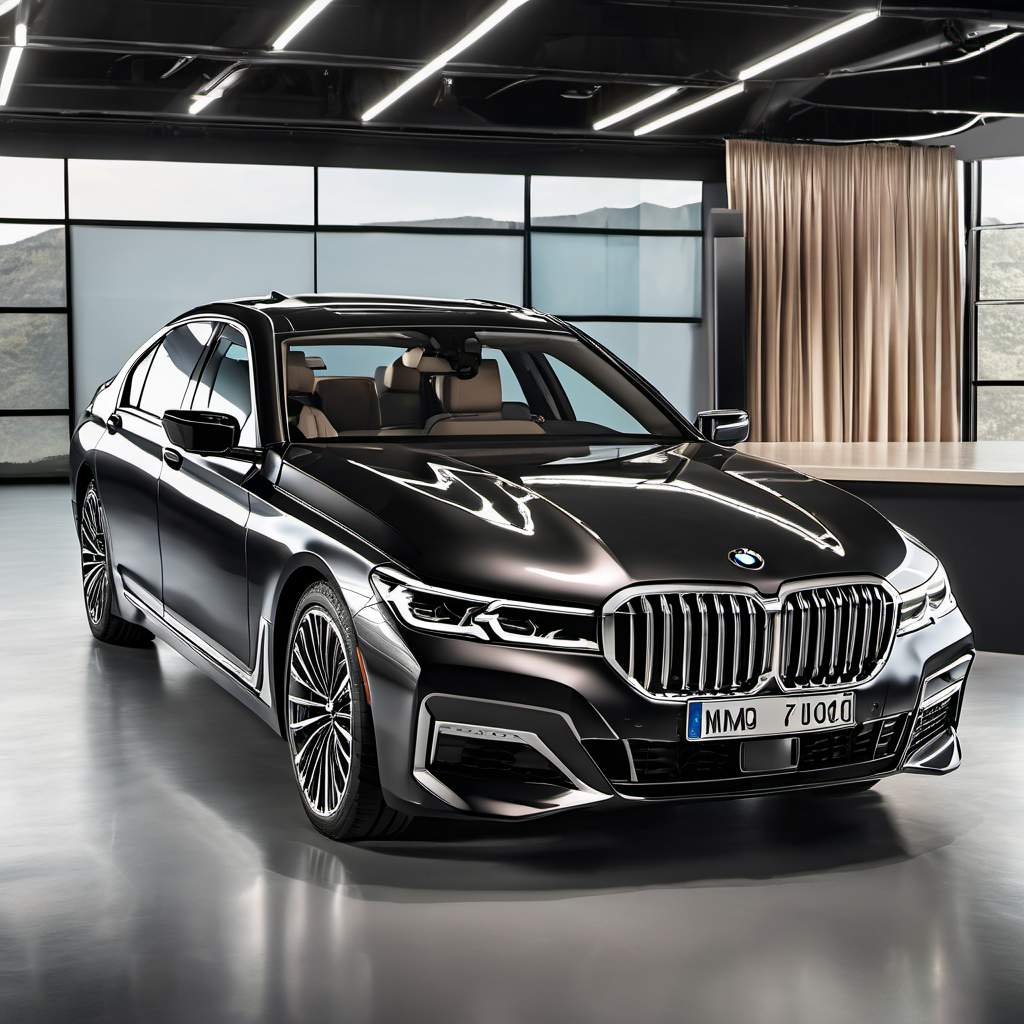
If the buyer wants the luxury-sedan experience with an established Midwest service network, the 7 Series trades electric simplicity for a familiar dealer relationship and plug-in hybrid option.
AWD electric performance sedan with comparable acceleration and similar mission. Audi dealer coverage in the Chicago/Milwaukee corridor is a practical advantage over Tesla's single-center service model.
No catalog match