Clutch Master Cylinder Failure
medium- Typically appears
- 50–80k mi
- Estimated repair
- $200 – $400
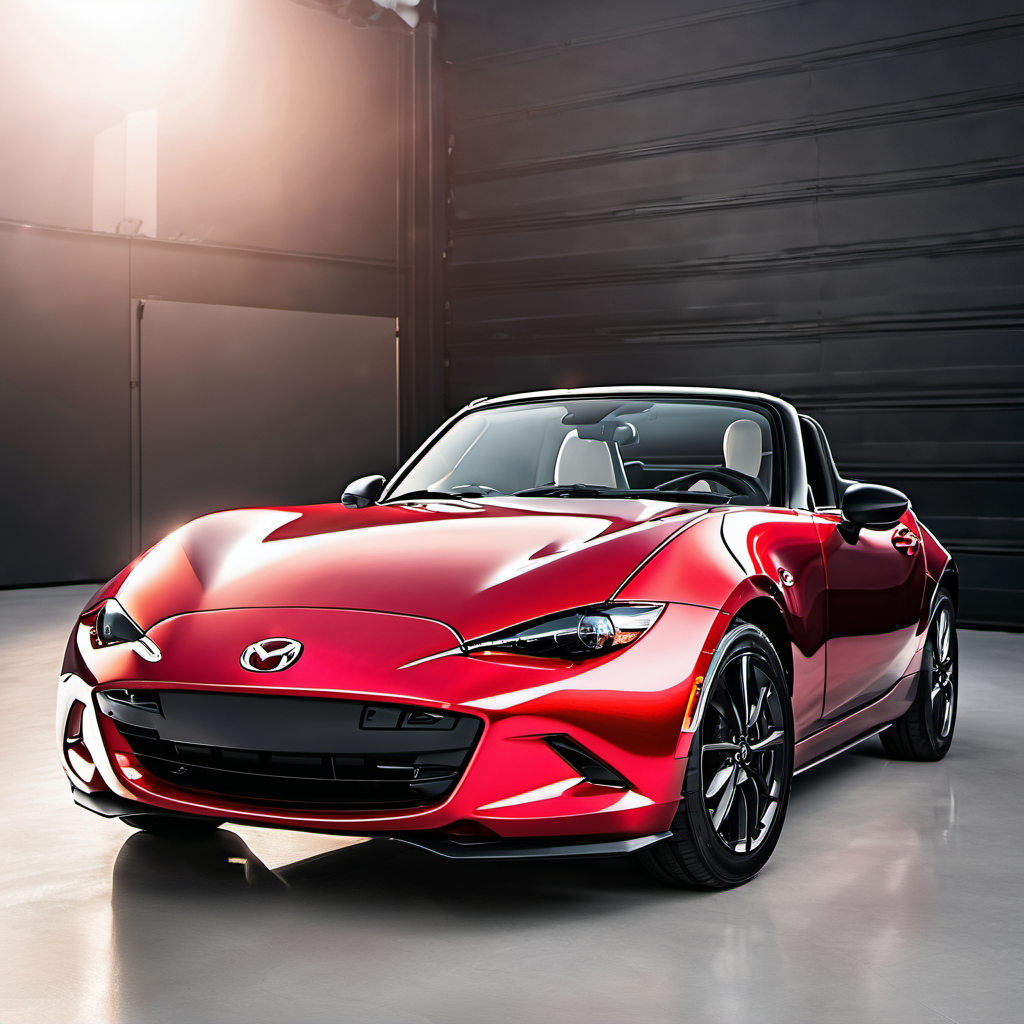
2020 MAZDA
2.0L I4 · Convertible
The 2020 Mazda MX-5 Miata is the fourth generation (ND) of the world's best-selling two-seat roadster, now in its fifth year of production. Mazda kept the formula simple: a lightweight 2,341-lb chassis, rear-wheel drive, and a 181-hp 2.0L four-cylinder that rewards a driver who actually enjoys shifting gears. It's not fast in a straight line, but few cars at any price point feel this alive in corners. For 2020, the MX-5 benefits from a mid-cycle bump that brought the 2.0L up from 155 hp (2016–2018) to 181 hp. The soft-top Miata starts under $27k, making it one of the last affordable pure sports cars on the market. The RF (retractable fastback) hardtop variant commands a premium but shares most mechanicals. This is not a practical daily driver in Wisconsin. It sits low, seats two, has a tiny trunk, and most owners store it October through April. But as a weekend car or warm-season commuter, it's nearly impossible to beat for the money.
The 2020 Mazda MX-5 Miata is the fourth generation (ND) of the world's best-selling two-seat roadster, now in its fifth year of production. Mazda kept the formula simple: a lightweight 2,341-lb chassis, rear-wheel drive, and a 181-hp 2.0L four-cylinder that rewards a driver who actually enjoys shifting gears. It's not fast in a straight line, but few cars at any price point feel this alive in corners. For 2020, the MX-5 benefits from a mid-cycle bump that brought the 2.0L up from 155 hp (2016–2018) to 181 hp. The soft-top Miata starts under $27k, making it one of the last affordable pure sports cars on the market. The RF (retractable fastback) hardtop variant commands a premium but shares most mechanicals. This is not a practical daily driver in Wisconsin. It sits low, seats two, has a tiny trunk, and most owners store it October through April. But as a weekend car or warm-season commuter, it's nearly impossible to beat for the money.
Mazda specifies 0W-20 full synthetic, 4.5 qts with filter. Given Wisconsin winters, don't stretch intervals — cold starts in sub-zero temps are hard on oil. If you track the car, drop to 5,000-mile intervals.
RWD cars wear rear tires faster under spirited driving. Keeping rotation on schedule extends tire life significantly and helps you catch uneven wear from alignment issues early.
This car uses DOT 3 fluid shared between the brake and clutch hydraulics. Degraded fluid accelerates master cylinder wear — the known weak point on these cars. Flush on schedule.
The rear diff on 2016–2020 MX-5s has a history of noise issues. Fresh 75W-90 GL-5 fluid keeps bearing surfaces lubricated and can help delay or prevent early wear. Don't skip this one.
Before winter storage, clean and condition the fabric top and lubricate the latches. Inspect weatherstripping for cracks. A neglected top can leak onto interior electronics and carpets.
Part B6Y1-13-Z40. The Skyactiv engine is sensitive to airflow; a clogged filter hurts both power and fuel economy noticeably on a car this light.
Mazda uses iridium plugs with a long service life. If you're seeing misfires (P0300) before 120k, check plugs first — they're the cheapest misfire fix.
Part G6Y4-61-J10. Easy DIY swap. Wisconsin spring means pollen; a blocked cabin filter kills what little A/C capacity this small car has.
Always defer to the manufacturer's service manual for warranty-mandated intervals.
The MX-5 is one of the cheaper sports cars to own. Parts are available, labor time is low on most jobs (small, simple engine bay), and the drivetrain rarely needs major intervention under 100k miles with normal care. The main budget surprises are clutch hydraulics (~$250–$400 when it goes) and rear differential work ($800–$2,000 if noise develops). Annual maintenance for a seasonally driven car should land well under $800 in most years. Factor in winter storage costs if applicable.
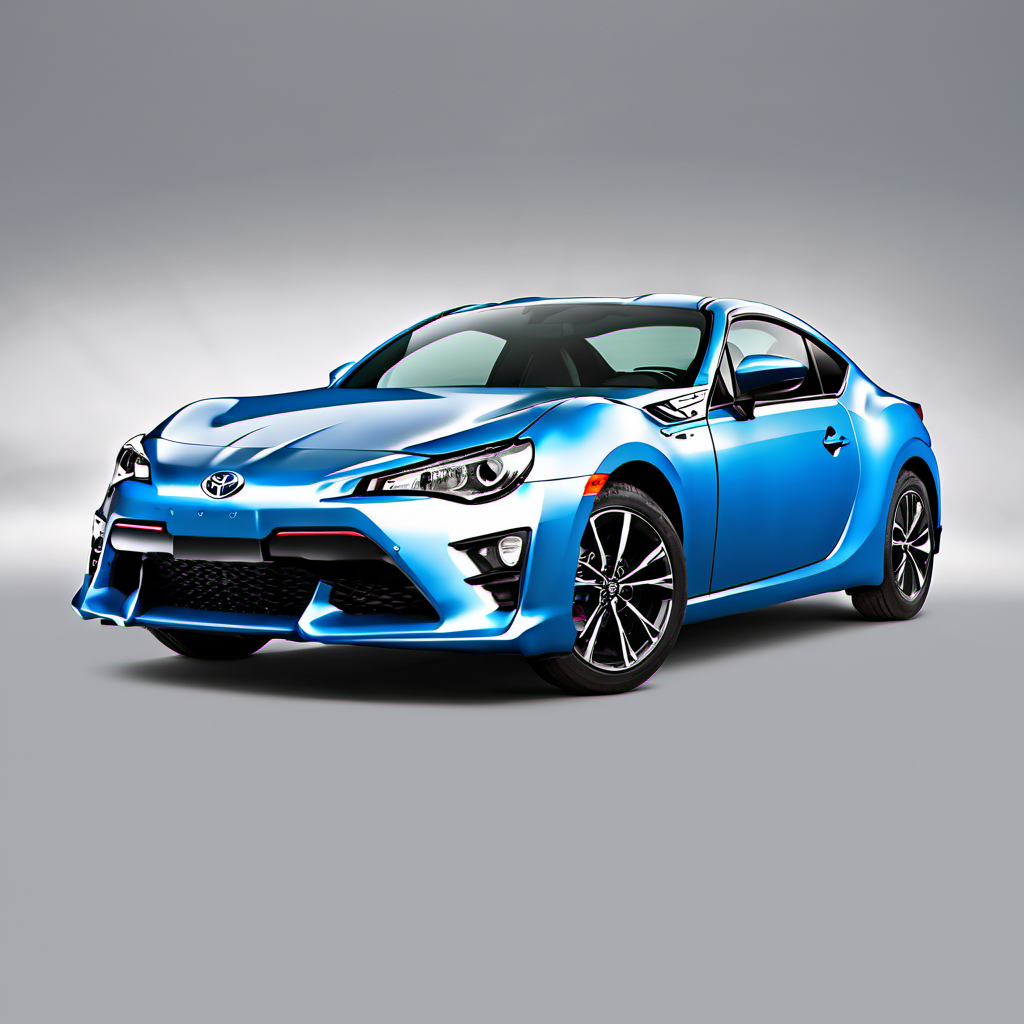
Also RWD, 2-seat-focused, naturally aspirated — slightly more power (205 hp), a fixed roof, and a firmer ride. Less steering feel than the Miata but more cabin space and a usable back seat.
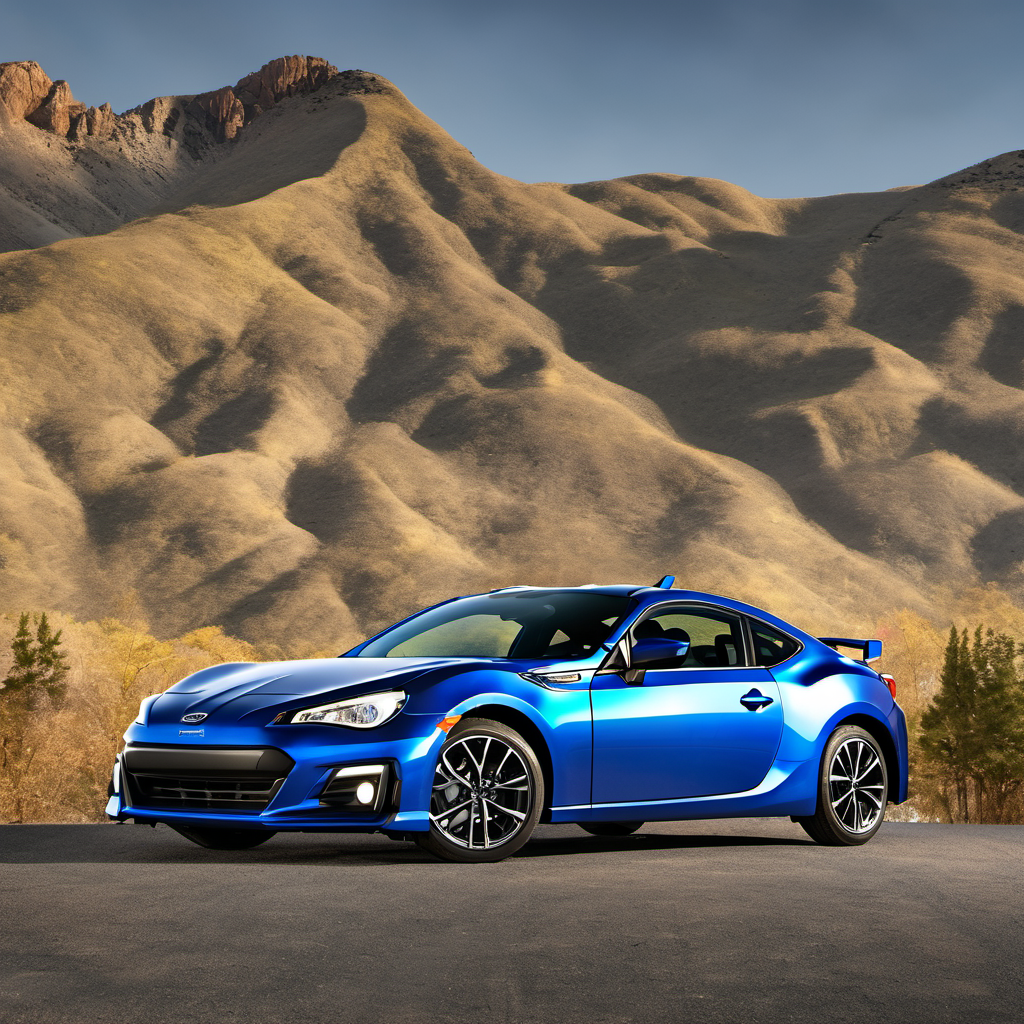
Mechanically identical to the Toyota 86, built on the same platform. RWD coupe with similar price point. Better AWD availability if you cross-shop the WRX instead, but the BRZ is the direct Miata coupe competitor.
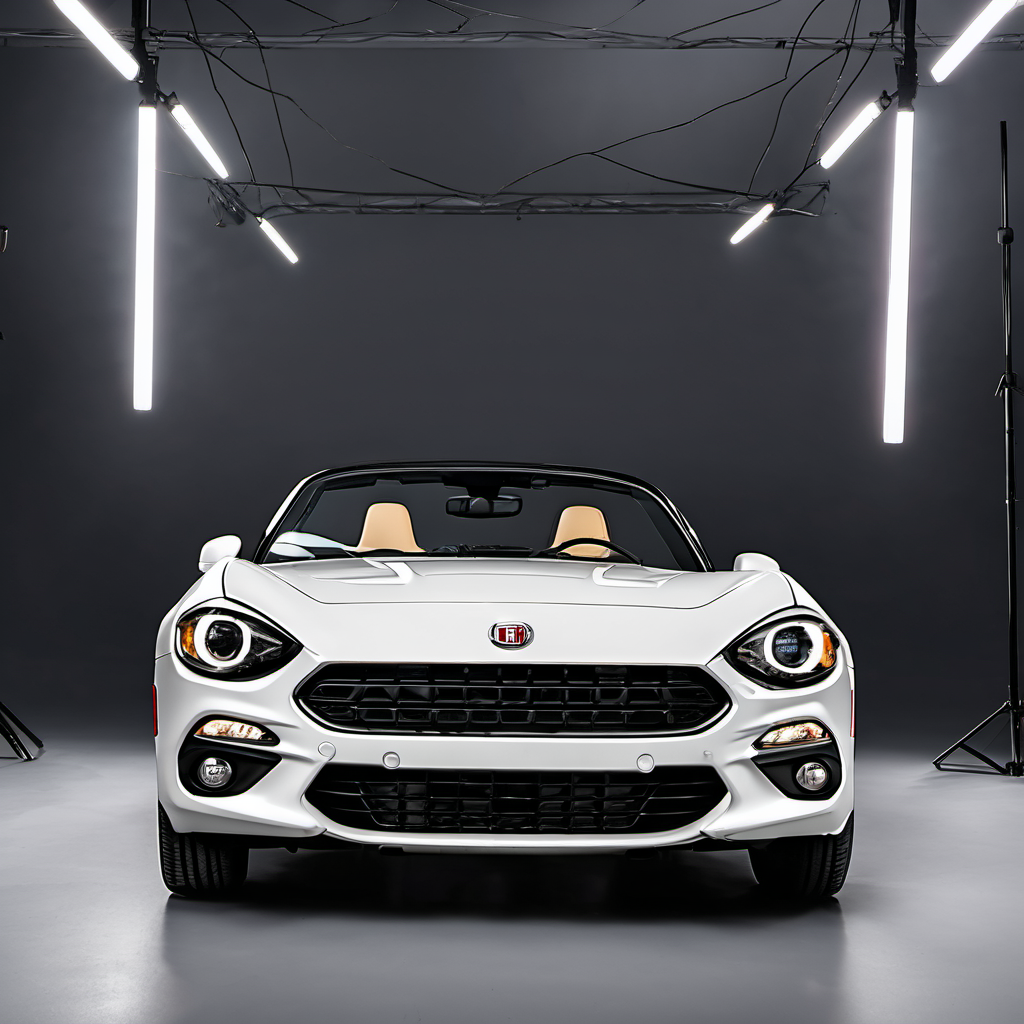
Built on the same ND Miata platform but with a turbocharged 1.4L engine and Italian styling. Slightly more torque, softer tuning, different character. Rarer, with harder parts sourcing — factor that in for a Wisconsin buyer.
FWD convertible in a similar price range. More practical with a back seat and bigger trunk. Lacks the Miata's driver engagement and RWD dynamics, but a better year-round option for Wisconsin if top-down is the priority.
No catalog match