2020 BMW 5 Series Sedan
Popular pick

2020 BMW

5 SeriesSedan

Sedan

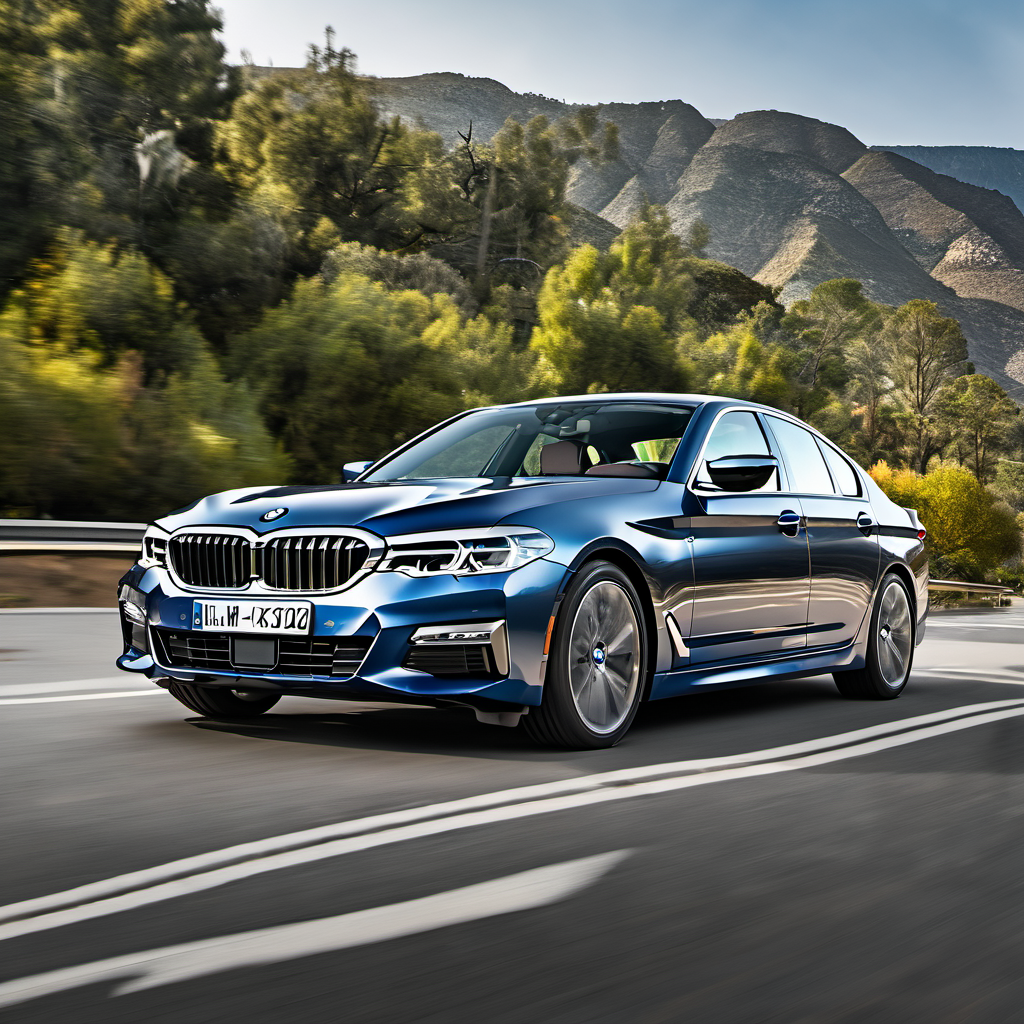
The 2020 BMW 5 Series (G30 generation) is a midsize luxury sedan that strikes a balance between genuine driving engagement and everyday comfort. BMW refreshed this generation for 2020 with updated iDrive software, revised styling, and expanded driver-assistance features, keeping it competitive against the Mercedes E-Class and Audi A6. The 530i — the volume-leader trim — uses a turbocharged 2.0L inline-4, while the 540i steps up to a 3.0L turbocharged inline-6. Both are rear-wheel drive as standard, with xDrive all-wheel drive available. On the road, the 5 Series feels more athletic than most competitors. The steering is precise, the chassis communicates well, and the cabin is genuinely quiet at highway speeds. Rear-seat legroom is generous for the segment. The 12.3-inch iDrive infotainment system was among the best in class in 2020, though it has a learning curve. Ownership costs run above average — parts pricing, 10,000-mile oil change intervals using 0W-20 full synthetic, and specialty fluids add up. Budget accordingly, and this car rewards with a premium experience and strong resale value.

Reliability
3/5
Verified data
Specs shown for 530i — the most common configuration. Other trims may vary in engine, drivetrain, or fuel economy. Sign in to see your vehicle's exact specs.
Engine
[object Object]
Drivetrain
RWD
Fuel
Premium gasoline
MPG
25 city / 33 hwy / 28 combined
Seats
Doors
Body
Midsize Cars
Length
194.6 inches

Overview

AI-curated

The 2020 BMW 5 Series (G30 generation) is a midsize luxury sedan that strikes a balance between genuine driving engagement and everyday comfort. BMW refreshed this generation for 2020 with updated iDrive software, revised styling, and expanded driver-assistance features, keeping it competitive against the Mercedes E-Class and Audi A6. The 530i — the volume-leader trim — uses a turbocharged 2.0L inline-4, while the 540i steps up to a 3.0L turbocharged inline-6. Both are rear-wheel drive as standard, with xDrive all-wheel drive available. On the road, the 5 Series feels more athletic than most competitors. The steering is precise, the chassis communicates well, and the cabin is genuinely quiet at highway speeds. Rear-seat legroom is generous for the segment. The 12.3-inch iDrive infotainment system was among the best in class in 2020, though it has a learning curve. Ownership costs run above average — parts pricing, 10,000-mile oil change intervals using 0W-20 full synthetic, and specialty fluids add up. Budget accordingly, and this car rewards with a premium experience and strong resale value.

Known for
  • Sharp, rear-wheel-drive handling dynamics
  • Quiet, high-quality cabin with lots of tech
  • Strong inline-6 power in 540i trim
  • 10,000-mile oil change intervals (full synthetic)
Best for
  • Highway commuters who value driving feel
  • Buyers stepping up from entry-luxury
  • Owners who keep up with maintenance schedules
Watch for
  • Cooling system leaks (water pump, thermostat housing) are a known recurring issue
  • iDrive infotainment freezes and reboots reported across 2017–2020
  • Transmission rough-shifting if fluid service is skipped
  • Premium fuel required — budget for higher fuel costs
  • Electronic parking brake can develop faults

Common issues by mileage

6 known

Coolant Leak — Water Pump / Thermostat Housing

high
Typically appears
60–90k mi
Estimated repair
$450 – $800

iDrive Infotainment Freeze / Reboot

high
Typically appears
40–80k mi
Estimated repair
$800 – $1,500

Transmission Rough Shifting / Hesitation (8-Speed Auto)

medium
Typically appears
50–80k mi
Estimated repair
$400 – $3,500

EVAP System — Incorrect Purge Flow

medium
Typically appears
55–80k mi
Estimated repair
$150 – $350

System Running Lean / Vacuum Leak (Bank 1)

low
Typically appears
70–100k mi
Estimated repair
$200 – $450

Maintenance schedule

  1. 1
    Every 10,000 miles or 12 months Engine oil and filter change — 6.9 qts 0W-20 full synthetic

    BMW's service interval is 10k miles, but the oil life monitor can stretch this longer. In Wisconsin winter driving (lots of short trips, cold starts), err toward the 10k-mile trigger rather than the monitor alone. Use only 0W-20 full synthetic meeting BMW LL-01 spec.

  2. 2
    Every 20,000 miles Cabin air filter replacement

    Wisconsin road debris, pollen, and winter salt dust load up the cabin filter faster than the 20k interval suggests. Inspect annually and replace if restricted.

  3. 3
    Every 30,000 miles Engine air filter replacement

    Dirty filter hurts the MAF sensor reading, which on this engine can trigger lean-condition codes. Replace on schedule.

  4. 4
    Every 24,000 miles or 2 years Brake fluid flush — DOT 4

    DOT 4 absorbs moisture over time, lowering boiling point. Wisconsin winters and summer highway drives both stress brakes. Two-year interval is non-negotiable on a performance-tuned brake system.

  5. 5
    Every 60,000 miles Transmission fluid service — BMW ATF (9.5 qts)

    BMW markets this as 'lifetime' fluid, but 60k changes dramatically extend 8-speed transmission life and prevent the rough-shifting issues reported across this generation.

  6. 6
    Every 2 years or if low Coolant inspection and top-off — BMW HT-12 (blue)

    Only use BMW HT-12 or compatible coolant. Mixing types causes corrosion that accelerates the water pump and thermostat housing failures this generation is known for.

  7. 7
    Annually — before winter Battery load test

    BMW uses an IBS (Intelligent Battery Sensor) that must be registered when replacing. In Lake Geneva winters, a marginal battery will fail. Test every fall — replace before it leaves you stranded.

  8. 8
    Every spring Full undercarriage wash and inspection for road salt corrosion

    Wisconsin roads are heavily salted. Inspect brake lines, subframe, and suspension components for rust every spring. Catch surface rust before it becomes structural.

Always defer to the manufacturer's service manual for warranty-mandated intervals.

Cost of ownership

Annual maintenance
$900 – $2,200
Fuel
Premium (91+ octane) required. At 28 MPG combined and ~15,000 miles/year, expect roughly $2,100–$2,600/year at current Upper Midwest premium prices.
Insurance
Expect $1,400–$2,200/year in Wisconsin for full coverage, depending on driving record and trim. Luxury classification and higher repair costs push rates above average.

The 5 Series costs noticeably more to own than a comparable domestic sedan. Parts carry a European luxury premium, labor requires BMW-trained technicians or experienced independents, and the car demands premium fuel. Routine years (oil, filters, fluids) run $900–$1,400 at a good independent shop. A year with a cooling system repair or iDrive work can push $2,000–$3,500. Budget a small reserve fund for unplanned repairs — this is not a car to own on a tight maintenance budget.
Seasonal care

Lake Geneva, WI
Winter
  • Battery load test every fall — BMW's IBS sensor complicates replacement, so get ahead of it. Sub-zero temps will expose any weakness in a battery over 4 years old.
  • Switch to winter tires on separate rims. The 5 Series is RWD; all-season tires are inadequate on Lake Geneva's salted and often icy roads. Winter tires make a real safety difference.
  • Use a battery tender if the car sits more than a week. The 5 Series has significant parasitic draw from electronics and will drain a battery in extended storage.
  • Top off washer fluid with a -20°F or lower rated fluid before temps drop. The reservoir is large and runs through fast in winter driving.
  • Check tire pressure monthly — every 10°F drop in temperature costs roughly 1 PSI. Under-inflated tires in winter hurt both handling and fuel economy.
  • After snow events, flush wheel wells and undercarriage to remove road salt. Pay special attention to brake line routing and suspension joints.
Summer
  • Check tire pressure weekly in heat — asphalt temps can cause overinflation and uneven wear on performance-spec tires.
  • Inspect the A/C system operation early in the season. The condenser sits up front and can take stone damage; refrigerant leaks are easier to address before peak heat.
  • Monitor coolant level and condition closely in summer — this generation's cooling system works hardest in heat. If you see the temp gauge creeping up, pull over immediately.
  • Check engine air filter before summer — heat soak in the engine bay is harder on a dirty filter and can trigger lean codes on the MAF sensor.
  • Park in shade when possible — the iDrive screen and interior materials are sensitive to prolonged direct sun exposure.

Comparable vehicles

If you're shopping for one

Red flags
  • No BMW service history or proof of oil changes on schedule
  • Any sign of coolant residue, white deposits near hoses, or sweet smell — cooling system repairs can cascade quickly
  • iDrive system unresponsive, rebooting, or showing error messages at startup
  • Transmission warning light history or rough shifting in test drive
  • Signs of deferred maintenance (dirty cabin filter, old brake fluid, worn wipers) — suggests owner cut corners across the board
  • Aftermarket tune or performance modifications — voids emission compliance, stresses VANOS and turbo systems, and complicates any future warranty claims
What to inspect
  • Pull codes before purchase — check specifically for VANOS-related codes (P0012, P0015, P0022, P0025) and network bus faults (U0100–U0104), which signal expensive repairs ahead.
  • Pressure-test the cooling system. Coolant leaks from water pump and thermostat housing are common by 60–75k miles. Look for residue around these components and check the overflow bottle for discoloration.
  • Test the iDrive system thoroughly — navigate menus, connect Bluetooth, test navigation. Screen freezes or slow response are red flags for an expensive module repair.
  • Check transmission shift quality through all gears including manual mode. Any shudder, hesitation, or harsh engagement warrants a fluid check and possible pre-purchase negotiation.
  • Inspect underbody for rust, especially brake lines, subframe mounting points, and fuel lines — critical on any Wisconsin car.
  • Verify BMW service history. A 5 Series without documented 10k-mile oil changes or a long gap in records is a hard pass at any price.
AI profile generated 4 days ago · claude-sonnet-4-6 · v2.