Excessive Oil Consumption
medium- Typically appears
- 40–80k mi
- Estimated repair
- $0 – $300
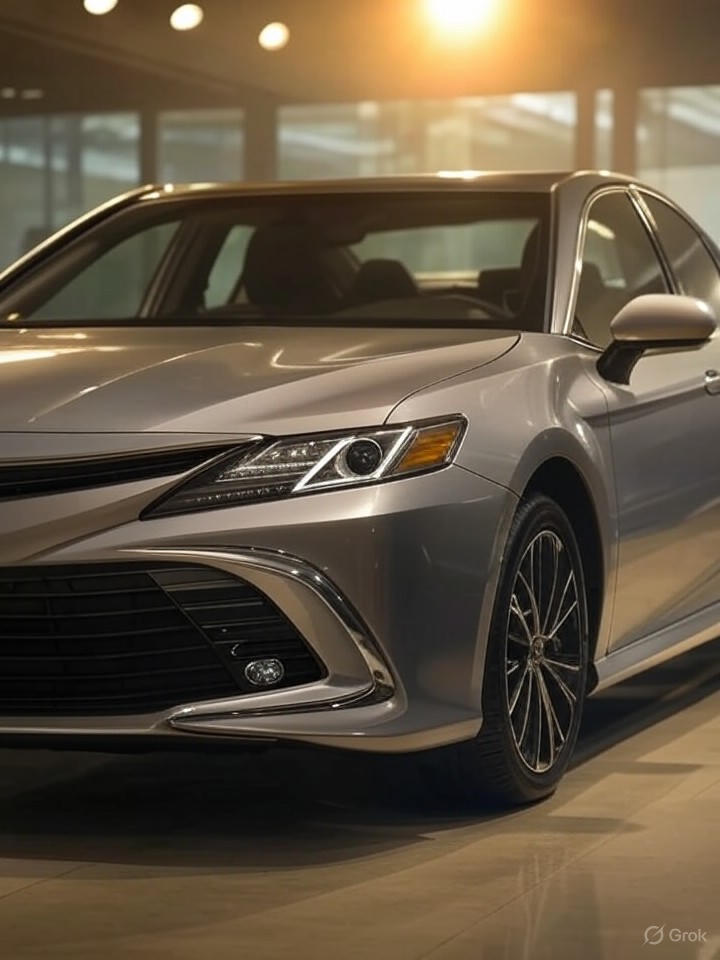
2019 Toyota
2.5L I4 A25A-FKS DOHC · Sedan
The 2019 Toyota Camry represents the second model year of the eighth-generation (XV70) platform — a significant redesign that finally gave the Camry sharper styling, a more engaging chassis, and a genuinely modern interior. Built in Georgetown, Kentucky, this generation shed its reputation for blandness without sacrificing the dependability Toyota owners expect. The base 2.5L four-cylinder produces a class-competitive 203 hp while returning 32 mpg combined, making it a strong daily driver for anyone who puts a lot of miles on their car. Toyota Safety Sense 2.0 — including pre-collision braking, lane departure alert with steering assist, and dynamic radar cruise control — comes standard on every 2019 Camry trim. That's a meaningful safety advantage over some competitors that still charge extra for these features. Apple CarPlay and Android Auto are also standard for 2019, an upgrade from the prior year's Apple CarPlay–only setup. The A25A-FKS engine uses a high 13.0:1 compression ratio and Toyota's dual variable valve timing (VVT-iE intake + VVT-i exhaust), which contributes to efficiency but also demands 0W-20 full synthetic oil and clean oil to protect the VVT system. Owners who stretch oil changes or ignore oil level between changes are the ones who run into trouble with this engine.
The 2019 Toyota Camry represents the second model year of the eighth-generation (XV70) platform — a significant redesign that finally gave the Camry sharper styling, a more engaging chassis, and a genuinely modern interior. Built in Georgetown, Kentucky, this generation shed its reputation for blandness without sacrificing the dependability Toyota owners expect. The base 2.5L four-cylinder produces a class-competitive 203 hp while returning 32 mpg combined, making it a strong daily driver for anyone who puts a lot of miles on their car. Toyota Safety Sense 2.0 — including pre-collision braking, lane departure alert with steering assist, and dynamic radar cruise control — comes standard on every 2019 Camry trim. That's a meaningful safety advantage over some competitors that still charge extra for these features. Apple CarPlay and Android Auto are also standard for 2019, an upgrade from the prior year's Apple CarPlay–only setup. The A25A-FKS engine uses a high 13.0:1 compression ratio and Toyota's dual variable valve timing (VVT-iE intake + VVT-i exhaust), which contributes to efficiency but also demands 0W-20 full synthetic oil and clean oil to protect the VVT system. Owners who stretch oil changes or ignore oil level between changes are the ones who run into trouble with this engine.
FWD layout puts most wear on the front tires. Rotating on schedule evens wear and extends tire life significantly — especially important before Wisconsin winters when even tread depth is critical for traction.
Toyota's stated interval is 10,000 miles, but given the documented oil consumption tendency on the A25A-FKS, we recommend checking the dipstick every 3,000–4,000 miles between changes. Never let it drop more than a quart low. The VVT system is first to suffer from low or dirty oil.
Wisconsin gravel roads and fall leaf debris clog air filters faster than purely highway driving. A dirty cabin filter also strains the HVAC blower motor. Both are easy DIY jobs.
Brake fluid is hygroscopic and absorbs moisture over time, lowering boiling point. With Wisconsin's freeze-thaw cycles, fresh fluid also reduces the risk of moisture-related caliper corrosion.
Toyota marks WS fluid as 'lifetime,' but in real-world use — especially stop-and-go traffic — fluid degrades and dark fluid has been linked to the rougher shifts reported by some owners. Use only Toyota WS ATF; other fluids can cause shift quality issues.
Toyota's pink SLLC is a long-life formula, but it still degrades. Using the correct pink coolant matters — mixing with standard green coolant degrades both and can cause water pump seal issues.
The A25A-FKS uses long-life iridium plugs. If oil consumption is present, inspect plugs earlier (around 80–90k) for carbon fouling, which can cause misfires before the scheduled replacement interval.
Sub-zero temps can kill a marginal battery overnight. Swap to winter-rated wiper blades before the first freeze and fill washer fluid with a -20°F or colder rated formula — Lake Geneva regularly sees temps where standard fluid will freeze solid on the windshield.
Always defer to the manufacturer's service manual for warranty-mandated intervals.
The 2019 Camry is one of the cheaper midsize sedans to own over time. Parts are widely available, independent shops are very familiar with the platform, and nothing on it is exotic or expensive to source. The main budget wildcard is oil consumption — if your example burns oil, add $50–$100/year in top-up oil costs and consider slightly shorter oil change intervals. Brake pads are a more frequent expense than advertised if you drive in town. Outside of those two items, annual maintenance costs are modest and predictable.
No comparable vehicles documented yet.