Touchscreen failure / MCU eMMC memory wear
high- Typically appears
- 30–80k mi
- Estimated repair
- $0 – $500
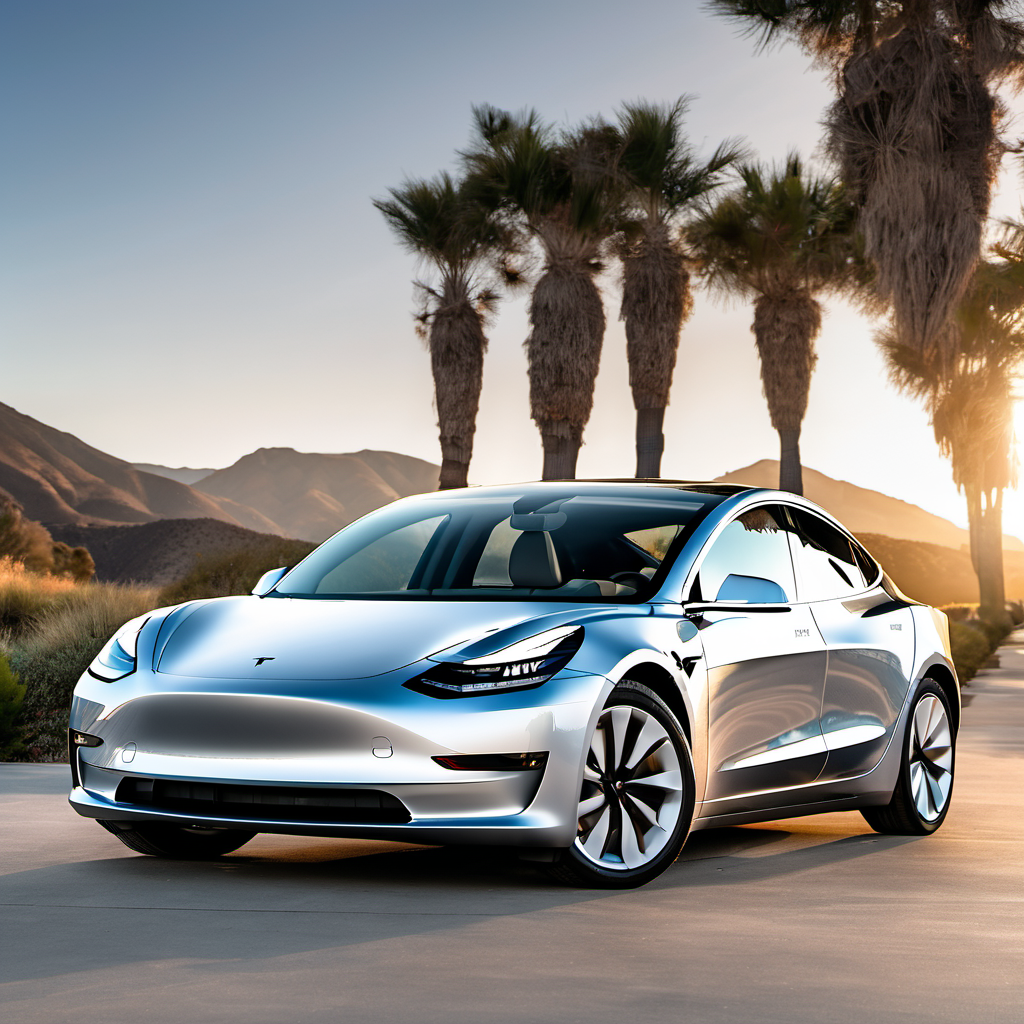
2019 Tesla
Sedan
The 2019 Tesla Model 3 is a fully electric, rear-wheel-drive compact sedan that reshaped what buyers expect from an everyday EV. It offers a large touchscreen-centric interior, over-the-air software updates, and genuine performance — the Standard Range Plus hits 0–60 in about 5.3 seconds, while the Long Range and Performance trims push well below 4 seconds. For most commuters it represents a significant drop in day-to-day running costs compared to a comparable gasoline sedan. 2019 was a high-production ramp year for the Model 3, which brings some benefits (improved build consistency vs. 2018) and some watch-outs (panel gaps and fit-and-finish issues were still reported more often than class average). Tesla's software-defined architecture means many features can improve over time, but it also means some repairs require factory tooling or a Tesla Service Center. In the Lake Geneva area, range reduction in sub-zero temperatures is the primary practical concern — plan on roughly 20–40% fewer miles per charge on the coldest winter days. Otherwise this is a mechanically simple car with no transmission, no exhaust, and no oil to change.
The 2019 Tesla Model 3 is a fully electric, rear-wheel-drive compact sedan that reshaped what buyers expect from an everyday EV. It offers a large touchscreen-centric interior, over-the-air software updates, and genuine performance — the Standard Range Plus hits 0–60 in about 5.3 seconds, while the Long Range and Performance trims push well below 4 seconds. For most commuters it represents a significant drop in day-to-day running costs compared to a comparable gasoline sedan. 2019 was a high-production ramp year for the Model 3, which brings some benefits (improved build consistency vs. 2018) and some watch-outs (panel gaps and fit-and-finish issues were still reported more often than class average). Tesla's software-defined architecture means many features can improve over time, but it also means some repairs require factory tooling or a Tesla Service Center. In the Lake Geneva area, range reduction in sub-zero temperatures is the primary practical concern — plan on roughly 20–40% fewer miles per charge on the coldest winter days. Otherwise this is a mechanically simple car with no transmission, no exhaust, and no oil to change.
The Model 3 is heavier than it looks and regenerative braking doesn't eliminate uneven wear, especially at the rear on RWD models. Skipping rotations is the #1 reason owners need new tires prematurely.
Tesla recommends every 2 years. Wisconsin road dust, pollen, and salt particles clog it faster than you might expect.
Because regen braking does most of the work, brake fluid sees little heat cycling but still absorbs moisture over time. Wet fluid lowers the boiling point — critical for the rare hard stop.
Use fluid rated to at least -20°F. The Model 3 has no engine heat to warm the reservoir; frozen washer fluid on a Wisconsin January commute is a real safety issue.
Because the brakes are rarely fully applied, road salt from Wisconsin winters can seize rear calipers. An annual inspection and lubrication catches this before it becomes a caliper replacement.
The 12V battery is a known weak point on Model 3s. It can fail without much warning and strands the car — the main pack cannot start the car if the 12V is dead.
Tesla specifies coolant replacement at this interval. The battery cooling loop is separate from typical ICE systems; use only Tesla-approved coolant to avoid corrosion in the aluminum passages.
The electric presenting door handles are a known failure point and can freeze in Wisconsin winters. A light application of dielectric grease on the mechanism each fall reduces failures significantly.
Always defer to the manufacturer's service manual for warranty-mandated intervals.
Day-to-day running costs are genuinely lower than a comparable gasoline sedan — no oil changes, no spark plugs, minimal brake work. However, when something does go wrong, parts and labor are often Tesla-specific and expensive. Budget for a 12V battery replacement somewhere in the 3–5 year window, and keep an eye on tire wear (these cars eat tires faster than their curb weight suggests).
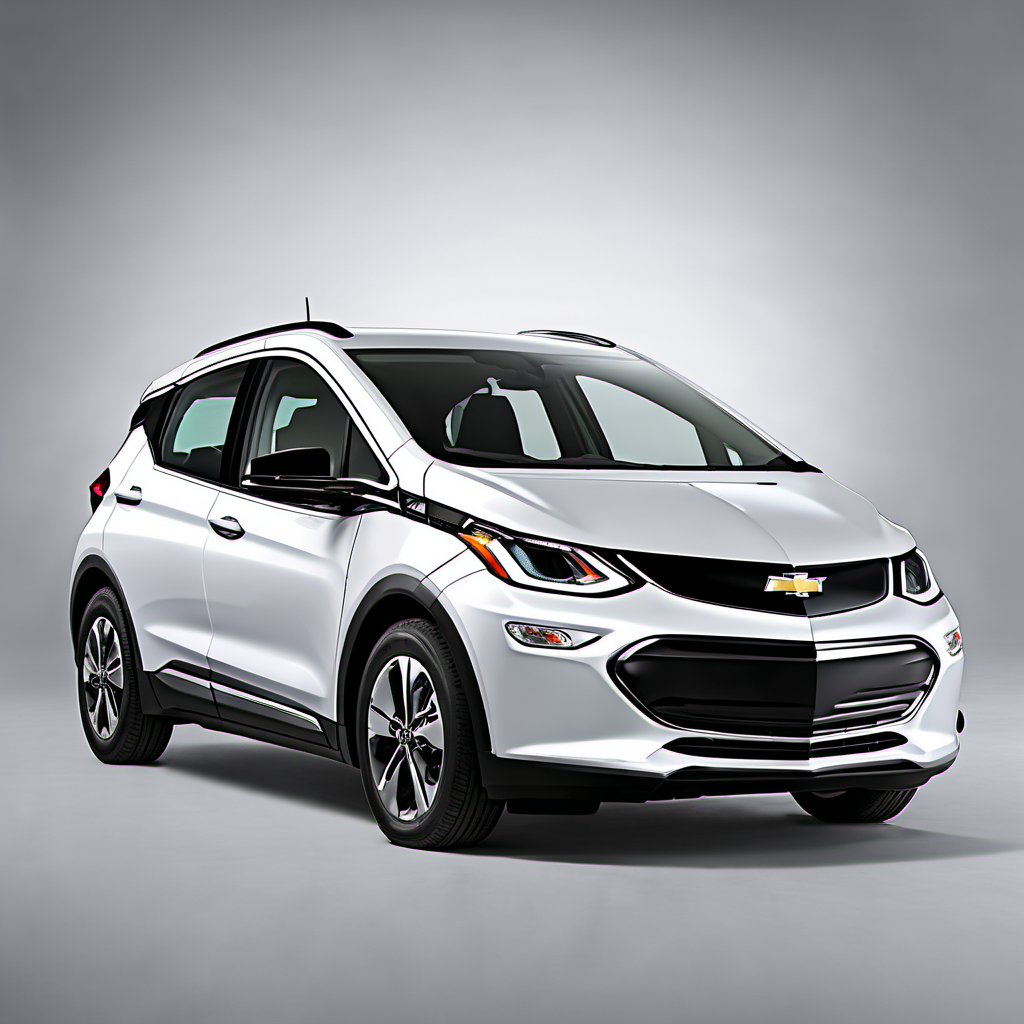
Similar price point and range, fully electric, better cold-weather battery management in some real-world tests. Front-wheel drive versus Model 3's RWD makes it more predictable in Wisconsin snow without winter tires.
Near-identical price and mission as a sporty compact sedan. Internal combustion means easier winter starting and broader service network in the Lake Geneva area, but significantly higher running costs.
No catalog match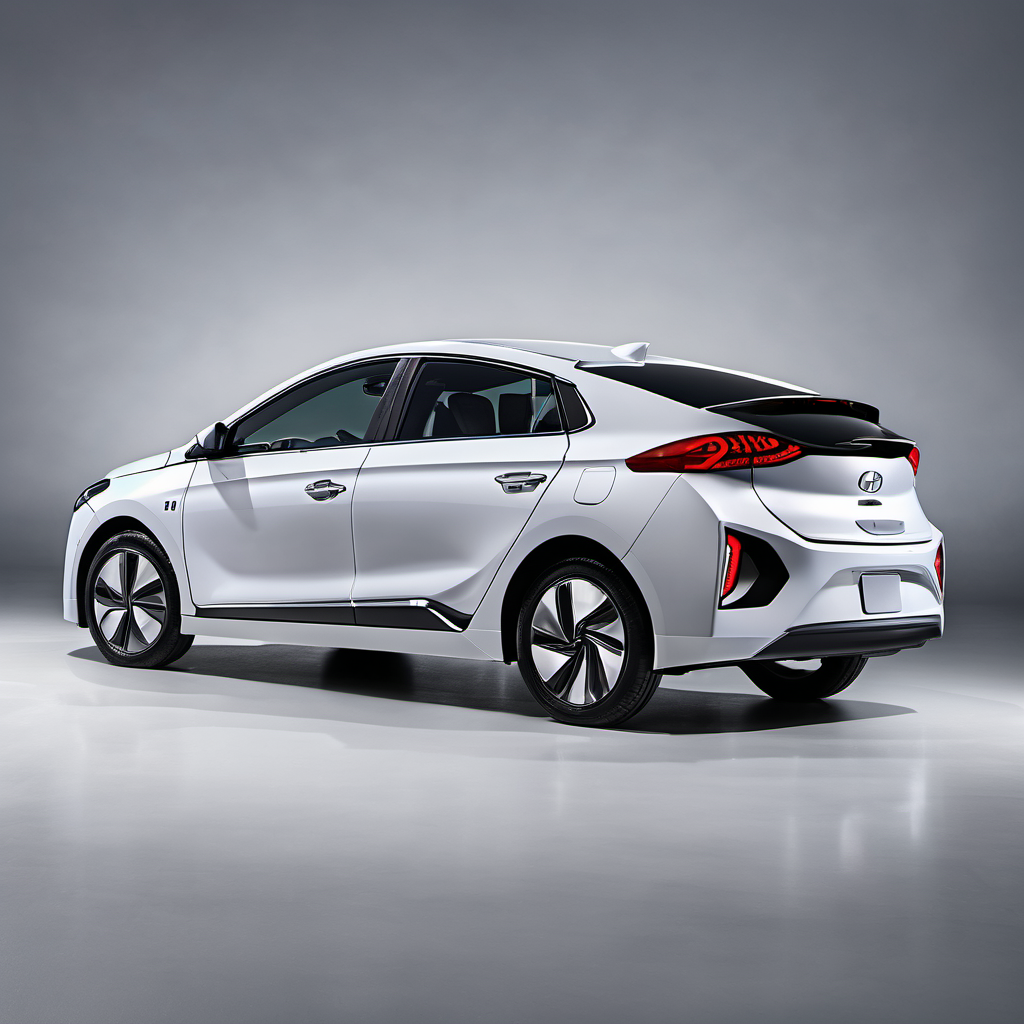
Smaller range but strong reliability scores, better than average cold weather battery retention relative to its EPA rating, and backed by a broader dealer service network. Lower price tag than the Model 3.
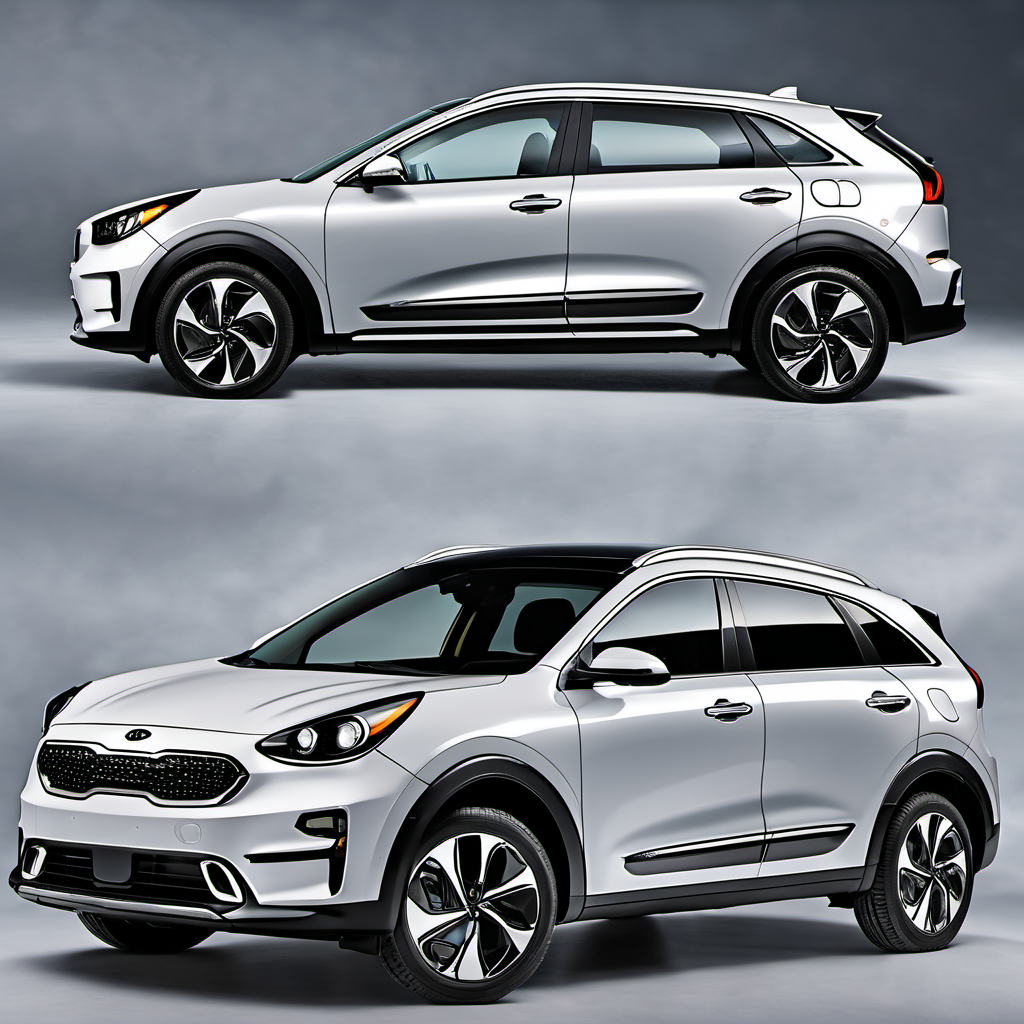
Similar segment and fully electric. FWD improves traction in snow, standard charging on broad DC networks, and Kia's dealer network means service is more accessible than Tesla's nearest service center.