ZF 9-Speed Transmission Shudder / Harsh Shifts
high- Typically appears
- 20–80k mi
- Estimated repair
- $200 – $1,800
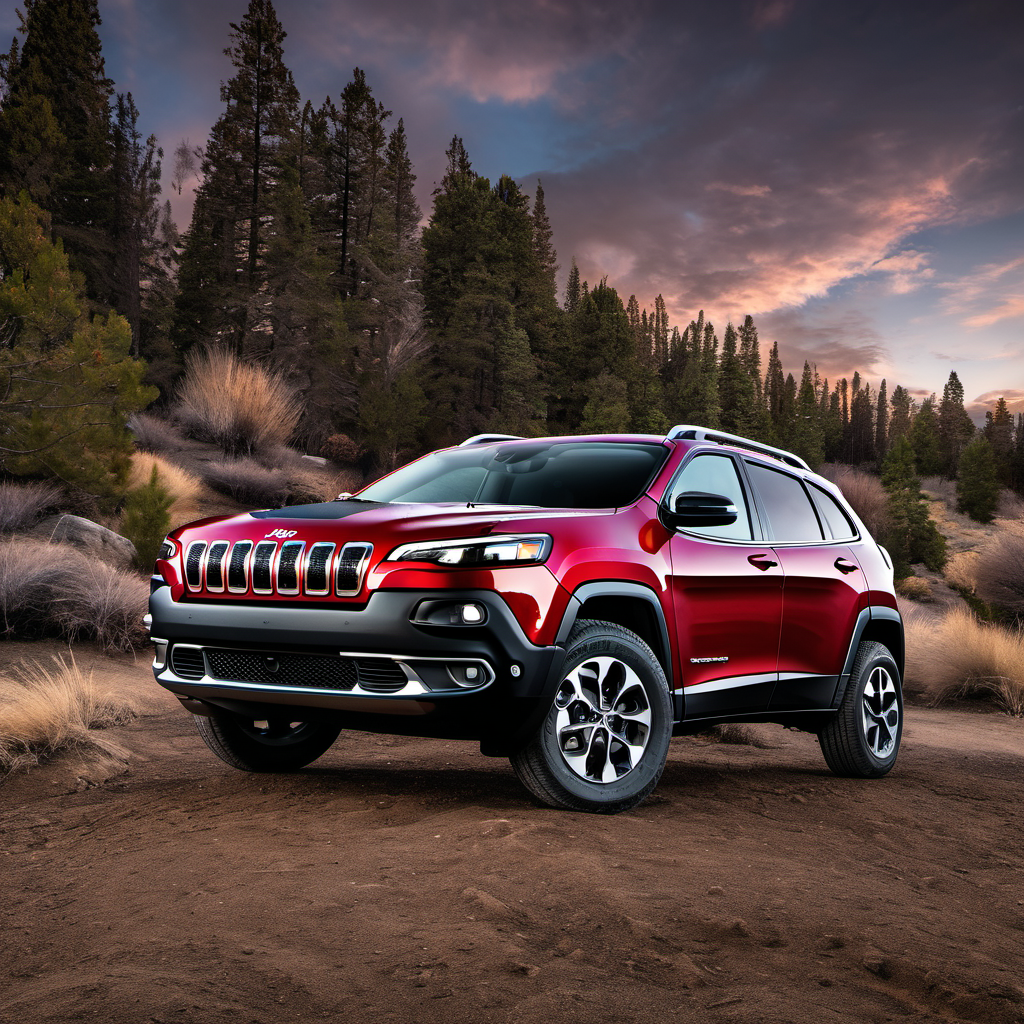
2019 Jeep
2.4L I4 Tigershark · SUV
The 2019 Jeep Cherokee is a compact crossover SUV in its fifth generation (KL platform), offered in a wide range of trims from the base Sport to the top-tier Overland and Trailhawk. For 2019, Jeep made a significant update: the 2.4L Tigershark four-cylinder returned as the base engine, and a new 2.0L turbocharged four-cylinder was added to replace the outgoing 3.2L Pentastar V6 — though the V6 was retained on some trims. The nine-speed automatic transmission carries over, and 4WD systems range from Active Drive I to Active Drive Lock depending on trim. The Cherokee occupies an interesting space — it's more capable off-road (especially in Trailhawk guise) than most compact crossovers, but it competes daily against polished commuter-oriented entries like the Honda CR-V and Toyota RAV4. Interior quality and tech features improved with the 2019 refresh, but long-term reliability remains a mixed bag driven largely by the ZF 9-speed transmission's track record and the new 2.0T engine's early-ownership history. For Lake Geneva-area drivers, the available 4WD system is a genuine asset in Wisconsin winters. That said, owners should be prepared for above-average dealer/shop attention compared to Japanese competitors — the Cherokee rewards attentive maintenance but punishes neglect.
The 2019 Jeep Cherokee is a compact crossover SUV in its fifth generation (KL platform), offered in a wide range of trims from the base Sport to the top-tier Overland and Trailhawk. For 2019, Jeep made a significant update: the 2.4L Tigershark four-cylinder returned as the base engine, and a new 2.0L turbocharged four-cylinder was added to replace the outgoing 3.2L Pentastar V6 — though the V6 was retained on some trims. The nine-speed automatic transmission carries over, and 4WD systems range from Active Drive I to Active Drive Lock depending on trim. The Cherokee occupies an interesting space — it's more capable off-road (especially in Trailhawk guise) than most compact crossovers, but it competes daily against polished commuter-oriented entries like the Honda CR-V and Toyota RAV4. Interior quality and tech features improved with the 2019 refresh, but long-term reliability remains a mixed bag driven largely by the ZF 9-speed transmission's track record and the new 2.0T engine's early-ownership history. For Lake Geneva-area drivers, the available 4WD system is a genuine asset in Wisconsin winters. That said, owners should be prepared for above-average dealer/shop attention compared to Japanese competitors — the Cherokee rewards attentive maintenance but punishes neglect.
The ZF 9-speed is sensitive to fluid condition. Degraded ATF is the primary cause of shudder and harsh shifting. Use only ZF-approved fluid (FCA MS-12145). This is the single highest-impact maintenance item on this vehicle.
The Tigershark 2.4L and 2.0T both require SAE 0W-20 meeting FCA MS-6395 spec. Using the wrong viscosity or stretching intervals contributes directly to VVT solenoid sludging and the cam timing codes documented above.
A marginal battery is the leading trigger for U-code module communication faults on this platform. Cold cranking demand in sub-zero temps will expose a weak battery instantly. Replace proactively if the battery is 4+ years old.
Salt corrosion seizes slide pins, causing one-sided pad wear and dragging calipers. A simple clean-and-grease during a brake inspection prevents expensive early caliper replacements.
Wisconsin road dust, pollen, and winter debris clog the cabin filter faster than the service manual suggests. A restricted filter strains the HVAC blower motor and reduces defroster effectiveness.
Active Drive 4WD uses a power transfer unit (PTU) and rear drive module (RDM), both with their own fluid. These are frequently overlooked and failure is expensive. Inspect and change if dark or contaminated.
Lake Geneva roads are heavily salted. Early detection of rust on brake lines, exhaust hangers, and subframe mounting points prevents small issues from becoming safety problems.
The 2.4L Tigershark uses iridium plugs rated for 60k miles. Worn plugs increase misfire risk and can worsen fuel economy noticeably on the highway.
Always defer to the manufacturer's service manual for warranty-mandated intervals.
The Cherokee costs more to maintain annually than Japanese compact SUV rivals, driven by transmission fluid sensitivity, more frequent brake service in salt country, and electronics that can need dealer-level software flashing. Budget on the higher end if you have the 2.0T or if the vehicle sees a lot of winter driving. Parts availability is good and independent shops can handle most work — no need to default to dealer pricing on routine service.
No comparable vehicles documented yet.