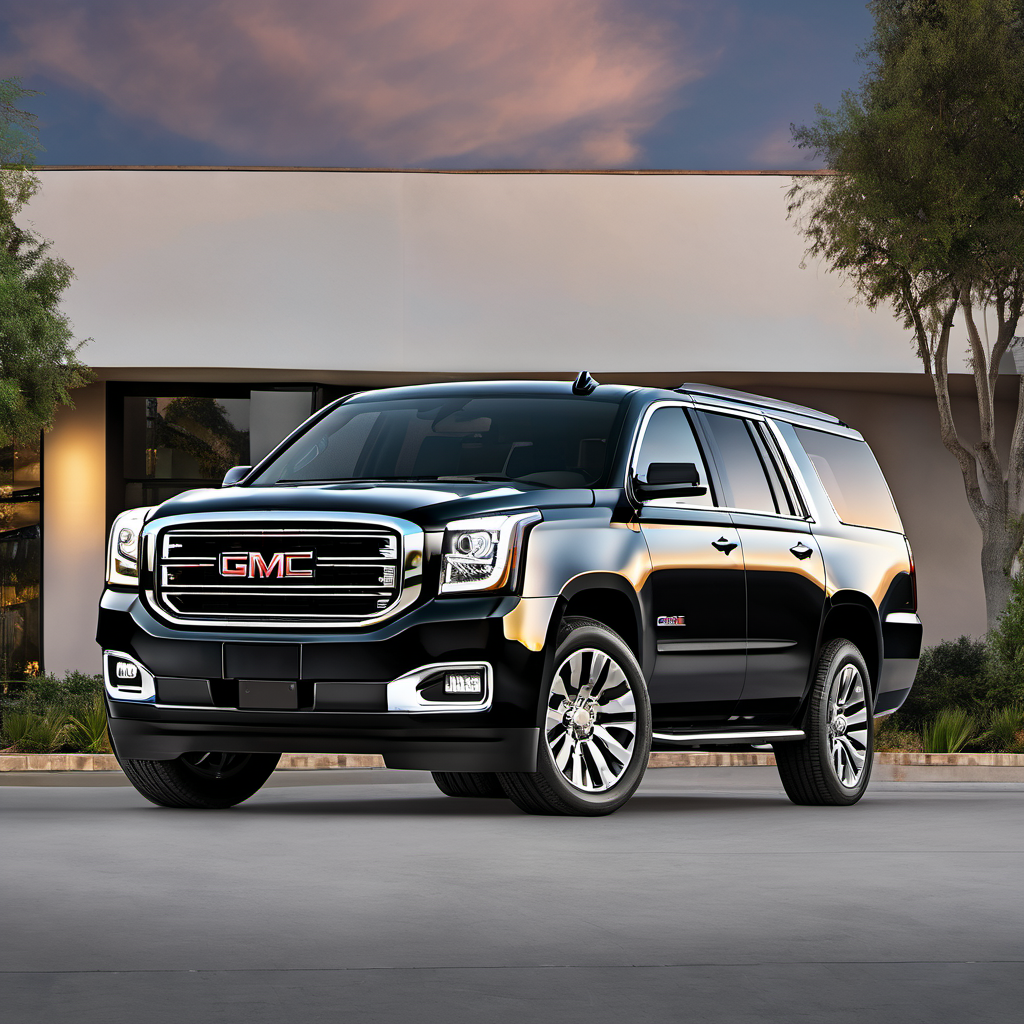
2019 GMC Yukon XL SUV

2019 GMC

Yukon XLSUV

5.3L V8 EcoTec3 with AFM · SUV

The 2019 GMC Yukon XL is the stretched, full-size version of the Yukon, riding on GM's K2 truck platform with a 130-inch wheelbase and 224 inches of overall length. It seats up to 9 passengers, hauls up to 8,100 lbs, and provides genuine three-row family hauling without the compromises of a crossover. This generation (2015–2020) received a significant refresh in 2015 with the current EcoTec3 5.3L V8 featuring Active Fuel Management (cylinder deactivation) and direct injection. In daily use it strikes a balance between work-truck muscle and family luxury. The long wheelbase provides a smooth highway ride and class-leading third-row legroom, but makes urban parking and tight garage fitment a real consideration. Fuel economy is modest for a vehicle this size — expect real-world averages of 14–16 mpg in mixed Wisconsin driving with the heater and 4WD engaged. For buyers in the Lake Geneva area, the Yukon XL is a capable winter vehicle when properly equipped. The 4WD system with its low-range transfer case is genuinely useful in snow, and ground clearance of 8 inches clears most Wisconsin road conditions. The main ownership watchouts are the known transmission shudder, broken exhaust manifold bolts, and frame corrosion if undercoating is neglected.

Reliability
3/5
Verified data
Engine
[object Object]
Drivetrain
4WD
Fuel
Gasoline
MPG
14 city / 22 hwy / 17 combined
Seats
9
Doors
4
Body
SUV
MSRP
$54,000

Overview

AI-curated

The 2019 GMC Yukon XL is the stretched, full-size version of the Yukon, riding on GM's K2 truck platform with a 130-inch wheelbase and 224 inches of overall length. It seats up to 9 passengers, hauls up to 8,100 lbs, and provides genuine three-row family hauling without the compromises of a crossover. This generation (2015–2020) received a significant refresh in 2015 with the current EcoTec3 5.3L V8 featuring Active Fuel Management (cylinder deactivation) and direct injection. In daily use it strikes a balance between work-truck muscle and family luxury. The long wheelbase provides a smooth highway ride and class-leading third-row legroom, but makes urban parking and tight garage fitment a real consideration. Fuel economy is modest for a vehicle this size — expect real-world averages of 14–16 mpg in mixed Wisconsin driving with the heater and 4WD engaged. For buyers in the Lake Geneva area, the Yukon XL is a capable winter vehicle when properly equipped. The 4WD system with its low-range transfer case is genuinely useful in snow, and ground clearance of 8 inches clears most Wisconsin road conditions. The main ownership watchouts are the known transmission shudder, broken exhaust manifold bolts, and frame corrosion if undercoating is neglected.

Known for
  • Massive interior with best-in-class third-row legroom
  • 5.3L EcoTec3 V8 that can comfortably exceed 200k miles
  • Strong towing at 8,100 lbs — enough for most boats and trailers
  • Solid 4WD system well-suited to snow and light off-road use
  • Premium GMC trim levels with near-luxury cabin options
Best for
  • Large families needing three functional rows
  • Owners who tow regularly (boats, horse trailers, campers)
  • Wisconsin winters requiring real 4WD capability
  • High-mileage road trippers who value ride comfort
  • Buyers who want truck reliability in an SUV body
Watch for
  • Transmission shudder — a known issue across the 2015–2019 model range
  • Broken exhaust manifold bolts causing loud ticking and exhaust leaks
  • Frame and underbody rust from road salt — critical in the Wisconsin salt belt
  • Active Fuel Management (AFM) lifter wear at higher mileages
  • Infotainment system (IntelliLink) can be sluggish and unresponsive

Common issues by mileage

6 known

Transmission Shudder / Torque Converter

high
Typically appears
40–80k mi
Estimated repair
$150 – $3,000

Broken Exhaust Manifold Bolts

high
Typically appears
60–100k mi
Estimated repair
$400 – $900

AFM / Lifter Failure (Active Fuel Management)

medium
Typically appears
80–150k mi
Estimated repair
$1,800 – $4,500

High-Pressure Fuel Pump Failure

low
Typically appears
80–120k mi
Estimated repair
$1,000 – $2,000

Frame and Underbody Corrosion

high
Typically appears
Any mileage on salt-belt vehicles
Estimated repair
$300 – $2,500

IntelliLink Infotainment Glitches

medium
Typically appears
Any
Estimated repair
$0 – $1,200

Maintenance schedule

  1. 1
    Every 7,500 miles or 12 months Engine Oil Change — 5W-30 Synthetic Blend, 8 qts with filter

    The AFM system is hard on oil. Stretching intervals accelerates lifter wear. Use the GM Oil Life Monitor but don't let it go past 7,500 miles regardless of what the monitor shows, especially if you do a lot of short cold-weather trips.

  2. 2
    Every 45,000 miles Transmission Fluid Service — DEXRON-VI, 12 qts

    Fresh fluid is the first and cheapest fix for the known transmission shudder. Don't skip this service — degraded fluid is a major contributor to torque converter clutch problems on the 6L80 transmission.

  3. 3
    Every winter month during road salt season (November–March) Underbody Wash and Rust Inspection

    Lake Geneva roads are heavily salted. Salt trapped in frame crevices and around brake lines causes rapid corrosion. A $10 coin-op wash bay spray on the undercarriage monthly is cheap insurance.

  4. 4
    Annually before winter, or every 2 years Undercoating / Rust Inhibitor Application

    Proactive undercoating dramatically extends frame, brake line, and fuel line life on Wisconsin vehicles. Have the shop inspect while applying.

  5. 5
    Every 3 years or 45,000 miles Brake Fluid Flush — DOT 3

    DOT 3 is hygroscopic — it absorbs moisture over time, lowering its boiling point and promoting corrosion inside brake lines and calipers. Especially important to keep brake internals clean on a salt-belt vehicle.

  6. 6
    Every 5 years or 150,000 miles DEX-COOL Coolant Flush — 17.6 qts

    DEX-COOL has a long service life but degrades over time. Old coolant loses its corrosion inhibitors, which can damage the aluminum intake manifold and water pump.

  7. 7
    Every 60,000 miles or if submerged in water Differential and Transfer Case Fluid Service

    75W-90 Synthetic in front and rear diffs, AUTO-TRAK II in the transfer case. The transfer case fluid in particular breaks down and can cause chain wear. Wisconsin mud and water crossings accelerate this.

  8. 8
    Every 15,000 miles Cabin Air Filter Replacement

    A clogged cabin filter strains the blower motor and reduces defrost performance — a real problem on cold Wisconsin mornings when you need max airflow on the windshield fast.

Always defer to the manufacturer's service manual for warranty-mandated intervals.

Cost of ownership

Annual maintenance
$900 – $1,800
Fuel
At 17 mpg combined and 15,000 miles/year, expect roughly $2,400–$3,000/year in fuel at current upper Midwest gas prices. Real-world winter driving with 4WD and extended idle warm-ups typically lands closer to 14 mpg, pushing costs to the higher end.
Insurance
Full coverage on a 2019 Yukon XL typically runs $1,400–$2,000/year in the Lake Geneva area, depending on driving history and coverage limits. The large body and high replacement cost push premiums above average for the class.

The Yukon XL is not a cheap vehicle to own, but it's predictable. Routine maintenance is straightforward and parts are widely available at any auto parts store or GM dealer. The big cost wildcards are an AFM lifter failure ($1,800–$4,500) or a transmission rebuild ($2,500–$4,000) — both avoidable with diligent fluid changes and oil change discipline. Rust remediation is the hidden long-term cost for Wisconsin owners who skip undercoating.

Seasonal care

Lake Geneva, WI
Winter
  • Switch to a full synthetic 5W-30 if you're not already using one — it flows significantly better during sub-zero Wisconsin cold snaps and reduces wear on startup when the AFM lifters are most vulnerable.
  • Test and replace the battery proactively if it's over 3 years old. A 5,600+ lb SUV puts a huge load on the battery at -10°F startup. A battery that 'passes' in October can fail in January.
  • Fill the washer fluid reservoir with a -20°F or lower rated fluid. At highway speeds on a Wisconsin winter morning, you'll burn through it fast. Carry a spare jug.
  • Inspect brake lines and fuel lines for corrosion before winter. Salt season is when marginal lines fail. Have the shop look at them during your fall oil change.
  • If the vehicle sits outside, keep the fuel tank at least half full to reduce condensation in the tank and prevent fuel line freeze.
  • Check 4WD engagement before the first snowfall — don't discover a faulty transfer case actuator when you're stuck on a country road in January.
Summer
  • Inspect the A/C system before summer. The compressor on this platform can develop leaks; recharging a system with a leak just delays the real repair.
  • Check tire pressure after the first hot weeks — for every 10°F temperature rise, tires gain about 1 PSI. An overinflated tire at highway speeds on hot pavement wears the center tread prematurely.
  • A vehicle this large and dark-painted will heat-soak quickly. Check that the cooling fan clutch and radiator are clean and functioning; overheating at the boat launch or while idling in traffic is a real risk with the towing load.
  • Flush and inspect the power steering fluid and belts during a summer service — heat is hard on both.

Comparable vehicles

No comparable vehicles documented yet.

AI profile generated 1 mo ago · claude-sonnet-4-6 · v2.