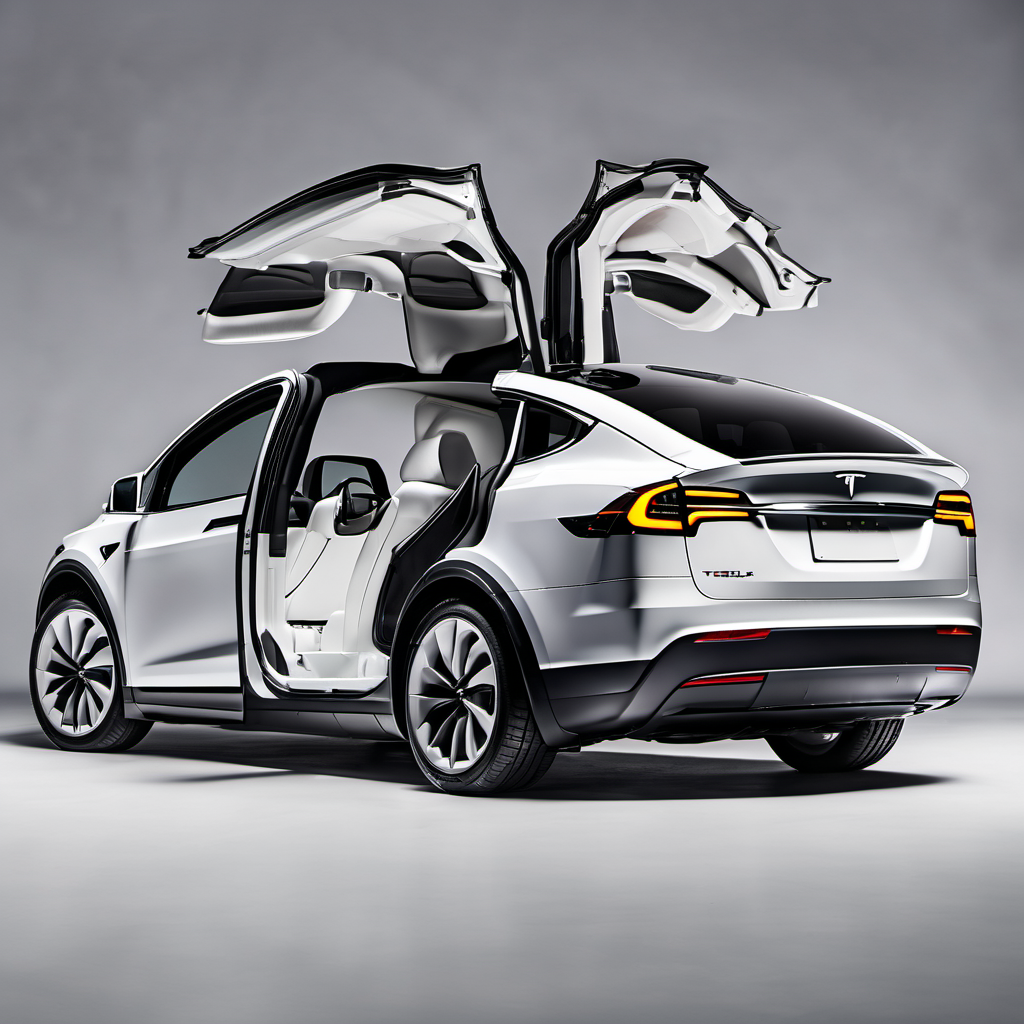
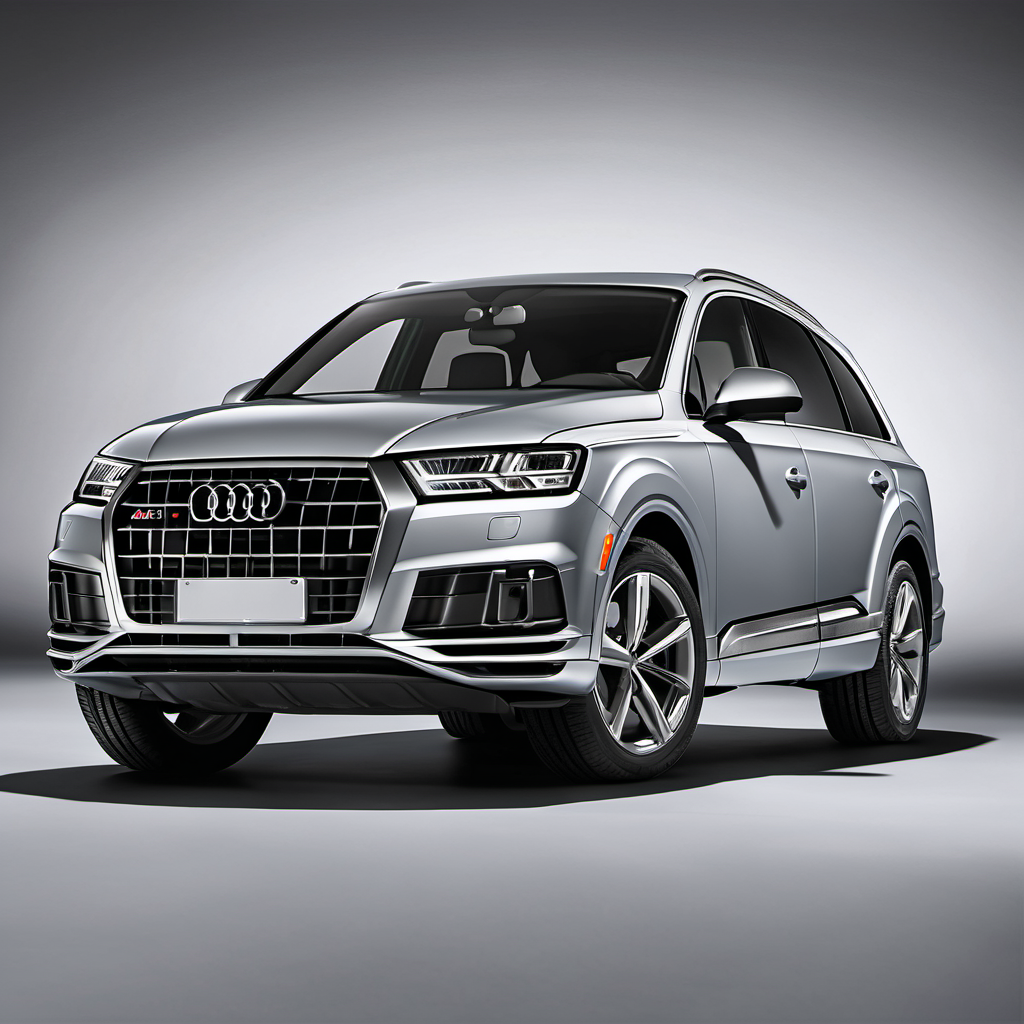
2018 Tesla Model X SUV

2018 Tesla

Model XSUV

SUV

The 2018 Tesla Model X is a full-size all-electric SUV built around a dual-motor AWD platform, available in 75D, 100D, and P100D configurations. It seats up to seven adults across three rows and pairs a substantial EPA range with quick acceleration — the P100D hits 60 mph in under 3 seconds. The Model X is one of the most technologically loaded SUVs ever sold, featuring over-the-air software updates, a massive 17-inch central touchscreen, and Tesla's Autopilot semi-autonomous driver assistance as standard equipment. The signature Falcon Wing rear doors, panoramic windshield, and motorized front doors are engineering showpieces, but they also drive the Model X's reputation for above-average early-ownership issues. Build quality, particularly around doors, trim fitment, and the air suspension, was inconsistent through the 2018 model year — something buyers should factor into their evaluation. Tesla addressed many of these concerns through over-the-air updates and revised parts, but mechanical fixes still require a service visit. For a Lake Geneva-area owner, range reduction in sub-zero temperatures is a real consideration — expect 20–30% range loss on the coldest Wisconsin days. The large battery pack, standard AWD, and available cold-weather package help, but planning charging stops differently in winter is simply part of owning this vehicle.

Reliability
3/5
Verified data
Specs shown for Model X 75D — the most common configuration. Other trims may vary in engine, drivetrain, or fuel economy. Sign in to see your vehicle's exact specs.
Engine
Drivetrain
AWD
Fuel
Electric
MPG
91 city / 95 hwy / 93 combined
Seats
Doors
Body
Standard Sport Utility Vehicle 4WD

Overview

AI-curated

The 2018 Tesla Model X is a full-size all-electric SUV built around a dual-motor AWD platform, available in 75D, 100D, and P100D configurations. It seats up to seven adults across three rows and pairs a substantial EPA range with quick acceleration — the P100D hits 60 mph in under 3 seconds. The Model X is one of the most technologically loaded SUVs ever sold, featuring over-the-air software updates, a massive 17-inch central touchscreen, and Tesla's Autopilot semi-autonomous driver assistance as standard equipment. The signature Falcon Wing rear doors, panoramic windshield, and motorized front doors are engineering showpieces, but they also drive the Model X's reputation for above-average early-ownership issues. Build quality, particularly around doors, trim fitment, and the air suspension, was inconsistent through the 2018 model year — something buyers should factor into their evaluation. Tesla addressed many of these concerns through over-the-air updates and revised parts, but mechanical fixes still require a service visit. For a Lake Geneva-area owner, range reduction in sub-zero temperatures is a real consideration — expect 20–30% range loss on the coldest Wisconsin days. The large battery pack, standard AWD, and available cold-weather package help, but planning charging stops differently in winter is simply part of owning this vehicle.

Known for
  • Falcon Wing rear doors with radar-guided obstacle detection
  • Strong dual-motor AWD traction in all conditions
  • Over-the-air software updates that can change vehicle behavior overnight
  • Significant cold-weather range reduction
  • High purchase price with relatively low routine maintenance cost
Best for
  • Tech-enthusiast families wanting 7-seat capacity
  • Owners who charge primarily at home overnight
  • Drivers who want strong all-weather traction without a combustion drivetrain
  • Highway commuters with predictable, charger-accessible routes
Watch for
  • Falcon Wing door mechanism failures and misalignment
  • Air suspension compressor wear leading to ride-height faults
  • MCU (media control unit) eMMC flash memory failure degrading touchscreen and HVAC control
  • Battery range loss in sustained sub-zero temperatures
  • Body panel fit and trim quality inconsistency from the factory

Common issues by mileage

6 known

MCU1 eMMC Flash Memory Failure

high
Typically appears
40–80k mi
Estimated repair
$1,200 – $2,500

Falcon Wing Door Actuator / Sensor Failure

high
Typically appears
20–60k mi
Estimated repair
$800 – $2,200

Air Suspension Compressor Failure

medium
Typically appears
50–100k mi
Estimated repair
$1,500 – $3,500

Front Motor Bearing / Stator Noise

medium
Typically appears
60–120k mi
Estimated repair
$3,000 – $7,000

Panoramic Windshield Seal / Water Intrusion

medium
Typically appears
0–50k mi
Estimated repair
$400 – $1,200

12V Auxiliary Battery Failure

medium
Typically appears
30–70k mi
Estimated repair
$250 – $500

Maintenance schedule

  1. 1
    Every 6,250 mi or 6 months Rotate tires

    The Model X is heavy (5,400+ lbs) and delivers instant torque to all four wheels. Tires wear faster than on comparable ICE SUVs. Rotation intervals shorter than typical keep wear even and prevent premature replacement.

  2. 2
    Every 2 years Inspect and replace cabin air filters (HEPA + standard)

    Tesla uses a dual-filter HEPA system. In Wisconsin, road dust, pollen, and salt air degrade filtration performance. Clogged filters reduce HVAC efficiency and in-car air quality.

  3. 3
    Every 2 years regardless of mileage Brake fluid replacement

    Regen braking reduces friction brake use significantly, so pads last a long time — but brake fluid still absorbs moisture over time. Wet fluid lowers boiling point, a safety concern especially in panic-stop situations.

  4. 4
    Annually Check and lubricate Falcon Wing door hinges and sensors

    Door hinge pins and obstacle-detection sensors are exposed to Wisconsin road salt and freeze-thaw cycles. Annual inspection and lubrication reduces the risk of sensor misalignment and actuator failures.

  5. 5
    Every 2 years or any time ride height warning appears Inspect air suspension bladders and compressor

    Air suspension failures are a known issue on this generation. Early detection of small leaks is far cheaper than a full compressor or bladder replacement.

  6. 6
    Annually, especially before winter Check 12V auxiliary battery health

    The 12V battery powers the low-voltage systems including door locks, windows, and computer wake-up. A failed 12V battery can leave the car inoperable even with a full high-voltage pack. Cold temperatures accelerate 12V degradation.

  7. 7
    Every fall before first freeze Inspect wiper blades and refill windshield washer fluid (rated to -20°F or lower)

    The Model X's massive panoramic windshield makes visibility critical. Standard washer fluid freezes on contact with cold glass at Lake Geneva temperatures. Use only -20°F or colder rated fluid from October through April.

  8. 8
    Every 4 years Coolant system inspection (battery thermal and motor cooling loops)

    The Model X uses a liquid-cooled battery and motor system. Coolant degrades over time and low coolant or compromised flow can cause thermal management faults, especially relevant during extreme Wisconsin winters and hot summers.

Always defer to the manufacturer's service manual for warranty-mandated intervals.

Cost of ownership

Annual maintenance
$400 – $1,200
Fuel
Roughly $600–$1,000/year charging at home at Wisconsin residential electricity rates (~$0.14–0.17/kWh). Supercharger use on road trips adds to this. Significantly less than equivalent gasoline SUV fuel cost.
Insurance
Expect $2,000–$3,200/year in the Lake Geneva area for a 2018 Model X. High vehicle value, expensive parts, and Tesla-specific repair requirements push premiums above average for this class.

Day-to-day running costs are low — no oil changes, no spark plugs, cheap home charging. But when something goes wrong, repairs are expensive: Tesla parts carry a premium, and most repairs require a Tesla Service Center or Tesla-authorized shop. Budget for one meaningful repair every 2–3 years on a used example. The low maintenance floor is real, but the high repair ceiling is too.
Seasonal care

Lake Geneva, WI
Winter
  • Switch to dedicated winter tires before temperatures drop below 40°F. Summer or all-season tires lose grip quickly on cold pavement; the Model X's weight and torque make this more important than on lighter vehicles.
  • Use the Tesla app to pre-condition the cabin and battery while still plugged in. This warms the battery to optimal operating temperature before you leave, preserving range and improving regen braking response in the cold.
  • Expect 20–30% range reduction on days below 0°F. Plan routes with charging stops accordingly and do not let state of charge drop below 20% in extreme cold — recharging a cold, depleted pack is slow.
  • Fill washer fluid reservoir with fluid rated to -20°F or colder before first freeze. The panoramic windshield collects spray heavily on Wisconsin winter roads.
  • Inspect Falcon Wing door seals for ice buildup before forcing them open. Ice-welded door sensors can trigger faults or cause seal damage if the door is opened while frozen shut.
  • Check 12V auxiliary battery health each fall. Cold weather is the most common trigger for 12V failures, which can leave the vehicle unable to power up.
Summer
  • Check tire pressure monthly — pressure rises roughly 1 PSI for every 10°F increase in temperature. The heavy curb weight of the Model X amplifies the handling and wear consequences of over-inflation.
  • Run the A/C pre-conditioning via the app before getting in on hot days. The large glass roof and windshield create significant heat soak; pre-cooling while plugged in preserves range.
  • Inspect the panoramic windshield and roof glass seals for cracking or shrinkage after winter. Heat cycles can cause seals softened by summer temperatures to separate if they were stressed during freeze-thaw cycles.
  • Monitor battery thermal warnings on extended highway drives in high heat. The Model X's active thermal management handles this automatically, but repeated thermal throttling events are worth noting for a shop visit.

Comparable vehicles

If you're shopping for one

Red flags
  • Any indication the MCU touchscreen has been replaced — ask why and whether the root cause was addressed.
  • Fault codes logged for air suspension, Falcon Wing door sensors, or CAN bus communication (U-codes) that haven't been properly resolved.
  • Evidence of water intrusion around the panoramic windshield or rear hatch seal — look for staining on headliner or cargo area carpet.
  • A seller who cannot provide or refuses to share Tesla account service history.
  • Curb rash or damage on more than one wheel — the Model X's weight and low-profile tire options make it prone to pothole and curb damage that can hide rim cracks.
What to inspect
  • Open and close all Falcon Wing doors multiple times — listen for grinding, hesitation, or error messages on the touchscreen. Repairs are expensive and failures are common.
  • Verify the touchscreen responds quickly and without lag or freezing. A slow or glitchy MCU1 screen is an early sign of eMMC flash memory failure, a $1,200–$2,500 fix.
  • Check all four air suspension corners with the car on a level surface. Uneven ride height or a compressor that runs constantly indicates a leaking bladder or worn compressor.
  • Pull the full service history from the Tesla app if the seller grants access. Over-the-air update history and logged fault codes are visible and tell you a lot about the car's past.
  • Inspect all body panel gaps and door seals carefully. Misaligned panels or compressed/torn seals indicate either factory QC issues or a prior accident repair.
  • Have the 12V auxiliary battery tested — it is inexpensive to replace but can leave you stranded if it fails.
AI profile generated 4 days ago · claude-sonnet-4-6 · v2.