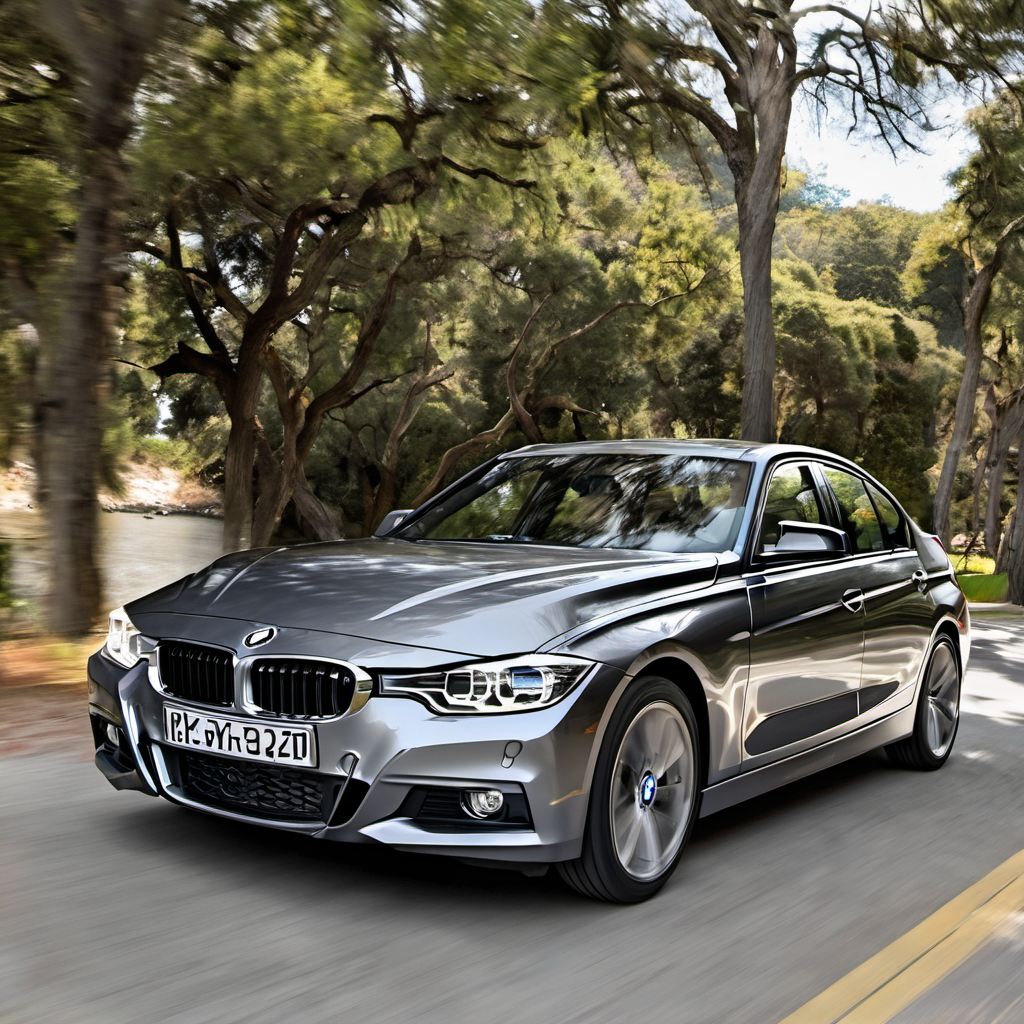
2018 BMW 3 Series Sedan
Popular pick

2018 BMW

3 SeriesSedan

2.0L TwinPower Turbo inline-4 · Sedan

The 2018 BMW 330i (F30 generation) is the sixth year of BMW's sixth-generation 3 Series and represents a mature, well-sorted version of the platform. It pairs a 2.0L TwinPower turbocharged inline-4 with an 8-speed automatic, delivering a blend of efficiency and genuine driver engagement that few competitors match at this price point. The F30 3 Series is widely considered the last generation before electronics and ride comfort were prioritized over handling sharpness. As a used buy, the 2018 is appealing because most early-production gremlins were ironed out and it still sits within a reasonable maintenance window — assuming the previous owner kept up with BMW's oil service intervals. The big risk on any used F30 is deferred maintenance: these cars punish neglect hard and reward attentive care generously. In the Lake Geneva area, the RWD platform is workable year-round with a proper set of winter tires, but buyers should budget accordingly. Premium fuel, European-spec maintenance intervals, and specialty parts pricing all push ownership costs above average — this is not a Camry budget car wearing a luxury badge.

Reliability
3/5
Verified data
Specs shown for 330i — the most common configuration. Other trims may vary in engine, drivetrain, or fuel economy. Sign in to see your vehicle's exact specs.
Engine
[object Object]
Drivetrain
rear-wheel drive
Fuel
Premium gasoline
MPG
24 city / 35 highway / 28 combined
Seats
Doors
Body
Compact Cars
MSRP
$34,900

Overview

AI-curated

The 2018 BMW 330i (F30 generation) is the sixth year of BMW's sixth-generation 3 Series and represents a mature, well-sorted version of the platform. It pairs a 2.0L TwinPower turbocharged inline-4 with an 8-speed automatic, delivering a blend of efficiency and genuine driver engagement that few competitors match at this price point. The F30 3 Series is widely considered the last generation before electronics and ride comfort were prioritized over handling sharpness. As a used buy, the 2018 is appealing because most early-production gremlins were ironed out and it still sits within a reasonable maintenance window — assuming the previous owner kept up with BMW's oil service intervals. The big risk on any used F30 is deferred maintenance: these cars punish neglect hard and reward attentive care generously. In the Lake Geneva area, the RWD platform is workable year-round with a proper set of winter tires, but buyers should budget accordingly. Premium fuel, European-spec maintenance intervals, and specialty parts pricing all push ownership costs above average — this is not a Camry budget car wearing a luxury badge.

Known for
  • Best-in-class rear-wheel-drive handling dynamics for the segment
  • Smooth, responsive 2.0L TwinPower turbo engine
  • Premium interior fit and finish with a driver-focused cockpit
  • Efficient 8-speed automatic transmission
  • iDrive 6.0 infotainment — one of BMW's better systems
Best for
  • Drivers who prioritize handling feel and daily performance
  • Highway commuters who can take advantage of 35 MPG highway on premium fuel
  • Buyers who want a sporty sedan without full M-car running costs
  • Those comfortable budgeting for European luxury maintenance
Watch for
  • Oil consumption on high-mileage examples — check levels between changes
  • Deferred maintenance history: BMW's CBSservice intervals can mask neglect
  • High-pressure fuel pump (HPFP) and injector wear on turbocharged engine
  • Electronic feature failures (iDrive, comfort access, window regulators) as car ages
  • RWD requires winter tires in Wisconsin — stock all-seasons are inadequate in snow

Common issues by mileage

6 known

Valve cover and oil filter housing gasket leaks

high
Typically appears
60,000–100,000 mi
Estimated repair
$300 – $600

High-pressure fuel pump (HPFP) wear / rough idle at startup

medium
Typically appears
70,000–120,000 mi
Estimated repair
$600 – $1,100

Variable valve timing (VANOS) solenoid faults — camshaft timing codes

medium
Typically appears
60,000–100,000 mi
Estimated repair
$200 – $700

Turbocharger bypass / wastegate valve failure — boost loss or hesitation

medium
Typically appears
80,000–130,000 mi
Estimated repair
$400 – $900

Cooling system components (water pump, thermostat, expansion tank) failure

high
Typically appears
70,000–110,000 mi
Estimated repair
$500 – $1,200

Electric window regulator failure (common on driver's side)

medium
Typically appears
50,000–90,000 mi
Estimated repair
$250 – $500

Maintenance schedule

  1. 1
    Every 7,500 miles — do not follow BMW CBS prompts that suggest 10–15k Engine oil and filter change (full synthetic 5W-30 or 0W-30 BMW LL-01)

    The TwinPower turbo runs hot oil through the turbocharger bearings. Extended intervals accelerate bearing wear and sludge buildup. Shortening intervals is the single best thing you can do for long-term reliability.

  2. 2
    Every 20,000 miles or annually Cabin and engine air filter inspection/replacement

    Wisconsin road dust and debris in spring/fall clog filters faster than BMW's service calculator assumes.

  3. 3
    Every 2 years regardless of mileage Brake fluid flush

    BMW specifies this interval. Brake fluid absorbs moisture; in Wisconsin freeze-thaw cycles this degrades performance and can cause ABS/DSC misbehavior.

  4. 4
    Every 45,000–60,000 miles Spark plug replacement (OEM BMW spec plugs only)

    Turbocharged engines are hard on plugs. Worn plugs cause misfires and can trigger VANOS-related DTCs incorrectly.

  5. 5
    Every 60,000 miles or at first signs of temperature fluctuation Cooling system inspection — water pump, hoses, expansion tank cap

    Electric water pump and plastic expansion tank are documented weak points. Proactive replacement at high mileage avoids roadside overheating.

  6. 6
    Every 50,000 miles Differential and transmission fluid check

    BMW markets these as 'lifetime' fills — they are not. Fresh fluid protects the 8-speed automatic and rear differential, especially under Wisconsin winter cold-start stress.

  7. 7
    Every 7,500 miles or with each oil change Tire rotation and alignment check

    RWD with staggered tire fitment on sport trims wears tires unevenly. Alignment also shifts after hitting Wisconsin's post-winter potholes.

  8. 8
    Every fall before winter season Battery load test

    BMW uses an IBS (Intelligent Battery Sensor) that must be registered when replacing the battery. A failing battery in sub-zero temps causes hard starts and electrical gremlins. Test it before it fails.

Always defer to the manufacturer's service manual for warranty-mandated intervals.

Cost of ownership

Annual maintenance
$900 – $2,200
Fuel
Premium fuel required (91 octane minimum). At ~28 MPG combined and ~15,000 miles/year, expect $2,100–$2,600/year depending on pump prices.
Insurance
Expect moderate-to-high premiums for a rear-wheel-drive European sport sedan — typically $1,400–$2,000/year for a driver with a clean record in the Lake Geneva area.

The 330i is not an expensive car to run when nothing breaks, but when something does break, BMW parts and labor pricing hits hard. Budget $900–$1,400/year for routine maintenance (oil, filters, brakes, tires) and keep a $1,500–$2,500 reserve for the cooling system and gasket work that commonly appears between 70,000–100,000 miles. Premium fuel is non-negotiable — running regular long-term causes knock retard and reduced performance. Total cost of ownership is meaningfully higher than a comparable Japanese or domestic sedan.

Seasonal care

Lake Geneva, WI
Winter
  • Install a dedicated set of winter tires on steel or alloy wheels — RWD on all-seasons in Wisconsin snow is genuinely dangerous. This is not optional for Lake Geneva winters.
  • Test the battery every fall with a load tester; replace any battery showing weakness before temps drop below 20°F. BMW battery replacement requires IBS sensor registration — bring it to a shop with BMW-capable software.
  • Switch to a full-synthetic 0W-30 oil if doing a winter oil change — it flows faster at sub-zero cold starts and protects turbo bearings immediately on startup.
  • Fill the washer fluid reservoir with a -20°F or -40°F rated fluid; the standard reservoir capacity is generous but runs down fast with road salt spray.
  • Inspect underbody and wheel well liners for rock damage that exposes bare metal to road salt — treat any bare spots before winter to prevent accelerated corrosion.
  • Check that the DSC (Dynamic Stability Control) is functioning properly before winter — do not disable it on snow and ice with RWD.
Summer
  • Check tire pressure after the first warm week — every 10°F rise in ambient temperature adds approximately 1 PSI; overinflation accelerates center-tread wear.
  • Inspect the A/C system operation and cabin filter; heat soak in a dark-colored sedan can overwhelm a marginal A/C system or clogged evaporator.
  • Monitor coolant temperature on hot days, especially in stop-and-go traffic — the electric water pump can fail without obvious warning and overheat quickly.
  • Inspect brake pads and rotors after winter; road salt and freeze-thaw cycles accelerate rotor surface corrosion and can cause pulsation if left sitting wet.

Comparable vehicles

If you're shopping for one

Red flags
  • No service records or gaps in oil change history — walk away or heavily discount the offer
  • Active VANOS DTCs (P0012, P0015, P0026, P0027) with no repair history — indicates timing system wear
  • Any turbocharger-related codes (P0033–P0035) alongside blue/white smoke at startup
  • Coolant that is brown, oily, or low with no known leak — potential head gasket or water pump failure
  • Mismatched tires or evidence of rear-end impact (check trunk weatherstripping alignment and rear bumper gaps)
  • Signs of deferred European maintenance: cracked valve cover, weeping gaskets, dirty throttle body
What to inspect
  • Pull the oil cap and check for sludge or creamy residue — sign of extended oil intervals or a head gasket issue
  • Check for any oil seepage around the valve cover and oil filter housing (top and side of engine)
  • Scan for stored and pending DTCs with BMW-capable software — generic OBD2 scanners miss BMW-specific codes
  • Test all iDrive functions, Comfort Access keyless entry, and power windows — electronics are expensive to repair
  • Verify cooling system health: look for coolant residue on the expansion tank, check water pump for play or noise at idle
  • Confirm the turbo spools cleanly with no smoke at cold start or under boost — listen for any wastegate rattle
  • Check the service history for oil change frequency; if records only show BMW dealer CBS-prompted changes, intervals were likely too long
AI profile generated 4 days ago · claude-sonnet-4-6 · v2.