VVT-i / Cam Timing Over-Retarded (Oil Sludge or Solenoid)
medium- Typically appears
- 60–150k mi
- Estimated repair
- $150 – $900
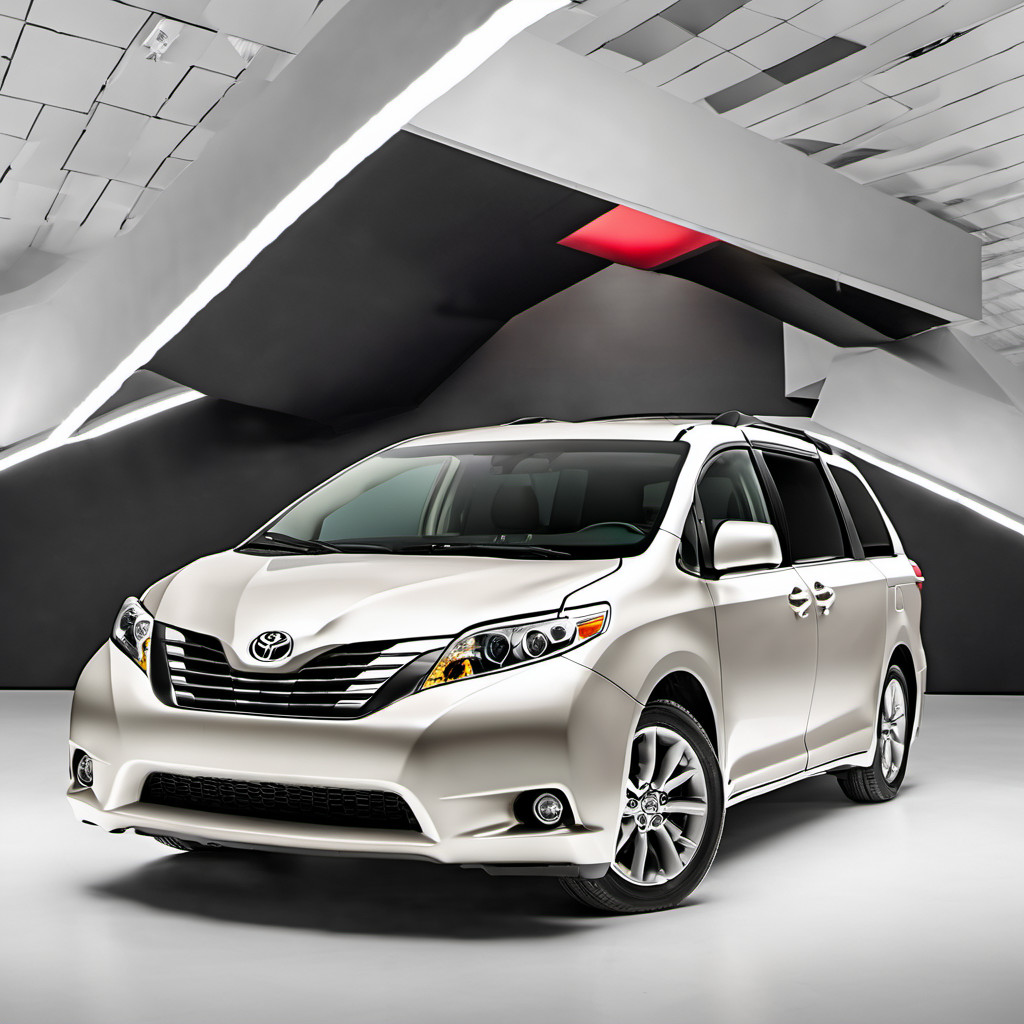
2017 Toyota
Van/Minivan
The 2017 Toyota Sienna is the third generation of Toyota's long-running minivan, sitting in its second major refresh year with a 3.5L V6 now featuring both direct and port injection (DMPFI). It's a practical, spacious family hauler with a strong reliability record and one of the few minivans still offered in all-wheel drive — though this FWD example is the most common configuration sold. At around 8 years old now, it's well into its sweet spot: depreciation has done its work, most first-owner quirks are known, and the platform is proven. The Sienna competes directly with the Honda Odyssey and Chrysler Pacifica. Where the Odyssey edges it out on handling refinement and the Pacifica on in-cabin tech, the Sienna holds its own on long-term durability and resale value — typical Toyota traits. The 2017 model year also added standard Toyota Safety Sense P (pre-collision, lane departure, auto high-beams) across most trims, which is a genuine safety upgrade. For a Lake Geneva family, this is a capable year-round vehicle on FWD with good ground clearance for light snow. The V6 has plenty of power for highway runs and towing the occasional boat trailer (up to 3,500 lbs). Budget for sliding door and power liftgate maintenance as the van ages — those systems are the most common source of nuisance repairs on high-mileage examples.
The 2017 Toyota Sienna is the third generation of Toyota's long-running minivan, sitting in its second major refresh year with a 3.5L V6 now featuring both direct and port injection (DMPFI). It's a practical, spacious family hauler with a strong reliability record and one of the few minivans still offered in all-wheel drive — though this FWD example is the most common configuration sold. At around 8 years old now, it's well into its sweet spot: depreciation has done its work, most first-owner quirks are known, and the platform is proven. The Sienna competes directly with the Honda Odyssey and Chrysler Pacifica. Where the Odyssey edges it out on handling refinement and the Pacifica on in-cabin tech, the Sienna holds its own on long-term durability and resale value — typical Toyota traits. The 2017 model year also added standard Toyota Safety Sense P (pre-collision, lane departure, auto high-beams) across most trims, which is a genuine safety upgrade. For a Lake Geneva family, this is a capable year-round vehicle on FWD with good ground clearance for light snow. The V6 has plenty of power for highway runs and towing the occasional boat trailer (up to 3,500 lbs). Budget for sliding door and power liftgate maintenance as the van ages — those systems are the most common source of nuisance repairs on high-mileage examples.
The dual-injection V6's VVT system is extremely sensitive to dirty or degraded oil. Sludge in oil passages is the #1 cause of expensive cam timing failures on this engine. Do not stretch to 10k mi intervals on a used vehicle with unknown history.
Toyota lists this as 'inspect only' under normal conditions, but the 8-speed automatic benefits from a drain-and-fill at 60k intervals, especially on used vehicles where fluid history is unknown. Dark or burnt-smelling fluid means change it immediately.
The small screens on the VVT oil control solenoids trap debris. Cleaning them at high mileage can prevent full solenoid replacement and heads off timing issues before they start.
Dry or contaminated tracks accelerate cable and motor wear. A 10-minute cleaning and lubrication with the right grease can prevent a $400+ cable replacement. Inspect cable ends for fraying at the same time.
Cold-cranking demand in sub-zero temps will expose a weak battery. The Sienna's power features (sliding doors, liftgate, heated seats) draw significant parasitic load. A battery over 4 years old should be tested and replaced proactively.
Brake fluid is hygroscopic — it absorbs moisture over time, lowering its boiling point. In a Wisconsin winter with frequent hard stops, degraded fluid increases fade risk. Three years is a practical interval for a daily driver.
Toyota's long-life coolant is genuinely long-lasting, but on a 2017 vehicle approaching 8 years old, a flush and refill with fresh Toyota Red coolant is due regardless of mileage. Check hoses and the radiator cap at the same time.
Lake Geneva roads are heavily salted October through March. A thorough underbody pressure wash in spring removes salt before it can work into seams and brake lines. Fall is a good time to inspect and touch up any exposed bare metal before salt season restarts.
Always defer to the manufacturer's service manual for warranty-mandated intervals.
The 2017 Sienna is a relatively affordable minivan to own once past the purchase price. Routine maintenance (oil, tires, brakes, fluids) runs $600–$900/yr under normal conditions. Budget an extra $300–$500/yr as a repair reserve for sliding door and liftgate wear on higher-mileage examples. Fuel costs are the largest ongoing expense — the V6 doesn't sip fuel, but it's in line with other full-size family haulers. Compared to a same-age Chrysler Pacifica or older Odyssey, the Sienna typically has lower unplanned repair frequency.
No comparable vehicles documented yet.