Falcon-Wing Door Actuator / Sensor Failure
high- Typically appears
- Any mileage
- Estimated repair
- $800 – $2,500
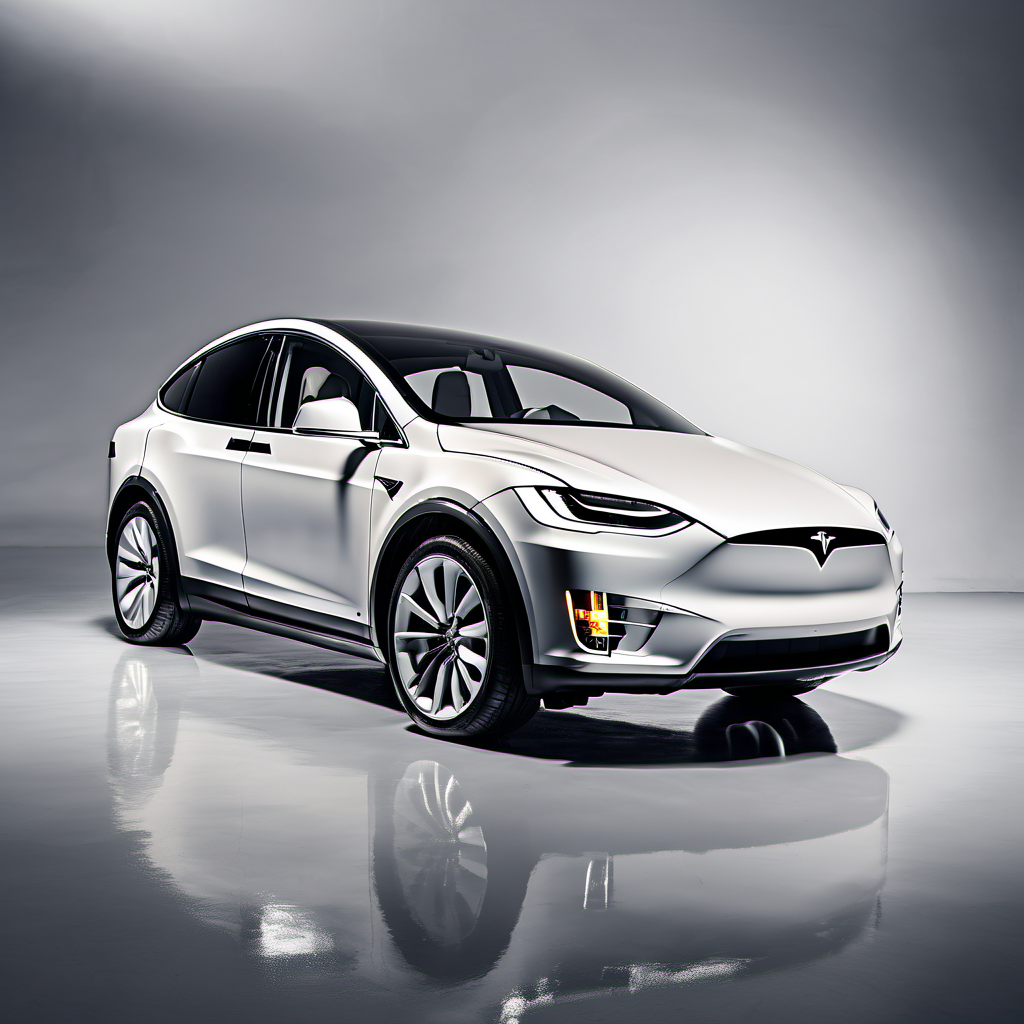
2017 Tesla
SUV
The 2017 Tesla Model X is a full-size, all-electric luxury SUV built around a dual-motor AWD platform and a large 100 kWh (or 75 kWh) battery pack. It seats up to seven and is defined by its falcon-wing rear doors, massive touchscreen-centered cabin, and over-the-air software update capability. Performance is exceptional — the P100D variant hits 60 mph in around 2.9 seconds — but it's also one of the more complex EVs on the used market. For day-to-day use in Lake Geneva, the Model X handles Wisconsin winters confidently with AWD and the battery's self-heating, though cold weather will noticeably reduce range. Home charging via a Level 2 (240V) setup is almost a necessity for owners who need the full range each morning. The 2017 model year sits in the middle of early Model X production, which had well-documented build-quality growing pains. The mechanicals are generally sound, but body panel alignment, falcon-wing door sensors, and the complex door mechanism itself have been recurring headaches for owners and shops alike.
The 2017 Tesla Model X is a full-size, all-electric luxury SUV built around a dual-motor AWD platform and a large 100 kWh (or 75 kWh) battery pack. It seats up to seven and is defined by its falcon-wing rear doors, massive touchscreen-centered cabin, and over-the-air software update capability. Performance is exceptional — the P100D variant hits 60 mph in around 2.9 seconds — but it's also one of the more complex EVs on the used market. For day-to-day use in Lake Geneva, the Model X handles Wisconsin winters confidently with AWD and the battery's self-heating, though cold weather will noticeably reduce range. Home charging via a Level 2 (240V) setup is almost a necessity for owners who need the full range each morning. The 2017 model year sits in the middle of early Model X production, which had well-documented build-quality growing pains. The mechanicals are generally sound, but body panel alignment, falcon-wing door sensors, and the complex door mechanism itself have been recurring headaches for owners and shops alike.
The 12V battery powers the vehicle's ability to wake up and unlock. A dead 12V can strand the car even with a full main pack. This is the single most important proactive replacement on any Model X.
The falcon-wing door mechanism is the most failure-prone system on early Model X vehicles. Keeping hinges lubricated and sensors clean reduces actuator stress and false-stop events.
The Model X is heavy (5,400+ lbs) and its instant torque accelerates tire wear significantly. More frequent rotation than a typical ICE vehicle is necessary to get full tire life.
Model X uses a large HEPA filtration system. Clogged filters reduce airflow, increase HVAC blower motor load, and degrade cabin air quality.
Regenerative braking reduces how often friction brakes are used, which means moisture builds up in brake fluid over time rather than boiling out. Two-year intervals keep the system safe.
Air struts and the compressor are exposed to road salt and moisture in Wisconsin winters. Annual visual inspection catches early air leaks before they become a full suspension drop.
The battery and drive unit share a liquid cooling loop. Degraded coolant increases corrosion risk inside the thermal system, which is expensive to remediate.
The auto-presenting door handles are a known failure point. Early detection of slow or non-presenting handles avoids being locked out.
Always defer to the manufacturer's service manual for warranty-mandated intervals.
The Model X has lower routine maintenance costs than a comparable ICE luxury SUV — no oil changes, spark plugs, or exhaust work. However, when things go wrong (falcon-wing doors, MCU, drive units), repair bills are high and parts availability at independent shops is limited. Budget a repair reserve of $1,500–$2,500/year on a used example, on top of routine maintenance.
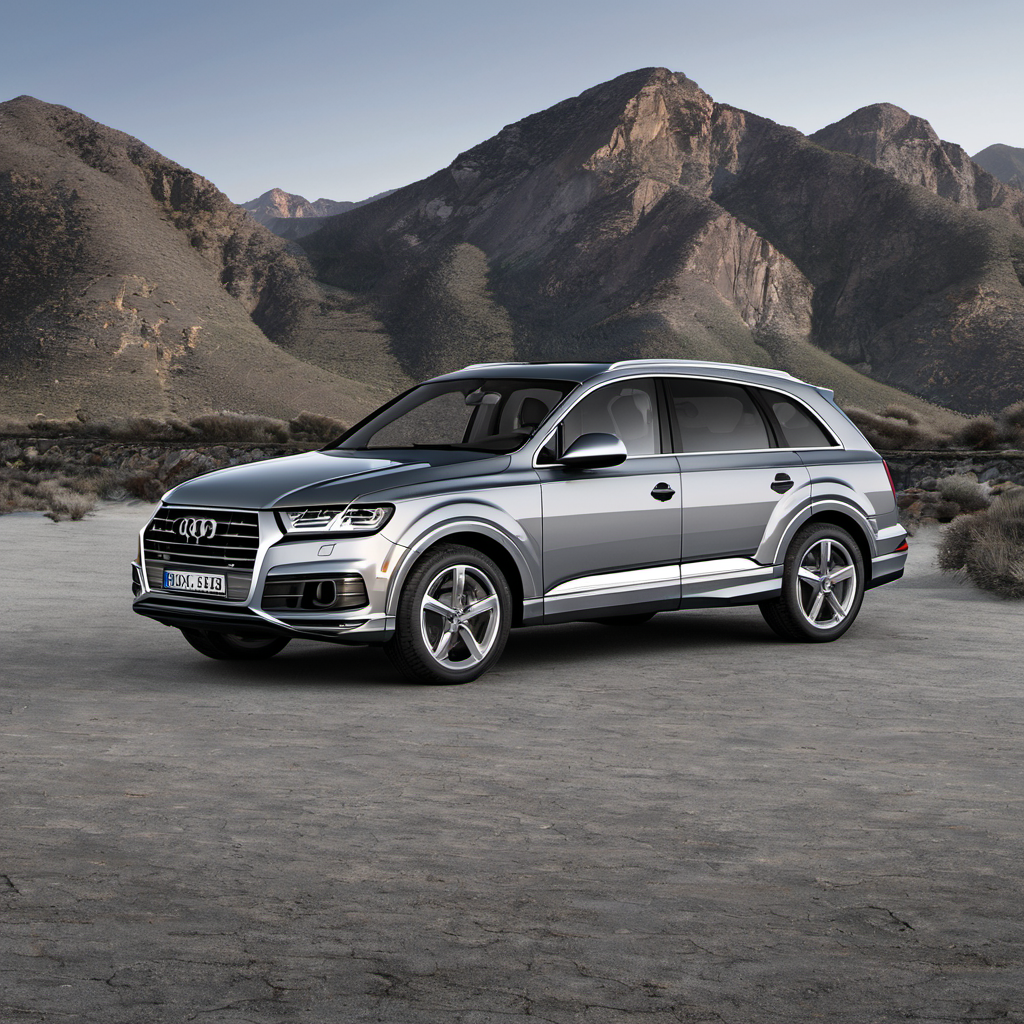
Similar full-size luxury 7-passenger SUV with AWD and a premium interior at a comparable used-market price. Conventional powertrain means easier local servicing, but higher fuel costs.
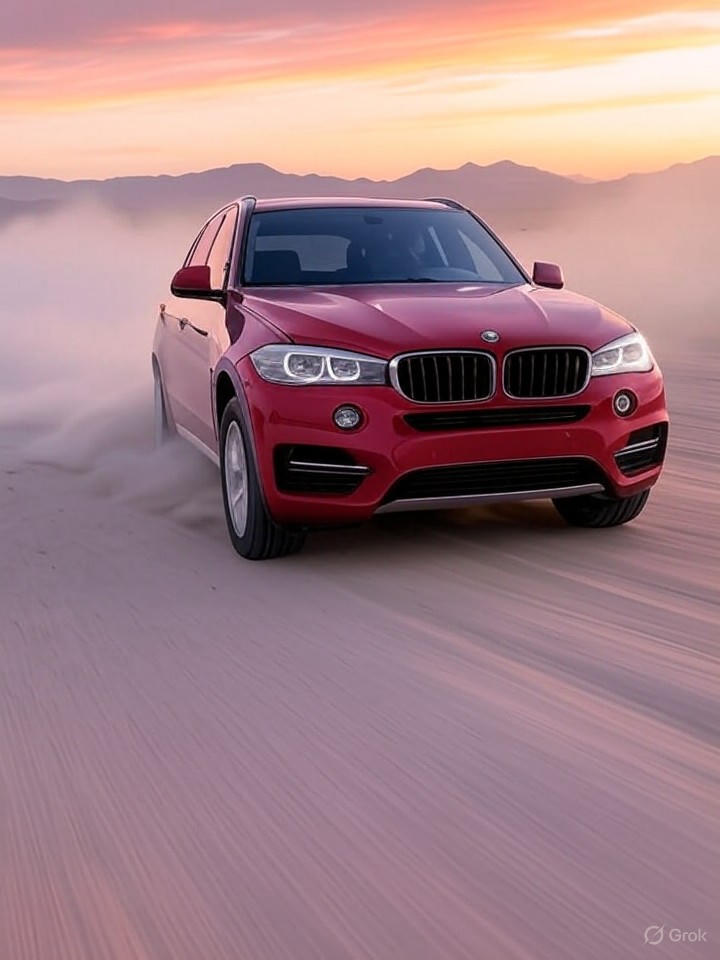
Luxury midsize SUV with strong AWD, driver-focused dynamics, and a well-established independent-shop repair network in Wisconsin. Costs more to maintain than the Tesla but fewer exotic failure modes.
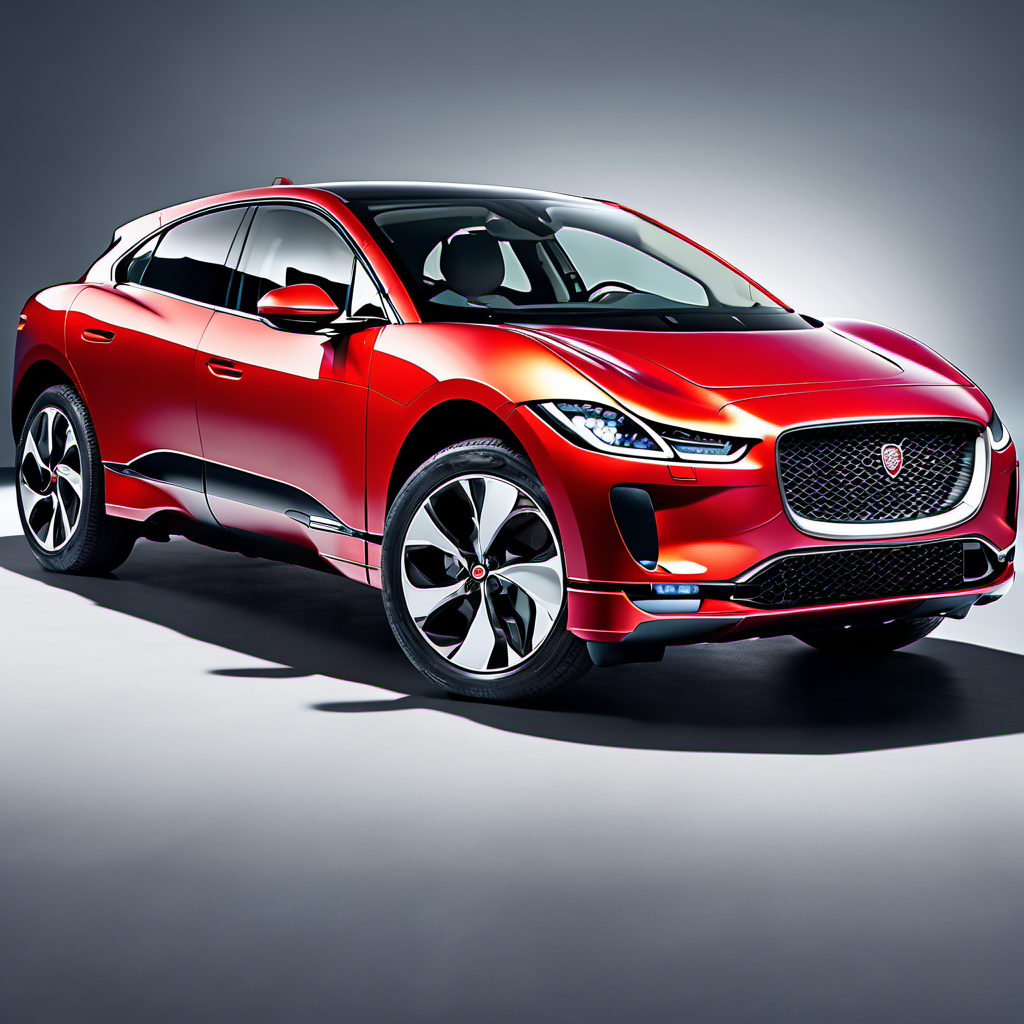
All-electric luxury SUV in the same price range with comparable range and AWD. Shares the EV-specific ownership considerations but has a more conventional door design and different reliability profile.
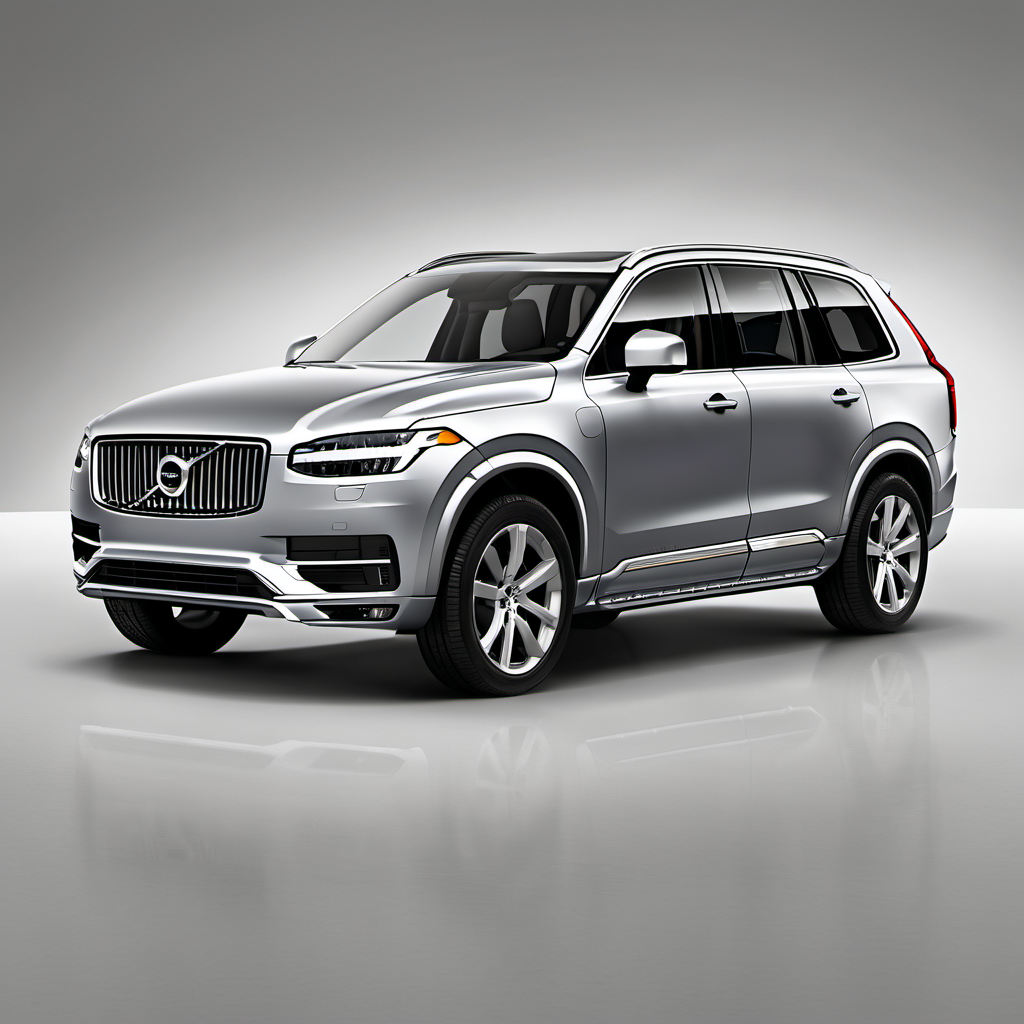
7-passenger luxury SUV with AWD and strong safety ratings. Lower performance ceiling than the Model X but well-regarded for reliability and easier to service at regional shops.