Falcon Wing Door Malfunctions
high- Typically appears
- 0–80k mi
- Estimated repair
- $800 – $4,500
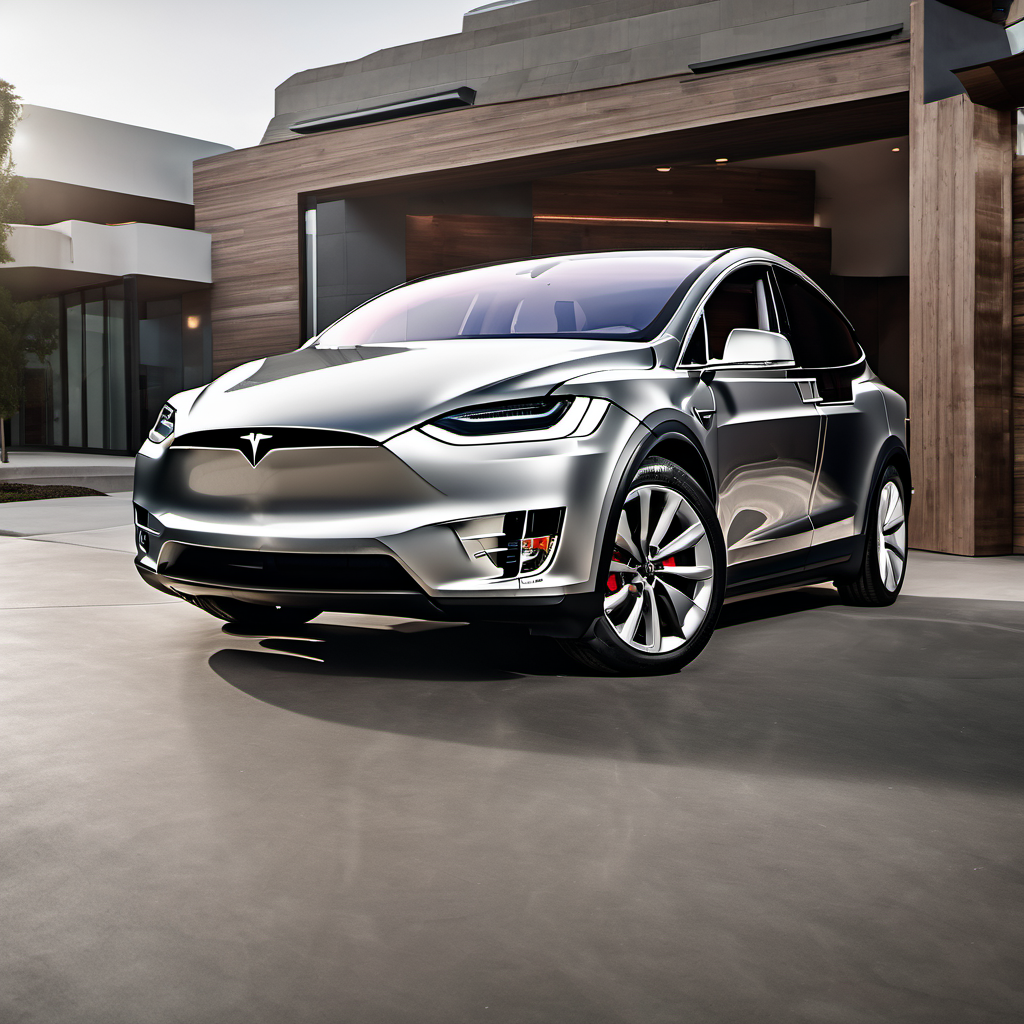
2016 Tesla
SUV
The 2016 Tesla Model X is a full-size all-electric SUV built on Tesla's large vehicle platform, sharing its dual-motor AWD architecture with the Model S sedan. It was Tesla's first attempt at a three-row SUV and introduced the headline-grabbing Falcon Wing rear doors — a bold engineering choice that created nearly as many headaches as compliments in the early years. Under the skin, the Model X delivers genuinely impressive performance. The 90D variant — the most common 2016 configuration — produces around 259 hp front and 503 hp rear for a combined 762 hp system output, hitting 60 mph in about 4.8 seconds. The air suspension, large touchscreen-driven interface, and over-the-air software updates were all ahead of the market at the time. The 2016 model year was effectively a first-production-year vehicle; Tesla began deliveries in late 2015 and ramped through 2016. Early cars came with well-documented quality control issues across the body, interior trim, and those complex door systems. If you're looking at a used 2016, understanding what's been fixed — and what hasn't — is the whole game.
The 2016 Tesla Model X is a full-size all-electric SUV built on Tesla's large vehicle platform, sharing its dual-motor AWD architecture with the Model S sedan. It was Tesla's first attempt at a three-row SUV and introduced the headline-grabbing Falcon Wing rear doors — a bold engineering choice that created nearly as many headaches as compliments in the early years. Under the skin, the Model X delivers genuinely impressive performance. The 90D variant — the most common 2016 configuration — produces around 259 hp front and 503 hp rear for a combined 762 hp system output, hitting 60 mph in about 4.8 seconds. The air suspension, large touchscreen-driven interface, and over-the-air software updates were all ahead of the market at the time. The 2016 model year was effectively a first-production-year vehicle; Tesla began deliveries in late 2015 and ramped through 2016. Early cars came with well-documented quality control issues across the body, interior trim, and those complex door systems. If you're looking at a used 2016, understanding what's been fixed — and what hasn't — is the whole game.
The 12V battery powers door locks, latches, and the main computer wake system. A dead 12V can strand the car even with a full main pack — a particularly bad scenario in a Wisconsin winter.
Cold temperatures and road salt accelerate sensor corrosion and seal stiffening. A failed Falcon Wing door in sub-zero temps is a serious inconvenience and an expensive repair.
Air suspension ride quality degrades gradually. Catching a failing compressor early prevents a more expensive strut/compressor combined repair.
The Model X is heavy (over 5,400 lbs) and torque delivery is instant. This wears tires faster than a comparable ICE vehicle, especially on the driven rear axle.
Regenerative braking reduces hydraulic brake use significantly, which paradoxically allows moisture to accumulate in the fluid longer. Tesla recommends a 2-year interval.
Low regen-braking use means calipers can seize and rotors can develop heavy rust scale from disuse combined with Wisconsin road salt. Seized rear calipers are a common find.
The Model X uses a large HEPA filtration system. A clogged filter reduces HVAC performance and can stress the blower motor.
Consistently charging to 100% or depleting below 10% accelerates long-term degradation of the lithium battery pack. Reserve 100% charges for long road trips only.
Always defer to the manufacturer's service manual for warranty-mandated intervals.
Day-to-day fuel savings are real and substantial. The catch is that when something does go wrong on a 2016 Model X — especially Falcon Wing doors, MCU, or air suspension — repair bills are high and your options are limited. Many independent shops in the Lake Geneva area cannot access Tesla diagnostic systems or source OEM parts. Budget a repair reserve; don't assume low routine maintenance means low total cost of ownership on a first-year example.
Three-row luxury SUV in a similar price bracket. Conventional powertrain means far more local service options, but fuel costs are much higher and it lacks the EV performance edge.
No catalog match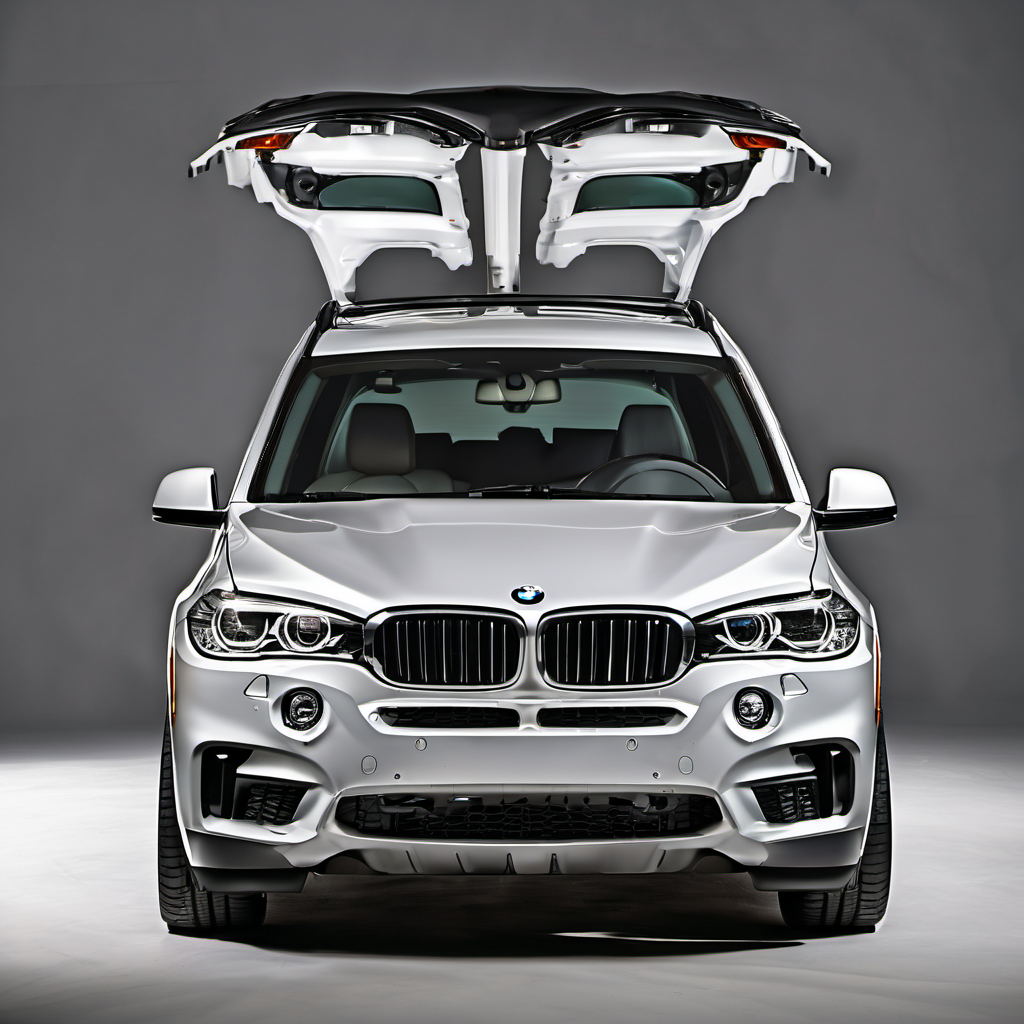
Two-row luxury SUV with AWD, strong performance variants, and a tech-forward cabin. Easier to service independently than the Model X; comparable used pricing.
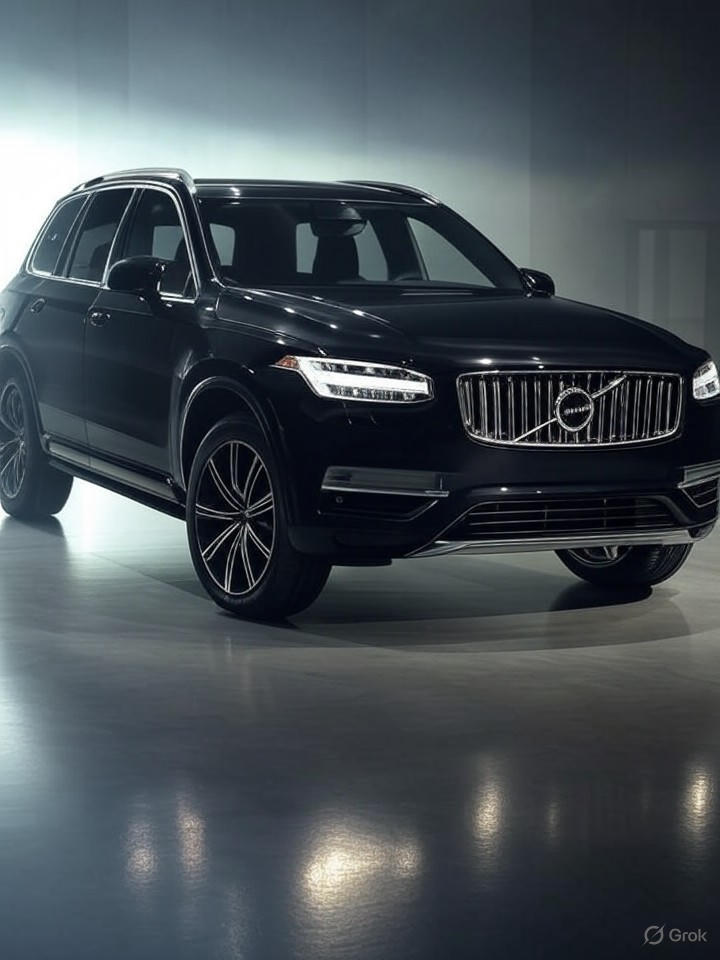
Three-row SUV with a safety-first reputation, available AWD, and strong reliability scores for its model year. Less exciting but far fewer ownership surprises than a first-year Model X.
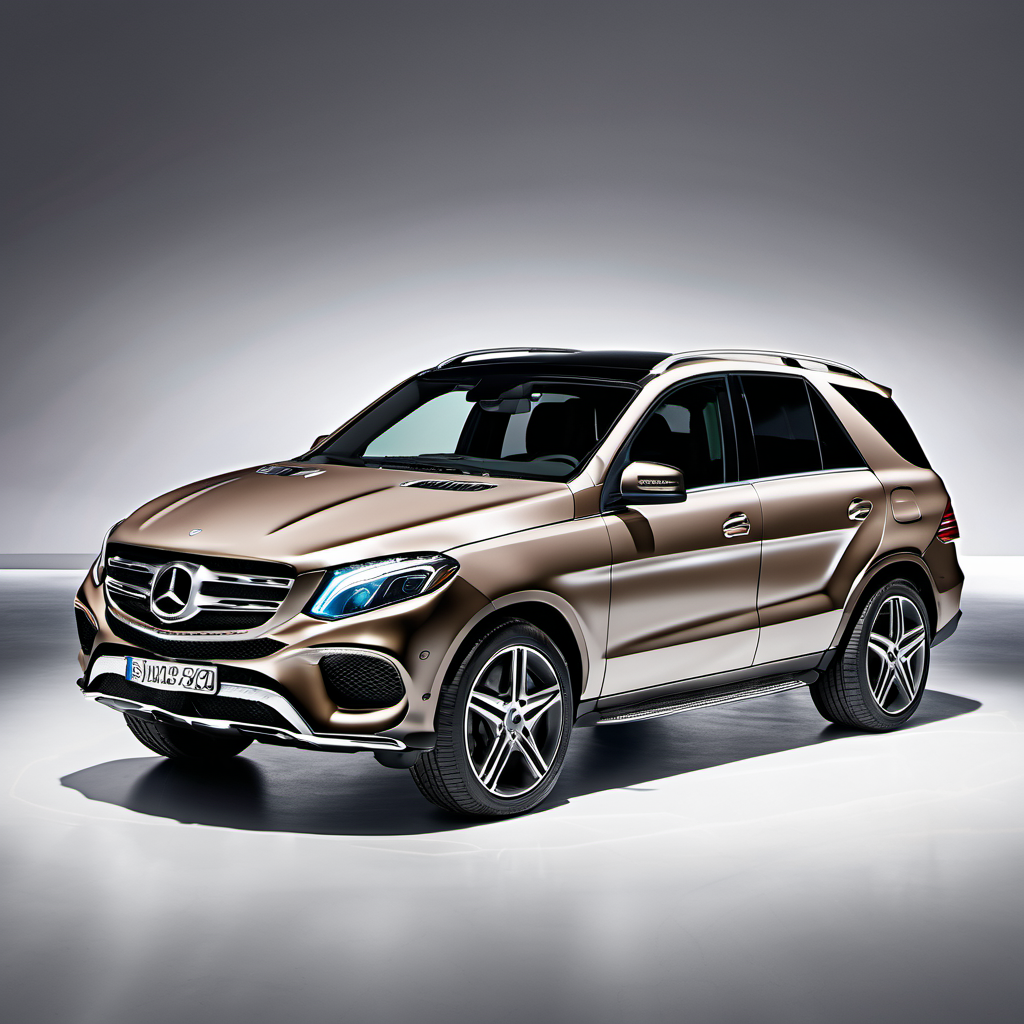
Premium two-row SUV with similar pricing used, AWD capability, and a well-established service network. More conventional ownership experience for buyers who want luxury without EV infrastructure commitment.