2016 Tesla Model 3
Popular pick

2016 Tesla

Model 3

Electric motor

The 2016 Tesla Model 3 is a notable data point to flag upfront: the Model 3 did not exist as a retail vehicle in 2016. Tesla began Model 3 deliveries in July 2017, with the first public production cars reaching customers in late 2017. A vehicle titled '2016 Tesla Model 3' is almost certainly a data or title error — the actual model year is likely 2017 or newer. The specs here most closely match a Standard Range RWD Model 3, which started at $35,000 when it became widely available in 2019. With that caveat noted, the Model 3 RWD is a compact all-electric sedan built on Tesla's own platform. It's quick, efficient, and tech-forward, with over-the-air software updates that continue to add features long after purchase. The 15-inch central touchscreen controls nearly every vehicle function, which is a love-it-or-hate-it design choice. For Lake Geneva-area owners, the RWD configuration deserves extra scrutiny in Wisconsin winters. The Model 3 RWD can struggle on unplowed or icy roads compared to AWD variants. Winter-specific tires are strongly recommended. Cold temperatures also reduce battery range noticeably — plan for 20–30% less range on sub-zero days.

Reliability
3/5
Engine
Electric motor
Drivetrain
RWD
Fuel
Electric
MPG
130 MPGe
Seats
5
Doors
4
Body
Sedan
MSRP
$35,000

Overview

AI-curated

The 2016 Tesla Model 3 is a notable data point to flag upfront: the Model 3 did not exist as a retail vehicle in 2016. Tesla began Model 3 deliveries in July 2017, with the first public production cars reaching customers in late 2017. A vehicle titled '2016 Tesla Model 3' is almost certainly a data or title error — the actual model year is likely 2017 or newer. The specs here most closely match a Standard Range RWD Model 3, which started at $35,000 when it became widely available in 2019. With that caveat noted, the Model 3 RWD is a compact all-electric sedan built on Tesla's own platform. It's quick, efficient, and tech-forward, with over-the-air software updates that continue to add features long after purchase. The 15-inch central touchscreen controls nearly every vehicle function, which is a love-it-or-hate-it design choice. For Lake Geneva-area owners, the RWD configuration deserves extra scrutiny in Wisconsin winters. The Model 3 RWD can struggle on unplowed or icy roads compared to AWD variants. Winter-specific tires are strongly recommended. Cold temperatures also reduce battery range noticeably — plan for 20–30% less range on sub-zero days.

Known for
  • Strong acceleration and responsive handling for a daily sedan
  • Minimalist interior dominated by the 15-inch touchscreen
  • Frequent over-the-air software updates that add and change features
  • Exceptional energy efficiency — lowest 'fuel' cost per mile in class
  • High NHTSA safety ratings across all categories
Best for
  • Daily commuters with home charging capability
  • Tech-forward drivers who want a connected, software-driven car
  • Owners doing mostly predictable, in-town or regional driving
  • Buyers wanting low per-mile operating costs over the long haul
Watch for
  • RWD traction limitations in Wisconsin snow and ice — AWD variant is worth the premium here
  • Cold weather battery range loss can be significant (20–30% in sub-zero temps)
  • Panel gaps and paint quality complaints are common on early production cars
  • Autopilot/FSD feature set and pricing have changed repeatedly via OTA — verify what's actually unlocked
  • All significant repairs route through Tesla Service — independent shop options are very limited

Common issues by mileage

6 known

MCU (Media Control Unit) eMMC memory failure

high
Typically appears
50–100k mi or 4–6 years
Estimated repair
$500 – $1,500

Paint defects, panel gaps, and trim misalignment

high
Typically appears
0–30k mi (delivery or early ownership)
Estimated repair
$200 – $2,000

12V auxiliary battery failure

medium
Typically appears
40–80k mi
Estimated repair
$200 – $450

Door handle mechanism failure (exterior retractable handles)

medium
Typically appears
30–80k mi
Estimated repair
$150 – $500

HVAC / heat pump reduced performance in cold weather

medium
Typically appears
Any mileage, most apparent in winter
Estimated repair
$300 – $1,800

Autopilot / ADAS camera calibration loss or malfunction

low
Typically appears
Any mileage
Estimated repair
$100 – $800

Maintenance schedule

  1. 1
    Every 6,250 miles or 6 months Rotate tires

    The Model 3 RWD puts heavy torque through the rear tires. Tesla recommends rotation at this interval — more frequently than most ICE cars. Skipping this leads to rapid rear tire wear. Wisconsin potholes accelerate uneven wear further.

  2. 2
    Every 2 years Inspect and replace cabin air filter

    Tesla uses a HEPA-style cabin filter that restricts airflow when clogged, reducing HVAC efficiency — a real comfort issue in Wisconsin winters and summers alike.

  3. 3
    Every 2 years regardless of mileage Brake fluid test and replacement

    Regenerative braking means the friction brakes are used much less than on a conventional car, which sounds like a benefit — but low brake use means moisture accumulates in the fluid without the heat to boil it off. Test moisture content; replace if over spec.

  4. 4
    Annually, especially before and after winter Inspect brake calipers for seizing

    Same low-use issue as above. Rear calipers in particular can seize from corrosion and salt exposure since they rarely generate enough heat to keep rust at bay. Wisconsin road salt accelerates this significantly.

  5. 5
    Monthly in winter Check and top off windshield washer fluid

    Use only fluid rated for -20°F or lower. Standard summer washer fluid will freeze in the reservoir and lines. The Model 3's low nose means the front camera and sensors are constantly hit with salt spray.

  6. 6
    Every 3 years or if you experience unexpected wake/sleep issues Test 12V auxiliary battery

    The 12V battery powers all low-voltage systems. When it fails, the car may not 'wake up' or unlock. Cold Wisconsin winters stress lead-acid batteries hard. Tesla has had multiple TSBs on 12V battery life.

  7. 7
    Annually Inspect suspension components (control arms, ball joints)

    The Model 3 is heavier than it looks due to the battery pack floor. Combined with Wisconsin road conditions, suspension wear is faster than the EPA weight class would suggest. Check for clunks or pull.

  8. 8
    Every spring (after salt season) Clean and lubricate door handle mechanisms

    Road salt works into the retractable door handle assemblies and accelerates wear on the small motors and pivots. A light cleaning and lubrication each spring can significantly extend their life.

Always defer to the manufacturer's service manual for warranty-mandated intervals.

Cost of ownership

Annual maintenance
$400 – $900
Fuel
At Wisconsin average electricity rates (~$0.15/kWh), expect roughly $500–$700/year for typical 12,000-mile driving. Compare to $1,800–$2,400 for a comparable gasoline sedan. Home Level 2 charging equipment adds a one-time cost of $500–$1,200 installed.
Insurance
Typically $1,400–$2,200/year in the Lake Geneva area for a Model 3. The high vehicle value, expensive parts, and Tesla-only repair network push premiums above average for the segment.

The Model 3's day-to-day operating cost is genuinely low — electricity is cheap, brake pads last a long time thanks to regen, and there's no oil or spark plugs. Annual maintenance at an independent shop is minimal. The risk is the big-ticket items: MCU replacement, battery module work, or body repairs can be expensive and slow because Tesla controls the parts and repair network. Budget a healthy emergency fund for those surprises.
Seasonal care

Lake Geneva, WI
Winter
  • Switch to dedicated winter tires — RWD Model 3 on all-season tires is genuinely dangerous on Wisconsin ice. This is not optional advice for Lake Geneva drivers.
  • Pre-condition the battery while still plugged in before driving. Use the Tesla app to schedule cabin heat — this warms the battery and cabin using grid power, not range.
  • Expect 20–30% range reduction in sub-zero temperatures. Plan charging stops accordingly and avoid letting the battery drop below 20% in extreme cold.
  • Use windshield washer fluid rated to at least -20°F. Refill frequently — salt spray is constant on Wisconsin roads from November through March.
  • Inspect and lubricate door handle mechanisms before the first hard freeze to prevent them from sticking or failing in the cold.
  • Rinse the undercarriage regularly at a touchless car wash to remove road salt from battery enclosure, suspension, and brake components.
Summer
  • Check tire pressure monthly — tires gain roughly 1 PSI for every 10°F increase in temperature. Overinflated tires on hot pavement reduce grip.
  • Park in shade or a garage when possible. Cabin temperatures in a black or dark-colored Model 3 can exceed 140°F, which stresses interior plastics and accelerates battery calendar aging.
  • Run the A/C pre-conditioning via app before getting in — cools the cabin using grid or parked charge rather than draining driving range.
  • Inspect wiper blades after winter — salt and grit damage wiper edges. Summer thunderstorms in Wisconsin hit hard and you want clear wipers.

Comparable vehicles

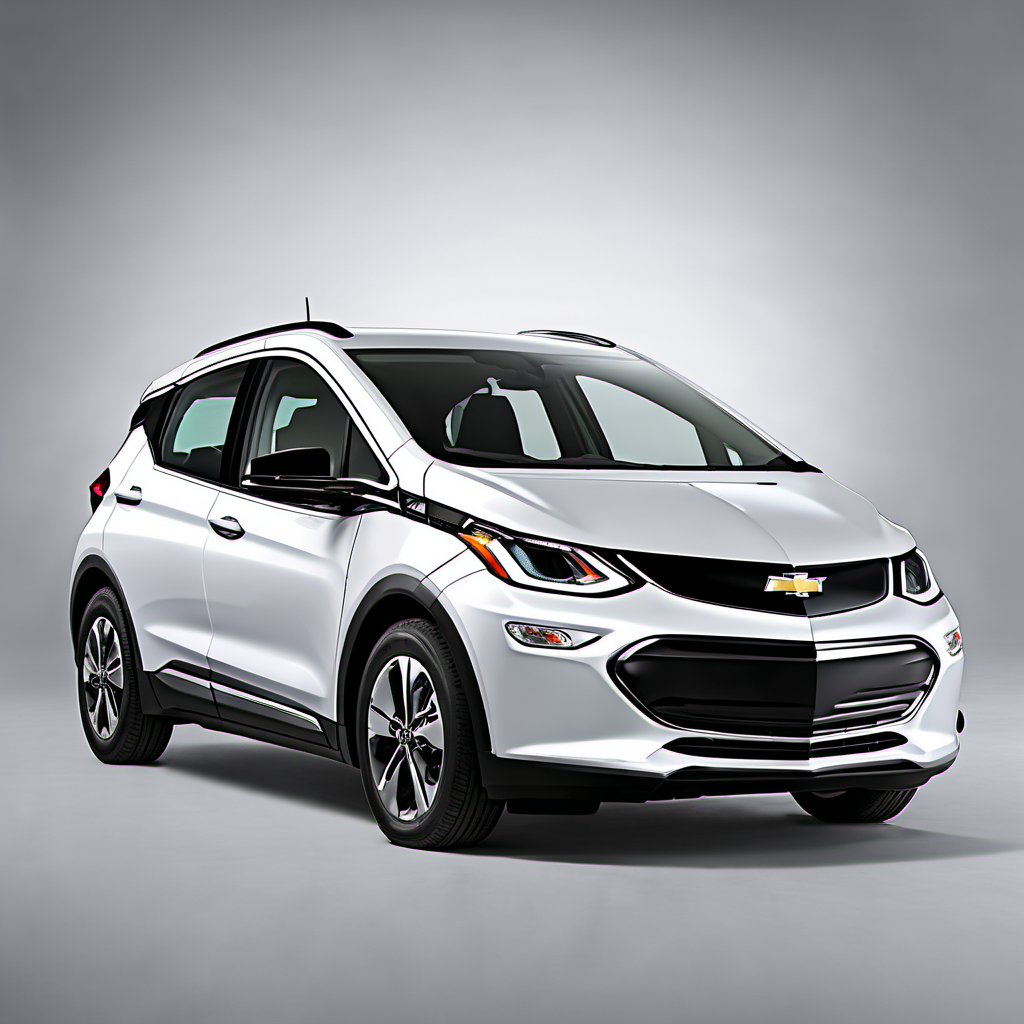
2019 Chevrolet Bolt EV
2019 Chevrolet
Bolt EV

Similar price point, all-electric, practical hatchback for daily commuting. Better cold-weather range retention in some conditions; more independent-shop serviceable.

2019 BMW
330i

RWD sport sedan in similar price range. Gasoline-powered so no range anxiety, but higher fuel and maintenance costs. Comparable driving dynamics.

No catalog match
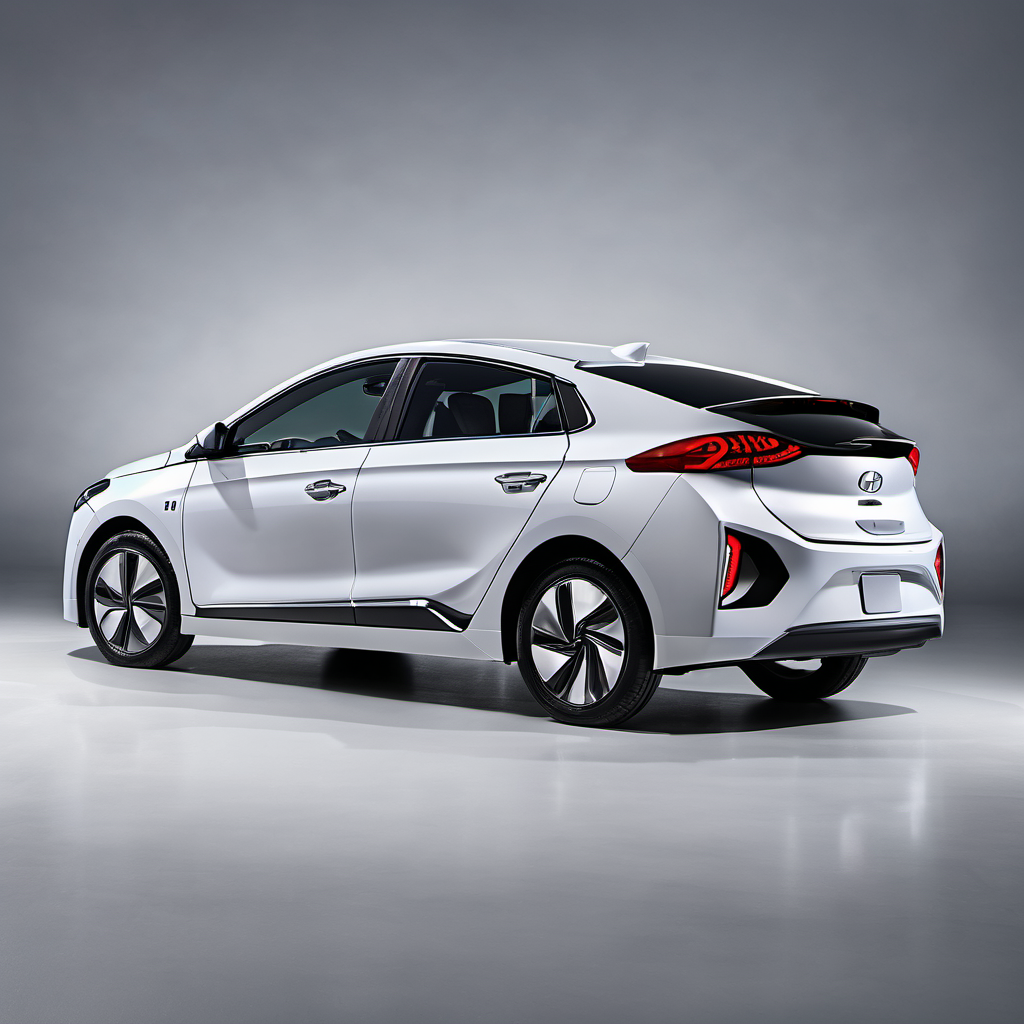
2019 Hyundai Ioniq Electric
2019 Hyundai
Ioniq Electric

Smaller range but competitive efficiency, lower purchase price, and broader independent service network. Good cold-weather management.

2020 Polestar
2

Direct competitor to Model 3 — electric sedan, similar size and price, AWD standard. Worth cross-shopping for buyers wanting an alternative EV ecosystem.

No catalog match

If you're shopping for one

Red flags
  • Any car titled as a '2016 Tesla Model 3' — this model year does not exist. Verify the actual model year on the title, Monroney sticker, and Tesla account before purchase.
  • MCU touchscreen that is slow, reboots randomly, or shows a yellow band along the bottom — these are signs of eMMC chip failure that costs $500–$1,500 to fix.
  • Evidence of underbody damage or scraping — the low ground clearance (5.5 in) makes the battery enclosure vulnerable on driveways and road debris.
  • Uneven panel gaps at doors, frunk, or trunk — especially on early production cars. Some are cosmetic; wide gaps at the door seals can cause wind noise and water intrusion.
  • Battery state of health below 90% on a car with under 60,000 miles — have the seller run a battery report in the Tesla app or pull data at a service center before buying.
What to inspect
  • Check all four door handles — press and pull each one. Sluggish retraction or grinding indicates motor wear.
  • Test every touchscreen function including HVAC, maps, and media. A slow or unresponsive MCU is a near-term repair cost.
  • Inspect brake rotors for heavy surface rust — low regen-braking use causes rotors to rust faster than on ICE cars, especially after sitting.
  • Look at all four corners of the car in direct sunlight for paint orange peel, chips, or mismatched touch-up paint.
  • Ask for the full service history from the Tesla app — over-the-air update logs, service visits, and any open recalls are all visible there.
  • Check for any active recalls (Tesla has issued several, including one for Autopilot). Verify they are resolved before purchase.
AI profile generated 4 days ago · claude-sonnet-4-6 · v2.