Door latch failure — door won't open or latch properly
high- Typically appears
- 40–120k mi
- Estimated repair
- $80 – $250
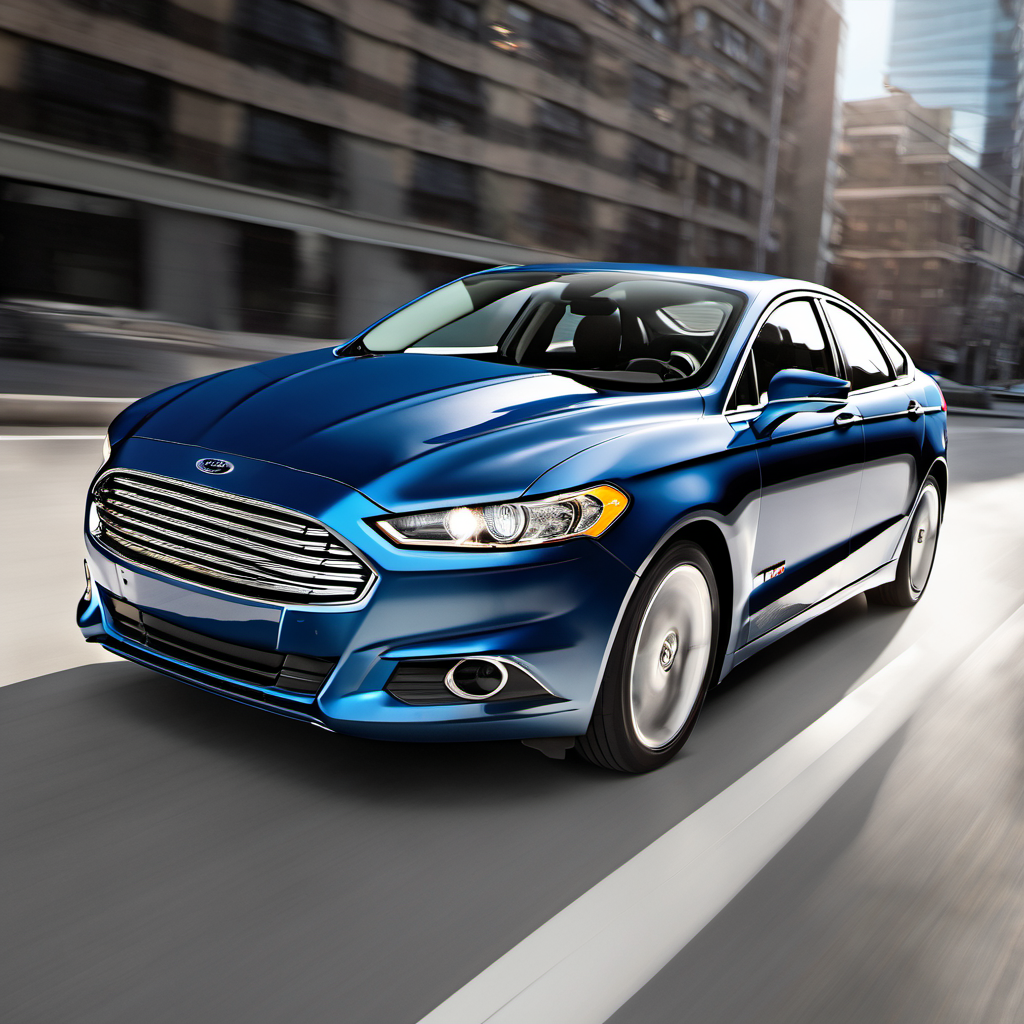
2016 Ford
2.5L iVCT I4 · Sedan
The 2016 Ford Fusion is a midsize front-wheel-drive sedan that landed in the sweet spot of the segment — sharp European-influenced styling, a comfortable ride, and enough powertrain options to suit buyers from fuel-focused commuters to sport-minded drivers. The base 2.5L iVCT four-cylinder is the no-fuss workhorse of the lineup: adequate power for daily driving, straightforward maintenance, and none of the complexity that comes with the turbocharged EcoBoost engines. By 2016 Ford had ironed out most of the first-generation Fusion's early teething problems. The interior is spacious for the class, the ride is composed without being floaty, and highway fuel economy is genuinely competitive. MyFord Touch infotainment received software updates that made it more stable, though it's still the most complaint-prone part of the car. At this age and price point, the Fusion is a reasonable used-car buy — especially in the base 2.5L trim, which avoids the coolant/head gasket concerns occasionally tied to the 1.5L EcoBoost and the higher repair costs of the AWD variants. Budget for normal wear items (tires, brakes, battery) and keep up with oil changes and you can realistically expect 150k–200k miles.
The 2016 Ford Fusion is a midsize front-wheel-drive sedan that landed in the sweet spot of the segment — sharp European-influenced styling, a comfortable ride, and enough powertrain options to suit buyers from fuel-focused commuters to sport-minded drivers. The base 2.5L iVCT four-cylinder is the no-fuss workhorse of the lineup: adequate power for daily driving, straightforward maintenance, and none of the complexity that comes with the turbocharged EcoBoost engines. By 2016 Ford had ironed out most of the first-generation Fusion's early teething problems. The interior is spacious for the class, the ride is composed without being floaty, and highway fuel economy is genuinely competitive. MyFord Touch infotainment received software updates that made it more stable, though it's still the most complaint-prone part of the car. At this age and price point, the Fusion is a reasonable used-car buy — especially in the base 2.5L trim, which avoids the coolant/head gasket concerns occasionally tied to the 1.5L EcoBoost and the higher repair costs of the AWD variants. Budget for normal wear items (tires, brakes, battery) and keep up with oil changes and you can realistically expect 150k–200k miles.
Ford's oil life monitor can stretch intervals to 10k, but in Wisconsin stop-and-go and cold-start conditions, shorter intervals protect the iVCT system and cam phasers that depend on clean oil pressure.
Ford marks the fluid 'lifetime,' but worn fluid is the leading cause of 6-speed shudder and harsh shifts. An independent drain-and-fill at 60k is cheap insurance.
Stock iridium plugs are rated to 100k, but the 2.5L runs cleaner and smoother with a 60k change — especially important for cold Wisconsin starts.
Ford's orange OAT coolant degrades over time. Fresh coolant prevents corrosion inside the aluminum block — critical before winter.
Brake fluid is hygroscopic. In Wisconsin's humidity swings and sub-zero temps, absorbed moisture lowers boiling point and accelerates caliper corrosion.
A clogged cabin filter strains the HVAC blower motor — extra load you don't want when running the defroster hard all winter.
Road salt is the Fusion's biggest long-term enemy in Lake Geneva. Flushing the subframe rails, wheel wells, and rocker panels extends the car's structural life by years.
The 2.5L's stop-start-free operation still draws hard on the battery in sub-zero starts. A battery that passes a summer test can fail at -10°F. Test it before winter hits.
Always defer to the manufacturer's service manual for warranty-mandated intervals.
The 2.5L Fusion is one of the cheaper midsize sedans to run day-to-day. Routine maintenance is modest, parts are widely available, and labor rates at an independent shop are reasonable. The wild cards are transmission repair if fluid has been neglected, and rust remediation if underbody corrosion has been ignored — both can push a single-year cost well above normal. Buy a rust-free example and stay on top of fluids and this car is genuinely economical to own.
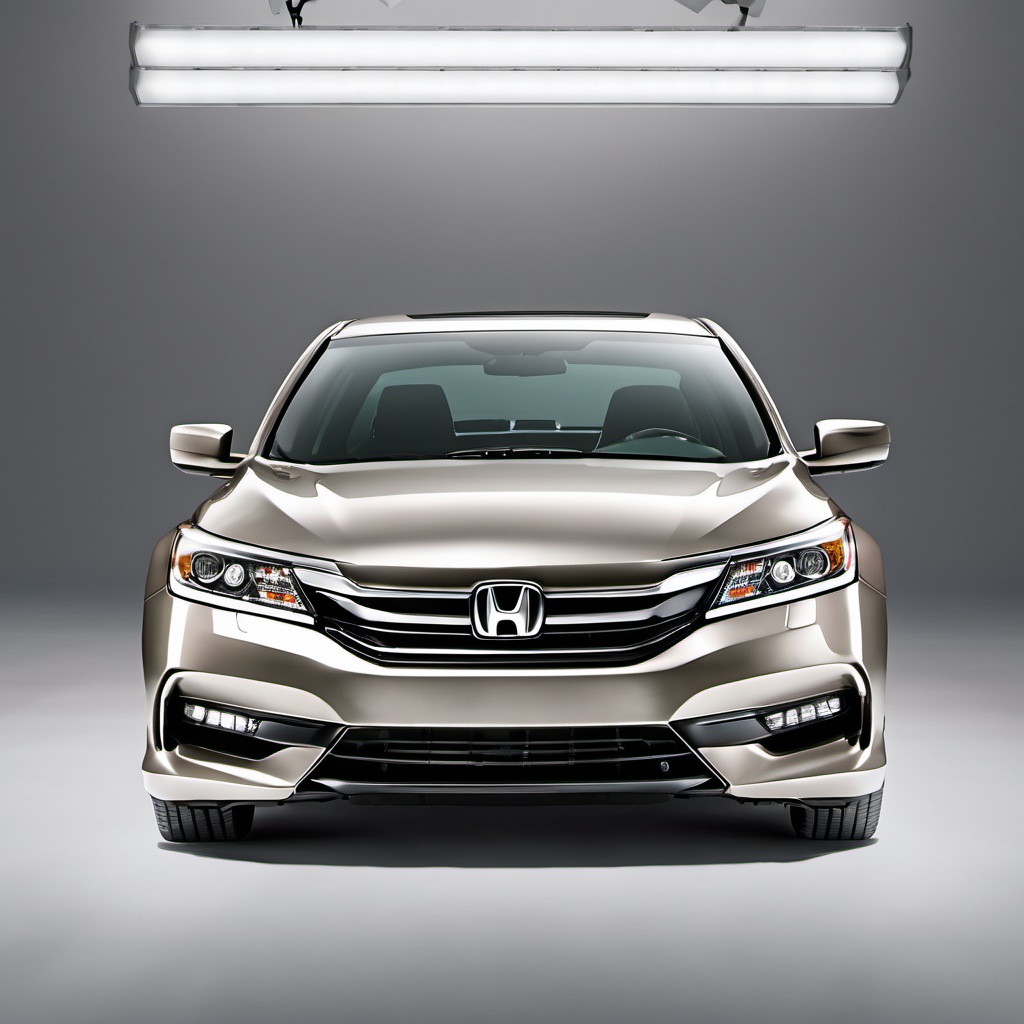
Class benchmark for reliability and resale value. The 2.4L four-cylinder matches the Fusion on power and beats it on long-term durability. Slightly less stylish but easier to find rust-free used examples.
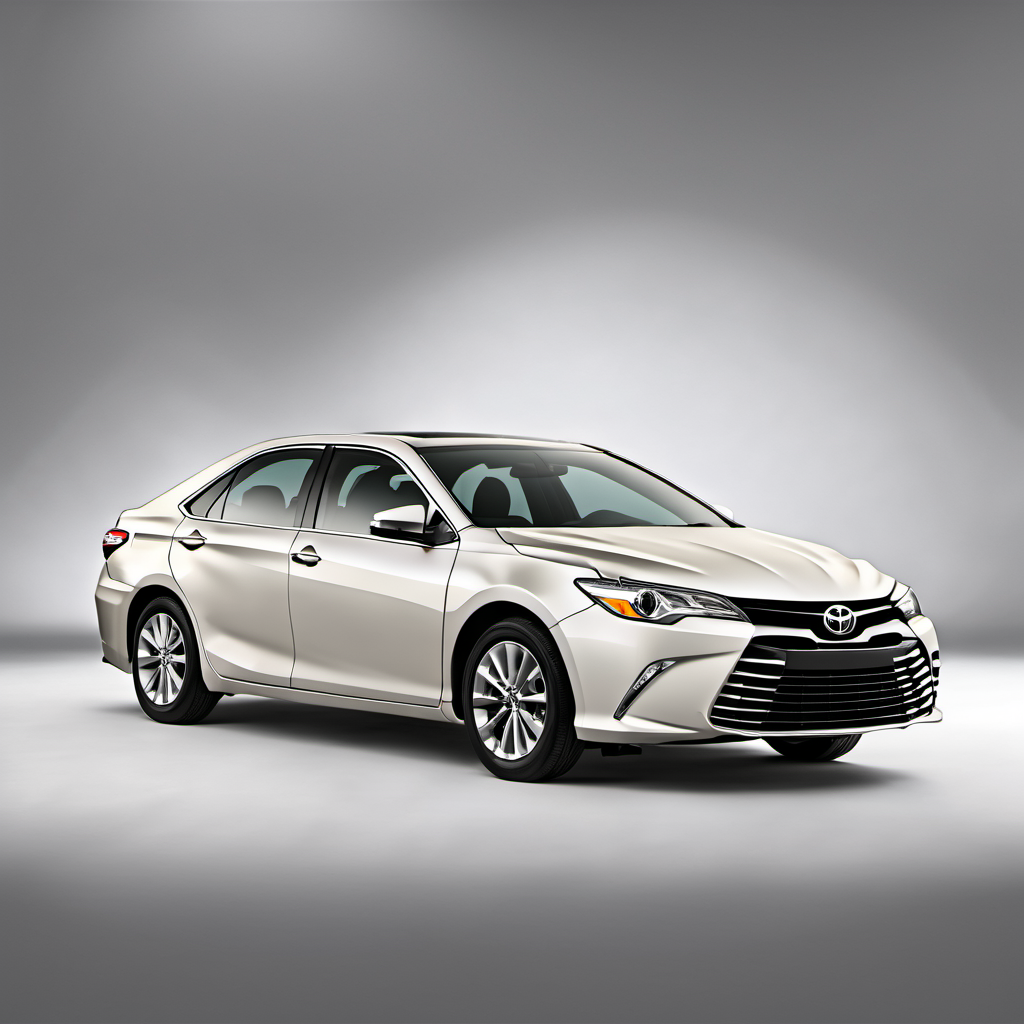
Top reliability scores, bulletproof 2.5L engine, and a huge parts/service network. Ride is softer than the Fusion; interior feels more conservative, but ownership costs are lower over time.
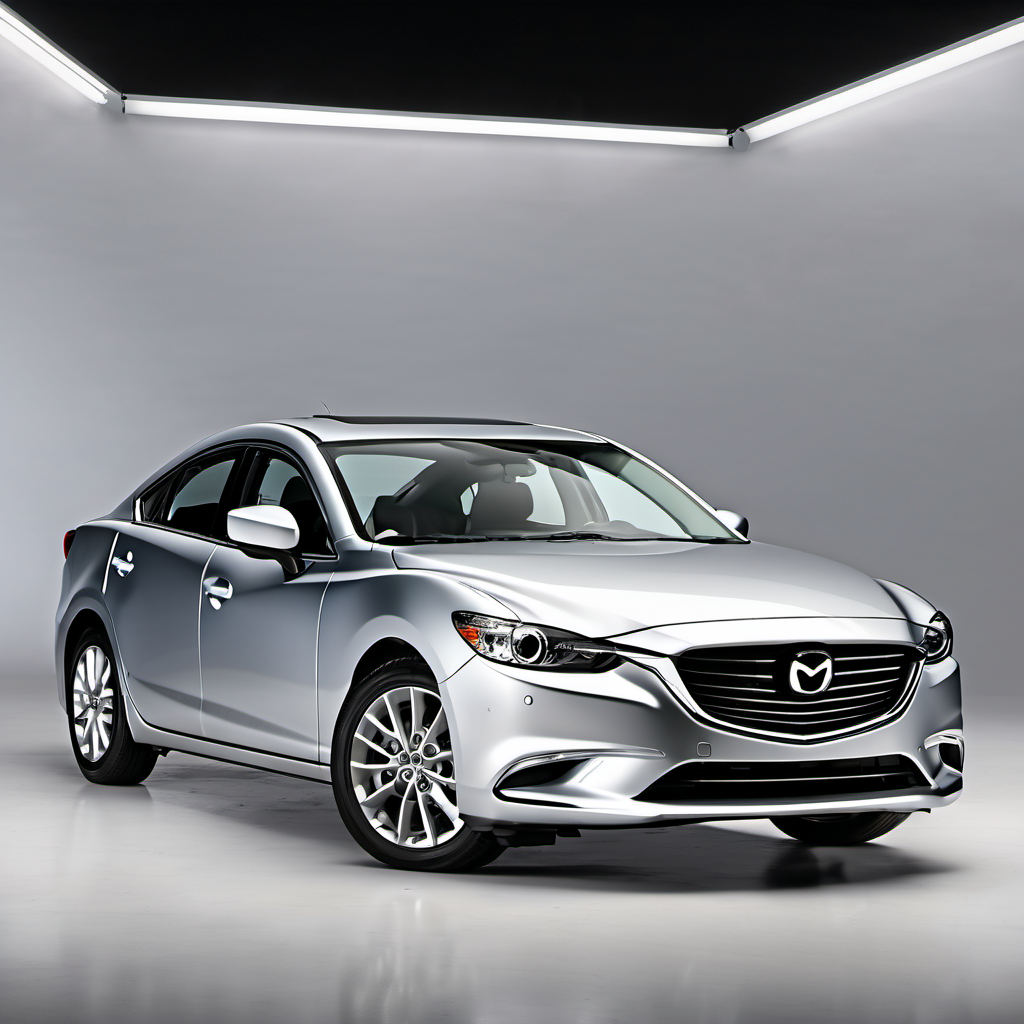
Sharper driving dynamics than the Fusion with comparable fuel economy. Mazda's reliability record is excellent for this era. Slightly smaller back seat but a notch above on interior quality.
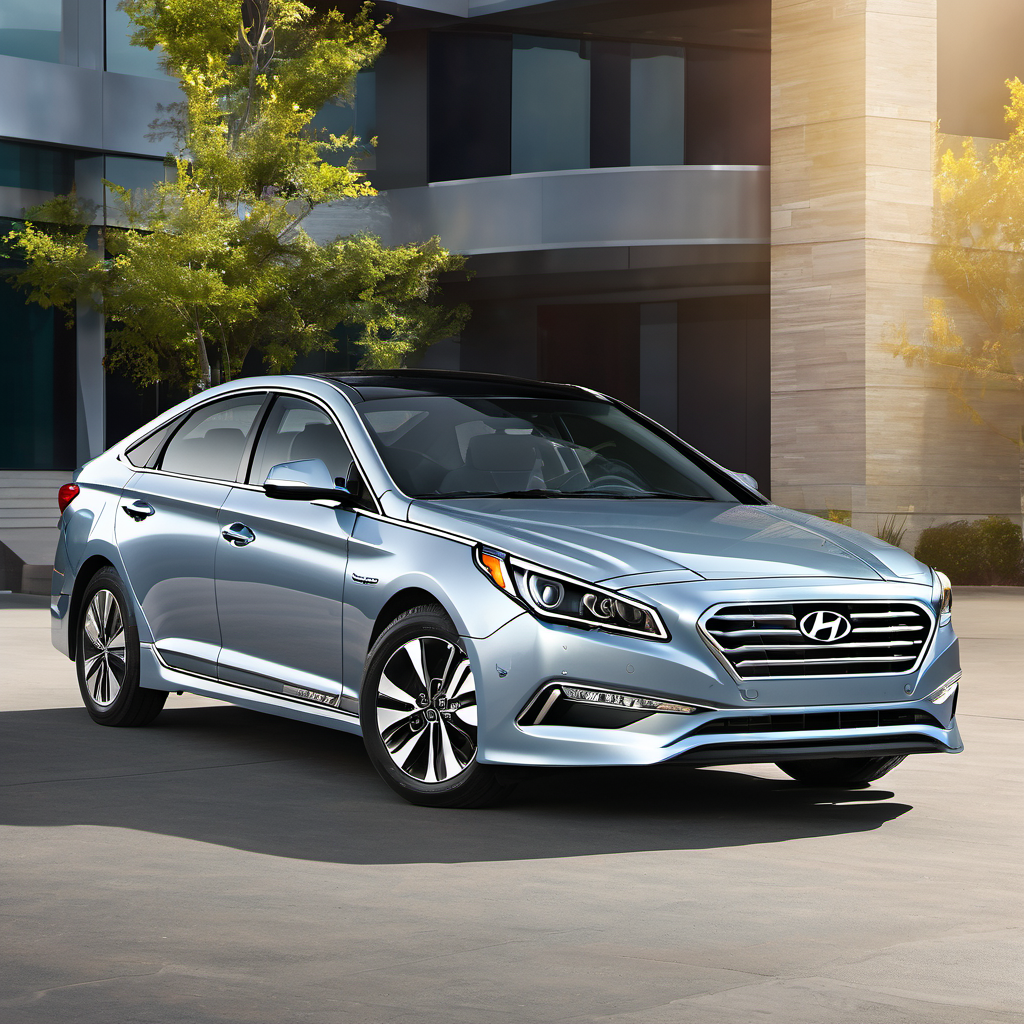
Similar price point with a strong warranty (if still transferable). The 2.4L GDI engine is straightforward. Less engaging to drive but competitive on space, features, and initial cost.